Lytchett Minster And Upton
Lytchett Minster And Upton
Top 11 Natural Monuments around Lytchett Minster And Upton
Best natural monuments around Lytchett Minster And Upton include diverse landscapes in Dorset, featuring coastal areas, woodlands, and heathlands. The region offers a mix of historical sites and natural reserves. These areas provide opportunities to experience varied ecosystems and local wildlife. The natural monuments here are characterized by their ecological significance and scenic views.
Best natural monuments around Lytchett Minster And Upton
- The most popular natural monuments is Badbury Rings Iron Age hillfort, a viewpoint that is an Iron…
Last updated: May 3, 2026
Badbury Rings Iron Age hillfort
Highlight • Viewpoint
Tip by

Woolsbarrow Hillfort
Highlight • Historical Site
Tip by

Sign up now to discover places like this
Get recommendations on the best single tracks, peaks, & plenty of other exciting outdoor places.
Sign up for free
Sand Dunes at Knoll Beach
Highlight • Beach
Tip by

Mary Baxter Memorial, Knowle Hill
Highlight • Natural Monument
Tip by

Shipstall Beach
Highlight • Beach
Tip by

Sign up for free to discover even more natural monuments around Lytchett Minster And Upton.
Sign up for free
Already have an account?
Start today with a free account
Your next adventure awaits.
Login or Signup
Popular around Lytchett Minster And Upton
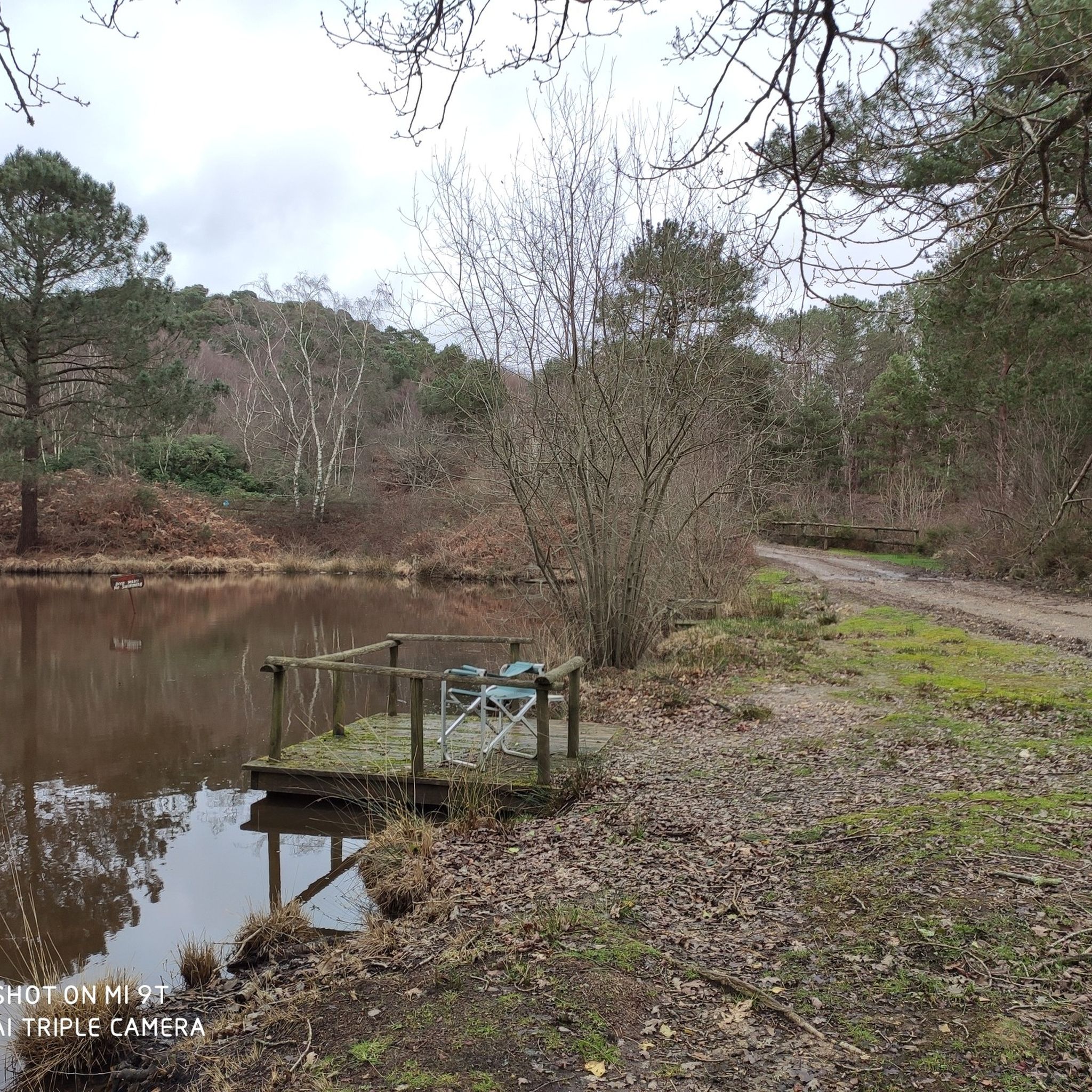
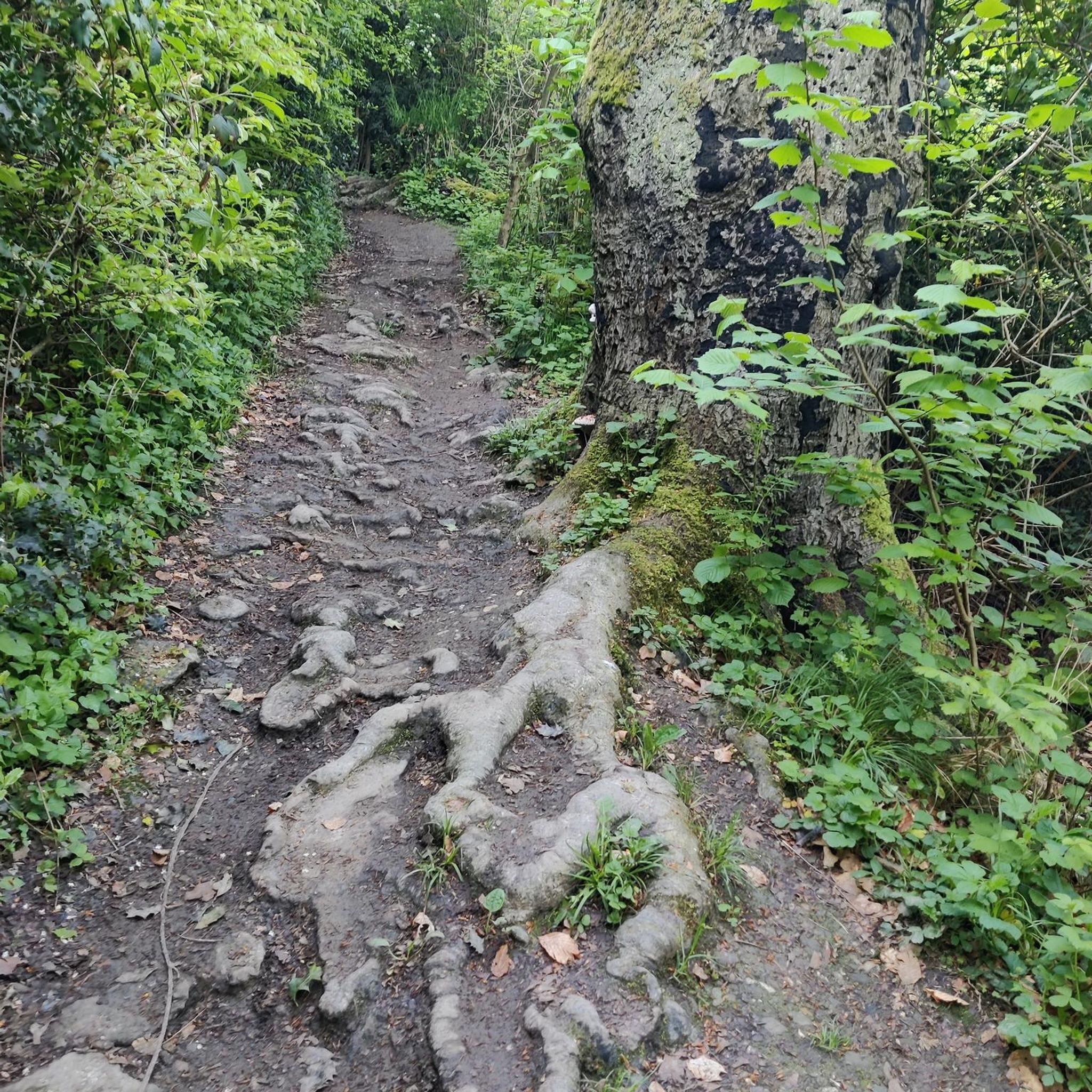
Tips from the Community


Beautiful spot, on a sunny day could almost think you are in the Caribbean
0
0

Badbury Rings is an Iron Age hill fort and Scheduled Monument in east Dorset, England. In the Roman era a temple was located immediately west of the fort, and there was a Romano-British town known as Vindocladia ( Known today as Shapwick ) a short distance to the south-west. It sits over 300 feet above sea level, and there are two main phases of construction; the first covered 18 acres and was defended by multiple ditches, while the second was more than twice the size, covering 41 acres and defended by a single ditch and rampart. These ramparts make for great walking, but imagine the terror of trying to scale one whilst under attack from the occupants. Once you'd scaled one, there were more waiting for you. No wonder it was the last fort to be sacked by the Romans. Wonder just how many soldiers died trying to take it. Until 1983 Badbury Rings was privately owned as part of the Kingston Lacy estate, and the owners discouraged investigation of the site.[2] The site now belongs to the National Trust.[2] A survey of the hillfort by the RCHME was begun in 1993. The summit area was cleared of undergrowth by the National Trust in 1997 and the conifer plantation was thinned out. A survey in 1998, which recorded 28 potential hut sites within the ramparts, although some depressions are probably caused by uprooted trees. The first excavations, led by Martin Papworth, took place in 2004, when three evaluation trenches were dug. Almost all of the pottery found was dated to the Late Iron Age. The current evidence does not suggest that the hillfort was a principal settlement in the Early Iron Age. It seems likely that the hillfort became depopulated towards the end of the Late Iron Age, perhaps as the Vindocladia settlement near Shapwick developed.
1
0
The dunes in the Studland system have been built up by wind-blown sand over the past 400-500 years and at the northern end of the peninsula, dunes are still growing at a rate of around 1m per year. There are four clear dune ridges here and they make this a great site to see how dunes progress over time, a process known as succession: furthest from the beach, the older mature dunes are covered in gorse and birch scrub, heather has flourished creating a beautiful region of dune heather, and younger embryo dunes by the sea at Shell Bay still have bare, shifting sand. A section furthest away from swanage is reserved as a naturist dune area. signage is in place.
0
0
A gorgoues unspoilt beach with golden sand, dunes and views out over the English Channel. Knoll Beach sits between Shell Bay and Middle Beach and is probably the best known of the Studland Beaches. It's also the longest with a stretch of 4 miles of beach along the coastline. Public Toilets, cafe, large car park and a beach hut library.
0
0

Owned by the National Trust, Knoll Beach is a beautiful, lengthy expanse of golden, sandy beach. Trails through the nearby dunes, heath and woodland are splendid, while the beach offers views towards Old Harry Rocks and the Isle of Wight. Studland Bay played an important role during the Second World War. Exercise Smash, a full-on dress rehearsal for the Allied Invasion of Europe, took place here in April 1944.
0
0
The sand dunes at Knoll Beach are well worth exploring for their rich wildlife, which includes sand lizards, meadow pipits and heath tiger beetles. The National Trust have been working hard to restore sand dunes right across England and Wales and Studland Bay is a key site, having become over-vegetated over the last century. The Dynamic Dunescapes project is seeking to rejuvinate these habitats for the benefit of the rare wildlife that depend on them.
0
0

Frequently Asked Questions
What natural features can I explore around Lytchett Minster And Upton?
The area offers a diverse range of natural features. You can explore the extensive woodlands and coastal paths of Upton Country Park, the tranquil Upton Wood with its seasonal bluebells, or the internationally important heathland of Upton Heath Nature Reserve. Additionally, the region features significant wetland and coastal habitats like Lytchett Bay and Holes Bay Nature Park, known for their rich birdlife and unique ecosystems. Don't miss the Sand Dunes at Knoll Beach, which are home to rare wildlife.
Are there historical natural monuments to visit in the area?
Yes, Lytchett Minster And Upton is rich in historical natural monuments. You can visit the impressive Badbury Rings Iron Age hillfort, which offers panoramic views and a glimpse into ancient history. Another significant site is Woolsbarrow Hillfort, the smallest hillfort in southeast Dorset, providing unique vistas from its summit.
What are some family-friendly natural monuments around Lytchett Minster And Upton?
For families, Upton Country Park is an excellent choice with its walking and cycling routes along Poole Harbour. The Sand Dunes at Knoll Beach offer a fun and educational experience for children to explore wildlife. Shipstall Beach is also a quiet spot perfect for a family picnic.
What kind of wildlife can I expect to see at the natural monuments?
The natural monuments in this region are havens for wildlife. Upton Heath Nature Reserve is particularly notable for being home to all six native reptile species, including the rare sand lizard and smooth snake, and is a hotspot for dragonflies. Lytchett Bay and Lytchett Fields Nature Reserve (RSPB) are internationally important for diverse birdlife, including rare and migrant species, with up to thirty species of wader recorded. The Sand Dunes at Knoll Beach also support sand lizards and various insects.
Are there easy walking trails near the natural monuments?
Yes, there are several easy walking options. Upton Country Park offers accessible paths suitable for leisurely strolls. Lytchett Bay View, managed by the Town Council, features accessible footpaths ideal for short walks and nature study. For more structured routes, you can find easy hikes like the 'Upton Country Park loop' or the 'Upton Heath Canyons Dirt Jumps loop' in the Easy hikes around Lytchett Minster And Upton guide.
What outdoor activities can I do near these natural monuments?
Beyond exploring the monuments themselves, the area provides excellent opportunities for outdoor activities. You can enjoy hiking, running, and cycling. For specific routes, check out the Hiking around Lytchett Minster And Upton guide or the Running Trails around Lytchett Minster And Upton guide. These guides feature routes like the 'Woolsbarrow Hillfort – Singletrack With Jumps loop' and various loops around Upton Country Park.
Are the natural monuments dog-friendly?
Many natural areas in Lytchett Minster And Upton are dog-friendly, but it's always best to check specific site regulations, especially in nature reserves to protect wildlife. Upton Country Park generally welcomes dogs, and many of the public footpaths through areas like Upton Wood and Lytchett Bay View are suitable for walks with dogs, often requiring them to be on a lead. For example, Shipstall Beach asks cyclists to use racks to avoid disturbing wildlife, implying a need for care with dogs too.
When is the best time of year to visit the natural monuments?
The best time to visit depends on what you wish to experience. Spring (April-May) is ideal for seeing bluebells in Upton Wood and observing migratory birds. Summer (June-August) offers pleasant weather for exploring heathlands and beaches, though it can be busier. Autumn (September-November) is excellent for birdwatching, particularly at Lytchett Fields Nature Reserve where Marsh Harriers and Peregrines visit daily. Winter (December-March) provides crucial viewing opportunities for wintering birds at Holes Bay Nature Park and Lytchett Bay.
Where can I find panoramic views of the region?
For stunning panoramic views, head to Badbury Rings Iron Age hillfort, which sits over 300 feet above sea level. Upton Heath Nature Reserve also offers expansive vistas stretching across Poole Harbour, Corfe Castle, and the Isle of Purbeck. Additionally, Woolsbarrow Hillfort provides incredible views from its summit, and Lytchett Bay View offers scenic outlooks across Lytchett Bay.
Are there any hidden natural gems or lesser-known spots?
While many sites are well-known, Woolsbarrow Hillfort is a little-known gem, being the smallest in southeast Dorset and offering incredible views without the crowds. Upton Wood, with its tranquil streams and glades, provides a peaceful escape. Lytchett Bay View, a Local Nature Reserve, is another quiet spot for nature study and short walks with scenic views across the bay.
What are the parking options for visiting these natural monuments?
Parking availability varies by location. Upton Country Park has dedicated parking facilities. For areas like Upton Heath Nature Reserve, Lytchett Bay View, and access points to Lytchett Fields, there are often small car parks or roadside parking options nearby. It is advisable to check local signage upon arrival, especially for smaller, more remote sites.
Can I find cafes or pubs near the natural monuments?
Yes, there are options for refreshments. Upton Country Park has facilities including cafes. While specific cafes or pubs might not be directly adjacent to every natural monument, many are located within a short drive or walk in the nearby towns and villages of Lytchett Minster and Upton. For example, there's an excellent cafe (in a trailer!) run by a pro bike mechanic at the start of the Sika trail near Woolsbarrow Hillfort.
Most popular routes around Lytchett Minster And Upton
Most popular attractions around Lytchett Minster And Upton

Get inspired with the komoot mobile app


Explore more
Extend your search for the best caves by checking out these guides of the top ones around Lytchett Minster And Upton:
