Top 9 Natural Monuments around Spetisbury
Best natural monuments around Spetisbury include significant Iron Age hill forts and the picturesque River Stour valley. This area in North Dorset, England, offers a landscape where ancient human history intertwines with natural features. Visitors can explore well-preserved historical sites that provide expansive views and diverse natural environments. The region is characterized by its chalk downland, river floodplains, and ancient earthworks.
Best natural monuments around Spetisbury
- The most popular natural monuments is Hod Hill, a viewpoint that rises above…
Last updated: July 1, 2026
Badbury Rings Iron Age hillfort
Highlight • Viewpoint
Tip by

Woolsbarrow Hillfort
Highlight • Historical Site
Tip by

Sign up now to discover places like this
Get recommendations on the best single tracks, peaks, & plenty of other exciting outdoor places.
Sign up for free
Hod Hill
Highlight • Viewpoint
Tip by

Bluebell Woodland
Highlight • Natural Monument
Tip by

View from the Ramparts, Dorset National Landscape
Highlight • Historical Site
Tip by

Sign up for free to discover even more natural monuments around Spetisbury.
Sign up for free
Already have an account?
Start today with a free account
Your next adventure awaits.
Login or Signup
Tips from the Community

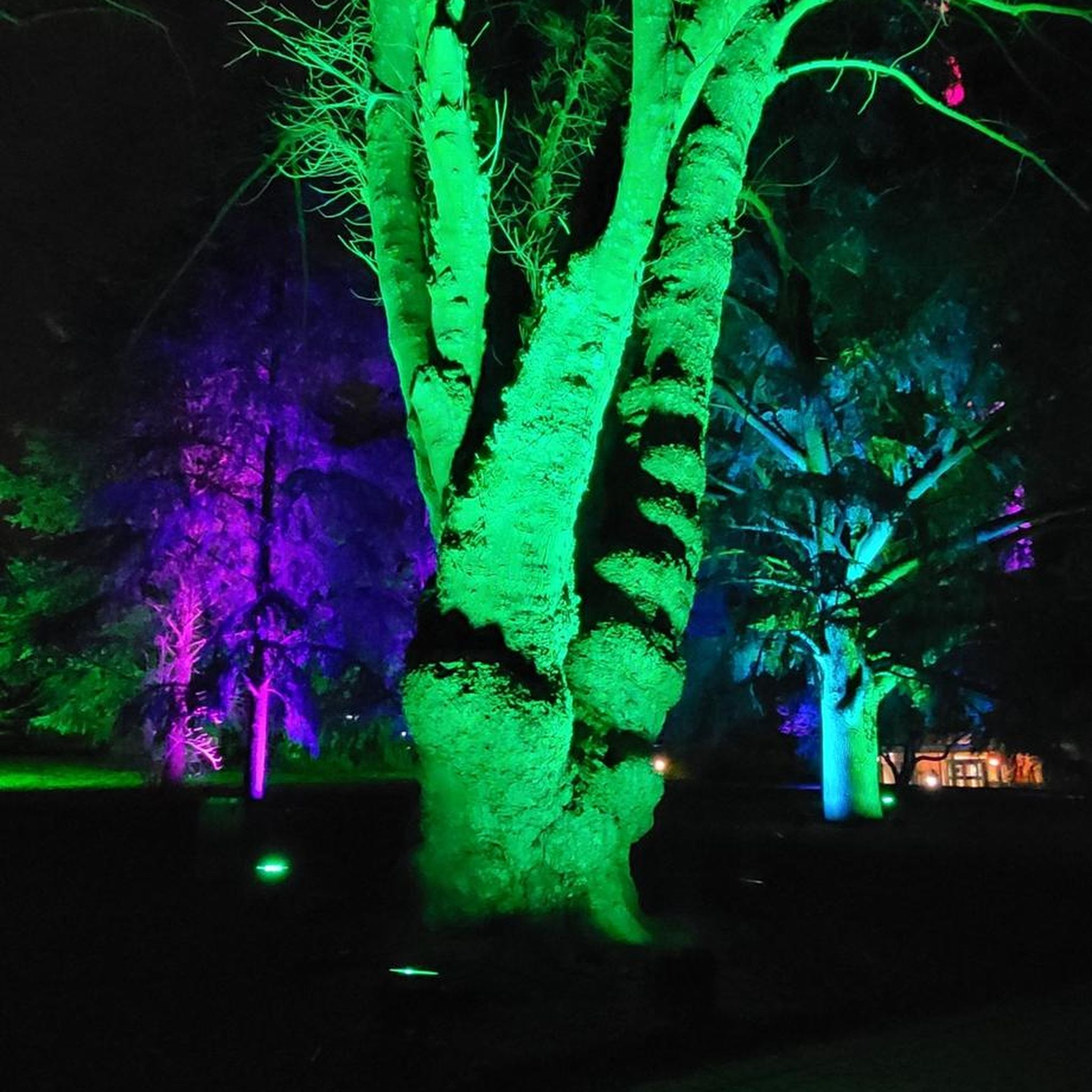
Beautiful snowdrops in February highly recommend these gardens
1
0

Badbury Rings is an Iron Age hill fort and Scheduled Monument in east Dorset, England. In the Roman era a temple was located immediately west of the fort, and there was a Romano-British town known as Vindocladia ( Known today as Shapwick ) a short distance to the south-west. It sits over 300 feet above sea level, and there are two main phases of construction; the first covered 18 acres and was defended by multiple ditches, while the second was more than twice the size, covering 41 acres and defended by a single ditch and rampart. These ramparts make for great walking, but imagine the terror of trying to scale one whilst under attack from the occupants. Once you'd scaled one, there were more waiting for you. No wonder it was the last fort to be sacked by the Romans. Wonder just how many soldiers died trying to take it. Until 1983 Badbury Rings was privately owned as part of the Kingston Lacy estate, and the owners discouraged investigation of the site.[2] The site now belongs to the National Trust.[2] A survey of the hillfort by the RCHME was begun in 1993. The summit area was cleared of undergrowth by the National Trust in 1997 and the conifer plantation was thinned out. A survey in 1998, which recorded 28 potential hut sites within the ramparts, although some depressions are probably caused by uprooted trees. The first excavations, led by Martin Papworth, took place in 2004, when three evaluation trenches were dug. Almost all of the pottery found was dated to the Late Iron Age. The current evidence does not suggest that the hillfort was a principal settlement in the Early Iron Age. It seems likely that the hillfort became depopulated towards the end of the Late Iron Age, perhaps as the Vindocladia settlement near Shapwick developed.
1
0
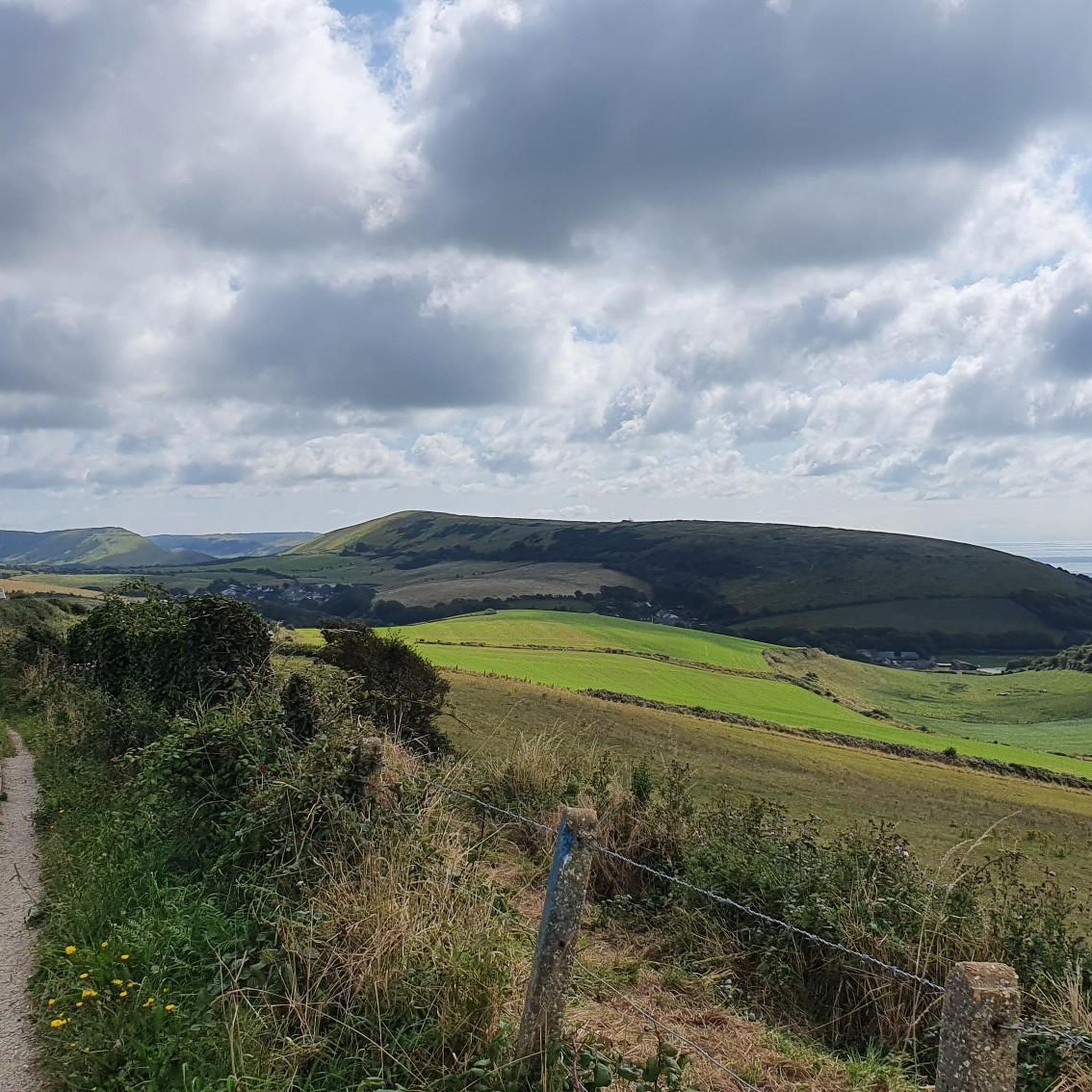
I came on a very wet and windy day, but could still see for miles when walking along the ramparts.
0
0

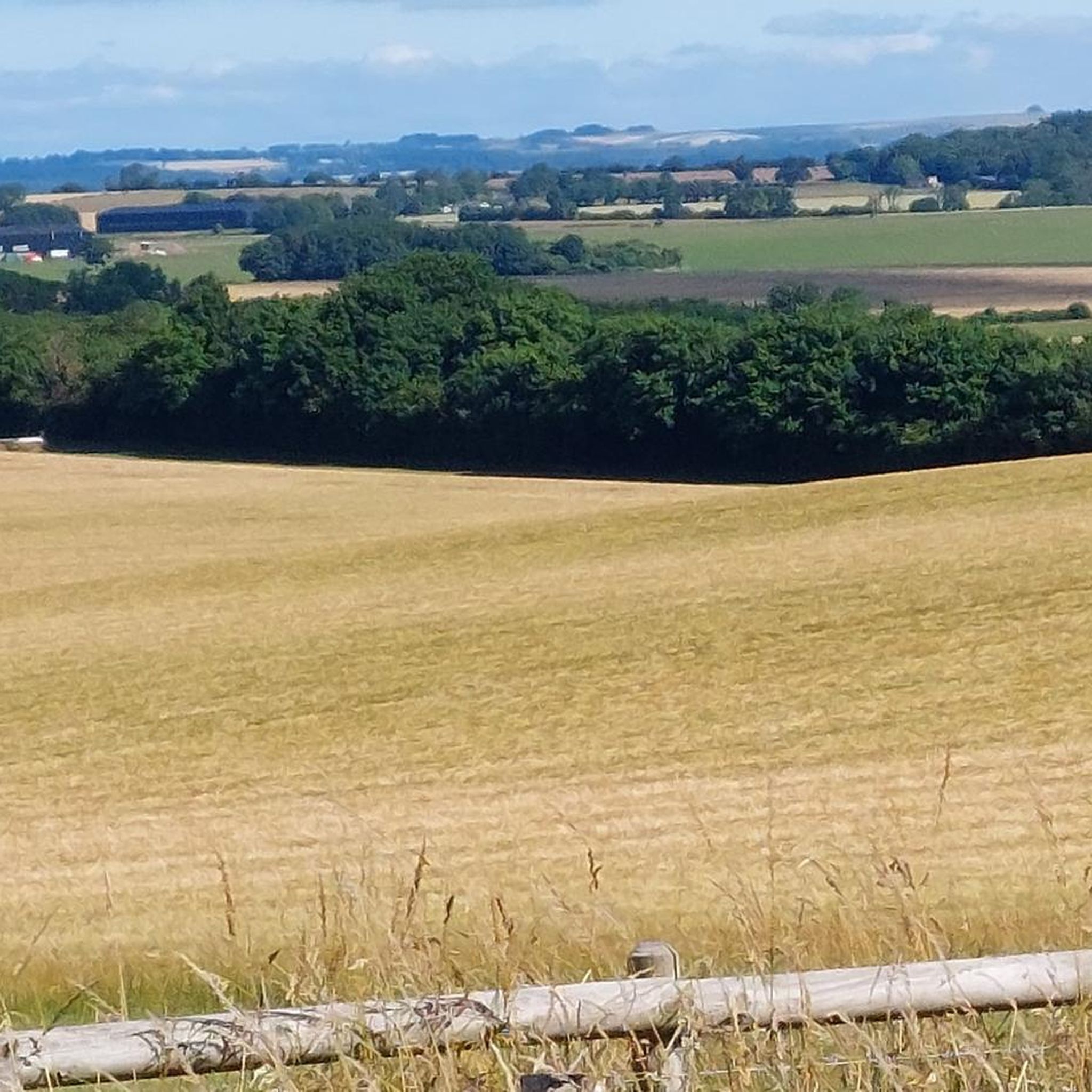
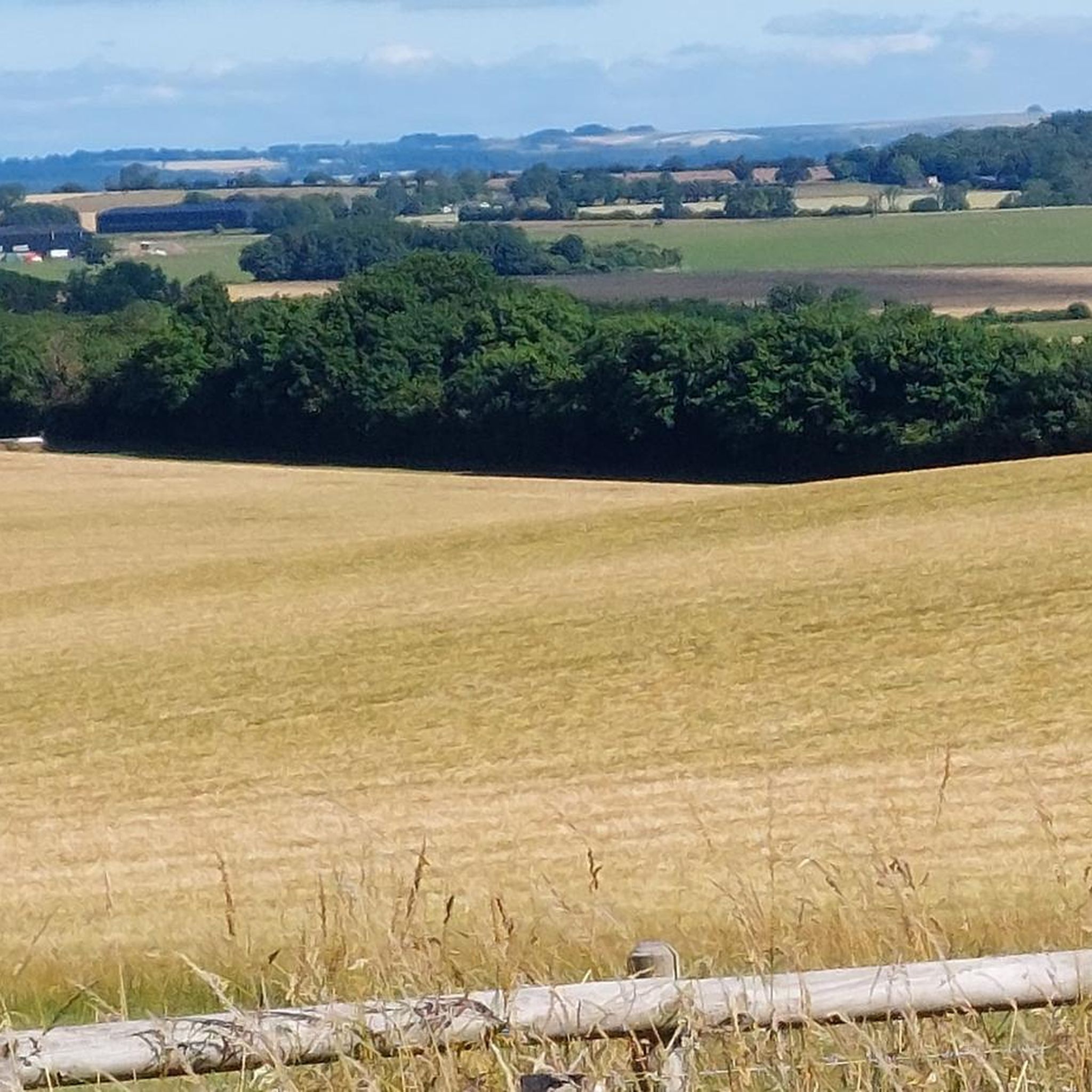
Hod Hill is fabulous at any time but in my opinion is best visited at cowslip time - you’ll never have seen so many in one place in your lifetime. It’s simply stunning.
0
0

Bradbury Rings is an Iron Age hill fort. The Romans built a temple here and there was a Romano-British town known as Vindocladia nearby. Today, you can run the earthworks and around the edge, it's fun and fascinating. The National Trust own and manage the site but it's open access to all.
0
0
Frequently Asked Questions
What are the most prominent natural monuments to visit around Spetisbury?
The area around Spetisbury is rich in natural monuments, often intertwined with ancient history. Key sites include the impressive Iron Age hillforts like Hod Hill and Badbury Rings Iron Age hillfort. Additionally, the picturesque River Stour and its valley, along with the historic Crawford Bridge, offer significant natural beauty and historical interest.
Are there family-friendly natural monuments in the Spetisbury area?
Yes, several natural monuments are suitable for families. Hod Hill, with its deep ramparts, is described as a fun place for children to walk. The Bluebell Woodland is also a protected, family-friendly forest area. The open spaces of Badbury Rings Iron Age hillfort are also great for family walks and exploration.
What kind of wildlife can I expect to see at the natural monuments?
The natural monuments around Spetisbury are havens for wildlife. Badbury Rings Iron Age hillfort, a chalk grassland habitat, supports wild orchids, various butterflies like the scarce Adonis blue and grizzled skipper, and ground-nesting birds such as skylarks and corn buntings. The River Stour valley is also a vital habitat for a diverse array of plant and animal species.
Are there good hiking or walking routes near the natural monuments?
Absolutely. The area offers numerous walking opportunities. The Stour Valley Way path passes right through Hod Hill, providing fantastic views. You can also find easy hikes like the 'Spetisbury Station – Trig Point of Spetisbury Ring loop' or moderate options like the 'Shapwick Village Centre – Spetisbury Station loop'. For more details, explore the Easy hikes around Spetisbury and Hiking around Spetisbury guides.
What is the best time of year to visit the natural monuments around Spetisbury?
Spring and summer are particularly rewarding. Hod Hill is best visited during cowslip time in spring, when wildflowers abound. The chalk grassland of Badbury Rings Iron Age hillfort also comes alive with orchids and butterflies in warmer months. If you're interested in snowdrops, the Bluebell Woodland is highly recommended in February.
Can I find any less-known or 'hidden' natural monuments in the area?
Yes, if you're looking for something a bit less frequented, Woolsbarrow Hillfort is a smaller, less known hill fort located on a gravel knoll. It offers incredible views from its summit and is easily accessed by gravel fire roads along the Sika Trail.
Are there any historical sites integrated with the natural monuments?
Many natural monuments in this region have significant historical connections. Hod Hill is an Iron Age hillfort that also contains a Roman fort. Badbury Rings Iron Age hillfort is a Scheduled Ancient Monument with evidence of a Roman temple and a Romano-British town nearby. Spetisbury Rings (Crawford Castle) is another well-preserved early Iron Age hill fort with archaeological significance.
What are the views like from the natural monuments?
Many of the natural monuments offer expansive and impressive views. From Hod Hill, you can see across the village of Stourpaine and the River Stour. Badbury Rings Iron Age hillfort provides far-reaching views across the surrounding chalk downland. Even the smaller Woolsbarrow Hillfort boasts incredible views from its summit.
Are there opportunities for cycling near the natural monuments?
Yes, the region offers various cycling routes. While not directly through the monuments, you can find road cycling routes around Spetisbury, such as the 'Saxon Walls, Wareham – St Mary the Virgin Church loop' or the 'Sandbanks Ferry – Sandbanks Ferry loop'. For more options, refer to the Road Cycling Routes around Spetisbury guide.
What do visitors enjoy most about the natural monuments around Spetisbury?
Visitors frequently highlight the combination of natural beauty and rich history. They appreciate the impressive earthworks of the hillforts, the expansive views, and the opportunity for scenic walks. The abundance of wildflowers and wildlife, especially in spring and summer, is also a significant draw. Many enjoy the sense of connecting with ancient history in a natural setting.
Is there a cafe or refreshments available near any of the natural monuments?
Near Woolsbarrow Hillfort, there is an excellent cafe (in a trailer) run by a pro bike mechanic at the start of the Sika Trail, which provides refreshments for visitors exploring that area.
What is the significance of the River Stour in the Spetisbury area?
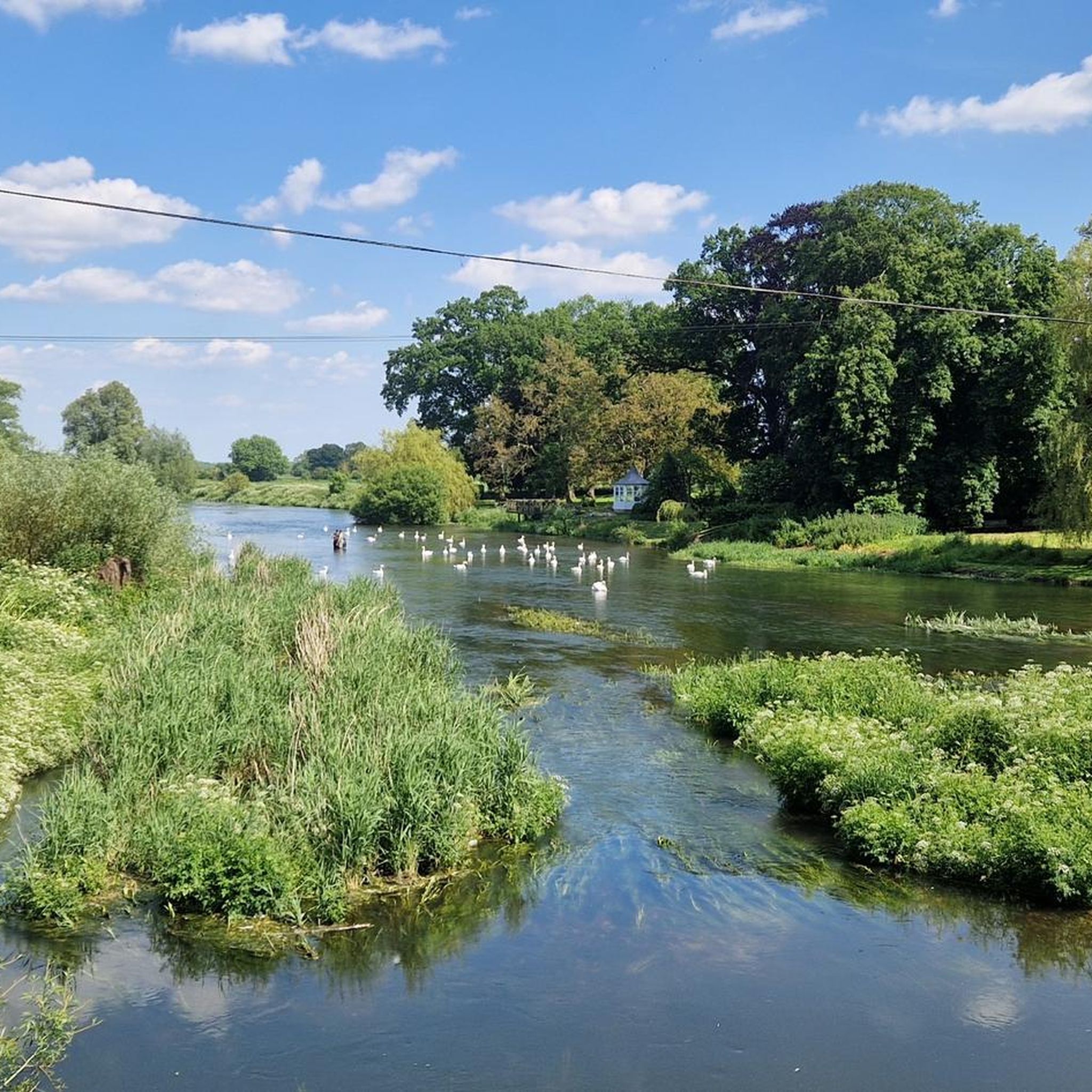
The River Stour is a crucial natural feature, meandering through the Dorset countryside adjacent to Spetisbury. Its valley and floodplains are vital habitats for diverse wildlife and have historically supported various activities. Efforts are underway to restore nature, enhance biodiversity, and improve water quality along the river, making it a significant ecological and scenic asset.
Most popular routes around Spetisbury
Most popular attractions around Spetisbury

Get inspired with the komoot mobile app


Explore more
Extend your search for the best caves by checking out these guides of the top ones around Spetisbury:
