Top 20 Natural Monuments around Rushall
Best natural monuments around Rushall showcase the area's unique natural features, often shaped by its industrial past. The landscape includes reclaimed quarry sites that have transformed into diverse ecosystems. These areas provide important habitats for wildlife and offer various recreational opportunities. The region's underlying geology, including Carboniferous Limestone, has significantly influenced its natural development.
Best natural monuments around Rushall
- The most popular natural monuments is Stonehenge, a historical site that was built in the Neolithic Age and used until…
Last updated: June 17, 2026
Stonehenge
Highlight • Historical Site
Tip by

Sarsen Stone at Stonehenge Visitor Centre
Highlight • Monument
Translated by Google •
Tip by

Sign up now to discover places like this
Get recommendations on the best single tracks, peaks, & plenty of other exciting outdoor places.
Sign up for free
Woodhenge
Highlight • Monument
Tip by

Walkers Hill
Highlight • Natural Monument
Tip by

Cursus Barrows
Highlight • Natural Monument
Translated by Google •
Tip by
Sign up for free to discover even more natural monuments around Rushall.
Sign up for free
Already have an account?
Start today with a free account
Your next adventure awaits.
Login or Signup


Tips from the Community


Why exactly there? Archaeologists suspect several reasons: Line of sight From the mounds, there is a direct view of Stonehenge. Sacred landscape The entire plain was a ritual area with paths, graves, and ceremonial sites. Status symbol Important people were buried near the famous sanctuary. Interesting fact There are over 300 burial mounds in the vicinity of Stonehenge – one of the largest prehistoric burial landscapes in Europe.
0
0
Here is a simple overview map explaining the landscape south of Stonehenge and why the burial mounds are located there. Landscape south of Stonehenge The most important range of mounds is called Normanton Down Barrows. It lies about 1 km south of Stonehenge. There are over 40 burial mounds there, dating from 2600–1600 BC. The mounds are situated on a long ridge that faces directly towards Stonehenge. Simplified diagram of the location North ↑ Stonehenge ○ | | approx. 1 km | ───────────────── Hill ridge with many burial mounds (Normanton Down) ○ ○ ○ ○ ○ ○ ○ ○ ○ ○ ↓ South Important hills there One particularly famous burial mound is Bush Barrow A richly furnished grave of a Bronze Age prince, containing gold objects and weapons, was found there.
0
0

It's unbelievable what people have achieved and built in the past (without any technology) - it's simply impressive and breathtaking
2
0

Can someone please be happy/laughing with me that Google Translate turns Amy's "henge and timber monument" into "Denkmal für Hühner 🐔" in German? - Great 😂😂😂
0
0

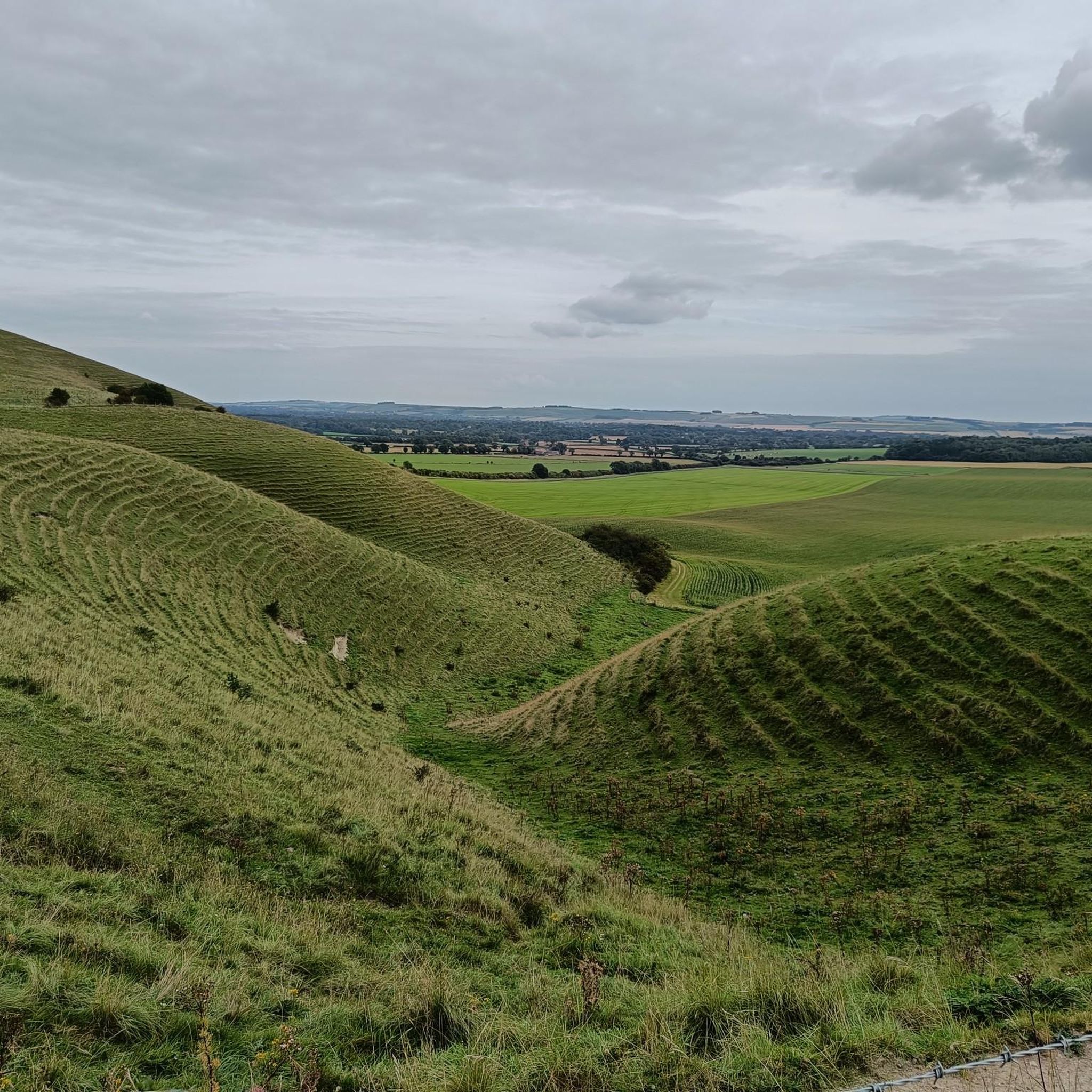
Adam’s Grave on Walker's Hill in Alton, the most dramatically located Neolithic long barrow in Wiltshire and the site of battles in 592 and 715. The area surrounding Walker's Hill is pitted and speckled with barrows and ditches of many sizes and shapes.
0
0


To the south lies a group of burial mounds called the Cursus Barrows. The footpath to the impressive stone circle leads across the fields with the burial mounds, which can be clearly seen and are well explained on a display board. Bone remains and various beads were found in the graves.
5
0
Frequently Asked Questions
What are the primary natural spaces to explore in Rushall?
Rushall offers several significant natural spaces, often reclaimed from industrial pasts. Key areas include Park Lime Pits Local Nature Reserve, known for its diverse ecosystem and historical quarrying remnants, as well as Daw End Fields and Lady Pool, which are recognized as Sites of Importance to Nature Conservation (SINCs). Additionally, Rushall Playing Fields provide open green spaces for recreation.
What makes Park Lime Pits Local Nature Reserve unique?
Park Lime Pits Local Nature Reserve is a prime example of nature reclaiming an industrial site. Once a limestone quarry, its abandoned pits have transformed into two clear pools surrounded by mature beech woodland. This reserve is home to over 100 species of birds and more than 300 plant species, offering a unique blend of natural beauty and industrial heritage from its 200-year-old quarrying operations.
Are there opportunities for wildlife spotting in Rushall's natural areas?
Yes, Rushall's natural spaces, particularly Park Lime Pits Local Nature Reserve, are excellent for wildlife observation. The diverse habitats support a wide array of birds and plant life, making it a haven for nature enthusiasts. Daw End Fields and Lady Pool, as SINCs, also harbor important habitats and species.
What kind of historical or geological interest can be found in Rushall's natural monuments?
Rushall's natural areas, especially Park Lime Pits, offer significant historical and geological interest. The site showcases the region's industrial past through its limestone quarrying operations, which provided material for Black Country iron foundries and cement manufacturing. This also highlights the influence of Staffordshire's underlying Carboniferous Limestone geology on the landscape.
Are there family-friendly natural areas in Rushall?
Yes, areas like Rushall Playing Fields provide open green spaces suitable for families, offering opportunities for walking, running, and general recreation. While not explicitly listed as 'family_friendly' in the provided data, the nature of these open spaces makes them generally accessible for family outings.
What recreational activities are available in Rushall's natural spaces?
The natural spaces in Rushall, such as Park Lime Pits Local Nature Reserve and Rushall Playing Fields, are ideal for recreation. Visitors can enjoy walking, observing nature, and escaping urban bustle. These areas provide tranquil environments for outdoor activities.
What is a Site of Importance to Nature Conservation (SINC) and where are they in Rushall?
A Site of Importance to Nature Conservation (SINC) is a non-statutory designation for areas that are important for wildlife. In Rushall, Daw End Fields and Lady Pool are identified as SINCs, indicating their ecological significance and importance for local biodiversity. You can find more information about SINCs on the Walsall Council website.
Is Walsall Arboretum considered a natural monument near Rushall?
While Walsall Arboretum is located slightly outside Rushall, it is easily accessible and recognized as a Local Nature Reserve. It offers extensive natural areas for recreation and, like some of Rushall's sites, was also formed in part by quarrying activities, making it a significant green space in the wider area.
What kind of terrain can I expect in Rushall's natural areas?
The terrain in Rushall's natural areas varies. For instance, Park Lime Pits Local Nature Reserve features woodland paths around its pools, while Rushall Playing Fields offer open, flat green spaces. These areas generally provide accessible and pleasant environments for walking and enjoying nature.
Where can I find open green spaces for walking or dog walking in Rushall?
Rushall Playing Fields offer extensive open green spaces, recreation areas, and football pitches, making them suitable for walking, running, and dog walking. They provide a tranquil escape within the urban environment. More details can be found on the Walsall Council website.
What is the geological background of Rushall's natural features?
The geology of Rushall, and the wider Staffordshire area, is significantly influenced by Carboniferous Limestone. This geological feature played a crucial role in the region's industrial past, particularly with limestone quarrying, and has shaped the landscape and its natural resources, as seen in areas like Park Lime Pits.
Most popular attractions around Rushall

Get inspired with the komoot mobile app


Explore more
Extend your search for the best caves by checking out these guides of the top ones around Rushall:
