Top 13 Natural Monuments around Orcheston
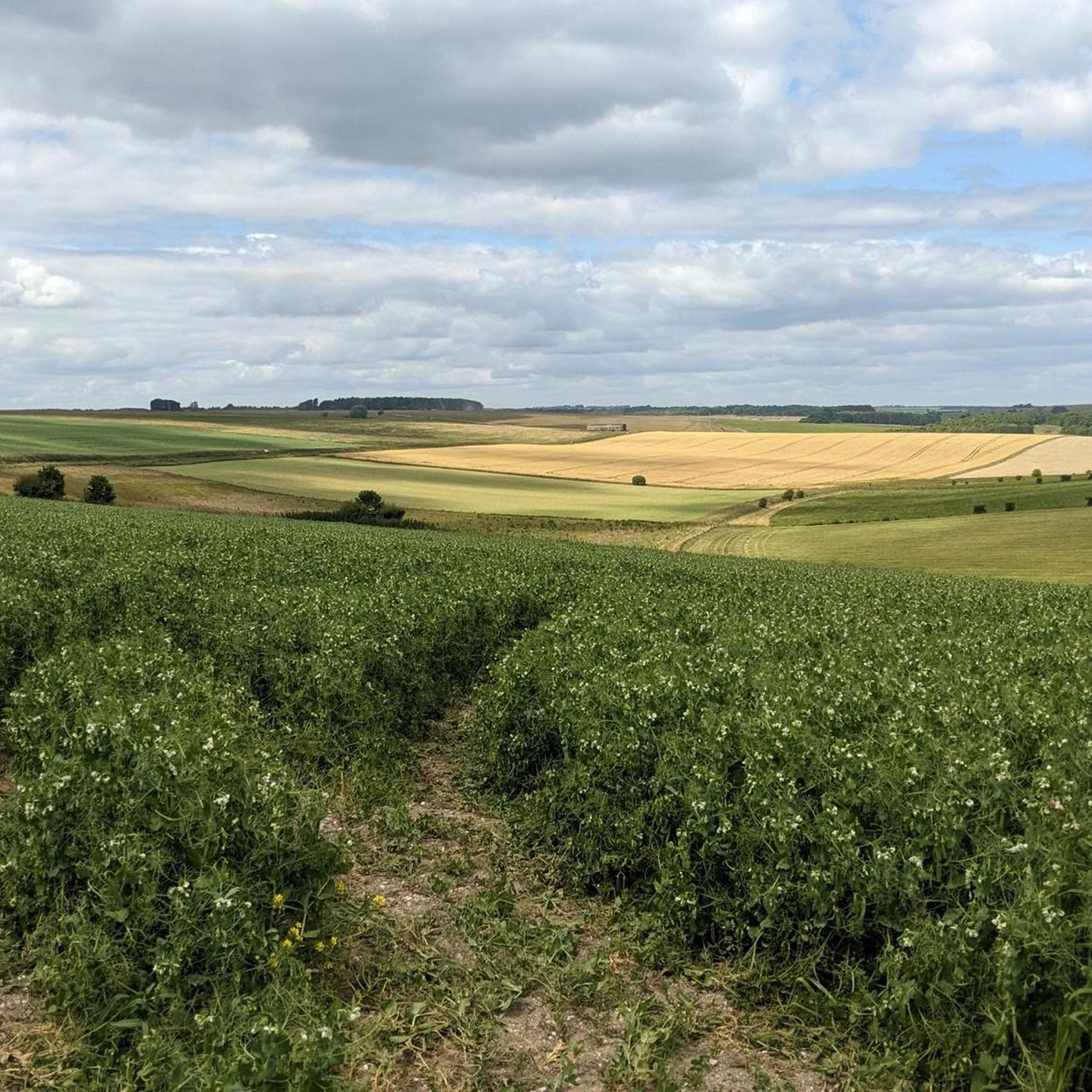
Best natural monuments around Orcheston are found within the expansive chalk downland of Salisbury Plain, offering a rich tapestry of natural features. This area is characterized by rolling hills, wide-open grasslands, and unique habitats that support diverse flora and fauna. Visitors can experience vast, uninterrupted views and a sense of tranquility, making it ideal for walking and nature exploration. The landscape provides opportunities to combine natural exploration with historical discovery.
Best natural monuments around Orcheston
- The most popular natural monuments…
Last updated: July 1, 2026
Stonehenge
Highlight • Historical Site
Tip by

Sarsen Stone at Stonehenge Visitor Centre
Highlight • Monument
Translated by Google •
Tip by

Sign up now to discover places like this
Get recommendations on the best single tracks, peaks, & plenty of other exciting outdoor places.
Sign up for free
Woodhenge
Highlight • Monument
Tip by

Cursus Barrows
Highlight • Natural Monument
Translated by Google •
Tip by
Cuckoo Stone
Highlight • Monument
Tip by

Sign up for free to discover even more natural monuments around Orcheston.
Sign up for free
Already have an account?
Start today with a free account
Your next adventure awaits.
Login or Signup

Tips from the Community


Why exactly there? Archaeologists suspect several reasons: Line of sight From the mounds, there is a direct view of Stonehenge. Sacred landscape The entire plain was a ritual area with paths, graves, and ceremonial sites. Status symbol Important people were buried near the famous sanctuary. Interesting fact There are over 300 burial mounds in the vicinity of Stonehenge – one of the largest prehistoric burial landscapes in Europe.
0
0
Here is a simple overview map explaining the landscape south of Stonehenge and why the burial mounds are located there. Landscape south of Stonehenge The most important range of mounds is called Normanton Down Barrows. It lies about 1 km south of Stonehenge. There are over 40 burial mounds there, dating from 2600–1600 BC. The mounds are situated on a long ridge that faces directly towards Stonehenge. Simplified diagram of the location North ↑ Stonehenge ○ | | approx. 1 km | ───────────────── Hill ridge with many burial mounds (Normanton Down) ○ ○ ○ ○ ○ ○ ○ ○ ○ ○ ↓ South Important hills there One particularly famous burial mound is Bush Barrow A richly furnished grave of a Bronze Age prince, containing gold objects and weapons, was found there.
0
0

It's unbelievable what people have achieved and built in the past (without any technology) - it's simply impressive and breathtaking
2
0

Can someone please be happy/laughing with me that Google Translate turns Amy's "henge and timber monument" into "Denkmal für Hühner 🐔" in German? - Great 😂😂😂
0
0

Location signage, that is, how to locate the cuckoo stone, is non-existent! Once you pass through the gate next to Woodhenge you’ll see the National Trust sign. The stone lies way off to your right at about 3 o’clock direction from the sign. If the grass is long it won’t be visible!
2
0


Like the larger megaliths that make up the outer ring of Stonehenge, the Cuckoo Stone is a sarsen stone and was once a standing stone. It has since fallen but is still a familiar landmark and is part of the wider Stonehenge Landscape. It's believed that the Cuckoo Stone was the ceremonial centrepiece for several burials around 2000 BC.
3
0
Frequently Asked Questions
What natural features define the landscape around Orcheston?
The landscape around Orcheston is primarily characterized by the expansive Salisbury Plain Chalk Downland, featuring rolling hills, wide-open grasslands, and gentle slopes. You'll also find the River Till, a globally rare chalk stream, winding through the area, offering a different ecological perspective.
What kind of wildlife can I expect to see near Orcheston's natural sites?
The chalk downland of Salisbury Plain is a unique habitat supporting diverse flora and fauna. Birdwatchers might spot rare species like the Great Bustard, Stone Curlew, and Barn Owl. In summer, the grasslands are adorned with wildflowers, including several types of orchids, attracting various rare butterflies such as the Adonis Blue.
Are there any ancient historical sites integrated into the natural landscape around Orcheston?
Yes, the area is rich in ancient historical sites that are part of the natural landscape. Notable examples include Stonehenge, a world-famous megalithic structure, and Woodhenge, a Neolithic timber circle monument. You can also explore the Cursus Barrows, a group of burial mounds, and the Cuckoo Stone, a fallen sarsen stone with historical significance.
What is the best time of year to visit the natural monuments around Orcheston?
The best time to visit is generally during the warmer months, from late spring to early autumn. Summer offers the chance to see wildflowers in bloom across the chalk grasslands. However, the ancient pathways and open landscapes are accessible year-round, providing unique experiences in every season, from crisp autumn walks to fresh spring explorations.
Are there family-friendly natural monuments or activities near Orcheston?
Many sites are family-friendly. Stonehenge and its visitor centre offer exhibitions and Neolithic houses that engage all ages. Woodhenge and the Cuckoo Stone are also easily accessible for families. The extensive network of public footpaths provides opportunities for leisurely strolls suitable for children.
Are the natural monuments around Orcheston accessible for visitors with wheelchairs?
While much of the natural landscape involves uneven terrain, some specific sites offer better accessibility. The Sarsen Stone at Stonehenge Visitor Centre is noted as wheelchair accessible, and the visitor centre itself provides facilities. For other natural areas, accessibility may vary depending on the specific path or trail.
What outdoor activities can I do near these natural monuments?
The area around Orcheston is excellent for outdoor activities. You can enjoy extensive hiking on ancient pathways and public footpaths, exploring the diverse landscape. There are also numerous road cycling routes and running trails available. For detailed routes and guides, you can explore options like Hiking around Orcheston, Road Cycling Routes around Orcheston, and Running Trails around Orcheston.
Are there dog-friendly trails around Orcheston's natural monuments?
Yes, the public footpaths and ancient pathways across the Salisbury Plain are generally dog-friendly, offering plenty of space for walks. However, it's always advisable to keep dogs on a lead, especially near livestock or sensitive wildlife areas, and to check specific site regulations for places like Stonehenge or visitor centres.
How long should I plan for a visit to the natural monuments around Orcheston?
The duration of your visit depends on what you wish to see. A visit to Stonehenge and its visitor centre can take half a day. If you plan to combine this with exploring Woodhenge, the Cursus Barrows, and some of the walking trails, a full day or even a weekend would allow for a more comprehensive experience of the natural and historical sites.
What do visitors enjoy most about the natural monuments around Orcheston?
Visitors particularly appreciate the vast, uninterrupted views and the sense of tranquility offered by the Salisbury Plain. The opportunity to combine natural exploration with historical discovery, walking ancient pathways that connect natural beauty with prehistoric monuments, is also highly valued. The unique wildlife and wildflowers are a draw for nature enthusiasts.
Where can I find parking for the natural monuments around Orcheston?
Parking is available at key visitor sites. For Stonehenge, there is a dedicated visitor car park, though booking tickets in advance can sometimes save on parking fees. For sites like Woodhenge, parking is often available nearby, such as alongside the site itself.
Are there cafes or pubs near the natural monuments for refreshments?
Yes, the Stonehenge visitor centre includes a café. Additionally, the villages surrounding Orcheston and the wider Salisbury Plain area have traditional pubs and cafes where you can find refreshments and meals after exploring the natural monuments.
Most popular attractions around Orcheston

Get inspired with the komoot mobile app


Explore more
Extend your search for the best caves by checking out these guides of the top ones around Orcheston:
