Top 6 Natural Monuments around Aston Abbotts
Best natural monuments around Aston Abbotts offer a diverse landscape characterized by waterways, woodlands, and chalk grasslands. The region provides opportunities for exploring historical canals, tranquil reservoirs, and ecologically significant nature reserves. Visitors can discover 6 natural monuments, each presenting unique natural features and wildlife habitats. This area is known for its natural beauty and varied terrain, suitable for different outdoor activities.
Best natural monuments around Aston Abbotts
- The most popular natural monuments is View of College Lake, a…
Last updated: July 1, 2026
Haddington Hill Summit (Chiltern Summit)
Highlight • Summit
Tip by

Soulbury Boot
Highlight • Natural Monument
Tip by

Sign up now to discover places like this
Get recommendations on the best single tracks, peaks, & plenty of other exciting outdoor places.
Sign up for free
Wilstone Reservoir
Highlight • Lake
Tip by

View of College Lake
Highlight • Viewpoint
Tip by

Haddington Hill Summit
Highlight • Viewpoint
Tip by

Sign up for free to discover even more natural monuments around Aston Abbotts.
Sign up for free
Already have an account?
Start today with a free account
Your next adventure awaits.
Login or Signup
Tips from the Community

A monument made up of a group of 3 stones marks the top of Haddington Hill. Standing at 267m high, Haddington Hill is the highest point of the Chiltern Hills, so appreciate a breather and reflect on your hard work before enjoying a steady descent back to your starting point.
1
0

A modest, evocative cairn under a spreading tree to mark the high point of Chiltern Hills. Also, County top for Buckinghamshire!
1
0

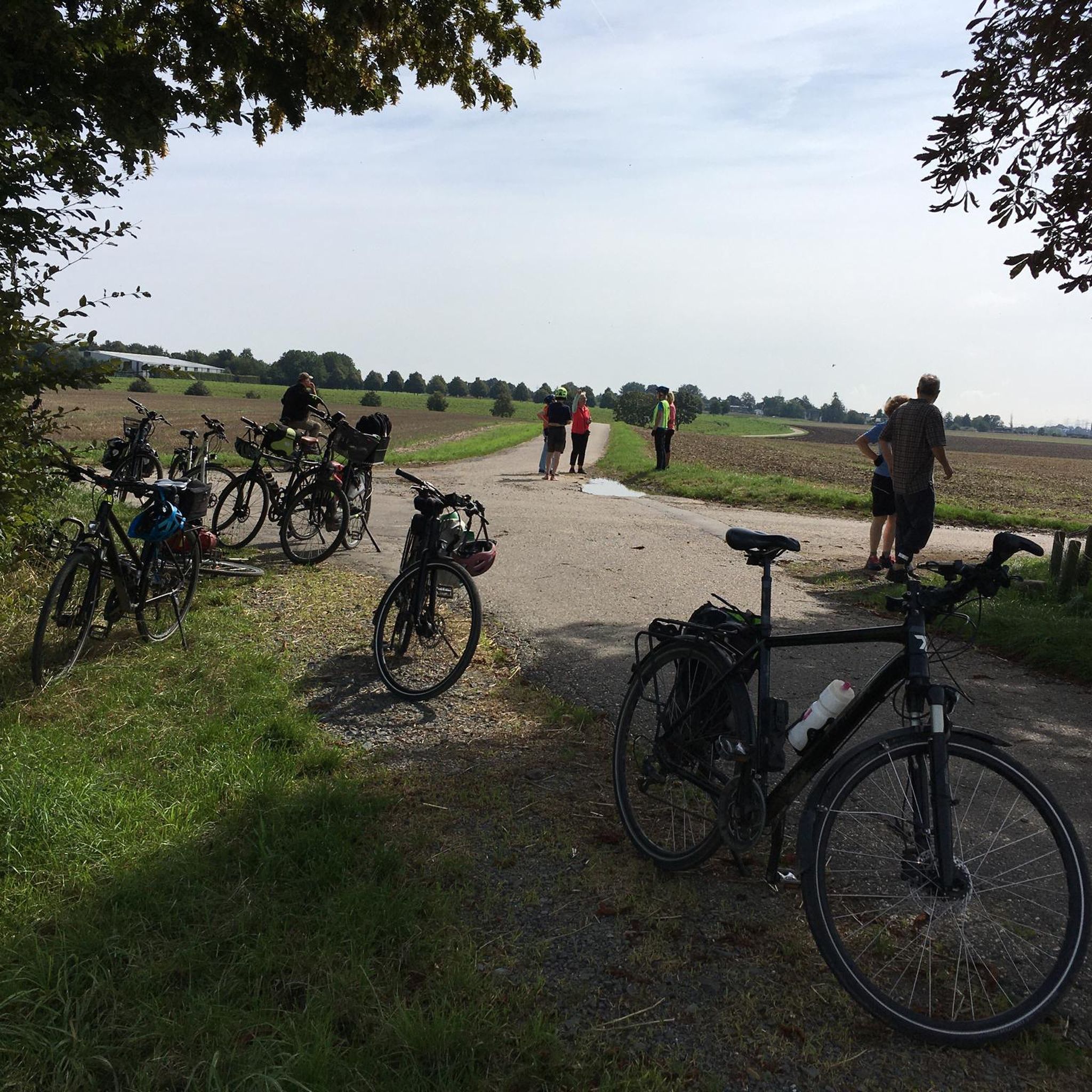
Easy to miss it, have been cycling past for years. Needed komoot to point it out
0
0

This rock is a glacial erratic. It travelled all the way from Derbyshire in a glacier, at the end of the Ice Age. Oliver Cromwell used it as a podium during an attack on the local church during the English Civil War. Locals say it's the petrified foot of the devil that someone cut it off with a sword. They call it the Solbury Boot. It sits right in the middle of the road.
0
0

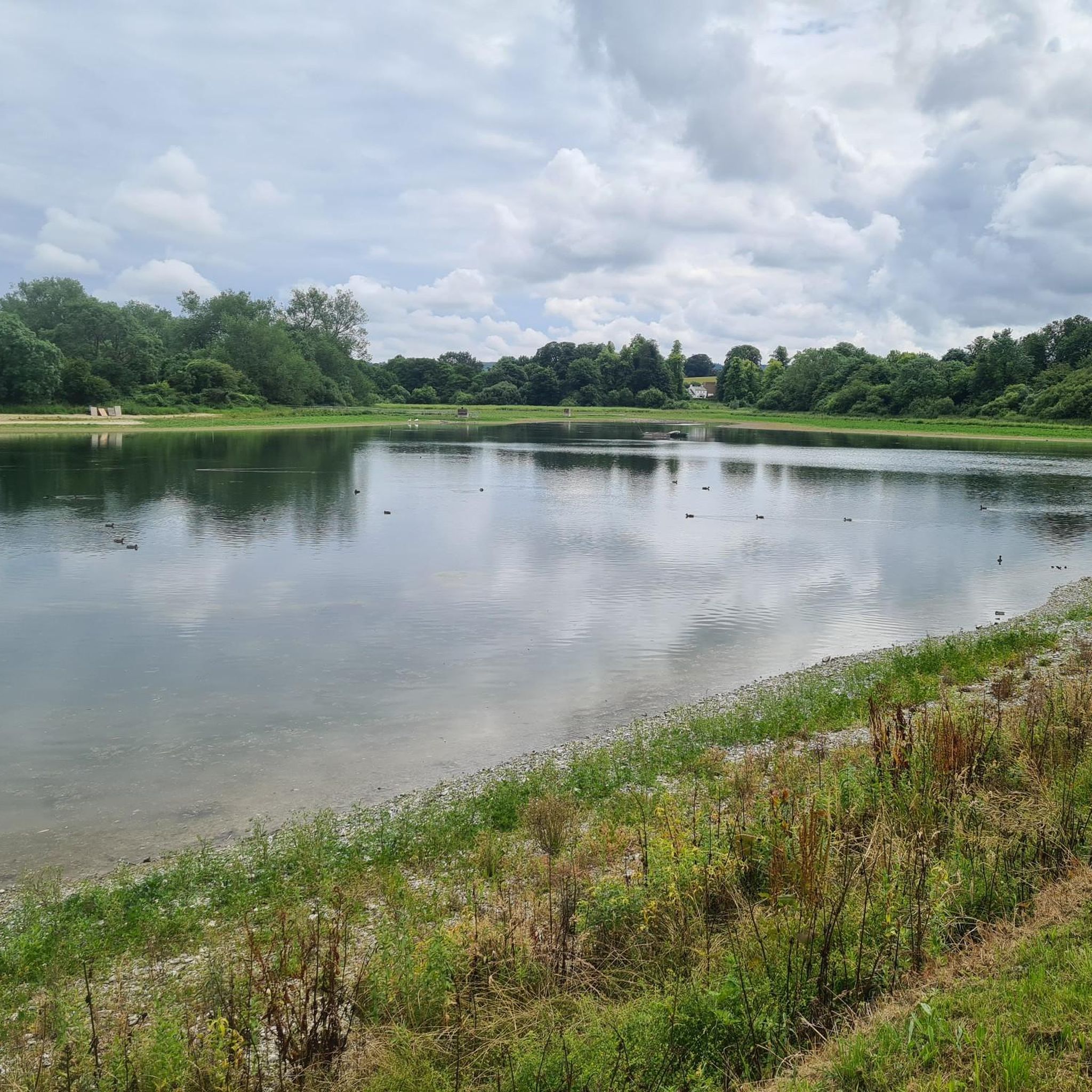
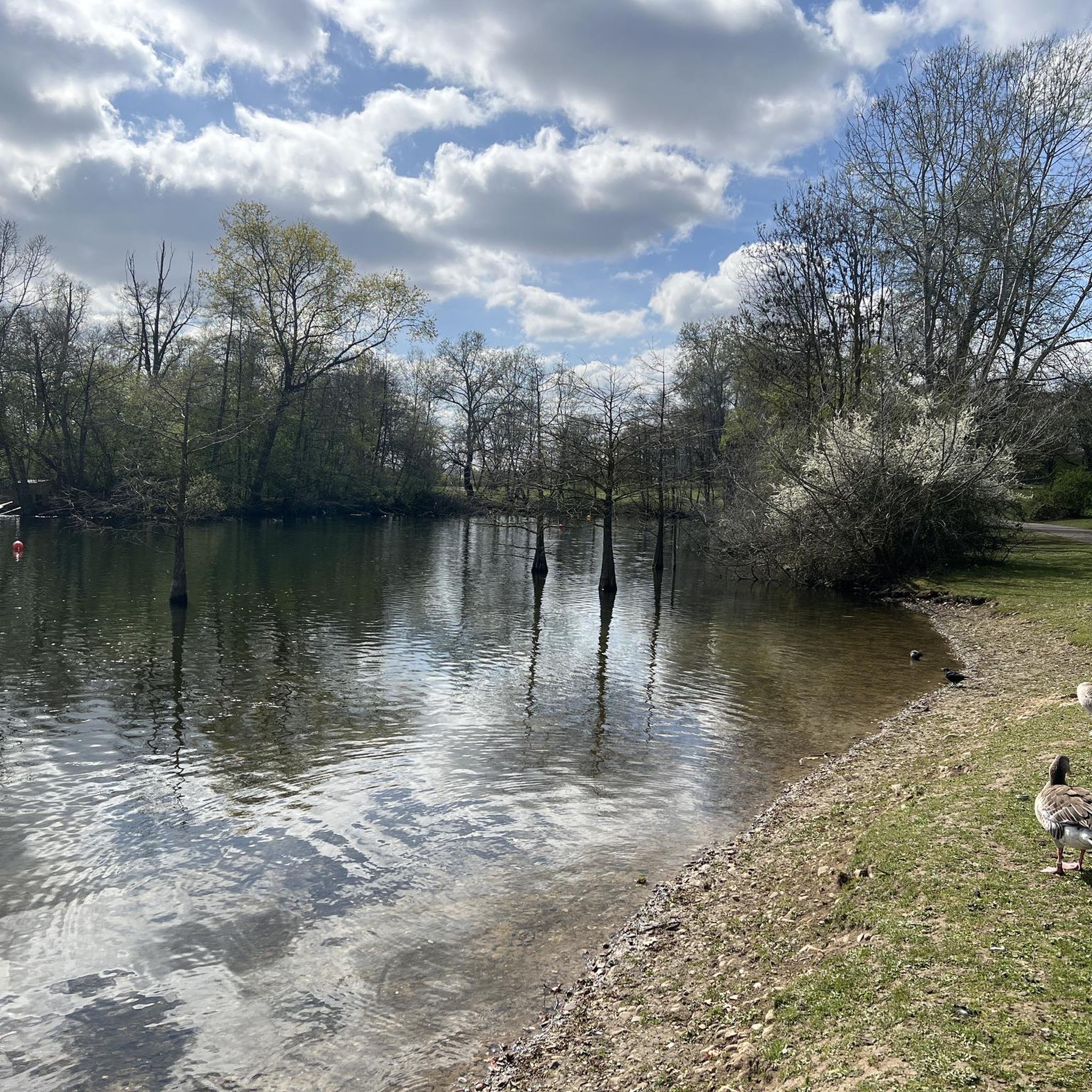
Tring Reservoirs Nature Reserve comprises four individual reservoirs: Startop's End, Marsworth and Tringford reservoirs are all close together and Wilstone reservoir is a short distance to the west. The reservoirs are home to a variety of wildlife and their reedbeds, wet woodland and open water habitats are a natural stronghold for birds. During colder months, you can find a large number of wintering wildfowl across all four reservoirs, including tufted duck, pochard, teal, gadwall, wigeon and shoveler with occasional goldeneye, goosander and smew if it is very cold. Wilstone Reservoir boasts the rare mudwort plant that can be spotted on the mudflats during autumn months as the waters recede. The site attracts breeding common terns which use rafts the Trust has installed and breeding oystercatchers have been recorded here. Between December and February, Marsworth Reservoir is a great place to see overwintering bitterns, as this site has a fantastic reedbed that retains its water to allow the birds to feed throughout the season. There is a heronry on the bank of Wilstone Reservoir and if you take binoculars you should be able to catch a glimpse of these usually solitary birds in large numbers. If you visit the reservoirs during late spring then you may spot a hobby hunting over the water. The hobby is an African migrant bird that is best seen on warm summer days at the end of May when there is plenty of prey around. You can also occasionally hear the call of the cuckoo especially from the back of the reedbed at Wilstone or Marsworth where you should also be able to hear and see reed warblers. Tring Reservoirs are a Site of Special Scientific Interest (SSSI) for a number of reasons including their situation on the lower chalk at the foot of the Chilterns escarpment resulting in diverse communities of plants and animals. Additionally, nationally-important numbers of shoveler are present during winter, together with other wildfowl. Large numbers of sedge and reed warblers breed here and Tring Reservoirs are a fantastic place to spot passage waders too.
1
1

Wilstone Reservoir boasts the rare mudwort plant that can be spotted on the mudflats during autumn months as the waters recedes. The site also attracts breeding common terns. There is free parking available.
1
0

View of rare UK birds in the famous birdwatching spot. The reserve is a former chalk quarry in Pitstone and is one of the flagship reserves of the Berkshire, Buckinghamshire and Oxfordshire Wildlife Trust, and it has an information centre, education facilities, a café, toilets and a shop.
0
0

Monument at the Chiltern Summit, Wendover Woods There is a plaque on this stone which reads The Chiltern Summit. This Cairn at a height of 876 ft (267 m) marks the highest point on the Chiltern Hills, and was erected by the Parish Councils of Aston Clinton and Halton, by the Chiltern Society, the Forestry Commission and the Royal Air Force, Halton, to commemorate the Silver Jubilee of Her Majesty Queen Elizabeth the Second in 1977." This Monument is on a short path leading off the All Ability Trail. https://wikishire.co.uk/wiki/Haddington_Hill https://commons.wikimedia.org/wiki/File:Monument_at_the_Chiltern_Summit,_Wendover_Woods_-_geograph.org.uk_-_1192382.jpg
0
0
Frequently Asked Questions
What are some popular natural monuments around Aston Abbotts?
Visitors frequently enjoy the diverse natural beauty of the area. Highlights include the View of College Lake, a former chalk quarry now a nature reserve known for rare UK birds, and Bluebell Wood, Linslade Wood, an ancient woodland famous for its spring bluebell displays. Another popular spot is Haddington Hill Summit, which marks the highest point of the Chiltern Hills.
Where can I observe wildlife near Aston Abbotts?
The region is excellent for wildlife spotting. Wilstone Reservoir, part of the Tring Reservoirs Nature Reserve, is a haven for diverse birdlife, including wintering wildfowl, breeding common terns, and a heronry. Marsworth Reservoir is noted for overwintering Bitterns. Aston Clinton Ragpits, a chalk grassland habitat, is home to over 25 types of butterflies and eight species of orchid, along with slow-worms and grass snakes.
Are there family-friendly natural monuments around Aston Abbotts?
Yes, several natural monuments are suitable for families. View of College Lake offers an information centre, café, and facilities, making it an easy visit. Bluebell Wood, Linslade Wood is a gentle woodland walk, and Wilstone Reservoir provides accessible paths for leisurely strolls and birdwatching.
What outdoor activities can I do near these natural monuments?
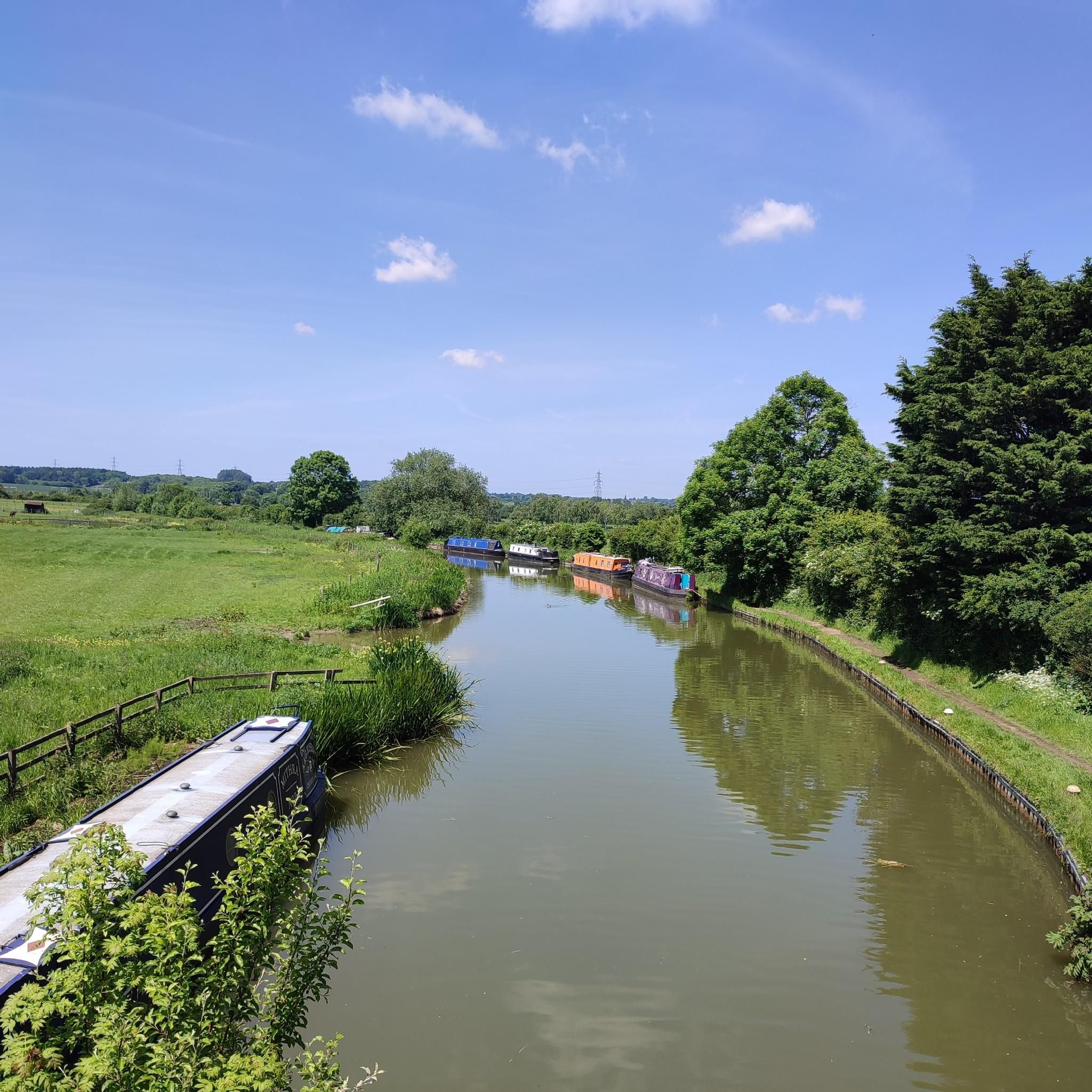
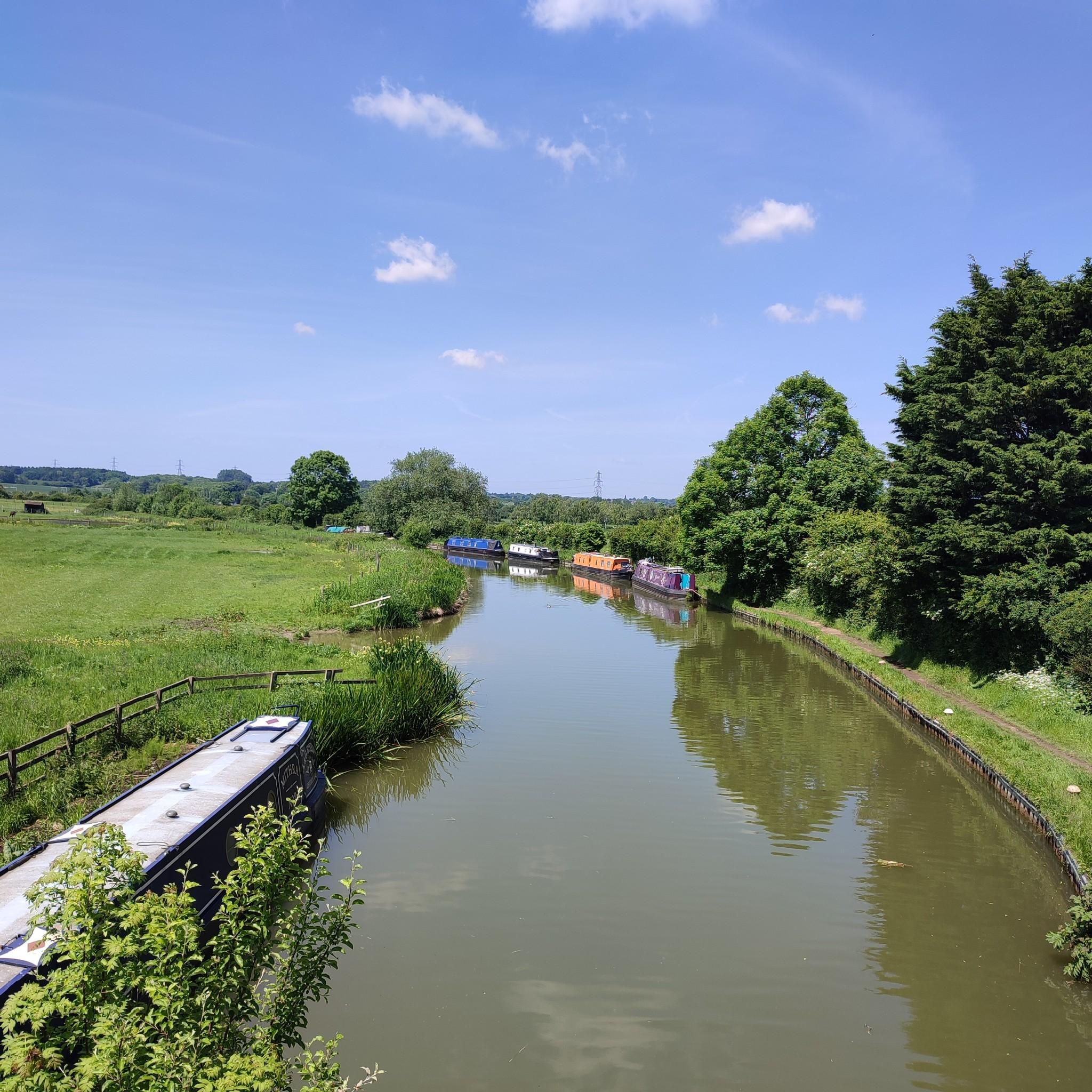
The area offers a variety of outdoor activities. You can enjoy walking and cycling along the Grand Union Canal's towpaths, which connect to the Marsworth Reservoirs. For more structured routes, explore the running trails, cycling routes, or MTB trails available around Aston Abbotts.
Are there any natural monuments with historical significance?
Yes, the Soulbury Boot is a glacial erratic rock with local legends, including its use by Oliver Cromwell. The Grand Union Canal itself is a historical waterway, originally built in the early 19th century, with charming gatekeeper cottages and historic locks that reflect Britain's industrial past.
When is the best time to visit the natural monuments around Aston Abbotts?
The best time depends on what you wish to see. Spring (mid-March to early May) is ideal for witnessing the bluebell displays at Bluebell Wood, Linslade Wood. Summer brings vibrant butterflies and wildflowers to Aston Clinton Ragpits. Autumn is when the rare mudwort plant can be spotted on the mudflats of Wilstone Reservoir, and winter is excellent for observing large numbers of wildfowl and overwintering bitterns at the Tring Reservoirs.
Are there accessible natural monuments around Aston Abbotts?
The Grand Union Canal towpaths and the paths around the Marsworth Reservoirs (including Wilstone Reservoir) are generally well-maintained and suitable for leisurely walks, offering good accessibility. The Soulbury Boot is also noted as wheelchair accessible.
What kind of terrain can I expect at these natural monuments?
The terrain varies across the region. You'll find flat, well-maintained paths along the Grand Union Canal and around the Marsworth Reservoirs. Bluebell Wood, Linslade Wood offers ancient woodland trails. For more challenging routes, Haddington Hill Summit involves an intermediate climb to the high point of the Chiltern Hills. Aston Clinton Ragpits features chalk grassland, which can have uneven surfaces.
Are there facilities like parking or cafes near the natural monuments?
Yes, facilities are available at some locations. View of College Lake has an information centre, café, toilets, and a shop. Free parking is available at Wilstone Reservoir. Along the Grand Union Canal, you may find pubs and cafes in nearby villages.
Can I visit these natural monuments during winter?
Yes, winter offers unique experiences. The Tring Reservoirs, including Wilstone Reservoir and Marsworth Reservoir, are particularly good for birdwatching in colder months, attracting a large number of wintering wildfowl and overwintering bitterns. The canal towpaths are also accessible year-round for peaceful walks.
Where can I see bluebells near Aston Abbotts?
The best place to see bluebells is at Bluebell Wood, Linslade Wood. This ancient woodland is locally renowned for its spectacular bluebell displays from mid-March to early May.
Most popular attractions around Aston Abbotts

Get inspired with the komoot mobile app


Explore more
Extend your search for the best caves by checking out these guides of the top ones around Aston Abbotts:
