Top 16 Natural Monuments around Whiteparish
Natural monuments around Whiteparish offer a diverse landscape at the border of Wiltshire and the New Forest National Park. The area features chalk downlands, ancient woodlands, and river meadows. These natural features provide opportunities for exploring varied ecosystems and historical landmarks.
Best natural monuments around Whiteparish
- The most popular natural monuments is Rufus Stone, a historical site and natural monument that marks the spot where King William II was fatally wounded. It serves as a reminder of the New…
Last updated: July 1, 2026
The New Forest
Highlight • Historical Site
Tip by

Telegraph Hill
Highlight • Historical Site
Tip by

Sign up now to discover places like this
Get recommendations on the best single tracks, peaks, & plenty of other exciting outdoor places.
Sign up for free
Rufus Stone
Highlight • Historical Site
Tip by

Langley Nature Reserve
Highlight • Natural Monument
The …
Tip by

Abbots Well
Highlight • Historical Site
Tip by

Sign up for free to discover even more natural monuments around Whiteparish.
Sign up for free
Already have an account?
Start today with a free account
Your next adventure awaits.
Login or Signup
Tips from the Community

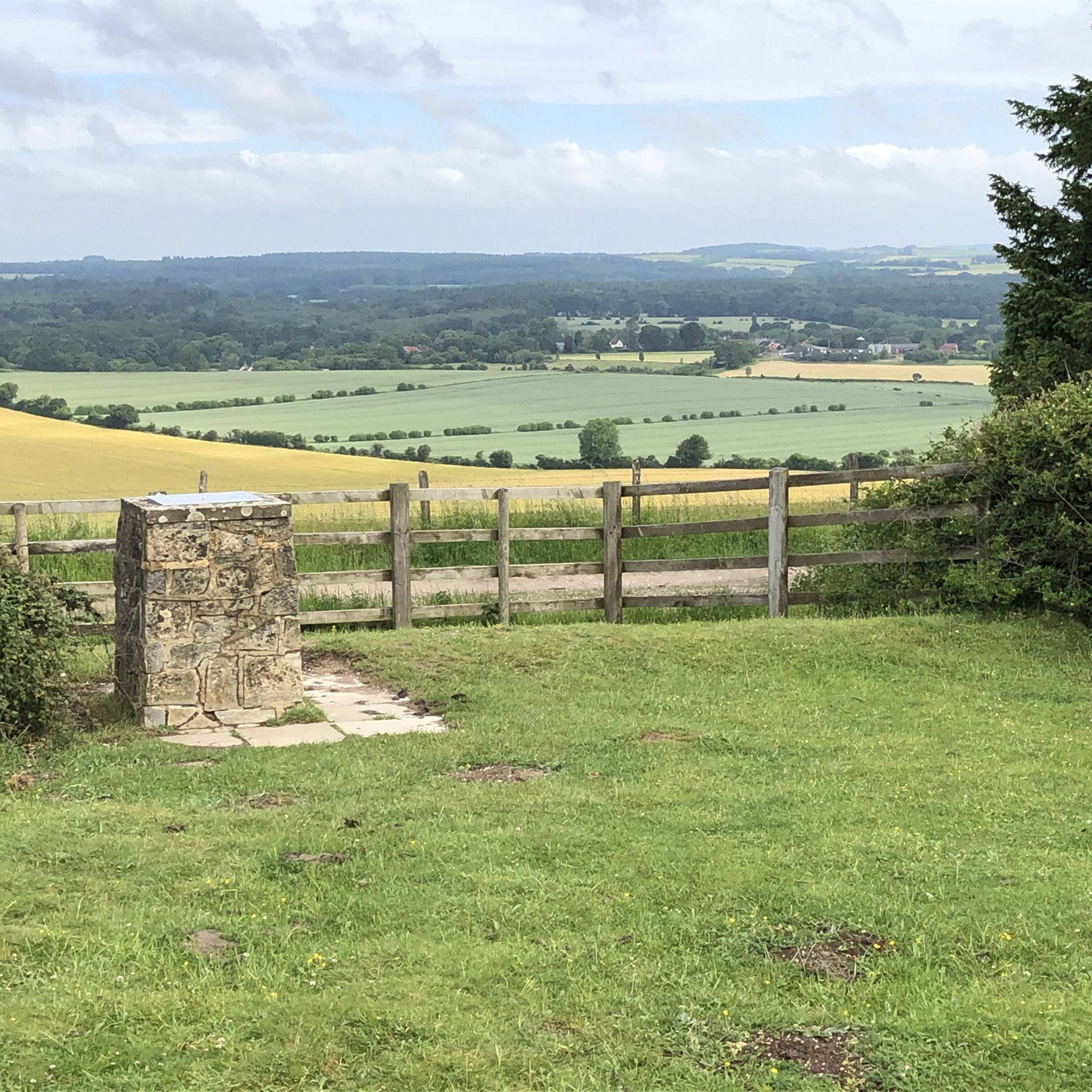
Napoleonic Era: During the early 19th century, the site housed a wooden optical shutter signal station. It was part of a line connecting Plymouth with the Admiralty in London, capable of passing messages in under 20 minutes. Thats google telling me
0
0

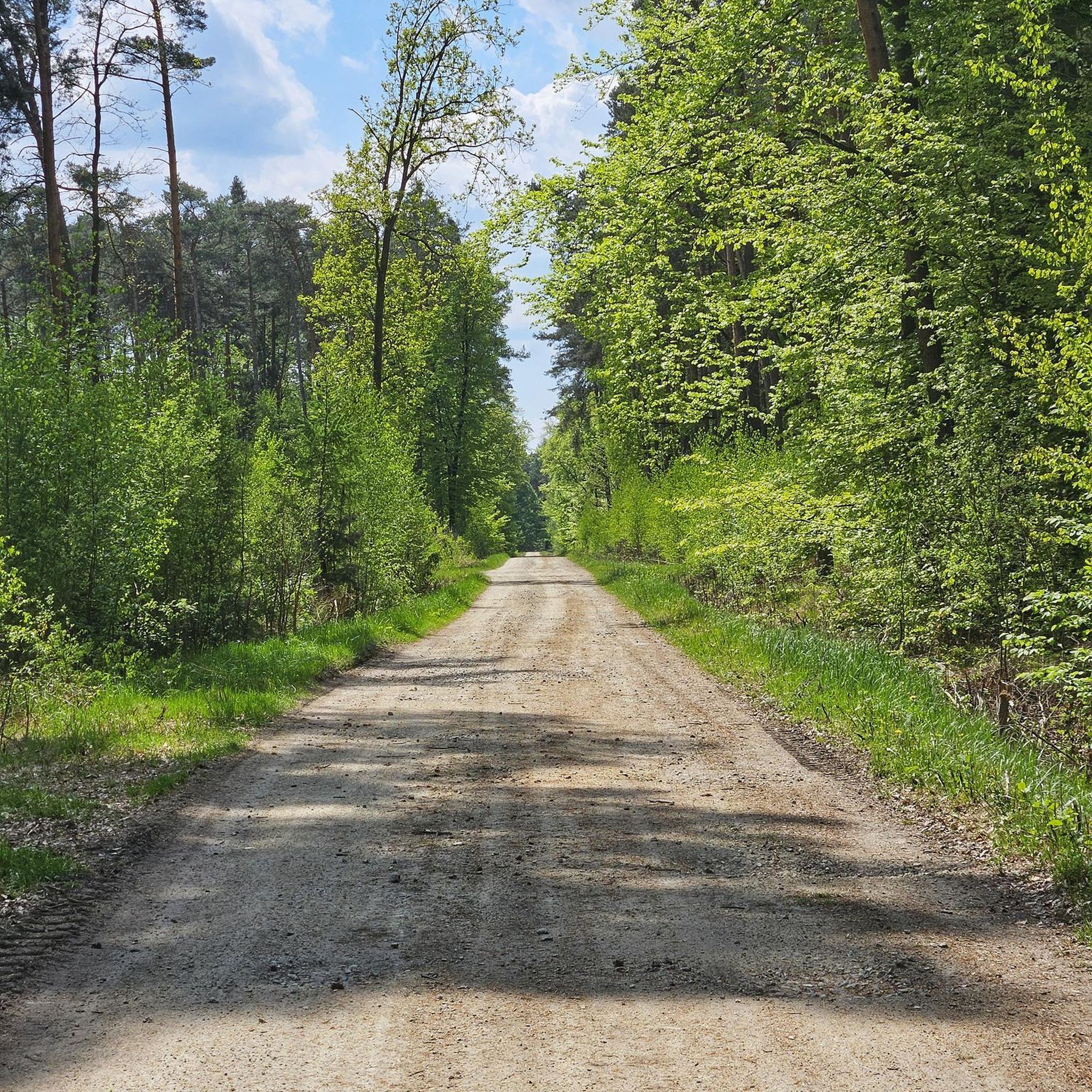
Sorry I really don't like the Rodger Penny Way, as a local I try not to ride it anymore.. I'd go through Woodgreen, Lover, Passed Hampworth Golf Course, No Mans Land... much quieter roads... On the way back most of my routes go into Ringwood... and through the forest from there (I live near Lyndhurst)
0
0

The nature reserve was part of a group of Royal Forests until the 16th century when, unlike the New Forest, they declined and reverted to farmland and landscaped parks. The reserve's ancient woodlands have a long history of management and would have provided local people with a valuable source of timber, wood fuel, forage for pigs (known as pannage) and grazing for livestock. Coppicing was particularly important, and as you walk through the reserve look for old banks and ditches that mark the boundary of coppice enclosures. Coppicing is the method of cutting trees such as hazel or oak to ground level on a regular cycle. This produces fast-growing shoots for fodder, firewood and making charcoal.
1
0

Abbots Well was formerly known as Alleynewell within the ancient boundaries of the New Forest when defined during the reign of King Edward I (1272-1307). This perpetual spring was, for centuries, the main watering place for travellers on the old road to Southampton. Theoretically the chamber on the left is for forest fauna and under the wooden flap on the right water intended for human consumption. I’m not sure I’d drink from it though - make your own mind up!!!
2
0

The Rufus Stone stands in the spot where King William II, also known as Rufus, was fatally wounded by an arrow during a hunting outing in the forest during medieval times.
4
0

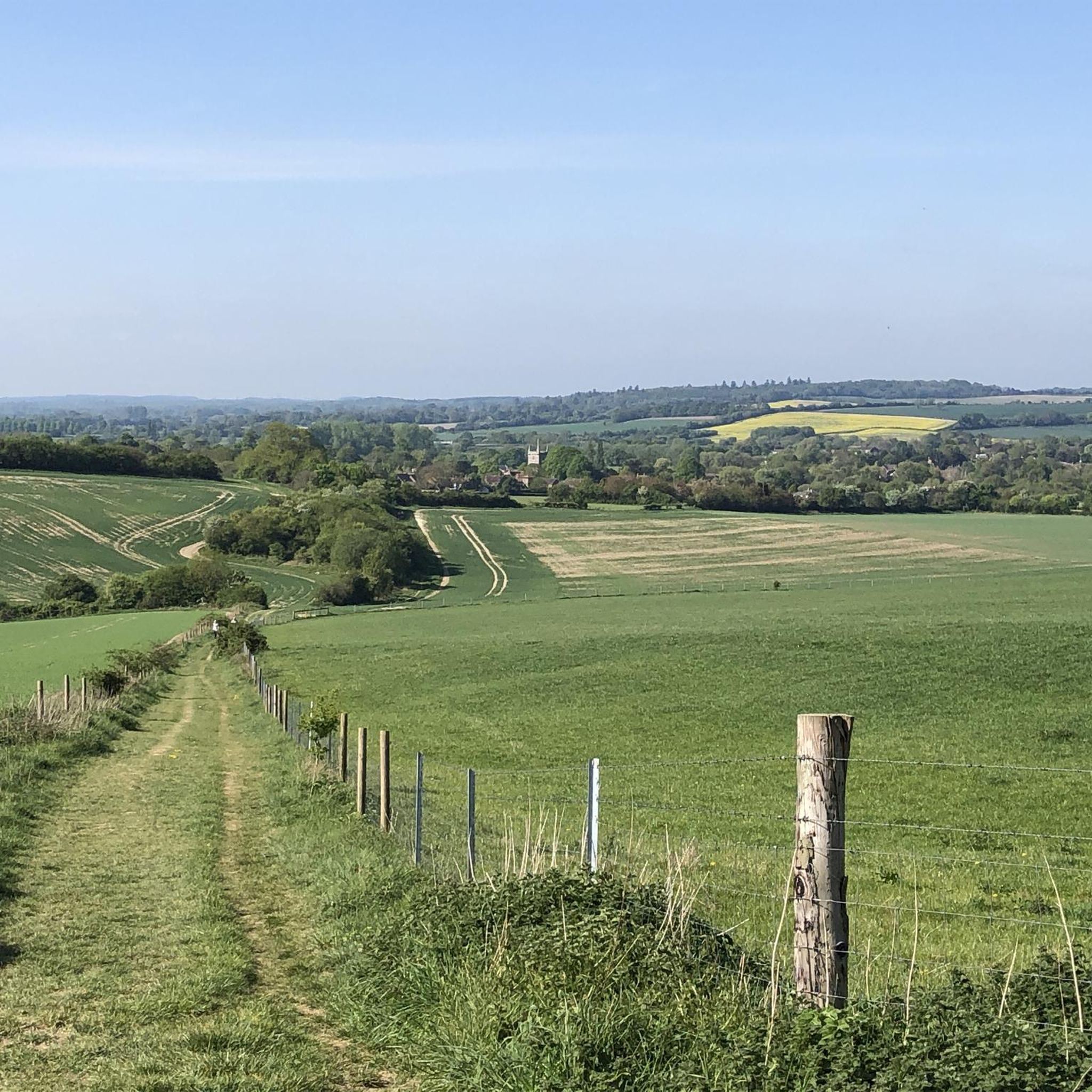
The name, Telegraph Hill, was given to this spot after it was used as a semaphore station from 1795. Before then, it was called Plowed Garlic Hill. No sign of either exist today, but it has a place in history as one of the semaphore station used to communicate the victory at Waterloo.
0
0

The place where Sir Walter Tyrrell killed King William II. by accident with an artow during a hunt.
0
0

Here stands the strongest reminder of the origin of the New Forest. The Rufus Stone is an iron-clad landmark marking the spot where King William II was killed with an arrow. It happened in 1100 AD during a royal hunting outing in the Forest.
0
0
Frequently Asked Questions
What are some popular natural monuments to visit around Whiteparish?
Visitors often enjoy exploring The New Forest, a vast area of unenclosed pasture land, heathland, and forest. Another significant site is Rufus Stone, which marks a historical event within the New Forest. For a peaceful woodland experience, RSPB Franchises Wood offers 1,000 acres of woodland with heath and rare plants.
Are there family-friendly natural monuments around Whiteparish?
Yes, several natural monuments are suitable for families. The New Forest is excellent for family outings, with its open spaces and roaming ponies. The historical Rufus Stone and the tranquil Langley Nature Reserve are also great choices for families looking to connect with nature and history.
What kind of natural features can I expect to see in the Whiteparish area?
The Whiteparish area is characterized by diverse natural features. You'll find rolling chalk downlands like Pepperbox Hill and Dean Hill, ancient woodlands such as Langley Wood and Bentley Wood, and scenic river meadows along the River Avon. The proximity to The New Forest also means access to extensive heathland and forest environments.
Where can I find good viewpoints of the Whiteparish countryside?
Pepperbox Hill offers panoramic views across the region from its distinctive chalk downland. Dean Hill also provides enjoyable vistas of the wider countryside and local woodlands, making both excellent spots for scenic overlooks.
What historical natural sites are there near Whiteparish?
Beyond the natural beauty, the area holds significant historical natural sites. Rufus Stone marks the spot where King William II was fatally wounded in 1100 AD, a key event in the history of The New Forest. Additionally, Abbots Well is an ancient perpetual spring, first recorded in 1215, that served as a watering place for travelers.
Are there hiking trails near the natural monuments around Whiteparish?
Yes, there are numerous hiking opportunities. For easy walks, you can explore routes like the Langley Wood loop or the Ashmore Pond – Dean Hill loop. More challenging options include the Avon Valley Path: Downton Loop. You can find detailed routes and guides for hiking in the area on the Hiking around Whiteparish page.
What are some easy walks around Whiteparish's natural monuments?
For easier walks, consider the Langley Wood loop from Cole's Copse (3.2 km) or the Langley Wood loop from Redlynch (3.8 km). The Cuckoo Inn – Langley Nature Reserve loop from Landford (5.9 km) is another accessible option. These routes are detailed on the Easy hikes around Whiteparish guide.
Where can I go for wildlife spotting near Whiteparish?
Bentley Wood is particularly renowned for its diverse butterfly population, including rarer species like the Duke of Burgundy and purple emperor. The River Avon and its water meadows are excellent for birdwatching, with opportunities to spot kingfishers. The New Forest is also a haven for wildlife, with its famous ponies, cattle, and pigs roaming freely.
Is there parking available at natural monuments like Pepperbox Hill?
Yes, a car park is available near the folly at Pepperbox Hill, serving as a convenient starting point for several popular walking loops in the area.
What do visitors enjoy most about the natural monuments around Whiteparish?
Visitors appreciate the blend of natural beauty and historical significance. Many enjoy the expansive views from chalk downlands, the tranquility of ancient woodlands like Langley Nature Reserve, and the unique experience of seeing the wild ponies and diverse wildlife in The New Forest. The historical context of sites like Rufus Stone also adds to the appeal.
Are there any hidden natural gems near Whiteparish worth exploring?
While not always formally designated, areas like Whiteparish Common offer local woodland walks and a direct connection with nature within the village's immediate vicinity. Exploring the less-trafficked paths within Bentley Wood can also reveal peaceful spots and unique biodiversity, especially for butterfly enthusiasts.
What is the best time of year to visit the natural monuments around Whiteparish?
Spring and summer are ideal for experiencing the vibrant biodiversity, especially for butterfly spotting in Bentley Wood and enjoying the lush river meadows. Autumn offers beautiful foliage in the ancient woodlands. The chalk downlands and open spaces are enjoyable year-round, though weather considerations are important for winter walks.
Are the trails around Whiteparish's natural monuments dog-friendly?
Many of the trails and natural areas around Whiteparish are dog-friendly, including Pepperbox Hill and the various woodlands. However, it's always advisable to keep dogs under control, especially in areas with livestock or sensitive wildlife, and to check for specific local regulations or signage, particularly within nature reserves like RSPB Franchises Wood or parts of The New Forest.
Most popular routes around Whiteparish
Most popular attractions around Whiteparish

Get inspired with the komoot mobile app


Explore more
Extend your search for the best caves by checking out these guides of the top ones around Whiteparish:
