Top 5 Natural Monuments around Ham
Best natural monuments around Ham are characterized by diverse landscapes, including rolling hills, ancient woodlands, and historical geological formations. The region offers a mix of natural viewpoints and sites with significant historical and ecological value. These areas provide opportunities to explore varied terrain and observe natural features.
Best natural monuments around Ham
- The most popular natural monuments is View of North Wessex Downs, a natural monument that offers extensive views over rolling hills. It provides a vantage point to…
Last updated: October 17, 2026
Ailesbury Column
Highlight • Historical Site
Tip by

Devil’s Waistcoat (Kenward Stone)
Highlight • Historical Site
Tip by

Sign up now to discover places like this
Get recommendations on the best single tracks, peaks, & plenty of other exciting outdoor places.
Fosbury Hill Fort
Highlight • Historical Site
Tip by
View of North Wessex Downs
Highlight • Natural Monument
Tip by

View of the Wiltshire Downs
Highlight • Natural Monument
Tip by

Start today with a free account
Your next adventure awaits.
Tips from the Community

• Construction Period: Fosbury Hillfort was likely constructed during the Middle Iron Age, probably by the Atrebates tribes. • Occupation: It is generally considered a center of permanent occupation during the Iron Age, from around the 6th century BC to the mid-1st century AD. • Purpose: Hillforts like Fosbury were built for protection and sanctuary, reflecting power struggles and increasing warfare during the Iron Age. They often served as centers for settlement, trade, and industrial activity.
0
0
• Internal Features: Within the camp, there are two natural ponds, believed to be original features, with one reputedly "never run dry." The interior also contains visible field terraces and evidence of storage pits, suggesting an agricultural community. An enigmatic 40ft diameter turf circle is also present, with its purpose debated (possibly a WWII feature or something older). • Ancient Trees: The site is home to ancient oak and beech trees, some with root systems encompassing the banks.
0
0
• Situated in eastern Wiltshire, south of the village of Fosbury, near Marlborough and Hungerford. • Rests on Knolls Down, at a height of 254m AOD (slightly below the summit of Haydown Hill at 258m AOD). • Excellently defended to the south, southwest, and east due to steeply sloped terrain. • To the north, the land is less steep and is largely bounded by Oakhill Wood. • Easily accessible by public footpaths. • Bivallate Defenses: The hillfort is characterized by two concentric lines of earthworks (ramparts and ditches), though it is believed to have never been fully completed. These defenses are particularly impressive on the southwestern arc, offering views into the Hippenscombe valley. • Size: It is an oval-shaped site, covering approximately 26 acres (11 hectares). • Entrances: The main entrance is located on the eastern side, featuring "inturned parallel banks." There's also a "north gate" accessible through Oakhill Wood.
0
0

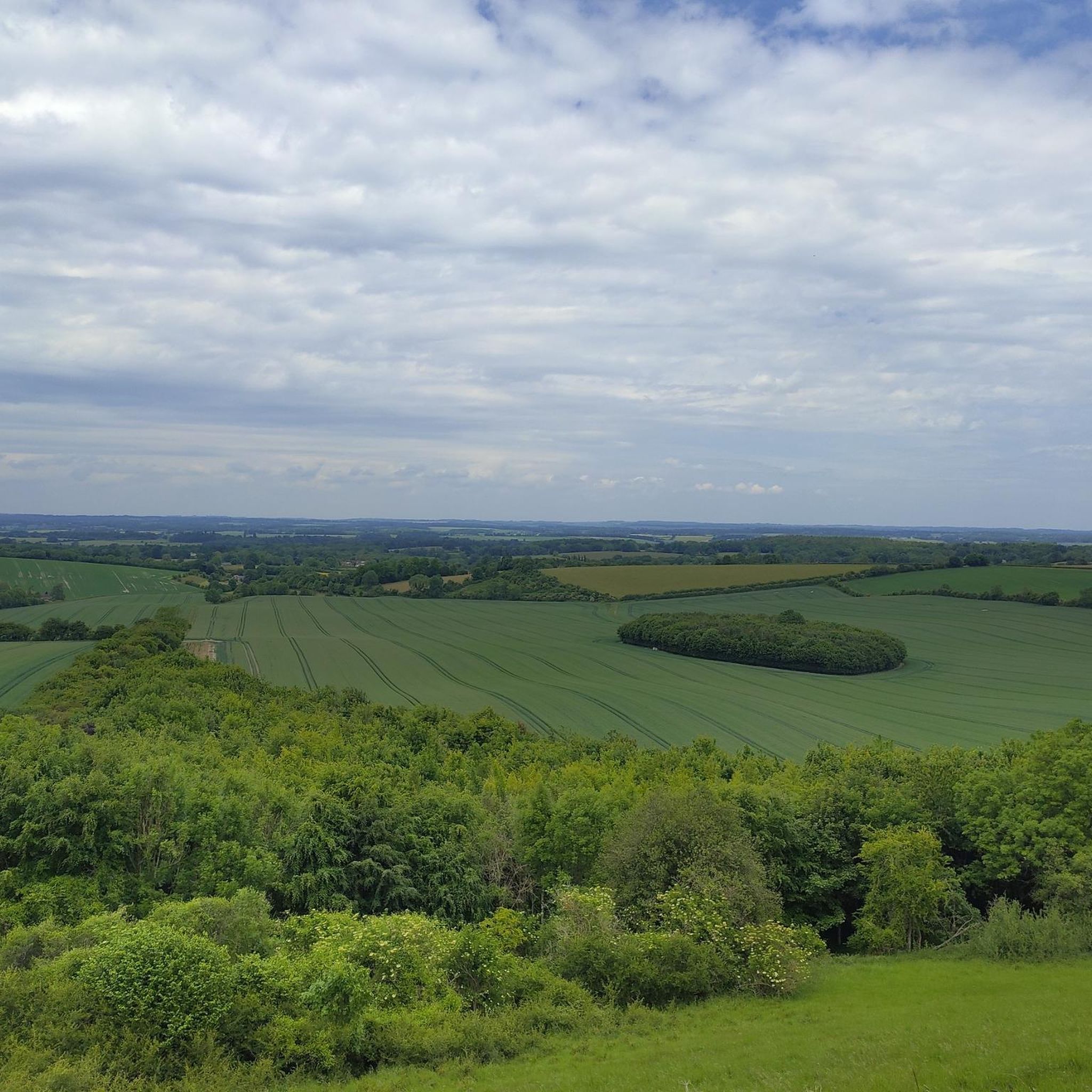
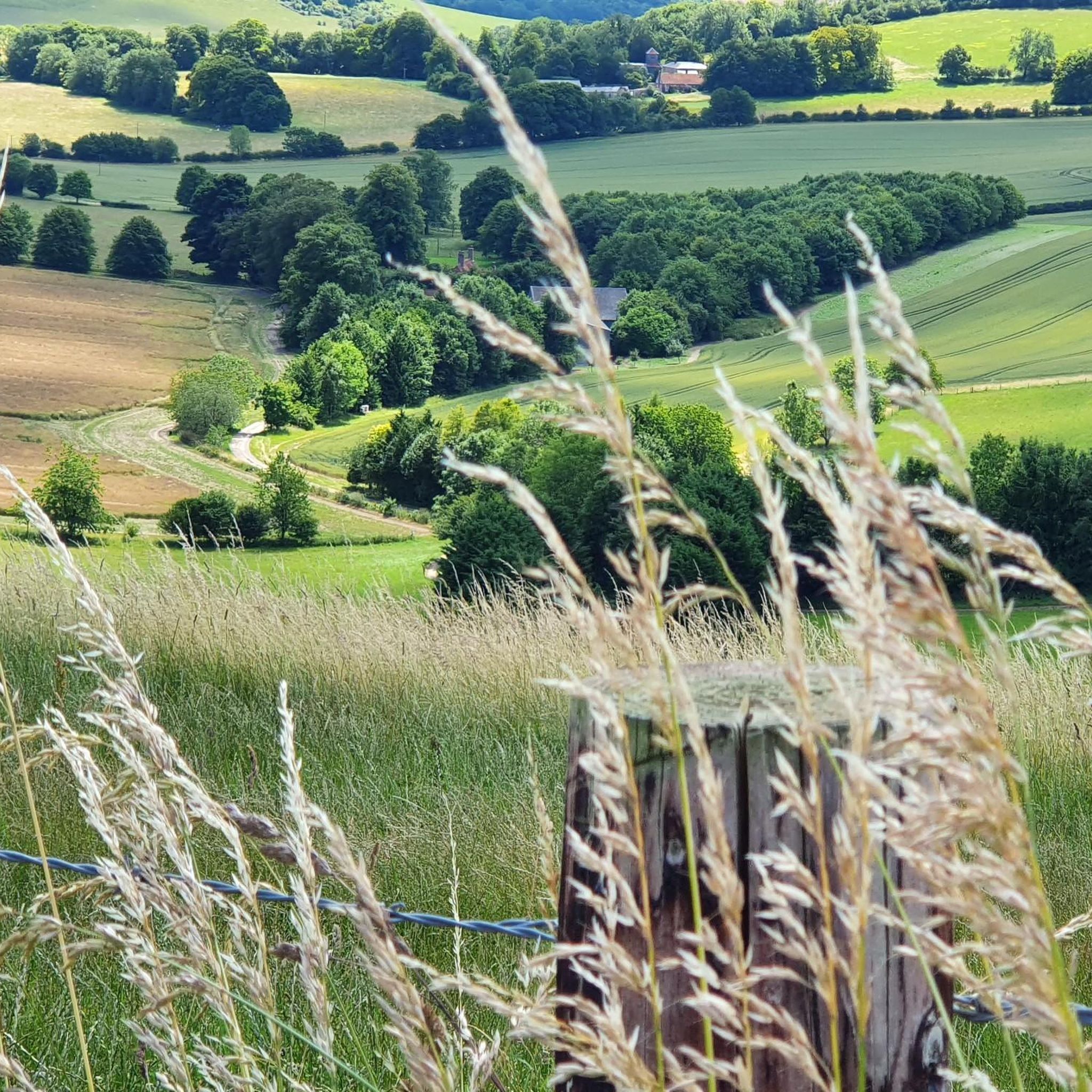
This is an excellent vantage point to enjoy extensive views over the lush rolling hills of England's North Wessex Downs.
1
0

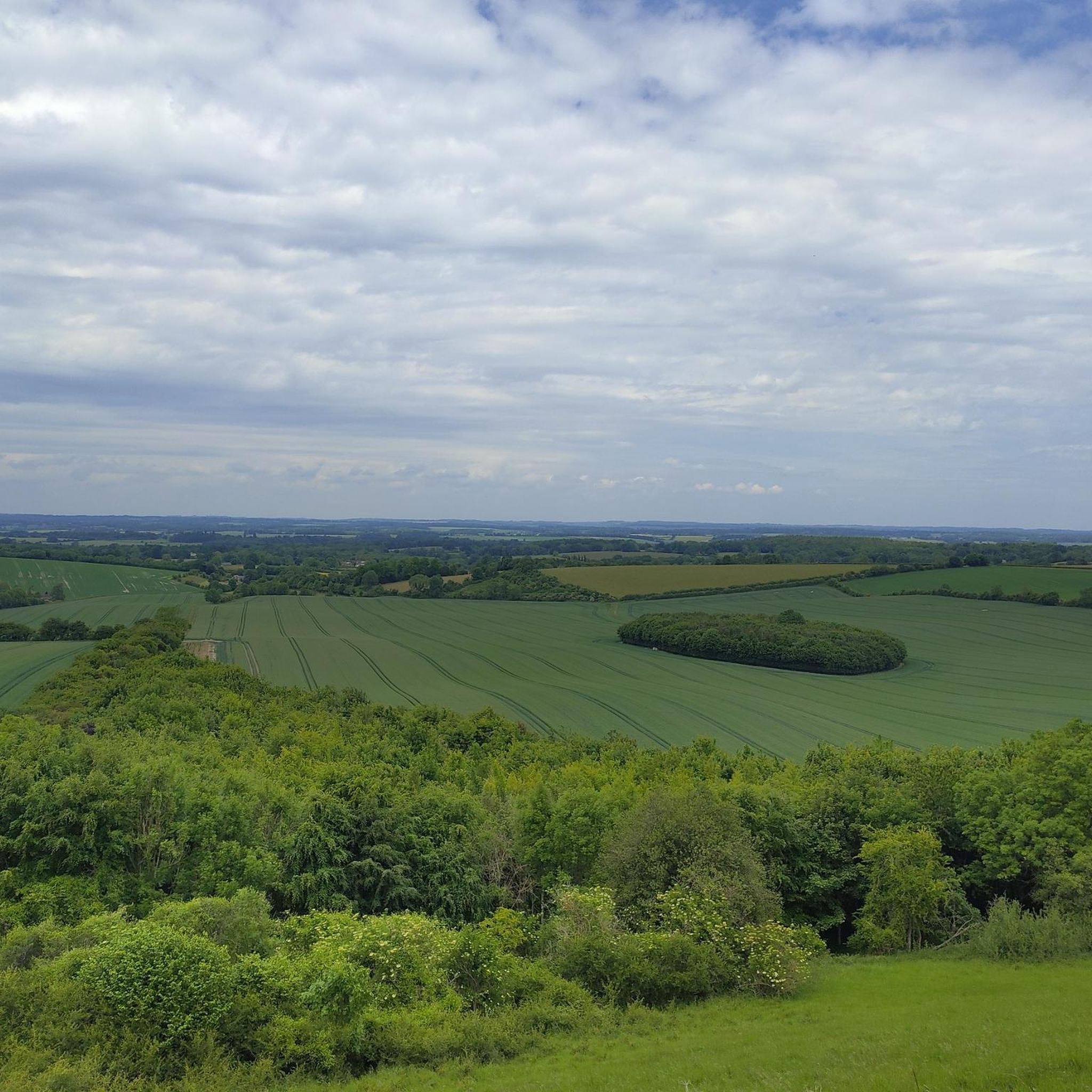
After the stabby 17%er out of Ramsbury the views are lovely looking East and South over the Wiltshire downs
0
0

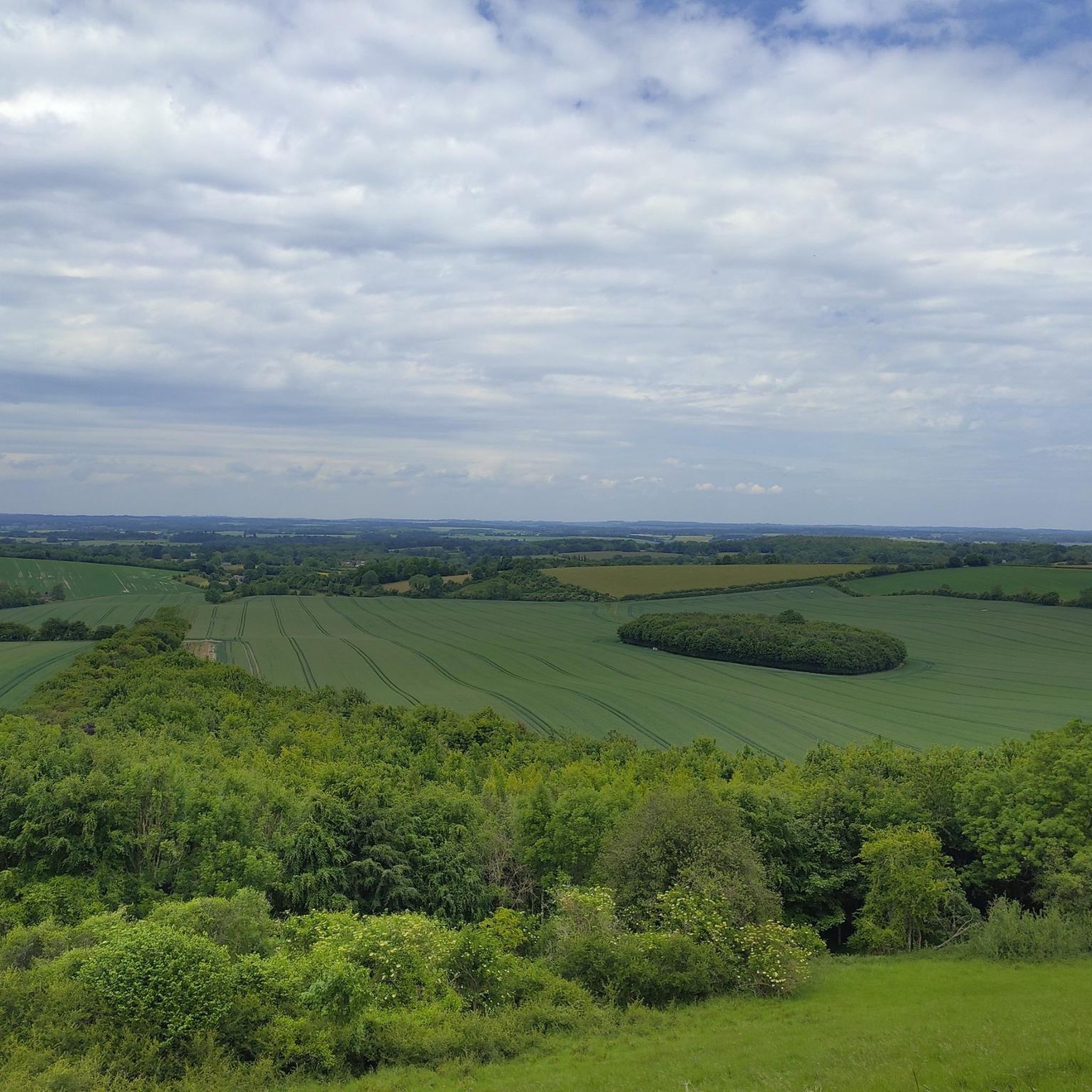
Fosbury hill fort with panoramic view especially over Chute Causeway
0
0
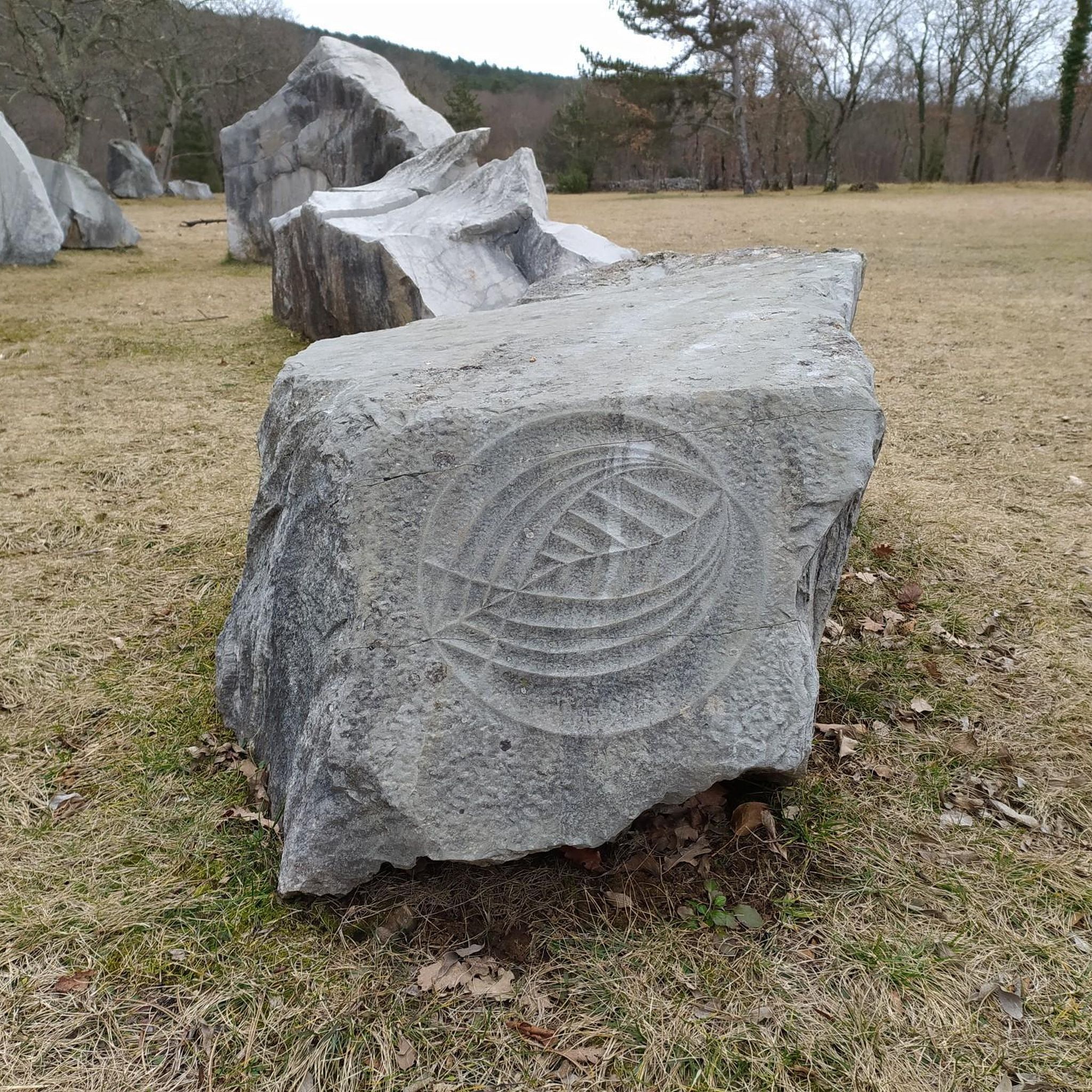
Step off the road and look in the bottom of the shallow depression. Here you will find this mysterious stone. Definitely worth a visit if only to learn about its history and folklore. Also the views from Chute Causeway are superb.
0
0

Erected in 1781, the Ailesbury Column is a defining feature of Savernake Forest. The column was built by Thomas Bruce Earl to thank his uncle for leaving him his estates. The singular column is made from limestone, with a bronze urn at its top.
1
0
Frequently Asked Questions
What types of natural monuments can I explore around Ham?
The area around Ham offers a diverse range of natural monuments, including expansive viewpoints over rolling hills like the View of North Wessex Downs and the View of the Wiltshire Downs. You can also find historical sites with natural features, such as ancient earthworks and unique geological formations.
Are there any historical natural monuments in the Ham region?
Yes, the region features several historical natural monuments. A notable example is Fosbury Hill Fort, an ancient Iron Age settlement with impressive earthworks, two natural ponds, and ancient trees. Another is the Ailesbury Column, a limestone column erected in 1781 within Savernake Forest, which is a significant man-made monument set in a natural landscape.
What unique geological features can be found near Ham?
Beyond the immediate highlights, the broader region, exemplified by Ham Hill Country Park in Somerset, is known for its geological history spanning 170 million years, characterized by the golden 'Hamstone'. While not directly within the listed highlights for Ham, this gives a sense of the rich geological context of areas named 'Ham' in the UK. You can also find mysterious stones like the Devil’s Waistcoat (Kenward Stone), which has its own history and folklore.
What outdoor activities can I do near these natural monuments?
The natural monuments around Ham are excellent starting points for various outdoor activities. You can find numerous routes for gravel biking, easy hikes, and road cycling. For example, explore the 'Stitchcombe Switchback' for gravel biking or the 'View from Combe Gibbet' for an easy hike. You can find more details and routes on the Gravel biking around Ham, Easy hikes around Ham, and Road Cycling Routes around Ham guide pages.
Are there family-friendly natural monuments around Ham?
Yes, the View of North Wessex Downs is categorized as family-friendly, offering extensive views over rolling hills that can be enjoyed by all ages. Many of the viewpoints and less strenuous trails around historical sites also provide pleasant outings for families.
What are the best times to visit the natural monuments in Ham?
The best time to visit often depends on the activity. Spring and summer offer lush green landscapes and pleasant weather for hiking and cycling. Autumn provides beautiful foliage, especially in wooded areas like Savernake Forest. Views from elevated points like the North Wessex Downs are stunning year-round, though clear days are best for expansive vistas.
Are there designated nature reserves or protected areas near Ham?
While the specific highlights listed are natural monuments, the broader UK region includes significant nature reserves. For instance, Ham Lands Nature Reserve in Richmond, UK, is a 72-hectare site with diverse habitats, and Ham Common Nature Reserve in Poole, Dorset, offers woodlands, a lake, and a beach. These examples illustrate the type of protected natural areas found in 'Ham' locations across the UK, suggesting similar ecological care for the natural monuments in this guide's Ham region.
What kind of views can I expect from the natural monuments?
You can expect breathtaking panoramic views from many of the natural monuments. The View of North Wessex Downs offers extensive vistas over rolling hills, while the View of the Wiltshire Downs provides scenic perspectives of the surrounding landscape. From Fosbury Hill Fort, you can enjoy panoramic views, especially over Chute Causeway.
Can I bring my dog to the natural monuments around Ham?
Many natural areas and trails around Ham are dog-friendly, especially those in open countryside. However, it's always recommended to keep dogs on a lead, particularly near livestock or in nature reserves to protect wildlife. Specific regulations may vary by site, so look for local signage.
What do visitors enjoy most about the natural monuments in Ham?
Visitors particularly enjoy the extensive views and the sense of history. For example, the View of North Wessex Downs is praised as an excellent vantage point. The historical context of sites like Fosbury Hill Fort, with its ancient earthworks and natural ponds, also captivates visitors. The mysterious Devil’s Waistcoat (Kenward Stone) is noted for its history and superb views from Chute Causeway.
Are there any circular walks that include natural monuments?
Yes, many of the hiking and cycling routes in the area are circular and can incorporate natural monuments. For instance, the 'View from Combe Gibbet' loop from Combe is an easy circular hike. You can find more options on the Easy hikes around Ham guide page, which lists several circular routes.
Where can I find accommodation or places to eat near the natural monuments?
While specific establishments are not listed, the towns and villages surrounding the natural monuments, such as Hungerford, Ramsbury, and Kintbury, offer various options for accommodation, cafes, and pubs. These locations serve as convenient bases for exploring the natural beauty of the Ham region.
Most popular attractions around Ham

Get inspired with the komoot mobile app


Explore more
Extend your search for the best caves by checking out these guides of the top ones around Ham:
