Top 20 Natural Monuments around Aldbourne
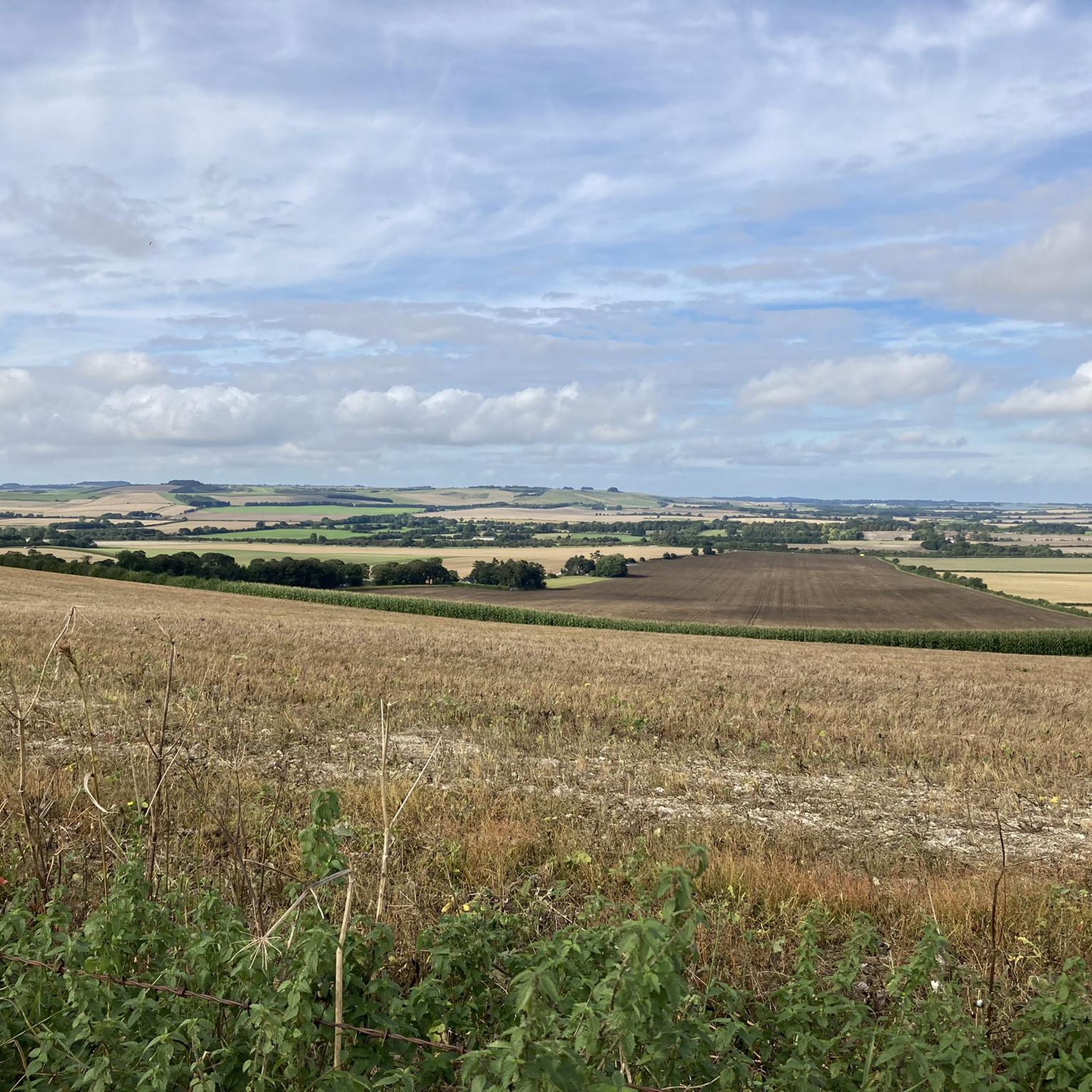
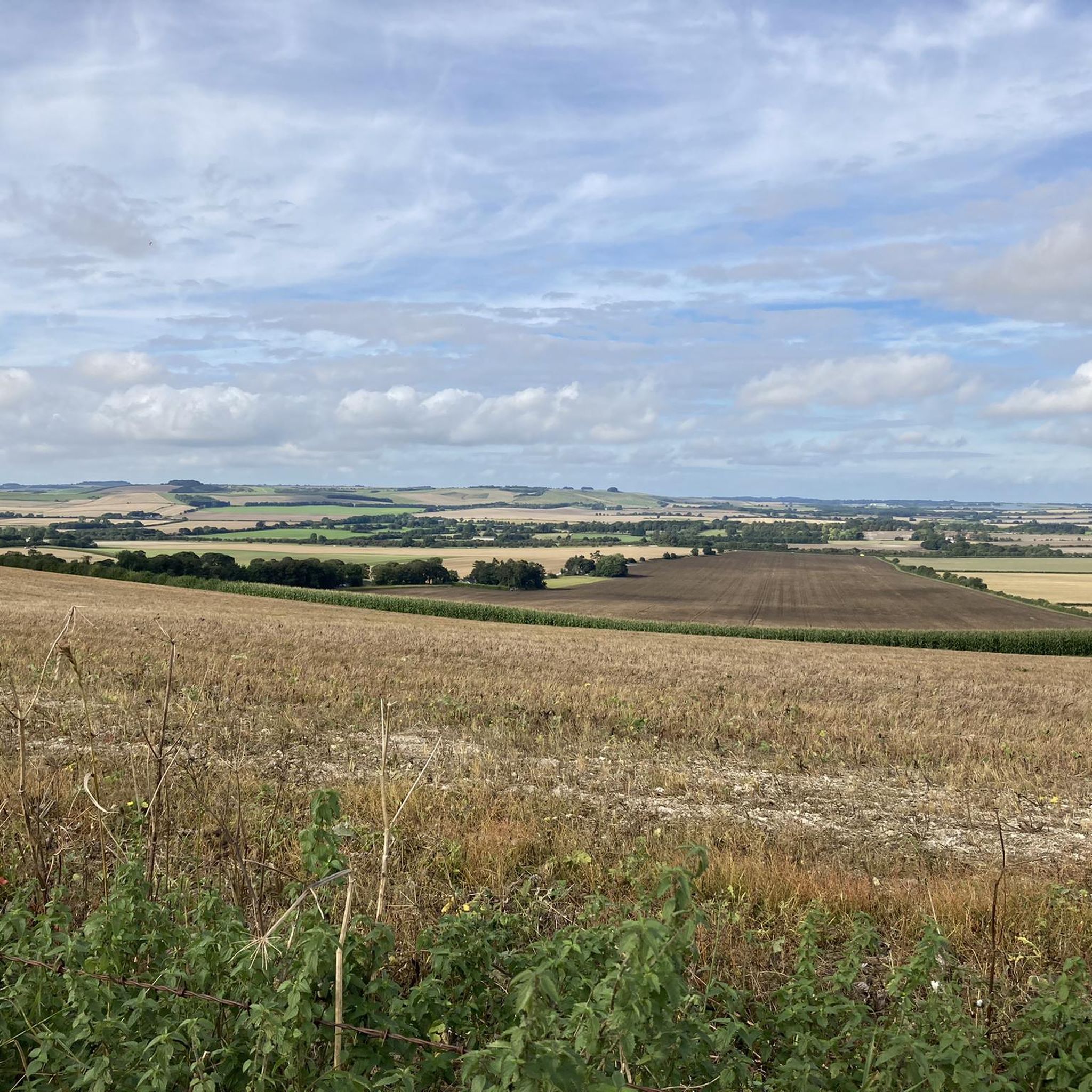
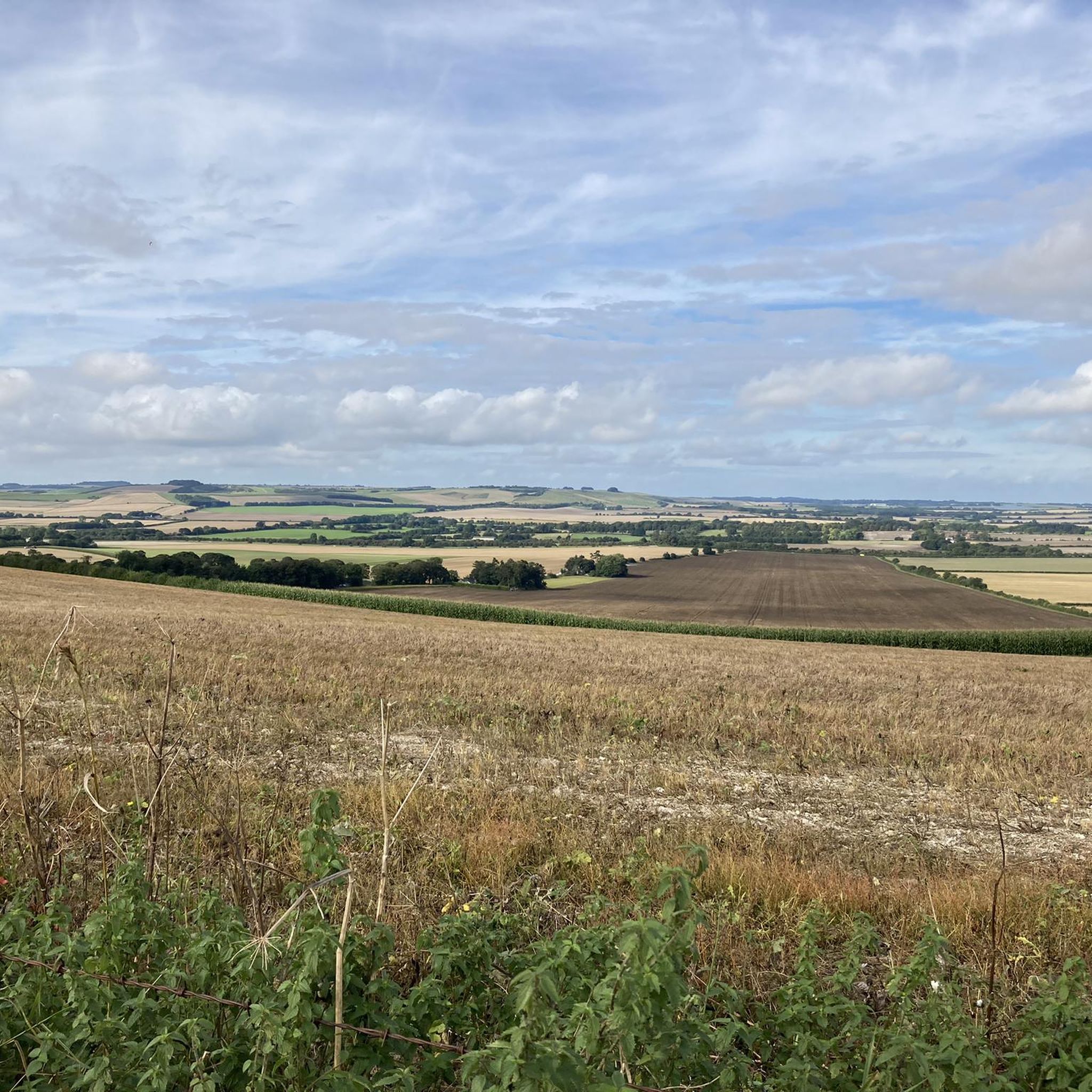
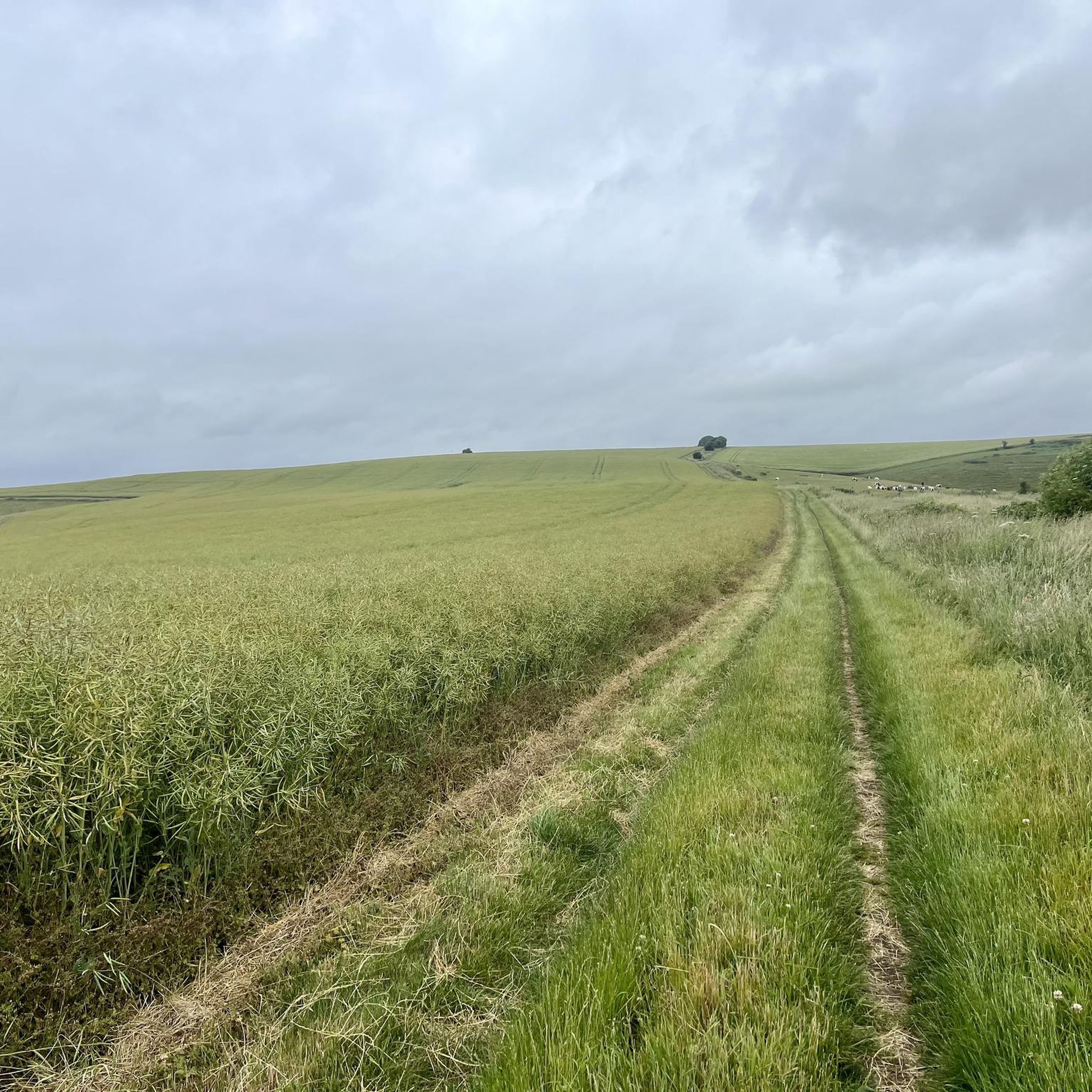
Best natural monuments around Aldbourne are found within the picturesque Marlborough Downs, part of the North Wessex Downs Area of Outstanding Natural Beauty. This region features a variety of natural and ancient monuments, offering insights into its historical significance and scenic beauty. The landscape is characterized by rolling chalk downland, ancient burial mounds, and unique geological formations. Aldbourne itself is situated at the junction of several valleys, influencing its natural features.
Best natural monuments around Aldbourne
- The most popular natural…
Last updated: May 19, 2026
Uffington White Horse
Highlight • Monument
Tip by

Uffington Castle Hillfort
Highlight • Summit
Tip by

Sign up now to discover places like this
Get recommendations on the best single tracks, peaks, & plenty of other exciting outdoor places.
Sign up for free
Wayland's Smithy Long Barrow
Highlight • Historical Site
Tip by
Devil's Den Dolmen
Highlight • Historical Site
Tip by

Dragon Hill
Highlight • Natural Monument
Translated by Google •
Tip by

Sign up for free to discover even more natural monuments around Aldbourne.
Sign up for free
Already have an account?
Start today with a free account
Your next adventure awaits.
Login or Signup
Tips from the Community

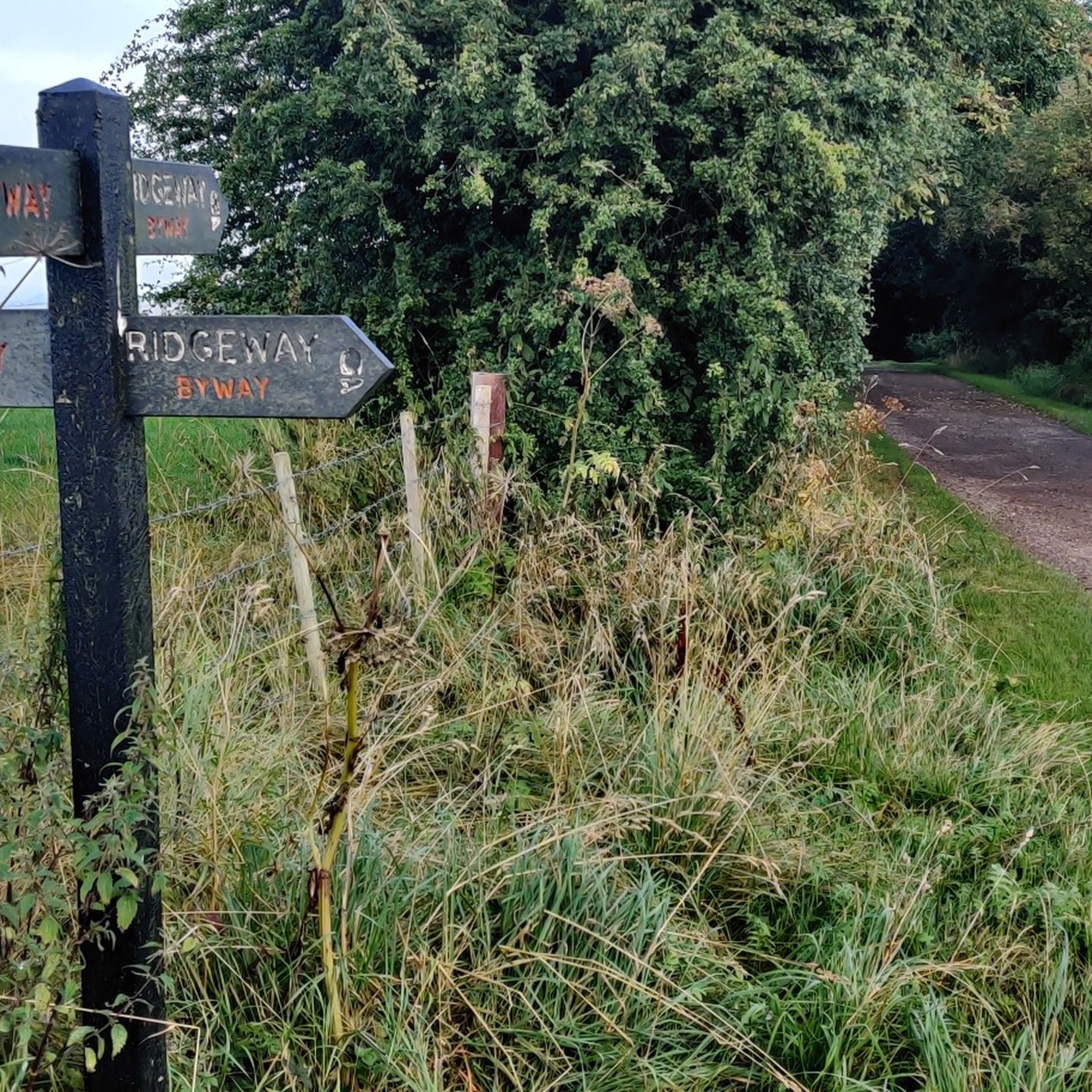
Really inspiring location on the Ridgeway National trail
0
0

Devil's Den stone monument is a Neolithic dolmen (burial chamber) located in Wiltshire, near Marlborough, not Sturminster Newton. The structure features a massive 17-ton capstone resting on two upright sarsen stones. Local folklore claims that if water is poured into the hollows on the capstone, the Devil himself will come during the night to drink it. It was largely reconstructed in 1921 after the chamber collapsed.
0
0

Tip: If you're hiking at White Horse Hill in Uffington, take your time to soak in the ancient history and breathtaking views. The hill is home to the famous Uffington White Horse, a prehistoric chalk figure carved into the hillside over 3,000 years ago. Hike: The trail around the hill offers stunning panoramas of the Vale of White Horse and beyond. You can extend your walk to Dragon Hill, a small flat-topped hill linked to legends of St. George, and even further to Wayland’s Smithy, a Neolithic burial chamber. The open landscape and rolling hills make for a refreshing and scenic hike!
0
0
small, flat-topped hill near White Horse Hill in Uffington, shrouded in myth and legend. One of the most famous stories claims that this is where St. George slew the dragon. The bare patch of chalk at the top is said to be the spot where the dragon’s blood spilled, making the grass unable to grow there. Geologically, the hill is a natural chalk formation, but its unusual shape and connection to local folklore make it a fascinating stop on any hike in the area. From the top, you get a great view of the surrounding countryside, adding to the mystical feel of the place!
0
0
If you're hiking at White Horse Hill in Uffington, take your time to soak in the ancient history and breathtaking views. The hill is home to the famous Uffington White Horse, a prehistoric chalk figure carved into the hillside over 3,000 years ago. The trail around the hill offers stunning panoramas of the Vale of White Horse and beyond. You can extend your walk to Dragon Hill, a small flat-topped hill linked to legends of St. George, and even further to Wayland’s Smithy, a Neolithic burial chamber. The open landscape and rolling hills make for a refreshing and scenic hike!
0
0
If you're hiking at White Horse Hill in Uffington, take your time to soak in the ancient history and breathtaking views. The hill is home to the famous Uffington White Horse, a prehistoric chalk figure carved into the hillside over 3,000 years ago. The trail around the hill offers stunning panoramas of the Vale of White Horse and beyond. You can extend your walk to Dragon Hill, a small flat-topped hill linked to legends of St. George, and even further to Wayland’s Smithy, a Neolithic burial chamber. The open landscape and rolling hills make for a refreshing and scenic hike! Attention - no drones allowed
0
0
If you're hiking near Uffington Castle Hillfort, take a moment to explore the surrounding landscape. The views from the top are incredible, and you're right next to the famous Uffington White Horse. It's a great spot for a break and some amazing photos! Atention - no drones allowed.
0
0
In a field on Fyfield Down, 1 mile east of Marlborough, Wiltshire, stands the prehistoric burial chamber known as The Devil’s Den or Clatford Bottom Stone, a Neolithic monument from 5,000 years ago that is also known as a Dolmen (stone table). Get up here on a clear day, nice and early, and you'll witness the most amazing sunrise.
0
0
Frequently Asked Questions
What types of natural and ancient monuments can I explore around Aldbourne?
The Aldbourne area, situated within the North Wessex Downs AONB, offers a rich variety of natural and ancient monuments. You can discover prehistoric barrows like the Four Barrows, unique geological formations such as sarsen stones, and the seasonal Aldbourne Bourne. Further afield, but still within easy reach, are significant sites like the Neolithic chambered long barrow of Wayland's Smithy Long Barrow and the impressive Devil's Den Dolmen.
Are there any Iron Age sites to visit near Aldbourne?
Yes, the region is home to significant Iron Age sites. A prominent example is Uffington Castle Hillfort, a large Iron Age hillfort located on White Horse Hill. This well-preserved site lies on the ancient Ridgeway, offering a glimpse into Britain's oldest road and prehistoric defenses.
What is the Uffington White Horse and where can I see it?
The Uffington White Horse is a prehistoric hill figure, 110 meters long, formed from deep trenches filled with crushed white chalk. It's considered the oldest chalk-cut hill figure in Britain, dating back over 3,000 years. It's located on the upper slopes of Whitehorse Hill, adjacent to Uffington Castle Hillfort, and offers wide views of the surrounding area from its elevated position.
Are there family-friendly natural monuments or activities in the Aldbourne area?
Many of the natural monuments, especially those with open spaces like the barrows and hillforts, are suitable for family visits, allowing for exploration and walks. Wayland's Smithy Long Barrow is specifically listed as family-friendly. Additionally, the Aldbourne Nature Reserve, a community initiative, encourages wildlife preservation and offers opportunities to observe local biodiversity.
What unique geological features can be found around Aldbourne?
Aldbourne is notable for its sarsen stones, an unusually strong type of stone formed in chalky streambeds. These stones are significant as the famous Stonehenge sarsens originated from the Marlborough region, highlighting Aldbourne's connection to broader prehistoric landscapes. The village also features the Aldbourne Bourne, a seasonal stream that showcases the unique hydrology of the chalk downs.
Can I go hiking near the natural monuments around Aldbourne?
Absolutely! The area around Aldbourne is excellent for hiking. You can find numerous trails that incorporate these natural monuments. For example, the Hiking around Aldbourne guide features routes like the 'Ridgeway Circular Route' and 'Aldbourne Village Centre – The Ridgeway Trail loop from Aldbourne', which often pass by or offer views of these historic and natural sites.
Are there cycling routes that pass by natural monuments in the region?
Yes, there are several cycling routes that allow you to explore the natural monuments. The Cycling around Aldbourne guide includes routes such as 'Aldbourne Village Centre – View of North Wessex Downs loop from Aldbourne' and 'Stitchcombe Switchback – Marlborough Town Centre loop from Aldbourne', which can take you through the scenic landscapes where these monuments are situated.
What is the significance of Dragon Hill?
Dragon Hill is a small, flat-topped hill near White Horse Hill, shrouded in myth and legend. Local folklore claims it's where St. George slew the dragon, with a bare patch of chalk at the top said to be where the dragon’s blood spilled. Geologically, it's a natural chalk formation, but its unusual shape and connection to local stories make it a fascinating stop with great views of the surrounding countryside.
What do visitors enjoy most about the natural monuments around Aldbourne?
Visitors frequently appreciate the deep historical connection and the stunning panoramic views from elevated sites like Uffington Castle Hillfort and the Uffington White Horse. The atmospheric nature of ancient sites like Wayland's Smithy Long Barrow and the unique geological formations also draw significant interest, providing a blend of natural beauty and ancient history.
Are there opportunities for mountain biking near Aldbourne's natural monuments?
Yes, mountain biking is a popular activity in the area. The MTB Trails around Aldbourne guide offers routes like 'Uffington Castle Hillfort – Uffington White Horse loop from Aldbourne' and 'View of North Wessex Downs – Big Swooping Downhill loop from Aldbourne', allowing riders to experience the diverse terrain and scenic beauty of the region, often near these historic sites.
What is the Aldbourne Nature Reserve?
The Aldbourne Nature Reserve is a community-led initiative focused on preserving and encouraging wildlife within the village and its designated spaces. It promotes biodiversity through practices like planting pollinator-friendly species, creating ponds, and allowing grass to grow long, offering diverse habitats for local wildlife such as dragonflies, frogs, and various bird species.
Can I learn about prehistoric burial practices in the Aldbourne area?
Yes, the area provides excellent opportunities to learn about prehistoric burial practices. Aldbourne parish is home to several prehistoric barrows, including the Four Barrows, which are ancient burial mounds dating from approximately 2500 to 1500 BC. These sites have yielded significant archaeological finds, offering insights into Bronze Age funerary customs. Additionally, Wayland's Smithy Long Barrow is a Neolithic chambered long barrow where excavations revealed multiple burials.
Most popular routes around Aldbourne
Most popular attractions around Aldbourne

Get inspired with the komoot mobile app


Explore more
Extend your search for the best caves by checking out these guides of the top ones around Aldbourne:
