Top 7 Natural Monuments around Buscot
Natural monuments around Buscot offer a blend of natural beauty and historical significance within this Oxfordshire village. The area features the River Thames and several notable natural attractions, providing opportunities for outdoor exploration. This guide details 5 natural monuments, allowing visitors to experience the local landscape.
Best natural monuments around Buscot
- The most popular natural monuments is Badbury Clump Bluebell Woods, a natural monument known for its bluebells in May. This nine-acre wooded area is a popular spot for…
Last updated: June 16, 2026
Badbury Clump Bluebell Woods
Highlight • Natural Monument
Tip by

Cheese Wharf Wild Swimming Spot
Highlight • River
Tip by

Sign up now to discover places like this
Get recommendations on the best single tracks, peaks, & plenty of other exciting outdoor places.
Sign up for free
Uffington White Horse and Wayland's Smithy Junction
Highlight • Viewpoint
Tip by

Jubilee Sundial and Obelisk
Highlight • Monument
Fashioned of Portland stone and green slate by Fergus Wessel of Stone Workshop and mounted …
Tip by

View of the Cotswolds Valley
Highlight • Natural
Tip by

Sign up for free to discover even more natural monuments around Buscot.
Sign up for free
Already have an account?
Start today with a free account
Your next adventure awaits.
Login or Signup
Tips from the Community

Badbury Hill is home to the Iron Age Badbury Camp, a circular hill fort partially leveled in the 19th century. It’s thought to be a possible site of the Battle of Mons Badonicus. The hill also has a WWII firing range on its west side. Today, Badbury Clump, a nine-acre wooded area, is known for its bluebells in May and is a popular spot for walkers and dog owners. It’s now managed by the National Trust.
2
0

Fashioned of Portland stone and green slate by Fergus Wessel of Stone Workshop and mounted atop a hexagonal pyramid, the 16.4-foot-tall obelisk features one gold-plated bronze pointer on each side. Wavy incised and gilded lines mark the hours and quarter hours, and encircling the obelisk are engraved hieroglyphics that spell, among other things, Queen, Elizabeth, and Eternity—the sundial being Lord Faringdon’s tribute to the British monarch’s 50 years on the throne. Additional smaller obelisks stand around the central example, giving the effect of a mini Valley of the Kings in the middle of bucolic Oxfordshire. Source: architecturaldigest.com
0
0


Fantastic stretch of new road that is epic to ride. Let’s 2-3 miles.
0
0

Better to take the climb to the White Horse from the Dragon Hill Road about 1/4 of a mile further East
1
0

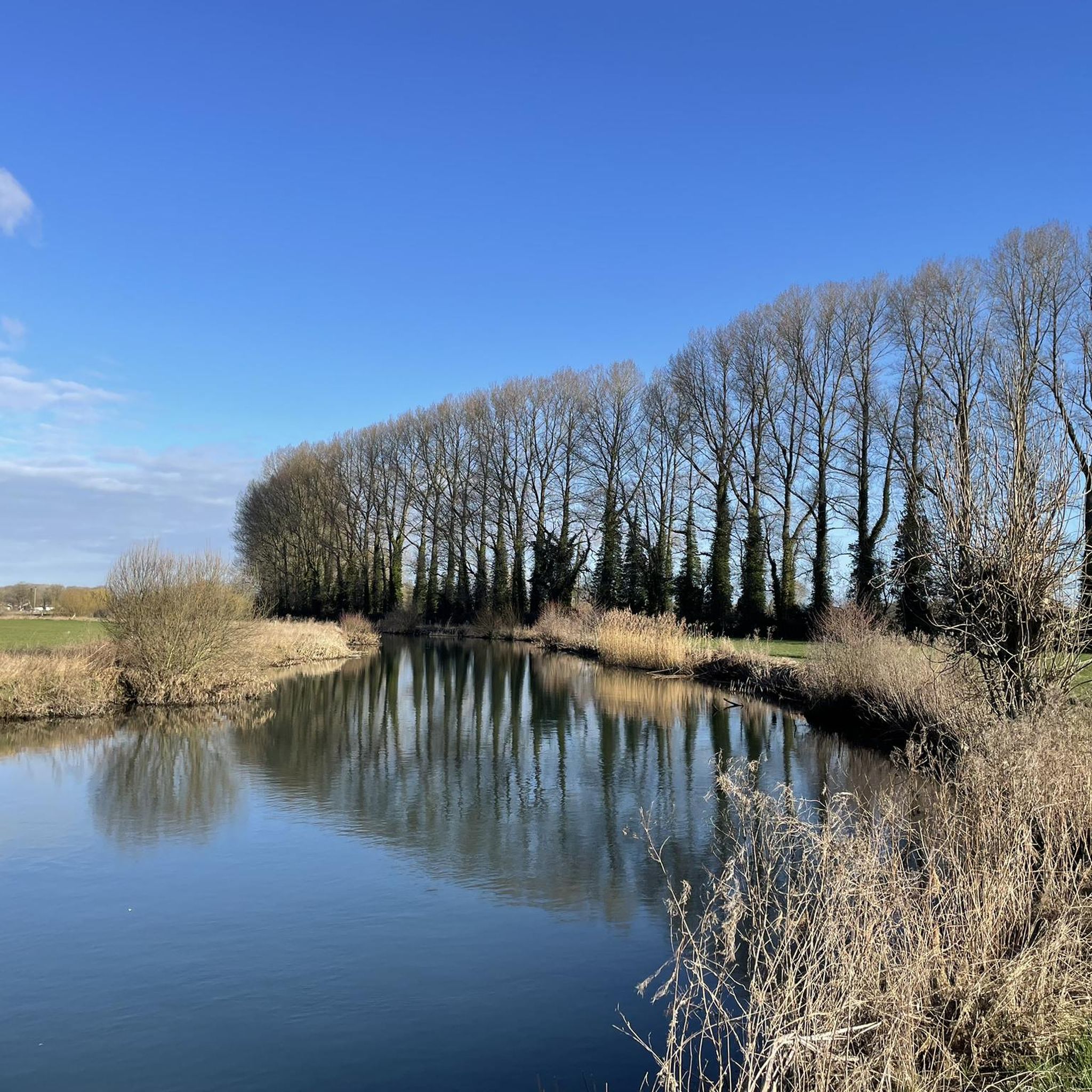
Taking its name from the place where delicious cheese were once loaded onto boats for shipping to London, Cheese Wharf is now a brilliant wild swimming spot on the River Thames near Buscot. It's owned by the National Trust and there are a couple of parking spaces nearby.
1
0

Obelisk/Sundial created by Sir Mark Lennox-Boyd to commemorate the Diamond Jubilee of Queen Elizabeth II. Fashioned of Portland stone and green slate by Fergus Wessel of Stone Workshop and mounted atop a hexagonal pyramid, the 16.4-foot-tall obelisk features one gold-plated bronze pointer on each side. Wavy incised and gilded lines mark the hours and quarter hours, and encircling the obelisk are engraved hieroglyphics that spell, among other things, Queen, Elizabeth, and Eternity—the sundial being Lord Faringdon’s tribute to the British monarch’s 50 years on the throne. Additional smaller obelisks stand around the central example, giving the effect of a mini Valley of the Kings in the middle of bucolic Oxfordshire. https://www.architecturaldigest.com/story/sir-mark-lennox-boyd-sundials
1
0
Frequently Asked Questions
What are some of the most popular natural monuments to visit in Buscot?
Buscot offers a variety of natural monuments. Among the most popular are Badbury Clump Bluebell Woods, known for its stunning bluebells in May, and the historical Uffington White Horse and Wayland's Smithy Junction, which provides a unique viewpoint. For those interested in water activities, Cheese Wharf Wild Swimming Spot on the River Thames is also a favorite.
Are there any family-friendly natural monuments in the Buscot area?
Yes, several natural monuments in Buscot are suitable for families. Badbury Clump Bluebell Woods is a popular spot for walkers of all ages, and the Jubilee Sundial and Obelisk offers an interesting historical feature that can be enjoyed by families. Additionally, the View of the Cotswolds Valley provides a scenic stop for everyone.
What kind of outdoor activities can I do near Buscot's natural monuments?
The Buscot area is excellent for various outdoor activities. You can enjoy hiking along the Thames Path or through woodlands, with routes like the easy 'Badbury Clump Bluebell Woods – Badbury Clump loop'. There are also dedicated running trails and road cycling routes that explore the scenic countryside, including a moderate route to the Uffington White Horse.
When is the best time to visit Buscot to see the natural monuments?
The best time to visit Buscot largely depends on what you wish to see. For the vibrant bluebells at Badbury Clump Bluebell Woods, May is the ideal month. Generally, spring and summer offer pleasant weather for exploring the gardens of Buscot Park and walking along the River Thames. Autumn provides beautiful foliage, while winter can offer crisp, quiet walks, especially around the Buscot Weir and Lock.
Are there any historical natural monuments or sites near Buscot?
Yes, Buscot is rich in both natural beauty and history. Uffington White Horse and Wayland's Smithy Junction is a significant historical site, featuring the ancient hill figure and nearby burial chamber. Badbury Clump Bluebell Woods is also home to the Iron Age Badbury Camp. Additionally, the Jubilee Sundial and Obelisk is a notable man-made monument with historical significance.
Can I go wild swimming near Buscot?
Yes, you can enjoy wild swimming at Cheese Wharf Wild Swimming Spot on the River Thames. This location is owned by the National Trust and offers a refreshing experience. There are also a couple of parking spaces nearby for convenience.
What natural features can I expect to see around Buscot?
Buscot's natural landscape is diverse. You'll find extensive woodlands, particularly at Badbury Clump Bluebell Woods. The River Thames is a prominent feature, offering river spots like Cheese Wharf Wild Swimming Spot and scenic views. The area also boasts impressive viewpoints, such as the View of the Cotswolds Valley and the historical Uffington White Horse.
Are there any dog-friendly walks among the natural monuments in Buscot?
Yes, many of the natural areas around Buscot are dog-friendly. Badbury Clump Bluebell Woods is particularly popular with dog owners, offering ample space for walks. The Thames Path, which runs through Buscot, also provides scenic routes suitable for walking with dogs, allowing you to explore the riverside environment.
What do visitors enjoy most about the natural monuments in Buscot?
Visitors frequently appreciate the blend of natural beauty and historical significance. The tranquil atmosphere of places like Badbury Clump Bluebell Woods, especially during bluebell season, is a highlight. The unique historical aspect of the Uffington White Horse and the opportunity for wild swimming at Cheese Wharf are also highly valued experiences.
Where can I find a good viewpoint to see the surrounding landscape near Buscot?
For panoramic views, head to View of the Cotswolds Valley, which offers a fantastic perspective of the area. Another excellent viewpoint is from the Uffington White Horse, which requires a climb from Dragon Hill Road but rewards visitors with stunning vistas.
Is Buscot Park considered a natural monument, and what can I see there?
While not listed as a specific komoot highlight in this guide, Buscot Park is a prominent natural attraction in the area, renowned for its extensive and beautifully maintained grounds. It features a famous Water Garden designed by Harold Peto, magnificent tree-lined avenues, an arboretum, and a Four Seasons Walled Garden. It offers a serene escape into nature, art, and history with a blend of naturalistic landscaping and formal garden design. You can find more information about its features and visiting details on Gardens to Visit or Historic Houses.
Are there any easy walking trails around Buscot's natural monuments?
Yes, there are several easy walking trails. For example, the 'Badbury Clump Bluebell Woods – Badbury Clump loop from Buscot Park' is an easy 5.7 km hike. The Thames Path also offers gentle sections suitable for leisurely strolls, allowing you to enjoy the riverside environment and access spots like Buscot Weir and Lock. You can explore more options in the Hiking around Buscot guide.
Most popular attractions around Buscot

Get inspired with the komoot mobile app


Explore more
Extend your search for the best caves by checking out these guides of the top ones around Buscot:
