Top 12 Natural Monuments around Mortehoe
Best natural monuments around Mortehoe are found along a rugged and captivating coastline in North Devon. This area is characterized by dramatic headlands, secluded coves, and diverse wildlife, making it a significant natural landscape. The geology of features like the Morte slates is regionally important, contributing to the area's rich maritime history. Mortehoe's coastline is part of a designated Area of Outstanding Natural Beauty, offering varied natural features for exploration.
Best natural monuments around Mortehoe
- The most popular natural monuments…
Last updated: October 16, 2026
Baggy Point
Highlight • Viewpoint
Tip by

Little Hangman
Highlight • Natural Monument
Tip by

Sign up now to discover places like this
Get recommendations on the best single tracks, peaks, & plenty of other exciting outdoor places.
Morte Point
Highlight • Natural Monument
If seals aren't enough, there …
Tip by

Torrs Cliffs
Highlight • Natural Monument
Tip by
Croyde Whale Bones
Highlight • Natural Monument
Tip by
Sign up for free to discover even more natural monuments around Mortehoe.
Already have an account?
Start today with a free account
Your next adventure awaits.
Other adventures around Mortehoe

Tips from the Community

Amazing views stretching out across the Severn estuary, with great views of the Welsh coast on a clear day.
2
1

The totem pole, also known as the Coastguard Pole, on Baggy Point once played an important role in training coastguards. It was designed to mimic the mast on a ship, and coastguards would practice firing rope at the mast, and then rigging up a breeches buoy.
3
0

Little Hangman is one of the main cliffs in Combe Martin, and from this point, you will enjoy a privileged view of the coastline.
1
0
Little Hangman is one of the main prominent landmarks in the area, along with its 'big brother' The Great Hangman. One way to explain its name is likely the local legend that tells of a sheep rustler. This rustler once took a ram tied with a rope, when suddenly, the ram escaped, falling off a cliff and taking the rustler with it. As they fell, the rope snagged onto a rock, and the next morning, it is said that a sailor passed by and saw the man hanging from the rope.
3
0

The Torrs, sometimes known as The Seven Hills, tower over Ilfracombe. These stunning cliffs offer sweeping coastal views. It is easy to see why they have been such a popular place to visit since the 19th century. As you walk through Torrs Park, you will meander along a zig-zag path which was dug by the Victorians.
3
0
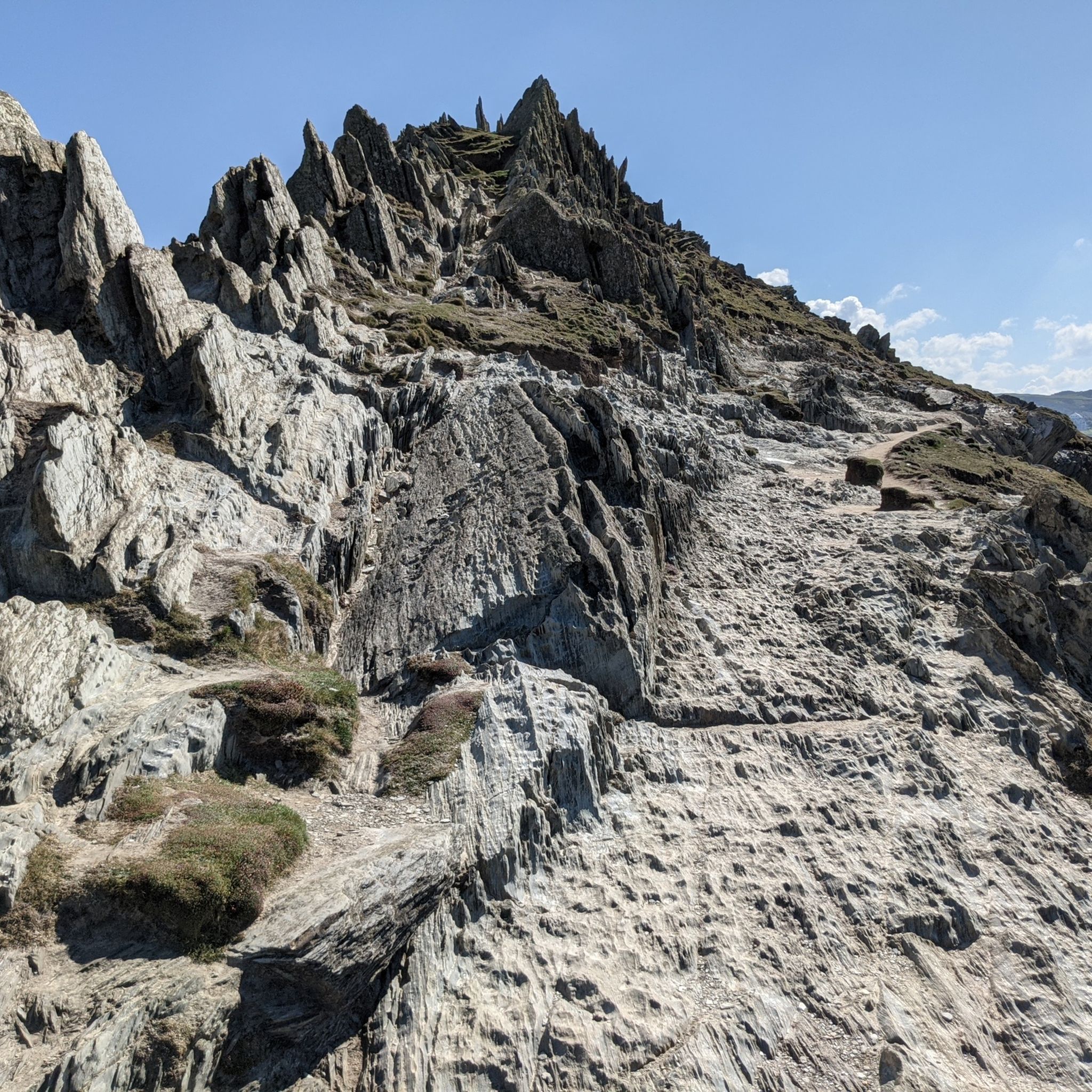
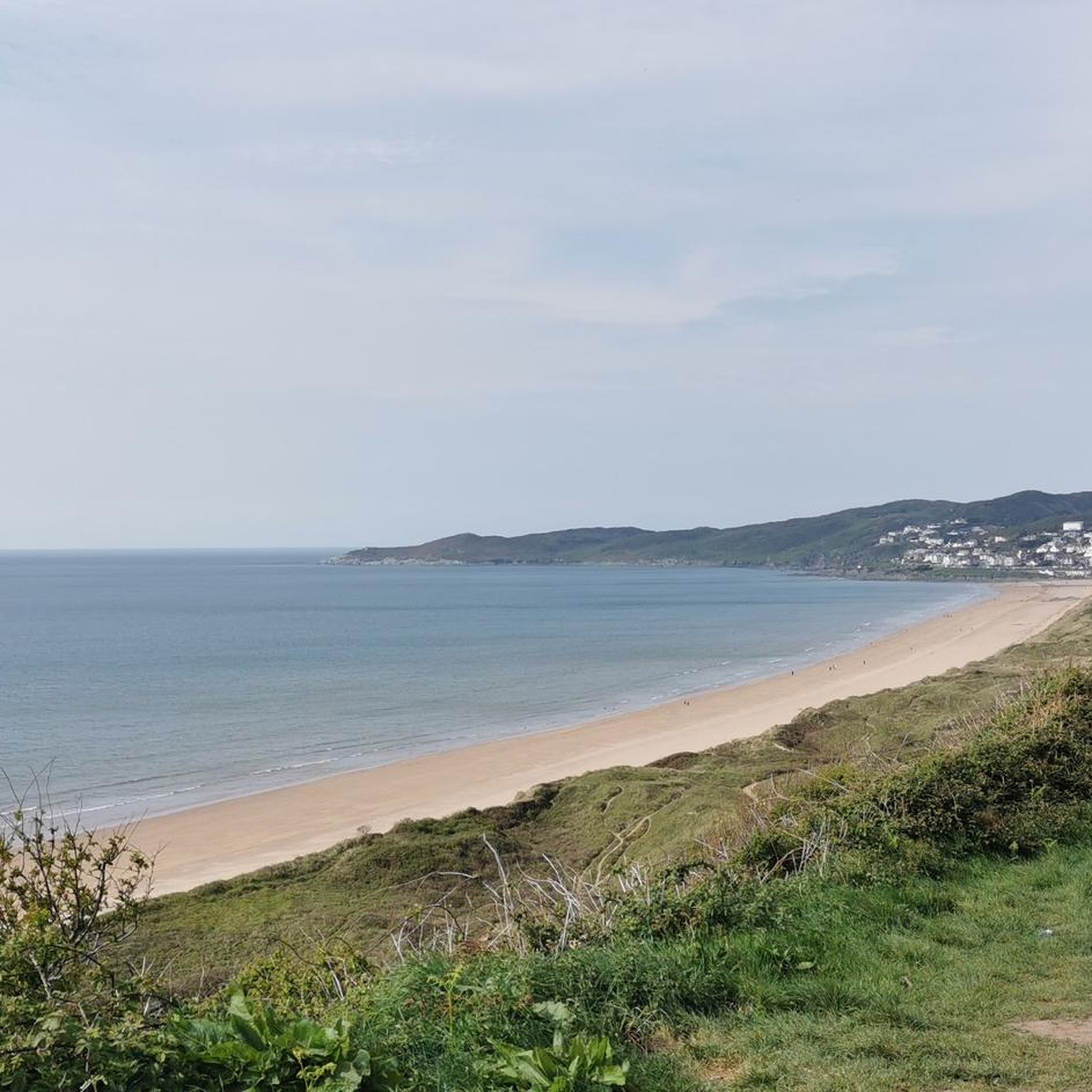
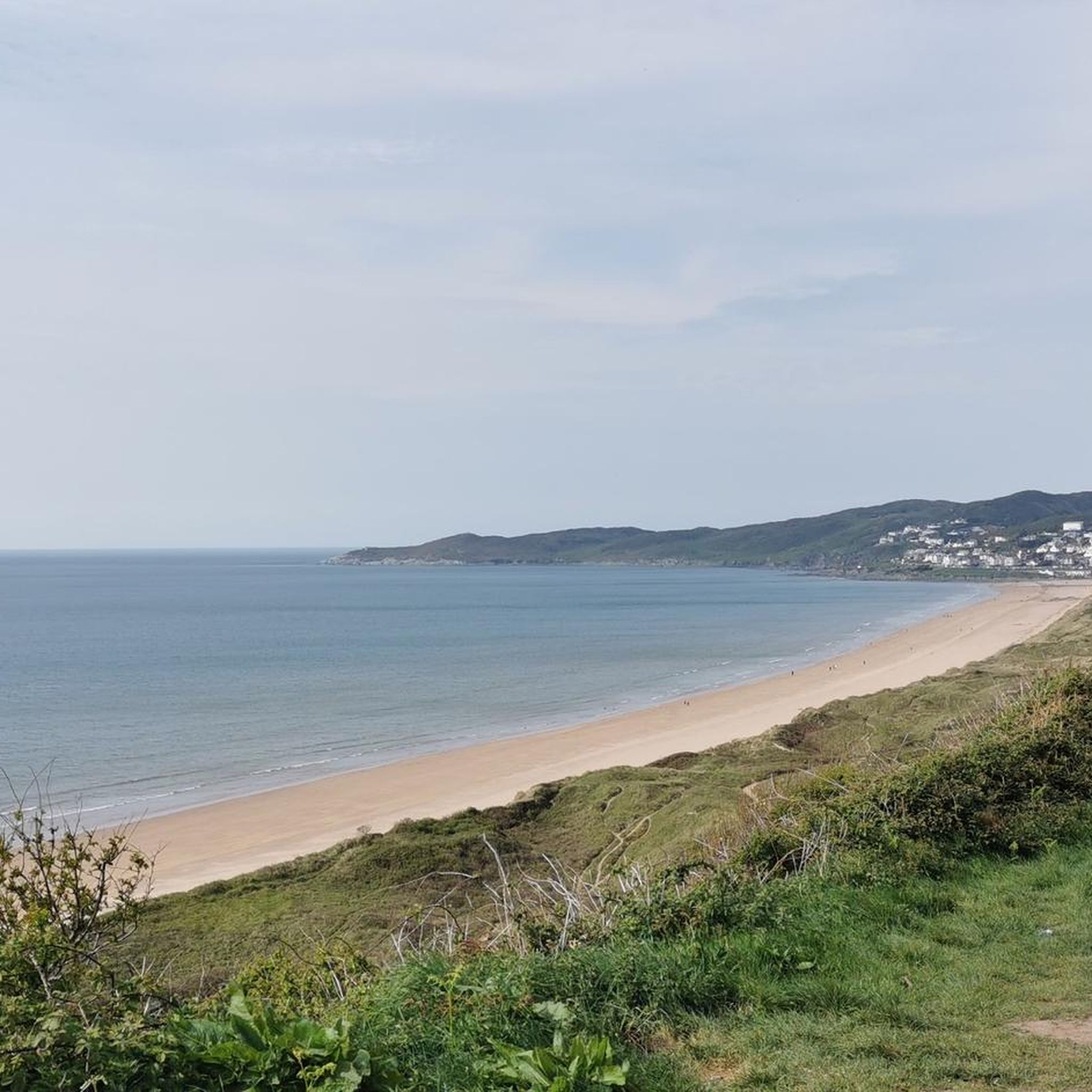
This is a brilliant place for seal watching. Keep a look out for their heads bobbing in the sea or lying up on the rocks. If seals aren't enough, there are some fantastic views south towards Baggy Point across Woolacombe Bay. It is called Morte Point as it is such a dangerous area for shipping. So many ships have been wrecked here that its name means 'Death Point'.
2
0

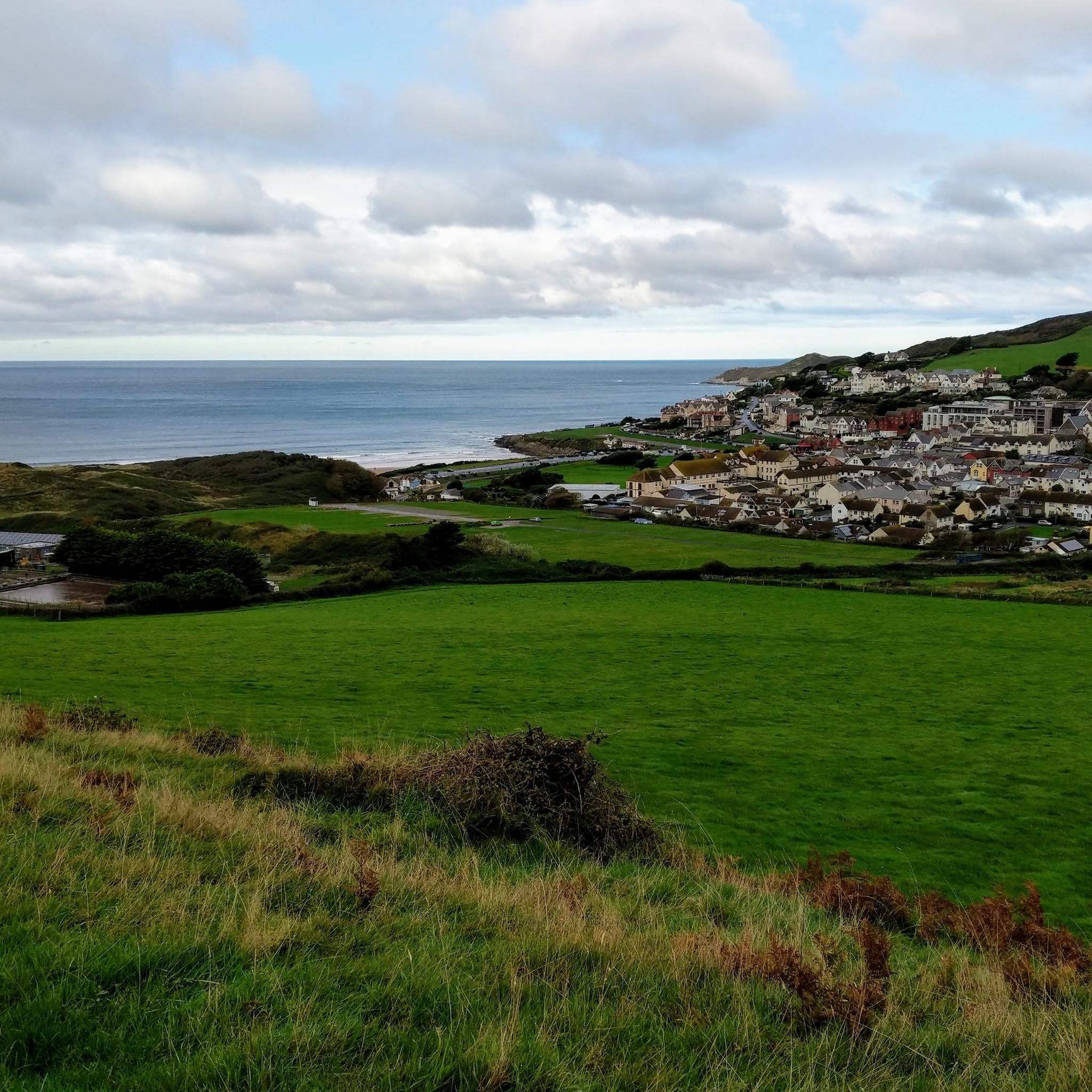
Baggy Point is an exceptional headland in North Devon, separating Croyde Bay from Morte Bay and Woolacombe Beach. It's a favourite with rock climbers and, if the weather's dry, you're sure to see or hear some below. The views are fantastic on a clear day.
6
0
In 1915, whale bones washed up on the beach at Croyde, much to local amazement. The National Trust has brought this one to the cliff path, a reminder of the sheer size of these majestic creatures. The views from this point are almost as fantastic as the bone itself.
4
1
Frequently Asked Questions
What natural features can I explore around Mortehoe?
Mortehoe's coastline is rich in natural features, including dramatic headlands, secluded coves, and diverse wildlife habitats. You can explore prominent landmarks such as Morte Point, known for its panoramic views and geological significance, and Baggy Point, an exceptional headland offering far-reaching vistas. The area also features the impressive Little Hangman cliff and the sweeping coastal views from Torrs Cliffs.
Where can I spot wildlife near Mortehoe's natural monuments?
For wildlife spotting, Morte Point is an excellent location. Atlantic grey seals are frequently seen basking on the rocks or swimming in the sea. The heathland and grassland areas around Morte Point and Bull Point also provide habitats for various plants and seabirds like herring gulls, fulmars, shags, and cormorants.
Are there any significant geological features in the Mortehoe area?
Yes, the Mortehoe coastline is geologically significant. The distinct, jagged rock formations known as the 'Morte slates' jutting from the seabed off Morte Point are a regionally important geological feature. These formations played a crucial role in the area's maritime history, contributing to numerous shipwrecks.
What walking trails are available near Mortehoe's natural monuments?
The entire coastline around Mortehoe is part of the South West Coast Path, offering dramatic walks. You can find various hiking routes, including moderate trails like the Morte Point & Damagehue Rock loop from Mortehoe or the Bull Point & Morte Point loop from Woolacombe. For an easier option, consider the South West Coast Path: Potter's Hill and Woolacombe Down.
Are the natural monuments around Mortehoe family-friendly?
Many natural monuments in the area are suitable for families. Baggy Point offers an easy access path, making it suitable for all ages and abilities to enjoy the views. The Croyde Whale Bones highlight is also considered family-friendly. Additionally, Rockham Bay (Mortehoe Beach) is known for its excellent rock pools, which are great for children to explore at low tide.
Do these natural monuments have historical significance?
Yes, the natural monuments around Mortehoe are steeped in history. Morte Point, whose name means 'Death Point', is infamous for the numerous shipwrecks caused by its treacherous rocks and strong currents. The Bull Point Lighthouse, built in 1879, stands as a testament to efforts to make this perilous coastline safer. Even Torrs Cliffs have a historical path dug by Victorians.
When is the best time to visit Mortehoe's natural monuments?
The natural monuments around Mortehoe can be enjoyed year-round, but spring and summer offer the best weather for walking and wildlife spotting. During these seasons, you'll experience milder temperatures and a higher chance of clear views, making it ideal for exploring the coastal paths and observing seals or seabirds. Always check local weather forecasts before your visit, as conditions on the coast can change rapidly.
Can I find secluded spots or hidden gems among the natural monuments?
Yes, Rockham Bay, also known as Mortehoe Beach, is a secluded beach nestled below cliffs. It's primarily accessible at low tide via a scenic 2 km coastal walk from Mortehoe village, offering a more tranquil experience with interesting rock formations and marine life in its rock pools. The Croyde Whale Bones also offer a unique, less common sight along the cliff path.
Are there opportunities for cycling or running near the natural monuments?
Absolutely. The area around Mortehoe offers various routes for cycling and running. You can find cycling guides with routes like the National Cycle Network Route 278 or longer loops with coastal views. For runners, there are running trails such as the 'Morte Point – Rockham Beach loop' or the 'Steep Sandy Dune – Sand Dune Trails loop from Mortehoe'.
What do visitors enjoy most about the natural monuments in Mortehoe?
Visitors particularly enjoy the breathtaking scenery and panoramic views, especially from spots like Morte Point and Baggy Point. The chance to spot Atlantic grey seals is a highlight for many. The dramatic geological formations, the rich maritime history, and the excellent walking opportunities along the South West Coast Path are also highly appreciated.
What is the terrain like for walks around Mortehoe's natural monuments?
The terrain around Mortehoe's natural monuments is generally rugged and varied. You can expect dramatic coastlines, rocky headlands, and some steep sections, especially on trails leading to viewpoints like Little Hangman. While some paths, like parts of Baggy Point, are easily accessible, many routes involve uneven surfaces and coastal paths that can be challenging in places. Appropriate footwear is recommended.
Are there dog-friendly walks among the natural monuments?
The coastal paths and many of the natural monument areas around Mortehoe are generally dog-friendly, offering fantastic opportunities for walks with your canine companion. It's always advisable to keep dogs on a lead, especially near cliff edges, livestock, and during nesting seasons for ground-nesting birds. Always check local signage for any specific restrictions in certain areas or during particular times of the year.
Most popular routes around Mortehoe
Most popular attractions around Mortehoe

Get inspired with the komoot mobile app


Explore more
Extend your search for the best caves by checking out these guides of the top ones around Mortehoe:
