Top 20 Natural Monuments around Ballymageogh
Natural monuments around Ballymageogh feature a landscape shaped by geological forces and ancient history. The region includes prominent features like an extinct volcano, ancient burial sites, and prehistoric megalithic architecture. These sites provide insights into the natural forces that shaped the area and the early human presence. Visitors can explore a blend of geological marvels and archaeological importance.
Best natural monuments around Ballymageogh
- The most popular natural monuments is Summit of Slieve Donard, a natural monument that is Northern…
Last updated: June 30, 2026
Slieve Commedagh Summit
Highlight • Summit
Tip by

Slieve Bearnagh
Highlight • Viewpoint
Tip by

Sign up now to discover places like this
Get recommendations on the best single tracks, peaks, & plenty of other exciting outdoor places.
Sign up for free
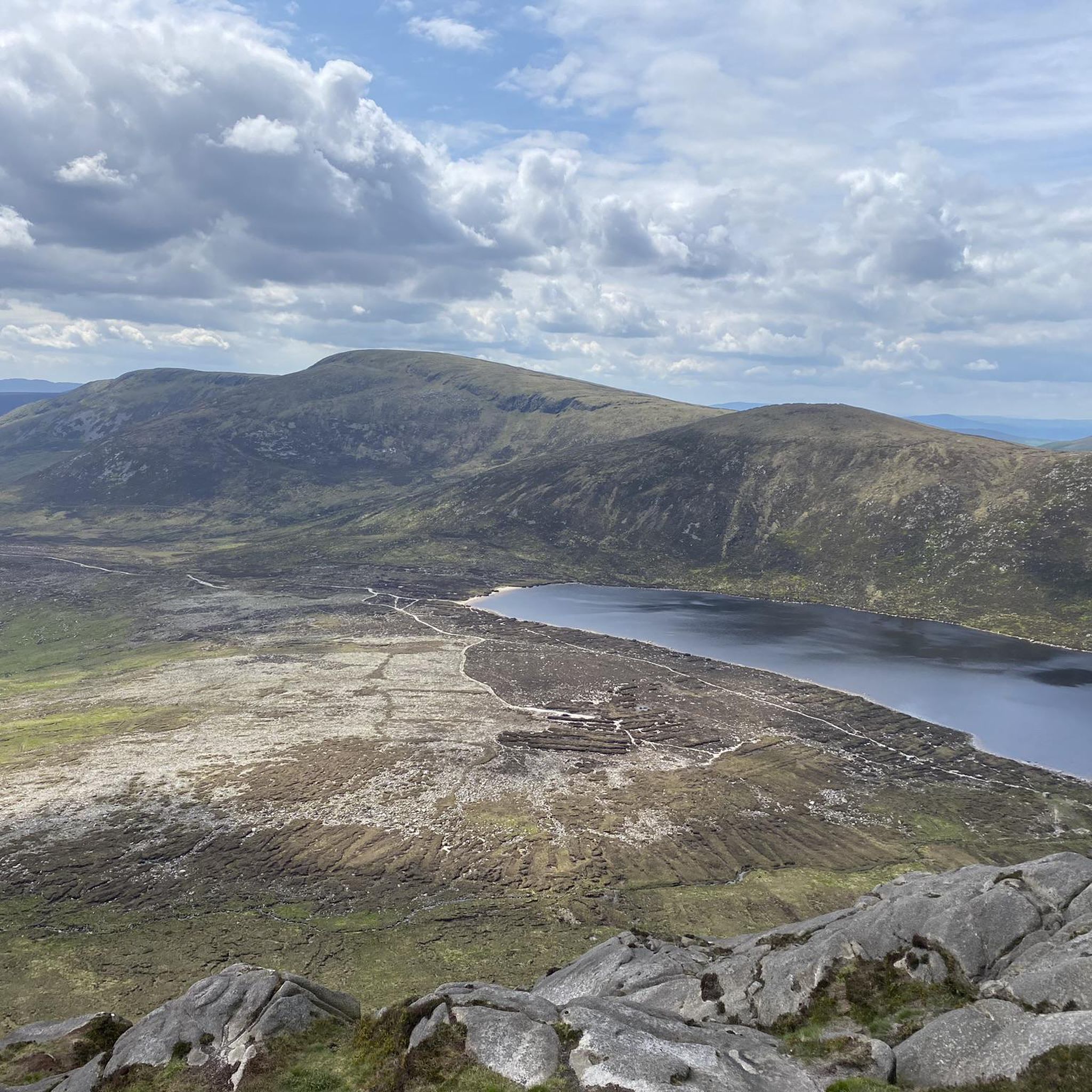
Slieve Binnian summit
Highlight • Summit
Fantastic views down to silent valley reservoir and south towards Carlingford.
As with any hill walking - be prepared for a change in weather and have good footwear. Enjoy
Tip by

Summit of Slieve Donard
Highlight • Natural Monument
Tip by

Hare's Gap
Highlight • Trail
Tip by

Sign up for free to discover even more natural monuments around Ballymageogh.
Sign up for free
Already have an account?
Start today with a free account
Your next adventure awaits.
Login or Signup
Tips from the Community

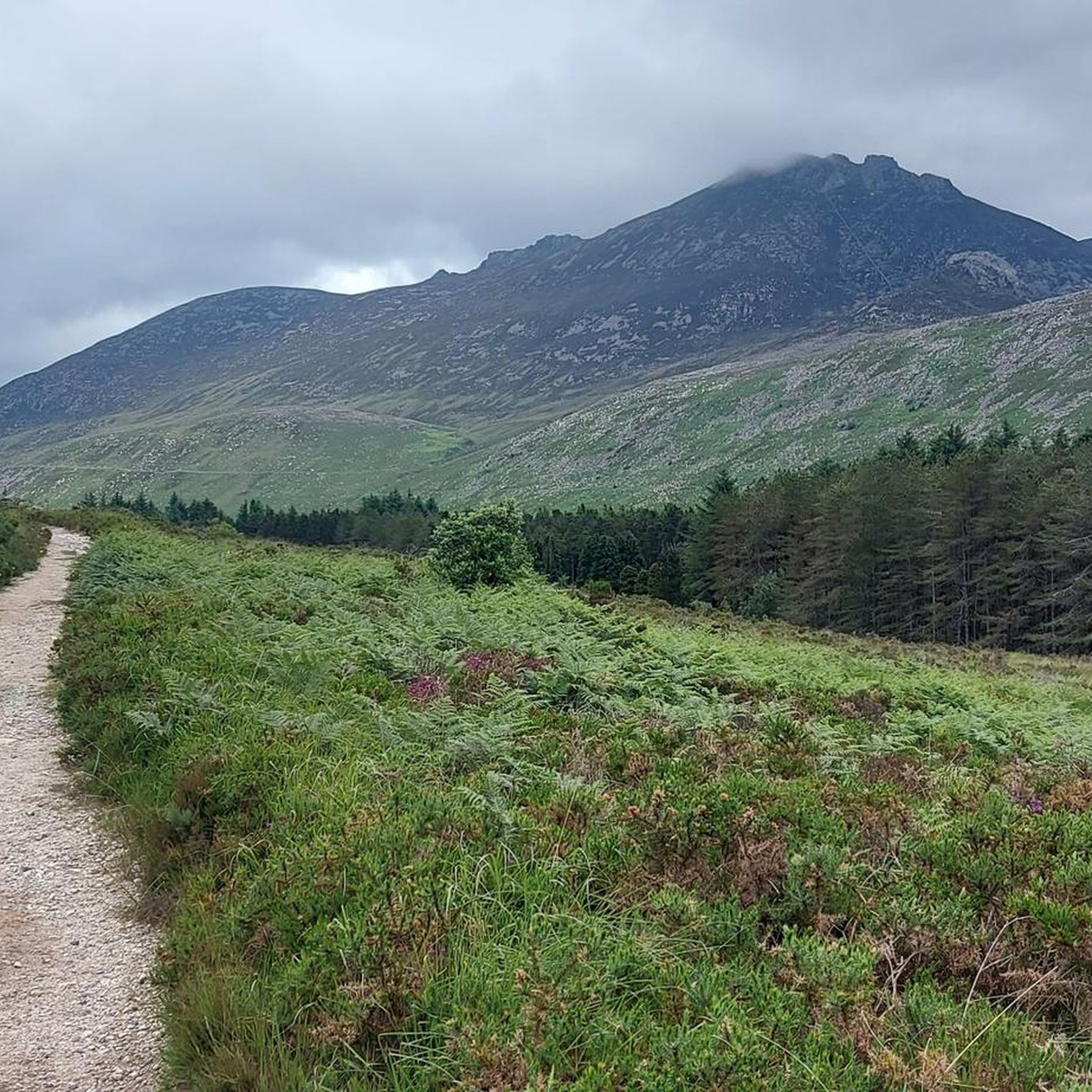
Slieve Binnian is absolute magic. Standing as the third-highest peak in Northern Ireland (747 meters), it easily claims the title for the most dramatic silhouette in the Mournes, thanks to the massive, weathered granite towers—called tors—that guard its summit. https://www.expresstollpass.com
0
0

Hare's Gap is a dramatic mountain pass nestled in the heart of the Mourne Mountains. This striking pass, situated between Slieve Bearnagh and Slievenaglogh, offers hikers a blend of natural beauty and historical intrigue. From this vantage point, hikers are treated to panoramic views of the surrounding peaks and valleys. The pass itself is historically significant, having once served as a route for smuggling goods across the mountains, adding a layer of intrigue to the hike. Hare's Gap is a popular starting point for various hikes, including ascents of Slieve Bearnagh and Slieve Meelmore.
2
0
Hare’s Gap is one of the most iconic passes in the Mourne Mountains, marked by its rugged stile and dramatic views that open up across the range. Once a historic smuggling route, it remains a natural gateway into the high Mournes, with steep paths and striking rock formations framing the way. From here, the landscape unfolds in every direction, making it a perfect spot to pause, take in the scenery, and appreciate the wild beauty of these mountains.
4
0
Slieve Commedagh, at 767 meters, is the second-highest peak in the Mourne Mountains and a rewarding climb for any hiker. Its summit offers sweeping views across the Mournes and out to the Irish Sea, a reminder of how close these mountains sit to the coast. The ascent is steep and demanding, often over pathless ground, but never overly technical in good weather. You can climb it on its own or link it with nearby peaks such as Slieve Donard, making for a truly memorable day in the heart of the Mournes.
3
0

I was lucky to see them at their best today, beautiful 😍
0
0

Congratulations, you've made it up the mighty Slieve Donard. Being the highest of the Mourne Mountain peaks, this is an incredible achievement. Take a well-earned rest and enjoy the phenomenal views across the stunning Mournes and out to the Irish Sea.
1
0
Hare's Gap is the most beautiful and dramatic mountain pass in the whole of the Mournes mountain range. It was once a smugglers hotspot, with people often carrying contraband, such as soaps and spices, through here from the coast along the Brandy Pad.
2
0
Frequently Asked Questions
What are some of the most popular natural monuments to visit around Ballymageogh?
Visitors frequently enjoy exploring the Summit of Slieve Donard, which is Northern Ireland’s highest peak and offers expansive views. Another highly rated spot is Hare's Gap, a dramatic mountain pass known for its rugged beauty. The Cloughmore Stone, a massive erratic stone with a fascinating legend, also draws many visitors.
Are there any natural monuments with historical significance in the Ballymageogh area?
Yes, the region is rich in historical natural monuments. For example, the Slieve Gullion Summit features the highest passage tomb in the British Isles, uniquely oriented to the winter solstice. On the ridge of Slieve Gullion, you can find the North Cairn, a Bronze Age burial site. Additionally, the Cloughmore Stone is an ancient erratic stone with local legends, and the Ballykeel Dolmen is a significant prehistoric megalithic structure dating back to 4000-2500 BC.
What kind of geological features can I expect to see among Ballymageogh's natural monuments?
Ballymageogh's natural monuments showcase diverse geological wonders. You can explore the extinct volcano of Slieve Gullion, which shaped much of the landscape. The Cloughmore Stone is a prime example of a glacial erratic, moved by ice over 10,000 years ago. The region also features prominent granite peaks and dramatic mountain passes like Hare's Gap.
Are there family-friendly natural monuments around Ballymageogh?
Yes, several natural monuments are suitable for families. Hare's Gap is listed as family-friendly, offering an accessible mountain pass experience. The Silent Valley Reservoir is another excellent family-friendly option, providing well-kept paths and a peaceful atmosphere for strolls.
What outdoor activities can I do near these natural monuments?
The area around Ballymageogh offers a variety of outdoor activities. You can find numerous running trails, including routes like the 'Mourne Park loop from Kilkeel' or the 'Eagle Mountain loop from Attical'. For mountain biking enthusiasts, there are MTB trails such as the 'Yellow Water Descent' or 'Kilbroney Park' loops. Gravel biking is also popular, with routes like 'The Old Oak Tree – Fairy Glen loop'. You can find more details on these activities in the running trails guide, MTB trails guide, and gravel biking guide for the region.
Are there specific hiking trails that lead to or past these natural monuments?
Many natural monuments in Ballymageogh are integral to hiking routes. For instance, the Summit of Slieve Donard is a popular hiking destination, often incorporated into longer treks along the Mourne Wall. Slieve Bearnagh, with its distinctive rocky tors, is also a challenging climb for hikers, accessible via the Trassey Track and Mourne Wall. Hare's Gap serves as a natural gateway into the high Mournes, with steep paths leading to various peaks.
What are some notable water features among the natural monuments?
The region features several significant water bodies. Calliagh Beara's Lough, located on the ridge of Slieve Gullion, holds the distinction of being the highest lough in Northern Ireland. Additionally, the Silent Valley Reservoir, nestled in the Mourne Mountains, is a beautiful man-made lake surrounded by natural beauty, supplying water to much of County Down and Belfast.
What do visitors enjoy most about the natural monuments around Ballymageogh?
Visitors frequently praise the breathtaking panoramic views, especially from high points like the Summit of Slieve Donard and Slieve Gullion. The dramatic landscapes, such as those found at Hare's Gap, are also highly appreciated. Many are captivated by the blend of natural beauty with ancient history, including the unique geological formations and prehistoric sites.
Can I find any hidden gems or less-known natural monuments in the area?
While the main highlights are well-known, exploring the broader Slieve Gullion area can reveal less-trafficked spots. Beyond the summit, the North Cairn and Calliagh Beara's Lough offer a chance to delve into ancient history amidst a striking natural landscape, providing a more secluded experience compared to the more popular peaks.
What is the best time of year to visit the natural monuments around Ballymageogh?
The best time to visit generally depends on your preferred activities. Spring and autumn offer pleasant temperatures for hiking and exploring, with vibrant foliage or blooming wildflowers. Summer provides longer daylight hours, ideal for extended outdoor adventures. However, weather in the Mournes can be unpredictable, so it's always wise to check the forecast and prepare for changing conditions regardless of the season.
Are there any natural monuments that offer significant viewpoints?
Absolutely. The Summit of Slieve Donard provides stunning views of County Down, and on clear days, you can even see the Isle of Man, Anglesey, and the West Coast of Scotland. From the Slieve Gullion Summit, you can experience fantastic panoramic views. Slieve Bearnagh also offers excellent vistas, and the Cloughmore Stone provides great views over Carlingford Lough.
Most popular attractions around Ballymageogh

Get inspired with the komoot mobile app


Explore more
Extend your search for the best caves by checking out these guides of the top ones around Ballymageogh:
