Top 18 Natural Monuments around Hawkley
Best natural monuments around Hawkley are found within the picturesque South Downs National Park in Hampshire, England. This area is characterized by distinctive steep-sided wooded hills known as the Hangers, offering dramatic landscapes and historical routes. Elevated points provide expansive views of the surrounding countryside, while ancient trees and small streams contribute to the region's natural diversity. The varied terrain and natural landmarks make Hawkley a notable destination for outdoor exploration.
Best natural monuments around Hawkley
- The most popular natural…
Last updated: June 16, 2026
Butser Hill
Highlight • Natural Monument
Tip by

Torberry Hill Iron Age Hillfort
Highlight • Historical Site
Tip by

Sign up now to discover places like this
Get recommendations on the best single tracks, peaks, & plenty of other exciting outdoor places.
Sign up for free
Grandfather's Bottom
Highlight • Viewpoint
Tip by

Mill Lane Waterfall
Highlight • Natural Monument
Tip by
Ancient Yew Tree at St. Mary’s Church, South Downs National Park
Highlight • Historical Site
Tip by

Sign up for free to discover even more natural monuments around Hawkley.
Sign up for free
Already have an account?
Start today with a free account
Your next adventure awaits.
Login or Signup
Tips from the Community

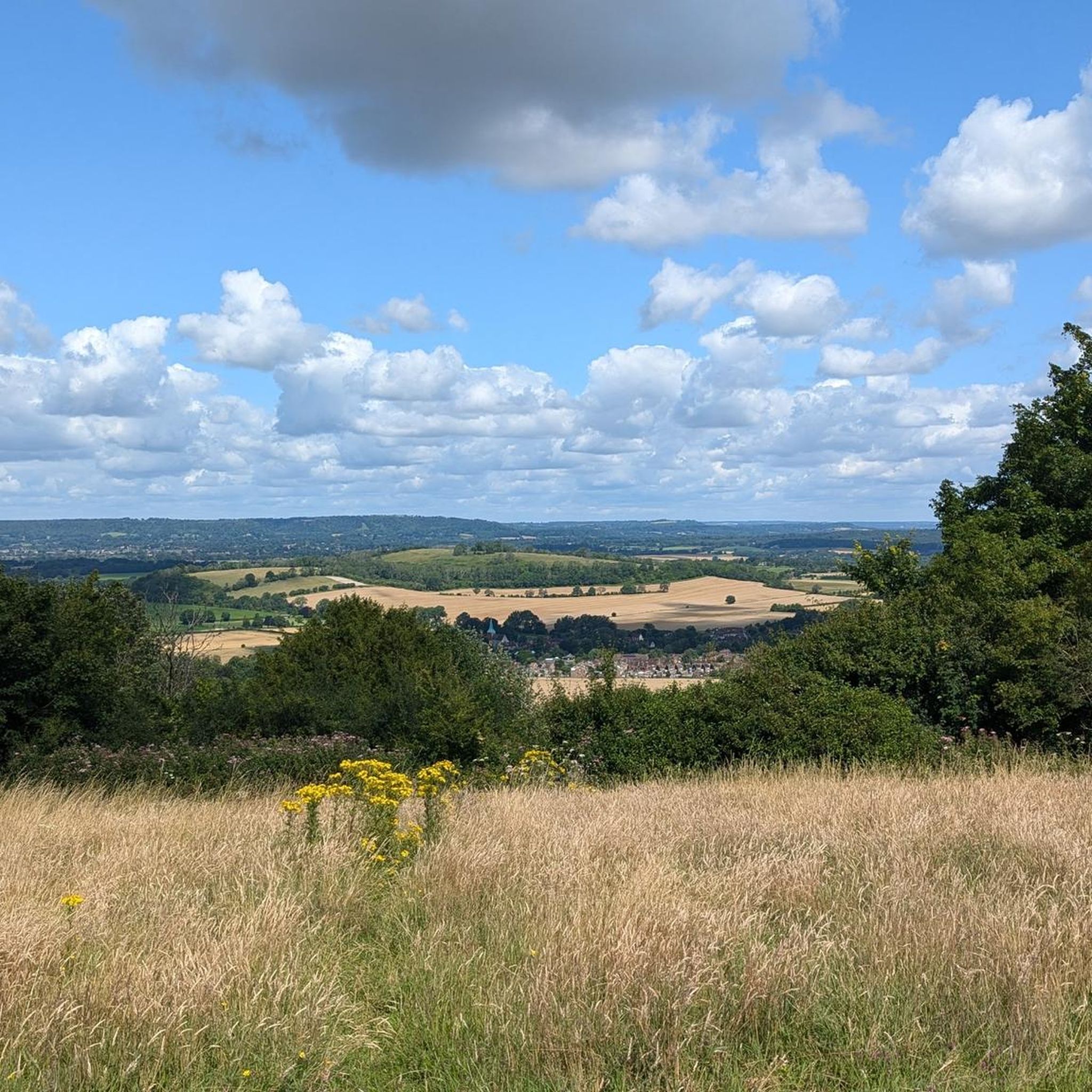
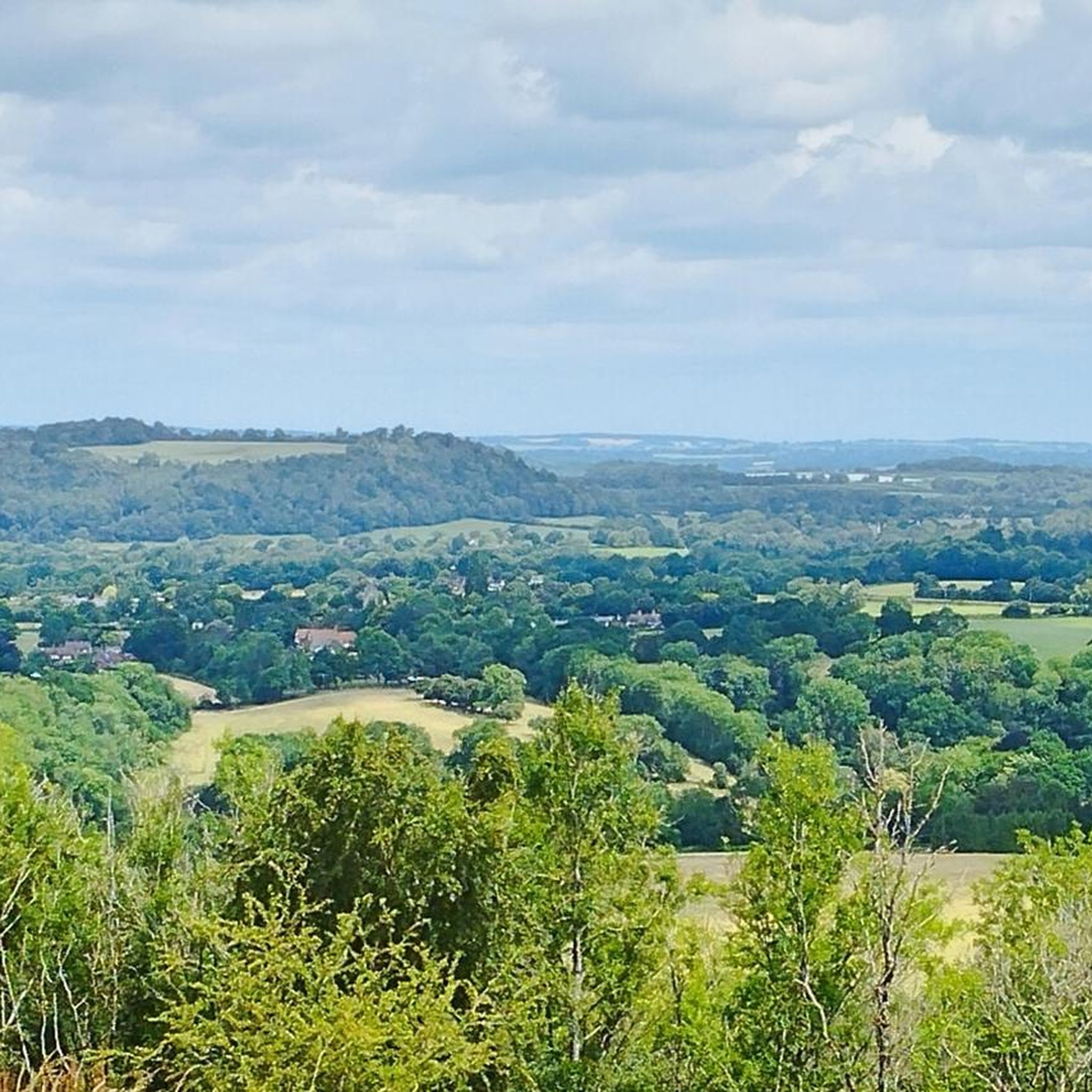
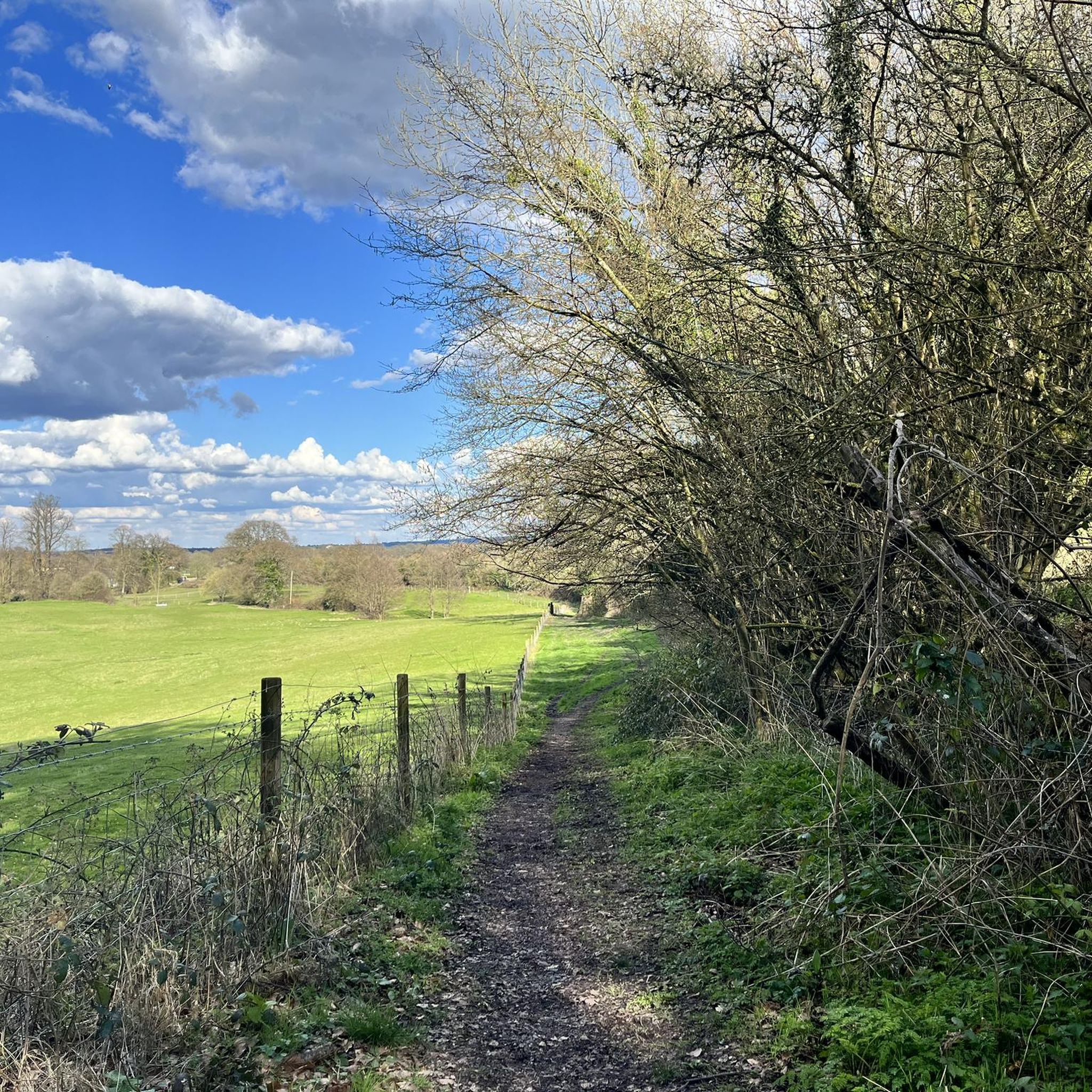
Great views of this ‘crease’ in the hill. Lots of wildlife on view here, with its natural steep sides, birds of prey are often circling and hoovering. Grazing livestock are also common here.
0
0

I'm glad I included this church yard in my hike. It was a pleasant detour. I recommend it.
0
0

It was a struggle to find the correct tree for me.
0
0

This is just a little waterfall but worth going to have a look at. It is quite amazing that the waterfall is located in a lane that is right in the middle of a residential area. It is however close to a good walking route.
1
0

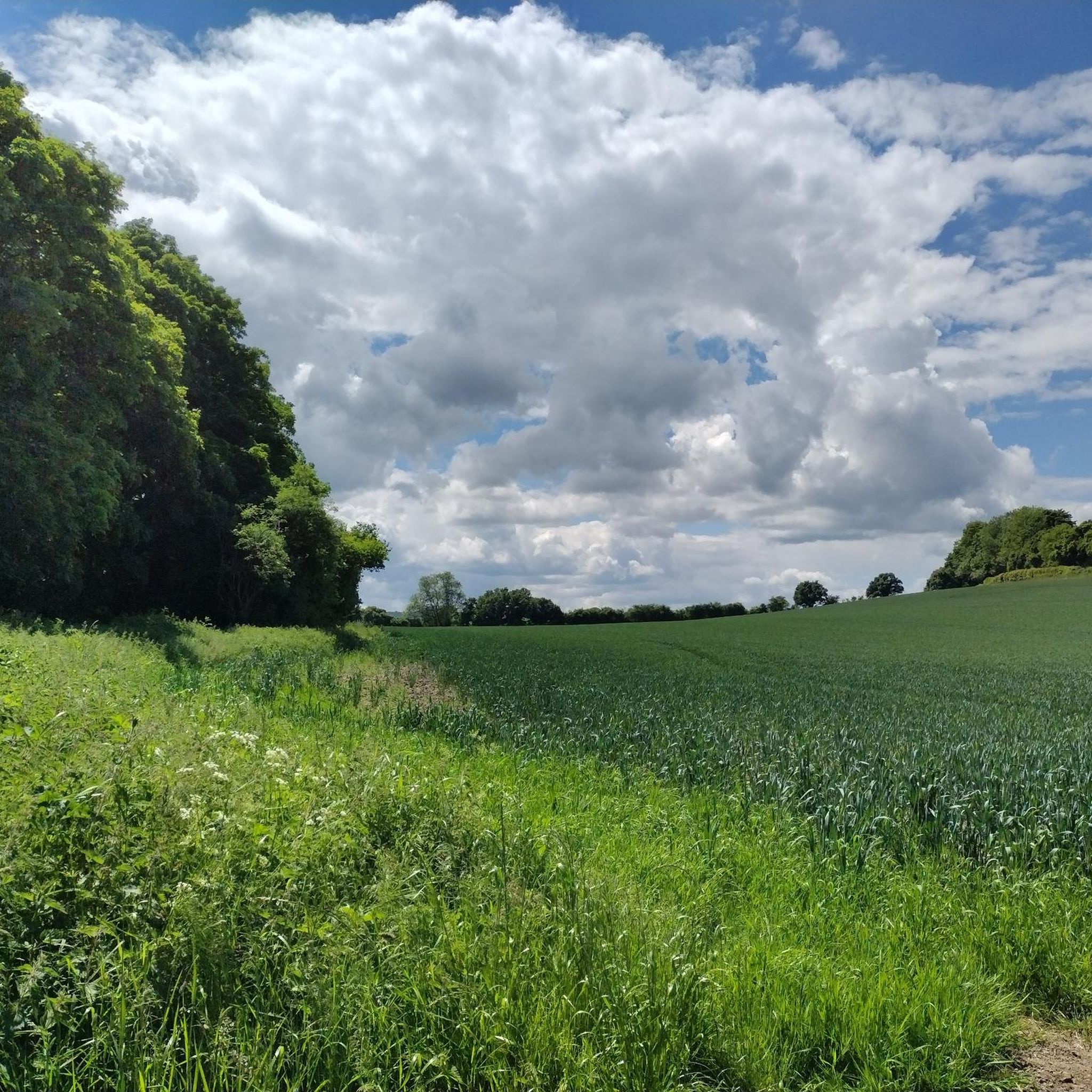
Really lovely second part to the walk. The climb up is straightforward but quite taxing and steep in places. Difficult if you have knee problems etc
0
0

Torberry Hill is an Iron Age hillfort in West Sussex. It is a Scheduled Ancient Monument. The hillfort is located within the parish of Harting, within the South Downs National Park. The hillfort has a pear-shaped layout and covers an area of 2.8 hectares. It has a low dump rampart and a ditch that enclose the western part of the hill. The eastern part is defended by the steep slope of the hill. The interior of the hillfort contains several storage pits that date to the Iron Age. The hillfort was built in several phases, starting from the 5th century BC. Torberry Hill is also a mountain summit that is 156 metres high with a prominence of 65 metres. The summit can be identified by a grass mound. There are several walks that can be done around Torberry Hill, such as the one to West Harting Down or Beacon Hill.
3
0

One of the oldest Yew trees in the UK, in the cemetery of the church.
0
0

150m high hill just off the line of the South Downs, known for the Iron Age hillfort at the summit.
1
0
Frequently Asked Questions
What are the most distinctive natural features to explore around Hawkley?
The Hawkley area, nestled within the South Downs National Park, is characterized by its distinctive steep-sided wooded hills known as the Hangers. These create a dramatic landscape, especially along routes like the Hangers Way. You can also find elevated points such as Shoulder of Mutton Hill and Cobbets View, offering stunning panoramas of the surrounding countryside. The small Oakshott Stream and ancient yew trees, like the one at St Peter and St Paul's churchyard, also contribute to the region's natural diversity.
Are there any natural monuments with historical significance in the Hawkley area?
Yes, the area features natural monuments with historical ties. For instance, Torberry Hill Iron Age Hillfort is a Scheduled Ancient Monument within the South Downs National Park, known for its Iron Age hillfort at the summit. Additionally, the Ancient Yew Tree at St. Mary’s Church is one of the oldest yew trees in the UK, offering a sense of ancient history.
What outdoor activities can I do near the natural monuments around Hawkley?
The natural monuments around Hawkley are excellent starting points for various outdoor activities. You can find numerous routes for road cycling, gravel biking, and running. For example, there are challenging road cycling loops like the 'Easebourne, Cocking and Buriton loop' and gravel biking routes such as the 'Old Winchester Hill – Meon Valley Trail loop'. Runners can explore trails like the 'Selborne Hill loop'. You can find more details on these activities in the Road Cycling Routes around Hawkley, Gravel biking around Hawkley, and Running Trails around Hawkley guides.
Are there family-friendly natural monuments to visit near Hawkley?
Yes, several natural monuments are suitable for families. The Mill Lane Waterfall is a small, charming waterfall located within a residential area and close to a walking route, making it an easy stop for families. The Ancient Yew Tree at St. Mary’s Church also offers a pleasant detour for all ages.
When is the best time of year to visit the natural monuments around Hawkley?
The natural monuments around Hawkley offer beauty throughout the year. Spring brings vibrant greenery and the strong scent of wild garlic along paths, particularly descending Wheaton Hill. Summer is ideal for long walks and enjoying the expansive views. Autumn showcases the dramatic beech trees of the Hangers in their full glory, while winter offers invigorating walks with clear views across the landscape, such as the 'winter afternoon amble' up Butser Hill.
What kind of views can I expect from the natural monuments in the Hawkley area?
The natural monuments around Hawkley offer a variety of impressive views. From Butser Hill, the highest point on the South Downs, you can enjoy breathtaking panoramas over Hampshire and the Channel. Elevated points like Shoulder of Mutton Hill provide stunning views to the South East, while Cobbets View offers a 'truly stunning vista looking North' of the surrounding countryside. Grandfather's Bottom, a valley bowl, also provides beautiful quintessential English countryside views.
What makes the Hangers a unique natural feature in Hawkley?
The Hangers are a defining characteristic of the Hawkley landscape. These distinctive, steep-sided wooded hills are predominantly covered in beech trees, creating a dramatic and atmospheric setting. They are unique for their 'magical climb' via sunken tracks and ancient drove roads, offering a sense of history and deep immersion in nature within the South Downs National Park.
Can I find waterfalls among the natural monuments near Hawkley?
Yes, you can discover the Mill Lane Waterfall. While it's a smaller waterfall, it's notable for being located within a residential area and is easily accessible near a good walking route, making it a charming natural spot to visit.
What wildlife might I encounter near Hawkley's natural monuments?
The diverse natural environment around Hawkley supports various wildlife. At Grandfather's Bottom, for example, you can often spot birds of prey circling and hovering due to its natural steep sides. Grazing livestock are also common in this area. The chalk grassland of Butser Hill is designated as a national nature reserve due to its rare flora and fauna, offering opportunities to observe diverse plant and animal life.
Are there any ancient trees to see in the Hawkley area?
Yes, within the churchyard of St Peter and St Paul in Hawkley, you can find magnificent ancient yew trees. One particularly massive tree appears to have grown along the ground, creating a unique and impressive natural display. Another notable ancient tree is the Ancient Yew Tree at St. Mary’s Church, which is considered one of the oldest in the UK.
What is the highest point among the natural monuments near Hawkley?
The highest point among the natural monuments near Hawkley is Butser Hill. Standing at 271 meters (889 feet) tall, it is the highest point on the South Downs and offers expansive views over Hampshire and the Channel.
Most popular attractions around Hawkley

Get inspired with the komoot mobile app


Explore more
Extend your search for the best caves by checking out these guides of the top ones around Hawkley:
