The 14 Most Amazing Peaks around Itingen
Mountain peaks around Itingen, a municipality in the canton of Basel-Landschaft, Switzerland, are characterized by a hilly landscape with elevations ranging from 334 to 608 meters above sea level. While Itingen itself does not feature prominent mountain peaks in the traditional sense, the surrounding region offers various elevated viewpoints and historical sites. These locations provide opportunities for exploration and offer perspectives of the local topography. The area is known for its accessible trails and cultural landmarks situated on higher ground.
…Last updated: June 24, 2026
Wisenberg Observation Tower
Highlight • Monument
The forest grew higher and higher, making it necessary to expand the tower.
Translated by Google •
Tip by

Schartenflue
Highlight • Viewpoint
Translated by Google •
Tip by

Sign up now to discover places like this
Get recommendations on the best single tracks, peaks, & plenty of other exciting outdoor places.
Sign up for free
Lauchflue Summit and Observation Bunker
Highlight • Summit
Translated by Google •
Tip by

Schleifenberg Tower
Highlight • Viewpoint
Translated by Google •
Tip by

Farnsburg Castle Ruins
Highlight • Castle
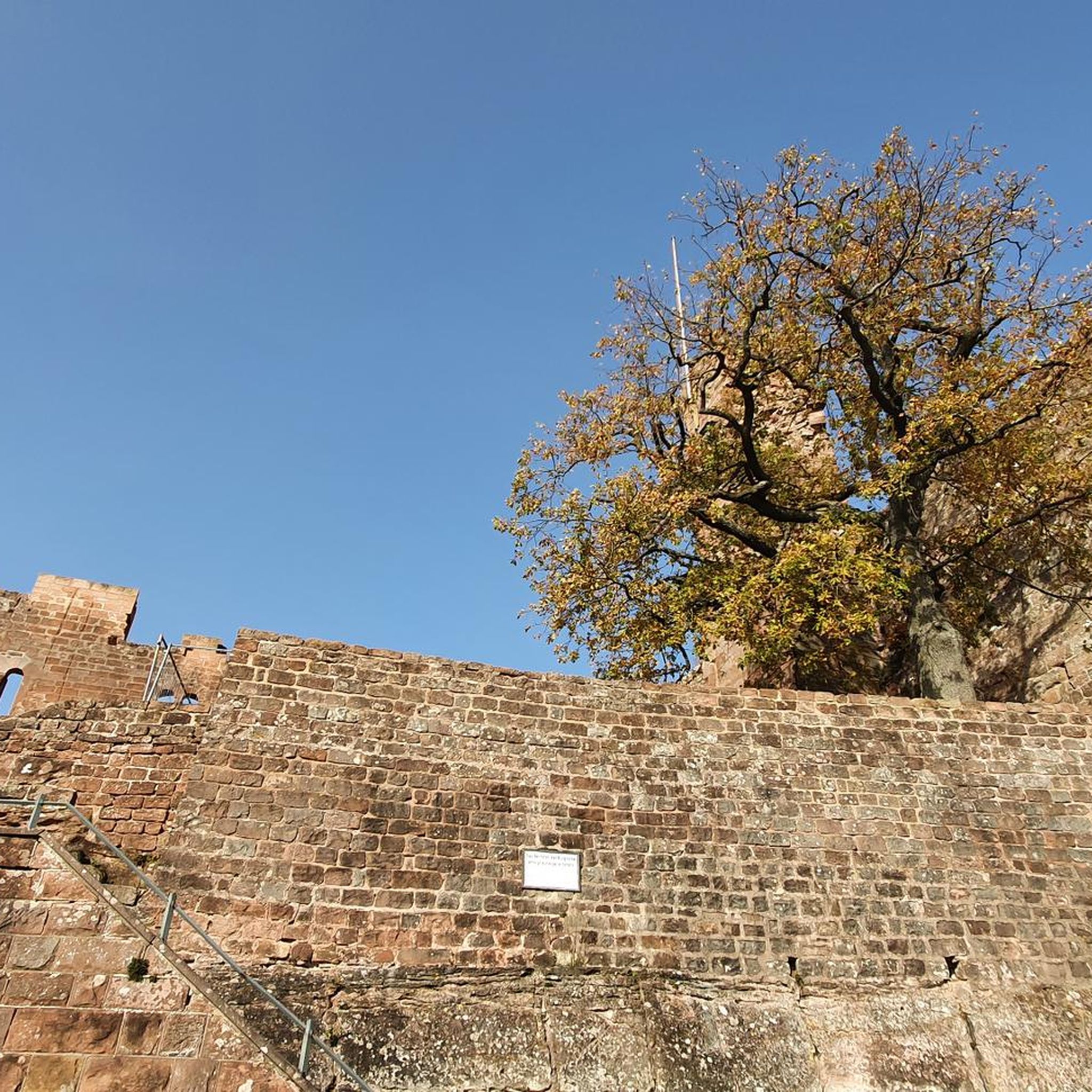
The ruin of the Spornburg is located at 734 m above sea level. M. …
Translated by Google •
Tip by

Sign up for free to discover even more peaks around Itingen.
Sign up for free
Already have an account?
Start today with a free account
Your next adventure awaits.
Login or Signup
Tips from the Community

The observation tower on Schleifenberg is 30 meters high. Those who manage to climb to the top (after paying the entrance fee) enjoy a magnificent view of the Liestal valley and far beyond. At the foot of the tower lies the Turmwirtschaft (Tower Inn). Its hosts are around ten groups of innkeepers who bring the inn to life every Sunday and public holiday throughout the year. They cook and serve for their guests out of sheer joy in working together.
2
0

Impressive viewing point. Former tank turret - part of the First World War memorial trail
0
0

The wooded 1041.8m high Lauchflue is a somewhat independent peak in the Upper Basel area. To the north it has a rock face up to 80m high, which gives you a beautiful view of the Ergolz Valley and the Black Forest. To the southeast lies the slightly higher Schällenberg (1064m), which is separated from the Lauchflue by the Lauch saddle (1014m). The Lauchflue is easily accessible via hiking trails (T1), and on the summit there is a military observation facility from the time of the First World War (Fortification Hauenstein). Trivia: The lid of the observation post comes from the boiler of a steam locomotive. https://www.hikr.org/wiki/post10006.html
5
1
The Schleifenberg Tower is an observation tower in the municipality of Liestal in the canton of Basel-Landschaft. The current steel framework tower was built in 1900 by the Liestal Transport and Beautification Association to replace the previous wooden tower (built in 1891). Renovation work was carried out on the tower in 1932, 1985 and 2007. Maintenance is ensured by the Liestal Tourism Association, which is also responsible for the tower restaurant. When a team of hosts opens the tower restaurant, this is traditionally signaled by the flag hoisted on the top of the tower; otherwise no flag is visible. Access is via a turnstile with cash payment by inserting coins. With an entrance fee of CHF 0.50, you can climb 150 steps to the observation platform at a height of 28.5 meters. https://de.m.wikipedia.org/wiki/Schleifenbergturm
7
1

The climb (fee required) can be used at any time. The restaurant is only open on Sundays and public holidays.
2
0

A real highlight after a hard climb, for example from the Waldenburg ruins. The climb is a level T2 with a few trial passages in T3. So be sure to bring good shoes and sufficient fitness.
1
0
Since the Wiesenberg is in the forest, this observation tower makes sense. It takes hikers above the treetops and allows a 360-degree panorama. There are panorama boards. The climb is worth it.
5
0

Top view from east, Swiss Alps, to west into the French Jura.
1
0
Frequently Asked Questions
What kind of elevated spots can I explore around Itingen?
While Itingen is characterized by a hilly landscape rather than traditional high mountain peaks, the region offers various elevated viewpoints and historical sites. These include observation towers like Schleifenberg Tower and Wisenberg Observation Tower, as well as historical summits such as Lauchflue Summit and Observation Bunker and Farnsburg Castle Ruins.
Are there any observation towers with panoramic views near Itingen?
Yes, the area features prominent observation towers. The Wisenberg Observation Tower provides a 360-degree panorama above the treetops, complete with panorama boards. Another option is the Schleifenberg Tower in Liestal, which offers a wide prospect after climbing its 150 steps.
What historical sites can be found on elevated ground around Itingen?
You can visit the Lauchflue Summit and Observation Bunker, which features a military observation facility from the First World War. Additionally, the Farnsburg Castle Ruins offer a historical experience with beautiful panoramic views from its old defensive wall.
Are there family-friendly elevated spots or trails near Itingen?
Yes, several spots are considered family-friendly. The Wisenberg Observation Tower and Farnsburg Castle Ruins are both categorized as family-friendly. For hiking, there are easy trails available, such as the 'Dirt Path and River Trail – Schloss Ebenrain loop' or 'Ergolz Riverside Path – Ergolz Riverside Forest loop', which are suitable for families. You can find more hiking options in the Hiking around Itingen guide.
What are the hiking difficulty levels for trails leading to these elevated viewpoints?
The elevated spots around Itingen are generally accessible via hiking trails. For instance, the Lauchflue Summit is easily accessible via T1 hiking trails. Some paths, like those leading to the Wisenberg Observation Tower, might be classified as medium difficulty due to protruding roots and stones, requiring good footwear. You can explore various hiking routes, from easy to moderate, in the Hiking around Itingen guide.
Can I bring my dog on trails around Itingen's elevated areas?
While specific dog-friendly designations for each highlight are not provided, many hiking trails in the region are suitable for dogs. It's always recommended to keep dogs on a leash, especially near observation towers or historical sites, and to check local regulations. The Hiking around Itingen guide offers various routes that can be enjoyed with a canine companion.
What kind of views can I expect from the elevated points in the Itingen area?
From the Wisenberg Observation Tower, you can enjoy a 360-degree panorama above the treetops. The Lauchflue Summit offers views of the Ergolz Valley and the Black Forest. The Schleifenberg Tower provides a wide prospect over the surrounding landscape, and the Farnsburg Castle Ruins offer beautiful panoramic views.
Are there any cycling routes near these elevated viewpoints?
Yes, the region around Itingen offers various cycling opportunities. You can find touring bicycle routes like the 'Rheinfelden Town Hall – Old Rhine Bridge loop' or 'Schloss Ebenrain – View from Buuseregg loop'. For road cycling enthusiasts, options include the 'Chilchzimmersattel – Breitenhöchi Pass loop'. Explore more routes in the Cycling around Itingen guide and the Road Cycling Routes around Itingen guide.
What do visitors particularly enjoy about the elevated spots around Itingen?
Visitors appreciate the diverse experiences offered by these elevated locations. Many enjoy the extensive views from observation towers like Wisenberg and Schleifenberg. The historical significance of sites like the Lauchflue Observation Bunker and Farnsburg Castle Ruins also draws interest, providing a blend of nature and history. The community has shared nearly 300 photos and given over 390 upvotes to these highlights, indicating their popularity.
Is there an entrance fee for any of the observation towers?
Yes, there is a small entrance fee to access the Schleifenberg Tower. You will need 0.50 CHF (50 cents) to use the turnstile and climb the 150 steps to the observation platform. The tower restaurant's opening is signaled by a flag hoisted on the tower.
What is the best time of year to visit the elevated viewpoints around Itingen?
The elevated viewpoints and trails around Itingen can be enjoyed throughout much of the year. Spring and autumn offer pleasant temperatures for hiking and clear views. Summer provides longer daylight hours, while winter can offer a different, often serene, landscape, though some trails might be more challenging due to conditions. Always check local weather before your visit.
Are there any specific tips for visiting the Wisenberg Observation Tower?
When visiting the Wisenberg Observation Tower, be aware that the hike to it may involve protruding roots and stones, so good footwear is recommended. The tower itself takes you above the treetops for a 360-degree panorama, and there are panorama boards to help identify landmarks. Historically, it was used as an air observation post during WWII and has been expanded over time as the surrounding forest grew.
Most popular routes around Itingen
Most popular attractions around Itingen

Get inspired with the komoot mobile app


Explore more
See even more amazing summits around Itingen with these guides:
