Top 16 Natural Monuments around Ballyhemlin
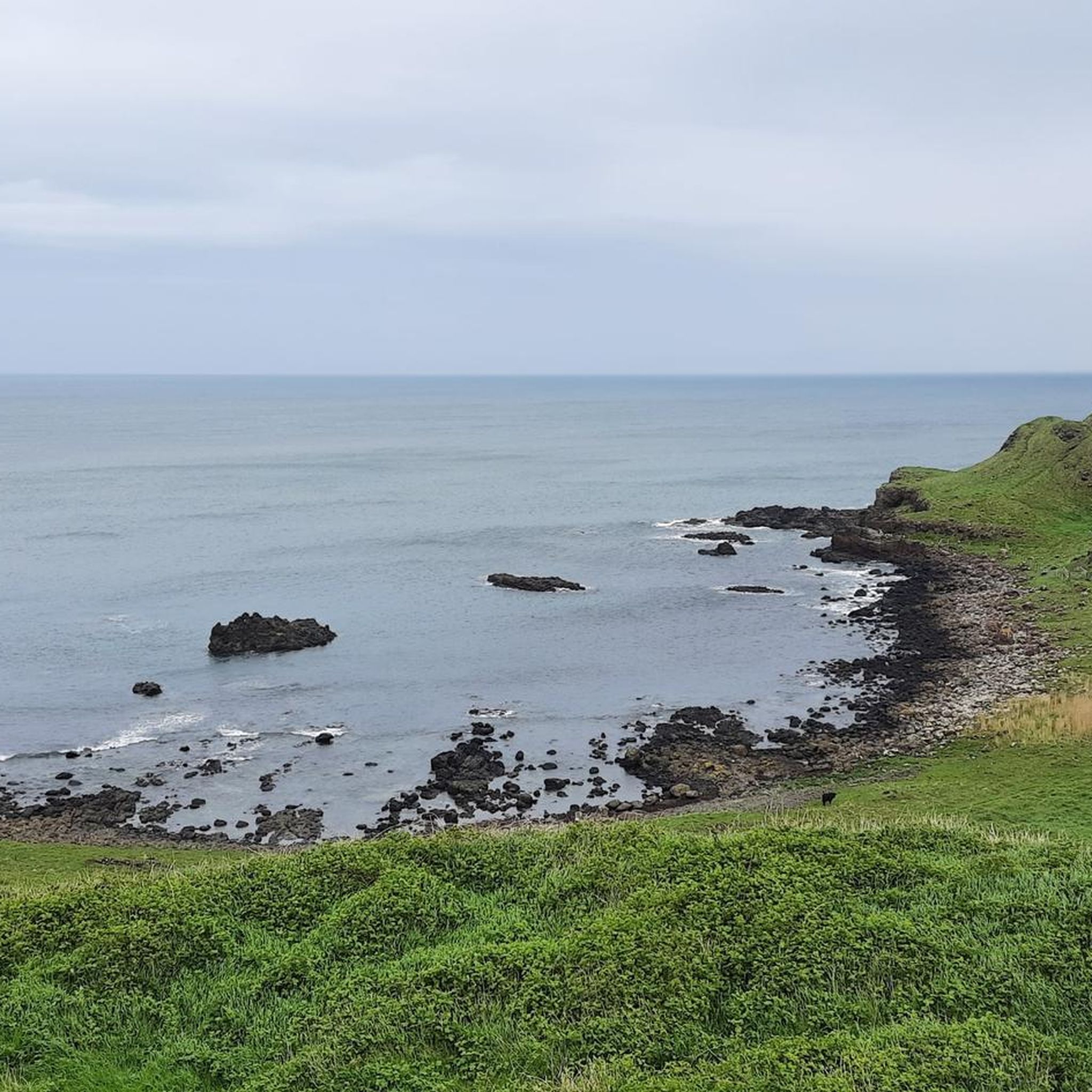
Best natural monuments around Ballyhemlin are found along its coastline, offering geological interest and scenic views. The area, particularly around Quay Rocks, presents an eroding landscape with paleontological findings, including mega-fauna remains. This coastal region in County Down provides panoramic views across the Irish Sea, extending towards landmarks like Burgh Head. These Ballyhemlin natural features combine geological history with scenic beauty, making the area notable for natural exploration.
Best natural monuments around Ballyhemlin
- The most popular natural monuments is Giant's…
Last updated: October 16, 2026
Giant's Causeway
Highlight • Natural Monument
Tip by

The Amphitheatre (Port Reostan)
Highlight • Viewpoint
Tip by

Sign up now to discover places like this
Get recommendations on the best single tracks, peaks, & plenty of other exciting outdoor places.
Fionn Mac Cumhaill's Shoe
Highlight • Natural Monument
Of course you should have a little imagination to discover certain forms of life in these formations, but it's fun.
Translated by Google •
Tip by

The Dark Hedges
Highlight (Segment) • Natural
Translated by Google •
Tip by

Dunluce Castle Ruins
Highlight • Natural Monument
Tip by
Sign up for free to discover even more natural monuments around Ballyhemlin.
Already have an account?
Start today with a free account
Your next adventure awaits.

Tips from the Community

The amphitheater in Northern Ireland is an impressive archaeological site, fascinating for its historical significance and impressive architecture. The complex offers insight into ancient culture and is a fascinating place for history buffs. The atmosphere is tranquil and invites reflection on the past. The amphitheater is an important monument that reflects Northern Ireland's rich history.
2
0
Dunluce Castle in Northern Ireland is an impressive ruin perched on a cliff above the sea. Its dramatic location and rugged rocky landscape lend the castle a special atmosphere. The remains tell a rich history and offer fascinating insights into medieval defensive architecture. The views of the sea and the surrounding nature make a visit an unforgettable experience. Dunluce Castle is a place that combines both history and nature in a striking way.
2
0

Absolutely overrated. Many trees have been broken or cut down. Completely overcrowded during normal daytime. You really don't have to go there...only if it's on your way.
1
0

De Burgh's castle was primarily a military fortress, notable for its robust defensive features typical of Norman architecture. The design included impressive walls and strategic positioning to take advantage of the natural defensive advantages of the clifftop location.
2
0


A very impressive castle, part of which has collapsed into the sea along with the cliff. The visit can easily be combined with a visit to the Giant's Causeway.
3
0

Famous beech trees from the film "Games of Thornes"
0
0

Frequently Asked Questions
What unique natural features can I explore directly in Ballyhemlin?
While Ballyhemlin is primarily known for its historical sites, its coastline offers unique natural features. The most notable is Quay Rocks, located east of the Ballyhemlin Standing Stone. This eroding headland is significant for its geological history and paleontological findings, including mega-fauna remains like Giant Red Deer antlers discovered on the beach. It's also believed to be the site of the last land bridge connecting Northern Ireland and Scotland.
What are the most popular natural monuments in the broader region around Ballyhemlin?
The broader region around Ballyhemlin, particularly the Causeway Coast, is home to several iconic natural monuments. These include the Giant's Causeway, famous for its approximately 40,000 interlocking basalt columns, and The Organ — Giant's Causeway, a basalt cliff formation resembling church organ pipes. Another unique spot is Fionn Mac Cumhaill's Shoe, known for its distinctive rock shapes, also part of the Giant's Causeway area.
Are there family-friendly natural monuments near Ballyhemlin?
Yes, several natural monuments in the wider region are considered family-friendly. The Giant's Causeway and Fionn Mac Cumhaill's Shoe are both categorized as family-friendly, offering engaging geological formations for all ages to explore. Many visitors enjoy imagining the stories behind these unique rock shapes.
What kind of views can I expect along the Ballyhemlin coastline?
The coastline around Ballyhemlin, situated in County Down, offers stunning panoramic views across the Irish Sea. You can enjoy expansive vistas, particularly to the south and east, with clear views extending towards landmarks like Burgh Head, the most easterly point in Northern Ireland. On clear days, it's even possible to see across the North Channel to Port Patrick in Scotland.
What outdoor activities can I do near the natural monuments around Ballyhemlin?
The area offers various outdoor activities, especially hiking and running. You can find numerous routes, such as the 'Causeway Coast Way' or loops around the Giant's Causeway. For detailed options, explore the hiking guides around Ballyhemlin or the running trails around Ballyhemlin. These guides provide routes ranging from easy to difficult, allowing you to experience the natural beauty on foot.
Are there easy hiking trails to explore natural monuments near Ballyhemlin?
Yes, there are easy hiking trails available. For instance, the 'Causeway Coast Way: Portballintrae to Dunluce Castle' is an easy route, as are several loops around Portballintrae Bay and Bushfoot Bridge. You can find more options in the easy hikes around Ballyhemlin guide, perfect for a relaxed exploration of the coastal scenery.
What historical sites are located near the natural monuments?
Beyond the natural wonders, the region also features significant historical sites. The Dunluce Castle Ruins, a medieval castle perched dramatically on a basalt outcropping, is a notable example. It offers a blend of natural geology and rich history, with parts of the castle having collapsed into the sea.
What do visitors enjoy most about the Giant's Causeway area?
Visitors are consistently impressed by the sheer scale and unique formations of the Giant's Causeway. Many describe it as a 'fascinating whim of nature' and the 'eighth wonder of the world.' People particularly enjoy taking their time to appreciate the 4- to 6-cornered basalt columns and the impressive basalt cliff formations like The Organ, often finding it a truly 'supernatural' experience.
Is there a specific viewpoint offering magnificent rock formations near Ballyhemlin?
Yes, The Amphitheatre (Port Reostan) is one of the most magnificent sites along the Causeway Coast. Its dramatic and picturesque rock formations resemble an amphitheater, attracting many visitors. It offers wonderful views from above, though it requires climbing over 100 wooden steps to reach the best vantage points.
What is the best time to visit the natural monuments around Ballyhemlin?
The best time to visit the natural monuments around Ballyhemlin and the wider Causeway Coast generally depends on your preference for weather and crowd levels. Spring and autumn offer milder temperatures and fewer crowds, making them ideal for hiking and exploration. Summer provides the warmest weather but also the highest number of visitors. Winter can be dramatic with stormy seas, offering a different, rugged beauty, but some facilities might have reduced hours.
Are there any dog-friendly trails near Ballyhemlin's natural monuments?
While specific natural monuments like the Giant's Causeway may have restrictions for dogs in certain areas (e.g., visitor centers), many of the coastal paths and trails in the broader region are dog-friendly. Always keep dogs on a lead, especially near cliffs or livestock, and check local signage for any specific restrictions. The general coastal walks offer great opportunities for you and your dog to enjoy the scenery.
Are there options for public transport to reach the natural monuments near Ballyhemlin?
Public transport options are available to reach the more prominent natural monuments like the Giant's Causeway. Buses operate along the Causeway Coast, connecting major towns and attractions. For Ballyhemlin itself, local bus services might be available, but it's advisable to check current timetables and routes for specific destinations, as services can vary. Parking is generally available at major sites for those traveling by car.
Most popular routes around Ballyhemlin
Most popular attractions around Ballyhemlin

Get inspired with the komoot mobile app


Explore more
Extend your search for the best caves by checking out these guides of the top ones around Ballyhemlin:
