Top 15 Natural Monuments around Clogher North
Best natural monuments around Clogher North include a landscape shaped by ancient geological processes, featuring dramatic coastal formations and unique basalt structures. This region offers a diverse natural environment, characterized by its rugged coastline and significant geological history. Visitors can explore areas where volcanic activity has left behind distinctive rock formations. The natural features provide opportunities for observing geological wonders and coastal scenery.
Best natural monuments around Clogher North
- The most popular natural monuments is Giant's Causeway, a natural…
Last updated: May 2, 2026
Giant's Causeway
Highlight • Natural Monument
Tip by

Giant’s Gate
Highlight • Viewpoint
Tip by

Sign up now to discover places like this
Get recommendations on the best single tracks, peaks, & plenty of other exciting outdoor places.
Sign up for free
Fionn Mac Cumhaill's Shoe
Highlight • Natural Monument
Of course you should have a little imagination to discover certain forms of life in these formations, but it's fun.
Translated by Google •
Tip by

The Amphitheatre (Port Reostan)
Highlight • Viewpoint
Tip by

Dunluce Castle Ruins
Highlight • Natural Monument
Tip by
Sign up for free to discover even more natural monuments around Clogher North.
Sign up for free
Already have an account?
Start today with a free account
Your next adventure awaits.
Login or Signup
Tips from the Community

The amphitheater in Northern Ireland is an impressive archaeological site, fascinating for its historical significance and impressive architecture. The complex offers insight into ancient culture and is a fascinating place for history buffs. The atmosphere is tranquil and invites reflection on the past. The amphitheater is an important monument that reflects Northern Ireland's rich history.
2
0
Dunluce Castle in Northern Ireland is an impressive ruin perched on a cliff above the sea. Its dramatic location and rugged rocky landscape lend the castle a special atmosphere. The remains tell a rich history and offer fascinating insights into medieval defensive architecture. The views of the sea and the surrounding nature make a visit an unforgettable experience. Dunluce Castle is a place that combines both history and nature in a striking way.
2
0

De Burgh's castle was primarily a military fortress, notable for its robust defensive features typical of Norman architecture. The design included impressive walls and strategic positioning to take advantage of the natural defensive advantages of the clifftop location.
2
0


A very impressive castle, part of which has collapsed into the sea along with the cliff. The visit can easily be combined with a visit to the Giant's Causeway.
3
0

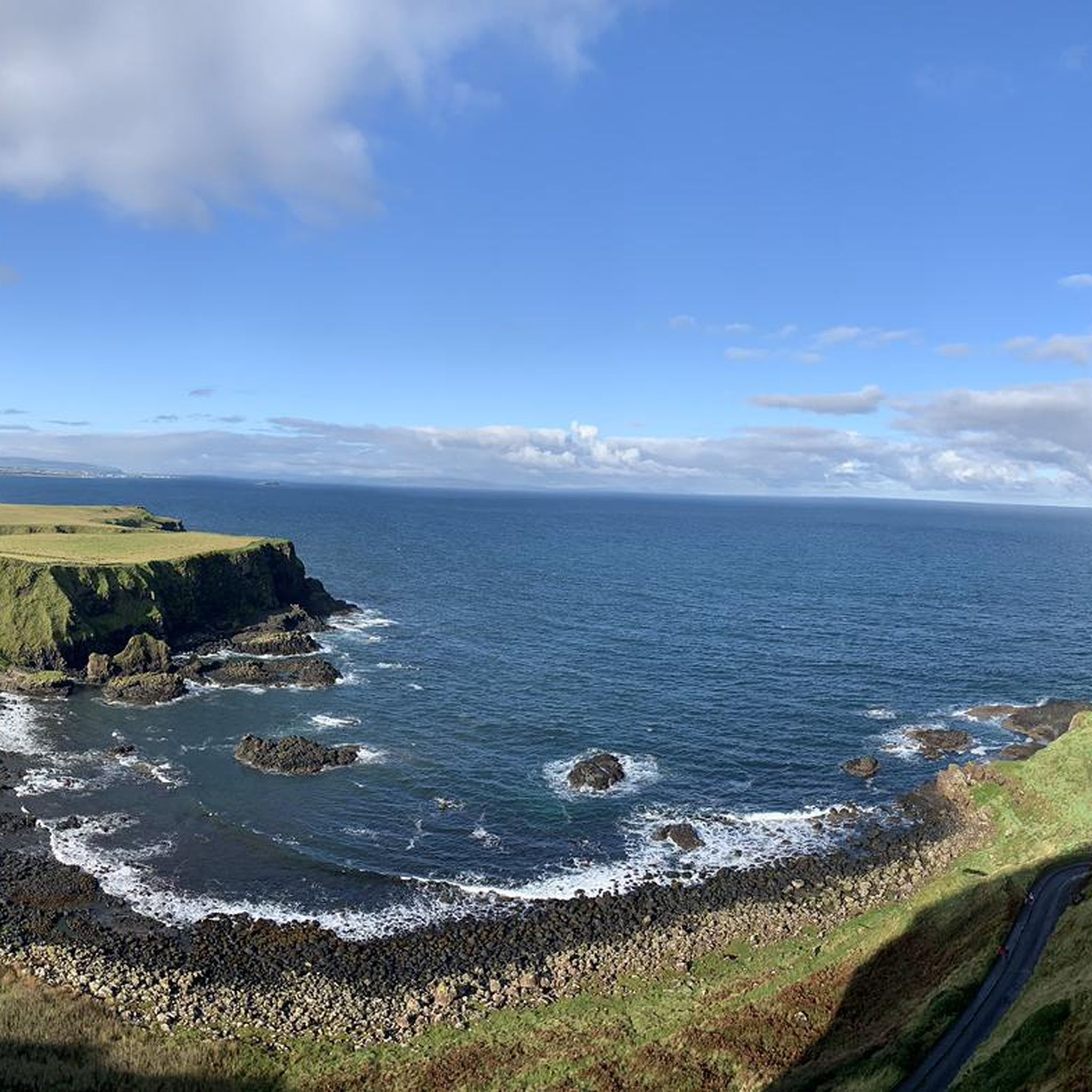
Another great view opens up here and this path leads to the organ pipes. Weatherproof clothing is recommended, as the weather can change from time to time. The footpath is not paved, but is flat and easy to walk.
1
1

Frequently Asked Questions
What are the most popular natural monuments to visit around Clogher North?
The most popular natural monuments in the region include the iconic Giant's Causeway, famous for its unique basalt columns. Nearby, you can also explore The Organ — Giant's Causeway, a cliff formation resembling church organ pipes, and The Amphitheatre (Port Reostan), offering dramatic rock formations and picturesque views.
Are there family-friendly natural monuments around Clogher North?
Yes, several natural monuments are suitable for families. The Giant's Causeway is a fantastic option, offering an engaging experience for all ages with its unique basalt columns. Additionally, Fionn Mac Cumhaill's Shoe, with its intriguing rock formations and local folklore, is also considered family-friendly.
What unique geological features can I expect to see?
The region is renowned for its unique basalt structures, a result of ancient volcanic fissure eruptions. You'll witness approximately 40,000 interlocking basalt columns at the Giant's Causeway, and impressive cliff formations like The Organ. Further afield, the Clogher Valley showcases glacial landforms, including esker-like ridges, while Clogherhead in County Louth features the Iapetus Suture, a geological fault marking the collision of ancient continents.
What historical or cultural sites are near the natural monuments?
Beyond the natural wonders, you can visit the Dunluce Castle Ruins, a medieval castle perched dramatically on a basalt outcropping. In the broader Clogher Valley, County Tyrone, you can explore the Neolithic Knockmany Passage Tomb with its ancient art, and the mystical Saint Patrick's Chair and Well, steeped in local legend.
Are there hiking trails near these natural monuments?
Yes, there are numerous hiking opportunities. For example, you can find routes like the 'Red Trail, Giant's Causeway' (easy) or the 'Portballintrae to Giant's Causeway loop via The Organ — Causeway Coast' (moderate). For a comprehensive list of trails, explore the Hiking around Clogher North guide.
What kind of views can I expect from the viewpoints?
The viewpoints offer spectacular coastal scenery and geological formations. From The Amphitheatre (Port Reostan), you'll get dramatic vistas of rock formations resembling an ancient arena. Many spots along the Causeway Coast provide panoramic views of the sea, cliffs, and the unique basalt landscape.
What do visitors enjoy most about the natural monuments in this area?
Visitors frequently express awe at the unique geological formations, particularly the basalt columns of the Giant's Causeway. Many appreciate the dramatic coastal landscapes, the historical context of sites like Dunluce Castle, and the opportunity to witness nature's artistry, as seen in formations like The Organ.
Can I find easy walking routes around the natural monuments?
Absolutely. There are several easy walking routes, such as the 'Red Trail, Giant's Causeway' and the 'Portballintrae & Runkerry Beach loop via Bush Bridge'. These trails allow you to experience the natural beauty without strenuous effort. More options can be found in the Easy hikes around Clogher North guide.
Are there opportunities for running or jogging near the natural monuments?
Yes, the area offers several running trails. The 'Causeway Coast Way' has sections suitable for jogging, and there are loops like 'View of Giant's Causeway – Giant's Causeway loop from Portballintrae'. For detailed routes and distances, refer to the Running Trails around Clogher North guide.
What is the significance of the Knockmany Passage Tomb?
The Knockmany Passage Tomb, located in Clogher Valley, County Tyrone, is a Neolithic burial site dating back 4,000 to 5,000 years. It features a passage leading to a central chamber with distinctive passage tomb art, considered among the finest in Ulster. It offers panoramic views and is steeped in folklore, with some believing it's the burial place of mythical queens.
What is special about Saint Patrick's Chair and Well?
Located in Altadaven Glen, Clogher Valley, Saint Patrick's Chair and Well is a site rich in legend. The 'Chair' is a large, throne-like sandstone block, believed to have been a druid worship site. Nearby, a well is said to possess healing properties. It's a unique blend of natural beauty, ancient pagan traditions, and early Christian heritage, with local legends suggesting wishes made there come true.
Are there any natural monuments with mythological connections?
Yes, Fionn Mac Cumhaill's Shoe, a sea-created rock formation near the Giant's Causeway, is named after the legendary Irish giant Finn MacCool. Similarly, the Knockmany Passage Tomb is associated with folklore, with some believing it to be the burial place of mythical queens or even linked to Fionn mac Cumhaill himself.
Most popular attractions around Clogher North

Get inspired with the komoot mobile app


Explore more
Extend your search for the best caves by checking out these guides of the top ones around Clogher North:
