Top 5 Natural Monuments around Heythrop
Best natural monuments around Heythrop are found within the wider Cotswolds Area of Outstanding Natural Beauty, characterized by its distinctive Jurassic limestone geology. This geological formation shapes the region's rolling hills, valleys, and plateaus, offering a unique natural landscape. The area combines significant natural features with ancient megalithic monuments, providing insights into both geological history and prehistoric human interaction with the environment. Visitors can explore a variety of natural attractions near Heythrop, from ancient stone circles to scenic parklands.
Best…
Last updated: June 16, 2026
The King Stone
Highlight • Monument
Tip by

The Rollright Stones Stone Circle
Highlight • Historical Site
Tip by

Sign up now to discover places like this
Get recommendations on the best single tracks, peaks, & plenty of other exciting outdoor places.
Sign up for free
The Whispering Knights
Highlight • Historical Site
Tip by
Blenheim Park Lake and The Pump House Waterfall
Highlight • Waterfall
Tip by

View of the Cotswolds Hills
Highlight • Natural Monument
Tip by

Sign up for free to discover even more natural monuments around Heythrop.
Sign up for free
Already have an account?
Start today with a free account
Your next adventure awaits.
Login or Signup
Tips from the Community


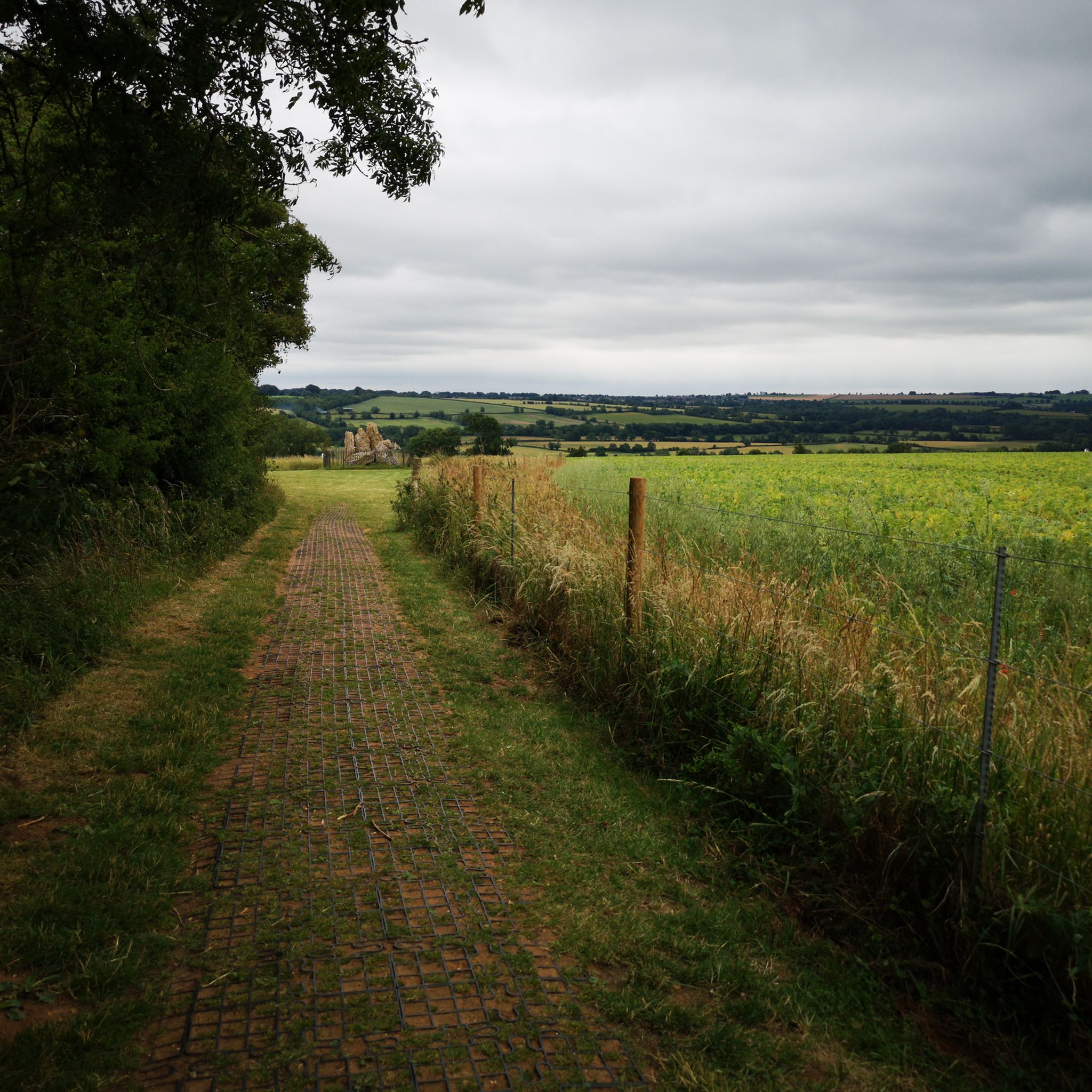
Fabulous walk allowing you to see the stone monuments erected 3,800 years BC. Special attention when you park by the road as there are thief’s that break your car window and take your belongings. This couple that arrive 10 minutes before us had their passports stolen! We opted to park in Salford and do the walk starting there. Safe parking there and plenty of spaces.
1
0

The King Stone is a standing stone in the Cotswolds, England, which dates back to the Bronze Age. It is believed to have been a marker for ancient trade routes or a ceremonial site.
1
0
Read up on the fascinating history attached to the Whispering Knights stones, the third of the Rollright Stones collection in Oxfordshire.
1
0

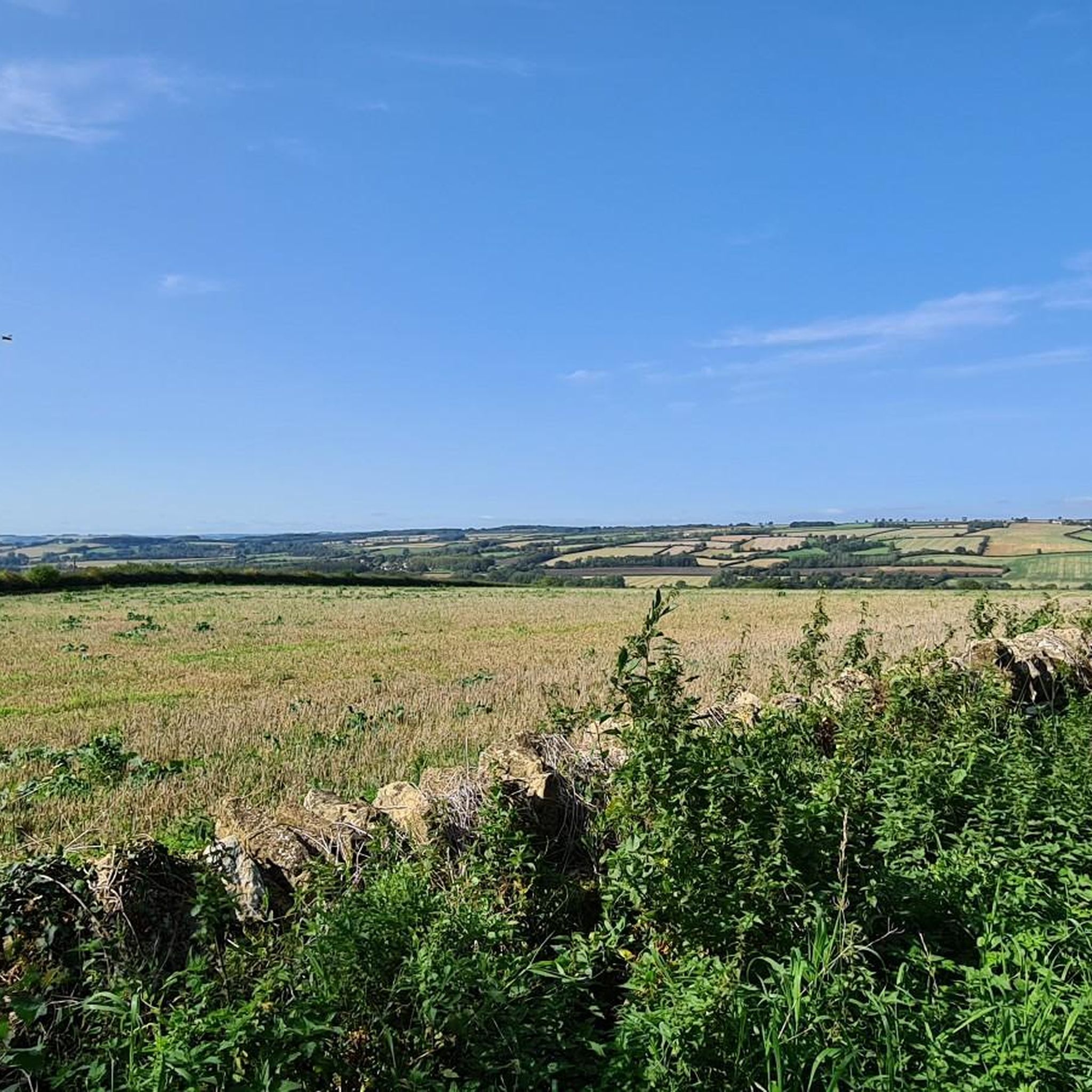
Indeed great views over the Cotswolds hills. Worth a quick stop.
0
0

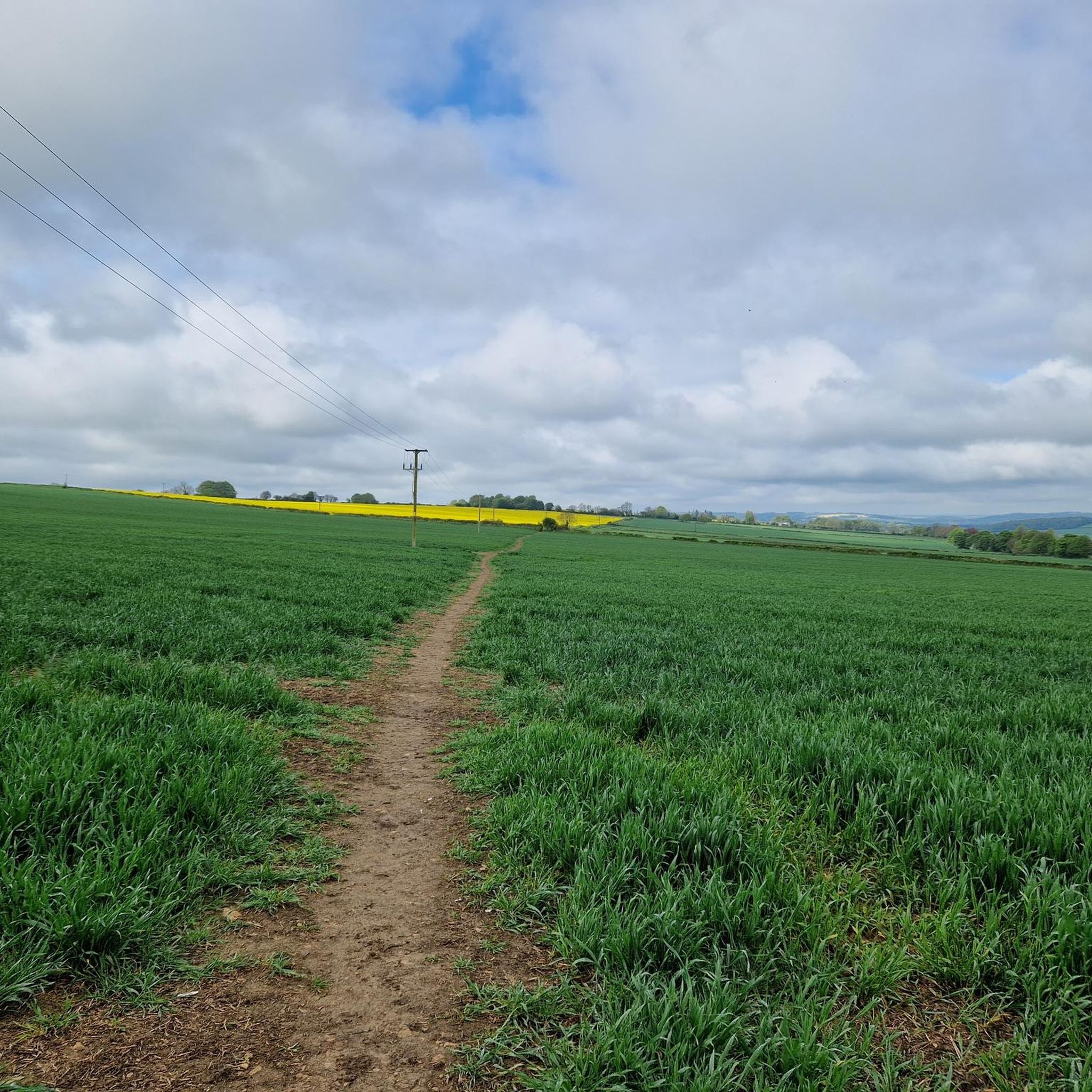
Remember to always keep a pace when going up a big hill
0
0

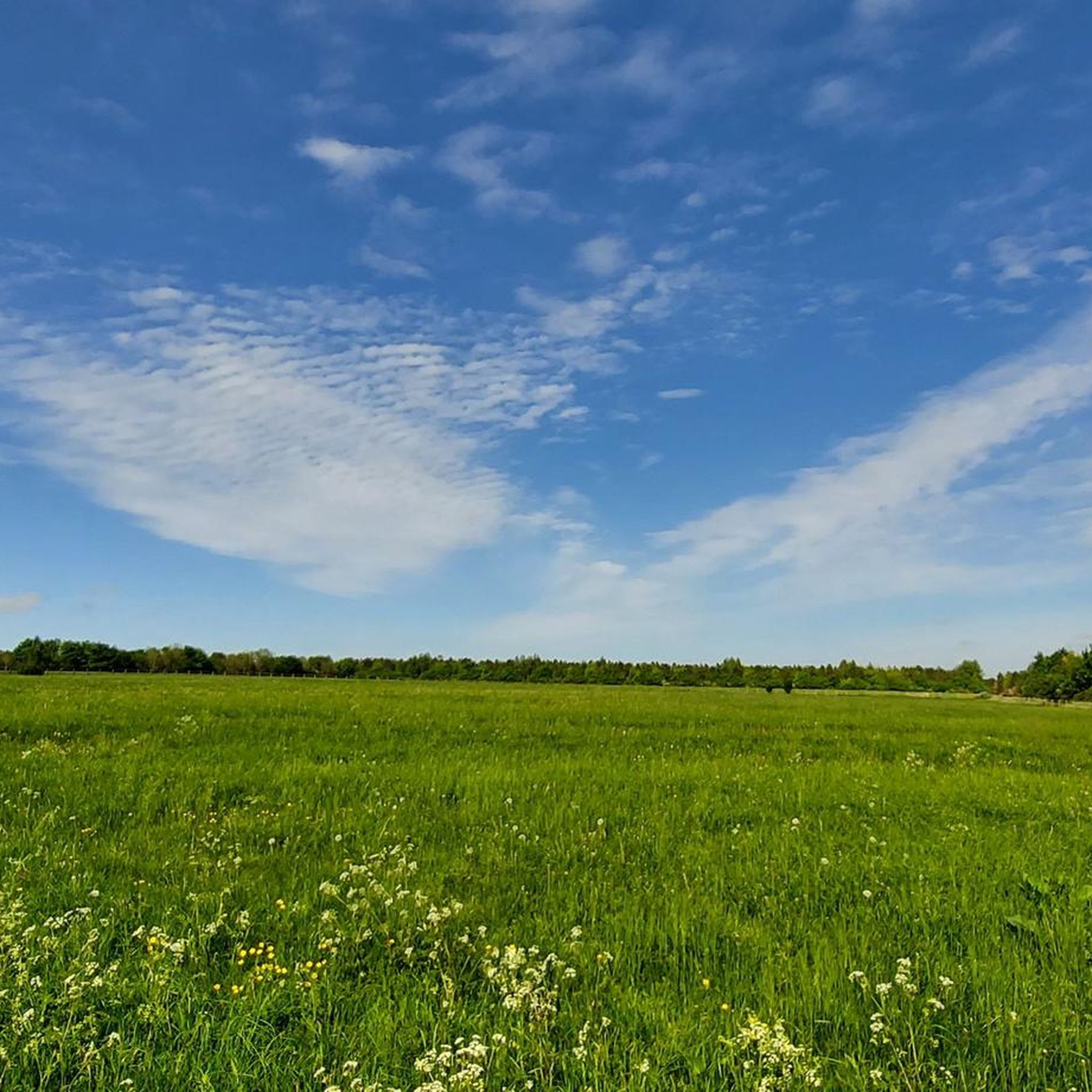
554 acres (224 ha) of glorious parkland await at Blenheim Park, which occupies most of Blenheim Palaces' grounds. The park is a designated Site of Special Scientific Interest due to the habitats it supports. Whilst you have to pay to enter the palace and formal gardens, the park's many footpaths are free to enter. You can take a stroll by the lake, explore the woodland areas, or find a tranquil spot for a picnic.
0
0

The King Stone was erected in early to middle Bronze Age, probably around 1,500 BC. Rather than relating directly to the much older Neolithic Stone Circle, the King Stone was likely erected as a permanent memorial to the Bronze Age round cairn 17m across with a central chamber, which lies immediately to the north-east set exactly on the top the ridge.
1
0
Frequently Asked Questions
What are the most significant natural monuments to visit around Heythrop?
The Heythrop area, situated within the Cotswolds, offers several notable natural monuments. Key sites include The King Stone, The Rollright Stones Stone Circle, and The Whispering Knights, all part of the ancient Rollright Stones complex. Additionally, Blenheim Park Lake and The Pump House Waterfall offers extensive parkland and a designated Site of Special Scientific Interest.
What kind of natural features define the Heythrop region?
The Heythrop region is primarily defined by the distinctive Jurassic limestone geology of the wider Cotswolds. This geology gives rise to the iconic 'Cotswold stone' and shapes the area's characteristic rolling hills, valleys, and plateaus. You'll find ancient woodlands, expansive parklands, and geological formations that expose millions of years of history.
Are there family-friendly natural monuments in the Heythrop area?
Yes, several natural monuments are suitable for families. The entire Rollright Stones complex, including The King Stone, The Rollright Stones Stone Circle, and The Whispering Knights, is considered family-friendly. Blenheim Park Lake and The Pump House Waterfall also offers vast parkland perfect for family strolls and picnics.
What historical significance do the natural monuments around Heythrop hold?
Many natural monuments in the area have deep historical roots. The Rollright Stones, for example, are a complex of Neolithic and Bronze Age megalithic monuments, with The Whispering Knights dating back to the early Neolithic period (around 3,800 BC) as one of Britain's earliest funerary monuments. The King Stone and The Rollright Stones Stone Circle also offer insights into prehistoric human interaction with the natural environment.
What outdoor activities can I do near these natural monuments?
The area around Heythrop is excellent for various outdoor activities. You can find numerous running trails, such as those detailed in the Running Trails around Heythrop guide. For a more leisurely pace, explore easy hikes, including routes like the 'Chipping Norton and Over Norton loop' found in the Easy hikes around Heythrop guide. Cycling enthusiasts can also discover routes through the Cotswolds, as highlighted in the Cycling around Heythrop guide.
Where can I experience panoramic views of the natural landscape near Heythrop?
For breathtaking panoramic views, consider visiting the Cotswold Escarpment. Cleeve Hill, as the highest point in the Cotswolds, offers expansive vistas across the surrounding landscape, allowing you to appreciate the vast natural scenery shaped by the region's unique geology.
Are there any natural reserves or woodlands worth exploring?
Yes, Wychwood National Nature Reserve, located near Witney, offers a chance to experience traditional British woodland. It's particularly known for its vibrant bluebell displays in the spring, providing a beautiful natural spectacle and opportunities for walking and wildlife observation.
What do visitors enjoy most about the natural monuments around Heythrop?
Visitors frequently appreciate the ancient and rustic feel of sites like The Rollright Stones Stone Circle, often described as a 'noble, rustic sight.' Many enjoy the opportunity to connect with ancient history and the serene atmosphere. The scenic views, especially from elevated points, and the chance for peaceful walks are also highly valued.
Can I find geological sites of interest in the area?
The Cotswolds, including the area around Heythrop, is rich in geological sites. Numerous Geological Sites of Special Scientific Interest (SSSIs) exist throughout the region. For instance, Leckhampton Hill and Cleeve Common expose some of the most complete sections of Inferior Oolite rocks, offering valuable insights into the region's ancient past for geologists and nature enthusiasts.
Is public transport available to reach these natural monuments?
While some larger towns in the Cotswolds are accessible by public transport, many of the natural monuments, especially the more remote ones like the Rollright Stones, are best reached by car. It's advisable to check local bus routes and schedules if relying on public transport, as services can be limited, especially to smaller sites.
What is the best time of year to visit the natural monuments around Heythrop?
Spring and summer generally offer the most pleasant weather for exploring, with longer daylight hours. Spring is particularly beautiful for seeing wildflowers, such as the bluebells at Wychwood National Nature Reserve. Autumn brings vibrant foliage. While winter can be colder, it offers a different, often quieter, experience of the landscape.
Are there any natural water features or lakes to visit?
While not strictly a natural monument in its formation, the Cotswold Water Park, though largely formed from gravel extraction, has evolved into a significant nature reserve. It features 150 lakes spread over 40 miles, providing diverse habitats for wildlife and offering various water sports and birdwatching opportunities.
Most popular attractions around Heythrop

Get inspired with the komoot mobile app


Explore more
Extend your search for the best caves by checking out these guides of the top ones around Heythrop:
