Top 12 Natural Monuments around Buckland
Natural monuments around Buckland, Oxfordshire, are defined by ancient chalk landscapes and historical sites. This region features prominent hill figures, geological formations, and wooded areas. The area offers a variety of natural features, including ancient earthworks and river access points. These natural landmarks provide opportunities for exploration and connection with the local environment.
Best natural monuments around Buckland
- The most popular natural monuments is Uffington White Horse, a natural monument that is the oldest chalk-cut hill figure in Britain.…
Last updated: June 30, 2026
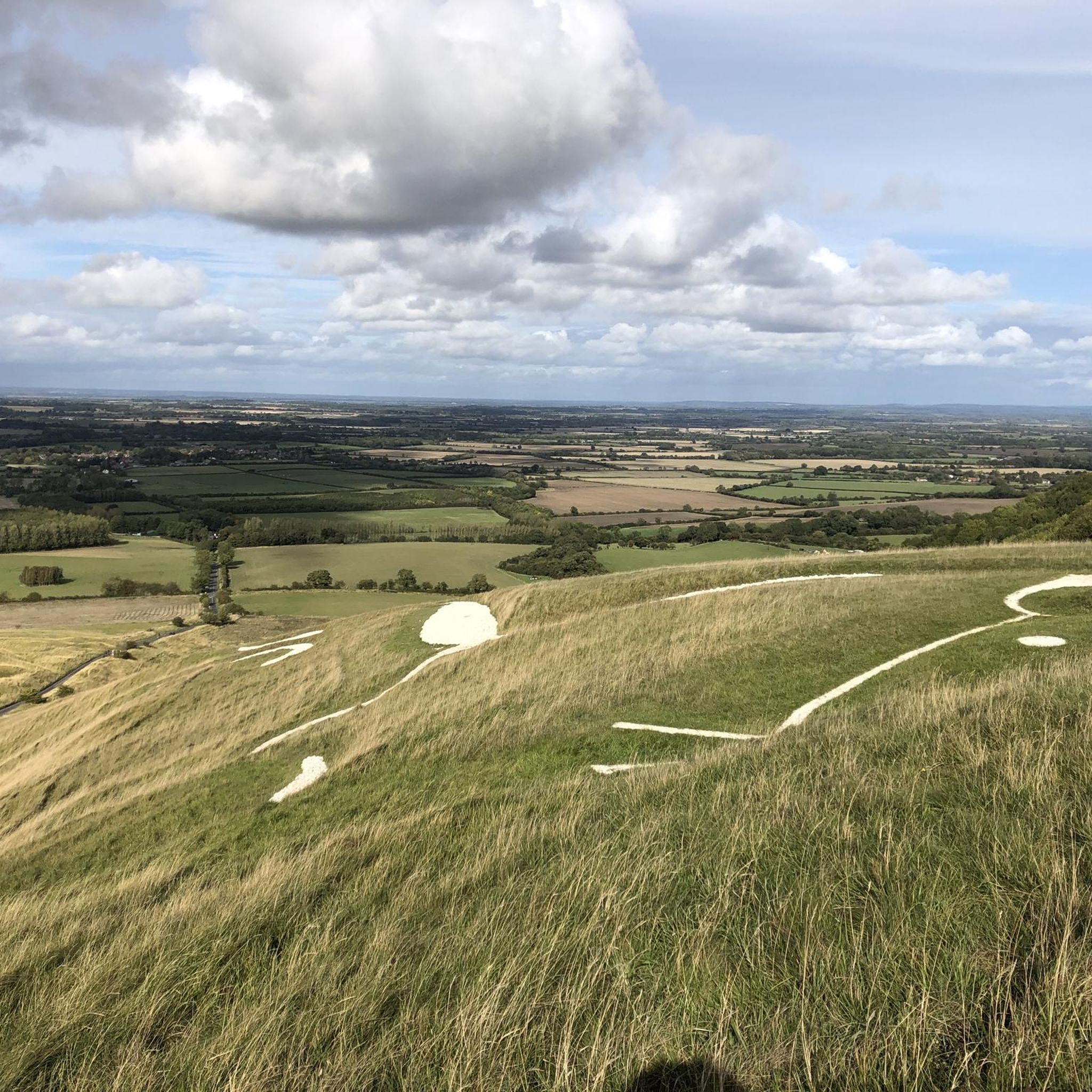
Uffington White Horse
Highlight • Monument
Tip by

Dragon Hill
Highlight • Natural Monument
Translated by Google •
Tip by

Sign up now to discover places like this
Get recommendations on the best single tracks, peaks, & plenty of other exciting outdoor places.
Sign up for free
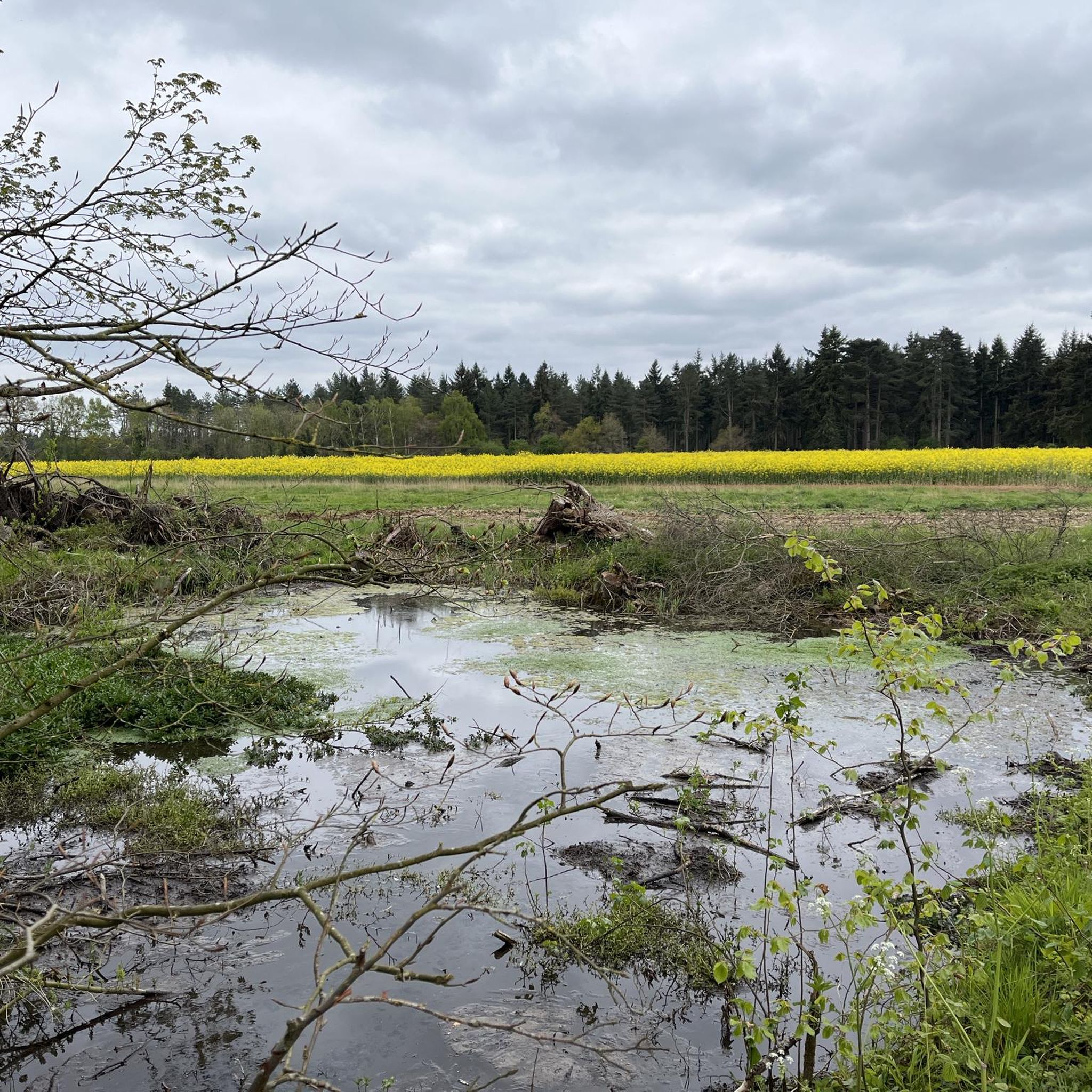
Badbury Clump Bluebell Woods
Highlight • Natural Monument
Tip by

The Blowingstone
Highlight • Natural Monument
If you …
Tip by

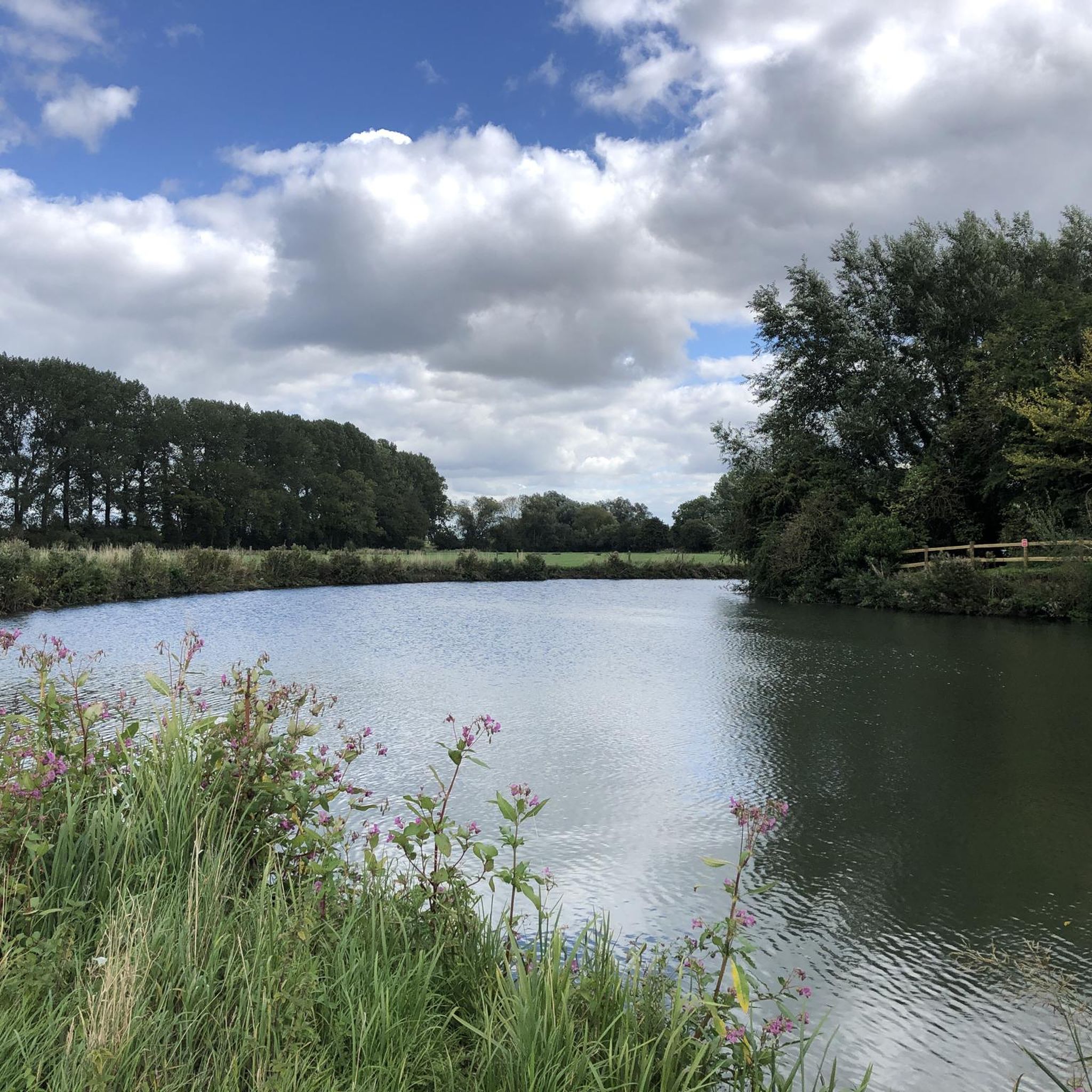
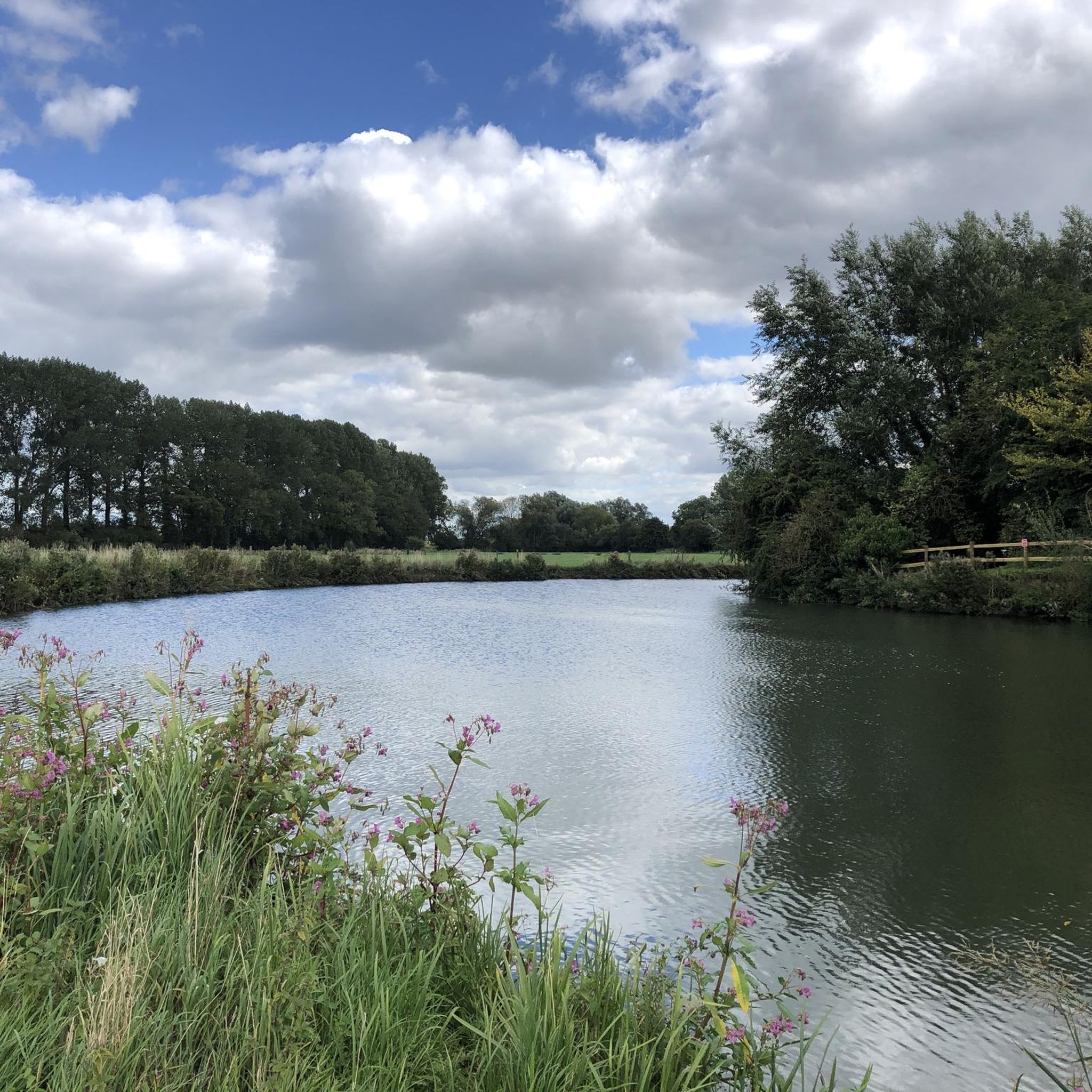
Cheese Wharf Wild Swimming Spot
Highlight • River
Tip by
Sign up for free to discover even more natural monuments around Buckland.
Sign up for free
Already have an account?
Start today with a free account
Your next adventure awaits.
Login or Signup

Tips from the Community

Tip: If you're hiking at White Horse Hill in Uffington, take your time to soak in the ancient history and breathtaking views. The hill is home to the famous Uffington White Horse, a prehistoric chalk figure carved into the hillside over 3,000 years ago. Hike: The trail around the hill offers stunning panoramas of the Vale of White Horse and beyond. You can extend your walk to Dragon Hill, a small flat-topped hill linked to legends of St. George, and even further to Wayland’s Smithy, a Neolithic burial chamber. The open landscape and rolling hills make for a refreshing and scenic hike!
0
0
small, flat-topped hill near White Horse Hill in Uffington, shrouded in myth and legend. One of the most famous stories claims that this is where St. George slew the dragon. The bare patch of chalk at the top is said to be the spot where the dragon’s blood spilled, making the grass unable to grow there. Geologically, the hill is a natural chalk formation, but its unusual shape and connection to local folklore make it a fascinating stop on any hike in the area. From the top, you get a great view of the surrounding countryside, adding to the mystical feel of the place!
0
0
If you're hiking at White Horse Hill in Uffington, take your time to soak in the ancient history and breathtaking views. The hill is home to the famous Uffington White Horse, a prehistoric chalk figure carved into the hillside over 3,000 years ago. The trail around the hill offers stunning panoramas of the Vale of White Horse and beyond. You can extend your walk to Dragon Hill, a small flat-topped hill linked to legends of St. George, and even further to Wayland’s Smithy, a Neolithic burial chamber. The open landscape and rolling hills make for a refreshing and scenic hike!
0
0
If you're hiking at White Horse Hill in Uffington, take your time to soak in the ancient history and breathtaking views. The hill is home to the famous Uffington White Horse, a prehistoric chalk figure carved into the hillside over 3,000 years ago. The trail around the hill offers stunning panoramas of the Vale of White Horse and beyond. You can extend your walk to Dragon Hill, a small flat-topped hill linked to legends of St. George, and even further to Wayland’s Smithy, a Neolithic burial chamber. The open landscape and rolling hills make for a refreshing and scenic hike! Attention - no drones allowed
0
0

Badbury Hill is home to the Iron Age Badbury Camp, a circular hill fort partially leveled in the 19th century. It’s thought to be a possible site of the Battle of Mons Badonicus. The hill also has a WWII firing range on its west side. Today, Badbury Clump, a nine-acre wooded area, is known for its bluebells in May and is a popular spot for walkers and dog owners. It’s now managed by the National Trust.
2
0

Great to view at a distance or with a drone. Nothing really to observe when close up.
1
0
Go when the sky is clear. If you go on a cloudy day you'll be disappointed.
0
0
Come on a clear day. I didn't. Also I bet it looks great with a drone. Next on my wishlist. The Uffington White Horse is a prehistoric hill figure, 110 m (360 ft) long, formed from deep trenches filled with crushed white chalk. The figure is situated on the upper slopes of Whitehorse Hill in the English civil parish of Uffington in Oxfordshire, some 16 km (10 mi) east of Swindon, 8 km (5.0 mi) south of the town of Faringdon and a similar distance west of the town of Wantage; or 2.5 km (1.6 mi) south of Uffington. The hill forms a part of the scarp of the Berkshire Downs and overlooks the Vale of White Horse to the north. The best views of the figure are obtained from the air, or from directly across the Vale, particularly around the villages of Great Coxwell, Longcot, and Fernham. The Uffington White Horse was created some time between 1380 and 550 bc, during the late Bronze Age or early Iron Age. The site is owned and managed by the National Trust and is a scheduled monument. The Guardian stated in 2003 that "for more than 3,000 years, the Uffington White Horse has been jealously guarded as a masterpiece of minimalist art." The Uffington Horse is by far the oldest of the white horse figures in Britain; the others inspired by it have an entirely different design. Until the late 19th century, the horse was scoured every seven years as part of a more general local fair held on the hill. Francis Wise wrote in 1736: "The ceremony of scouring the Horse, from time immemorial, has been solemnized by a numerous concourse of people from all the villages roundabout." After the work was done a rural festival was held sponsored by the lord of the manor. During the Second World War the figure, easily recognisable from the air, was covered over with turf and hedge trimmings so that Luftwaffe pilots could not use it for navigation during bombing raids. It was uncovered after the war by Welsh archaeology professor William Francis Grimes.
1
0
Frequently Asked Questions
What unique natural monuments can I explore around Buckland, Oxfordshire?
Buckland, Oxfordshire, is home to several unique natural monuments. You can visit the ancient Uffington White Horse, Britain's oldest chalk-cut hill figure, which is over 3,000 years old. Nearby, Dragon Hill offers panoramic views and is steeped in local folklore. For a different experience, explore Badbury Clump Bluebell Woods, especially beautiful in May, which also contains an Iron Age camp.
Are there family-friendly natural monuments suitable for children around Buckland?
Yes, several natural monuments around Buckland are great for families. Badbury Clump Bluebell Woods is a popular spot for walkers and dog owners, offering a pleasant wooded area to explore. Another fascinating stop is The Blowingstone, a perforated rock where legend says King Alfred summoned his troops by blowing through it, which can be a fun, interactive experience for kids.
Where can I find the best viewpoints of the Buckland countryside?
For stunning views of the surrounding countryside, head to Dragon Hill, a small, flat-topped hill near White Horse Hill. From the summit of Uffington White Horse, you are also afforded wonderful, expansive views over the Vale of White Horse.
What kind of natural features and wildlife can I expect to see around Buckland's natural monuments?
The natural monuments around Buckland are characterized by ancient chalk landscapes, geological formations, and wooded areas. You can expect to see the unique chalk-cut figures like the Uffington White Horse. In places like Badbury Clump Bluebell Woods, you'll find beautiful bluebells in bloom during May and a variety of woodland flora. The area's grasslands and river access points, such as Cheese Wharf Wild Swimming Spot on the River Thames, also support local wildlife.
Are there historical sites integrated with the natural monuments in Buckland?
Yes, the natural monuments in Buckland often have rich historical significance. The Uffington White Horse is not only a natural monument but also an ancient prehistoric hill figure, part of an Iron Age hill fort. Badbury Clump Bluebell Woods is home to the Iron Age Badbury Camp, a circular hill fort. Additionally, The Blowingstone is tied to the legend of King Alfred the Great.
What outdoor activities can I do near the natural monuments in Buckland?
The area around Buckland's natural monuments is excellent for various outdoor activities. You can enjoy hiking on trails like the easy 'Yew Tree Avenue loop' or 'Three Corner Clump – Buckland Warren loop'. For more options, explore the hiking routes around Buckland. Mountain biking and gravel biking are also popular, with routes such as the 'View of Ridgeway Reservoir – Lord Wantage Monument loop' for MTB or the 'Eastleach Turville loop' for gravel biking. Find more details on MTB trails and gravel biking routes in the region.
Are there any wild swimming spots near Buckland's natural monuments?
Yes, if you're looking for a refreshing dip, the Cheese Wharf Wild Swimming Spot on the River Thames near Buscot is a brilliant option. It's owned by the National Trust and offers a lovely place to swim in nature.
What do visitors enjoy most about the natural monuments around Buckland?
Visitors particularly enjoy the historical significance and the stunning views. The Uffington White Horse is appreciated for its ancient artistry and the wonderful views from its summit. Dragon Hill is loved for its fantastic all-round views and mystical feel. The beauty of Badbury Clump Bluebell Woods, especially during bluebell season, is also a major draw for walkers and dog owners.
What is the best time of year to visit the natural monuments in Buckland?
The best time to visit depends on your interests. Spring, particularly May, is ideal for seeing the bluebells in full bloom at Badbury Clump Bluebell Woods. Clear days throughout the year offer the best visibility for enjoying the panoramic views from Uffington White Horse and Dragon Hill. Summer and early autumn provide pleasant weather for hiking and exploring the outdoor sites.
Are there easy walking routes to access the natural monuments?
Yes, many natural monuments in the Buckland area are accessible via easy walking routes. For instance, there are several easy hiking routes around Buckland, such as the 'Yew Tree Avenue loop' and 'Three Corner Clump – Buckland Warren loop', which can lead you to various natural features. The walk to the Uffington White Horse from the nearby parking lot is also a relatively short and manageable hike.
Is parking available near the natural monuments in Buckland?
Yes, parking is generally available. For example, there is a parking lot not far from the Uffington White Horse, which makes it convenient to access. For the Cheese Wharf Wild Swimming Spot, there are a couple of parking spaces nearby.
Most popular attractions around Buckland

Get inspired with the komoot mobile app


Explore more
Extend your search for the best caves by checking out these guides of the top ones around Buckland:
