Claydon With Clattercot
Claydon With Clattercot
Top 4 Natural Monuments around Claydon With Clattercot
Natural monuments around Claydon With Clattercot encompass a rural landscape characterized by waterways and historical geological features. The area, situated on a hill of Early Jurassic Middle Lias clay, offers insights into ancient marine life through fossil finds. Key natural features include the Clattercote Reservoir and sections of the Oxford Canal, providing habitats for diverse wildlife and opportunities for outdoor activities. This region presents a blend of natural beauty and historical significance, making it suitable for exploration.
Best natural monuments…
Last updated: October 16, 2026
Battle of Edgehill Site
Highlight • Historical Site
Tip by

Battle of Edgcote
Highlight • Viewpoint
Tip by
Sign up now to discover places like this
Get recommendations on the best single tracks, peaks, & plenty of other exciting outdoor places.
Wroxton Obelisk
Highlight • Monument
Tip by

Harts Hill
Highlight • Natural Monument
Tip by
Start today with a free account
Your next adventure awaits.
Tips from the Community

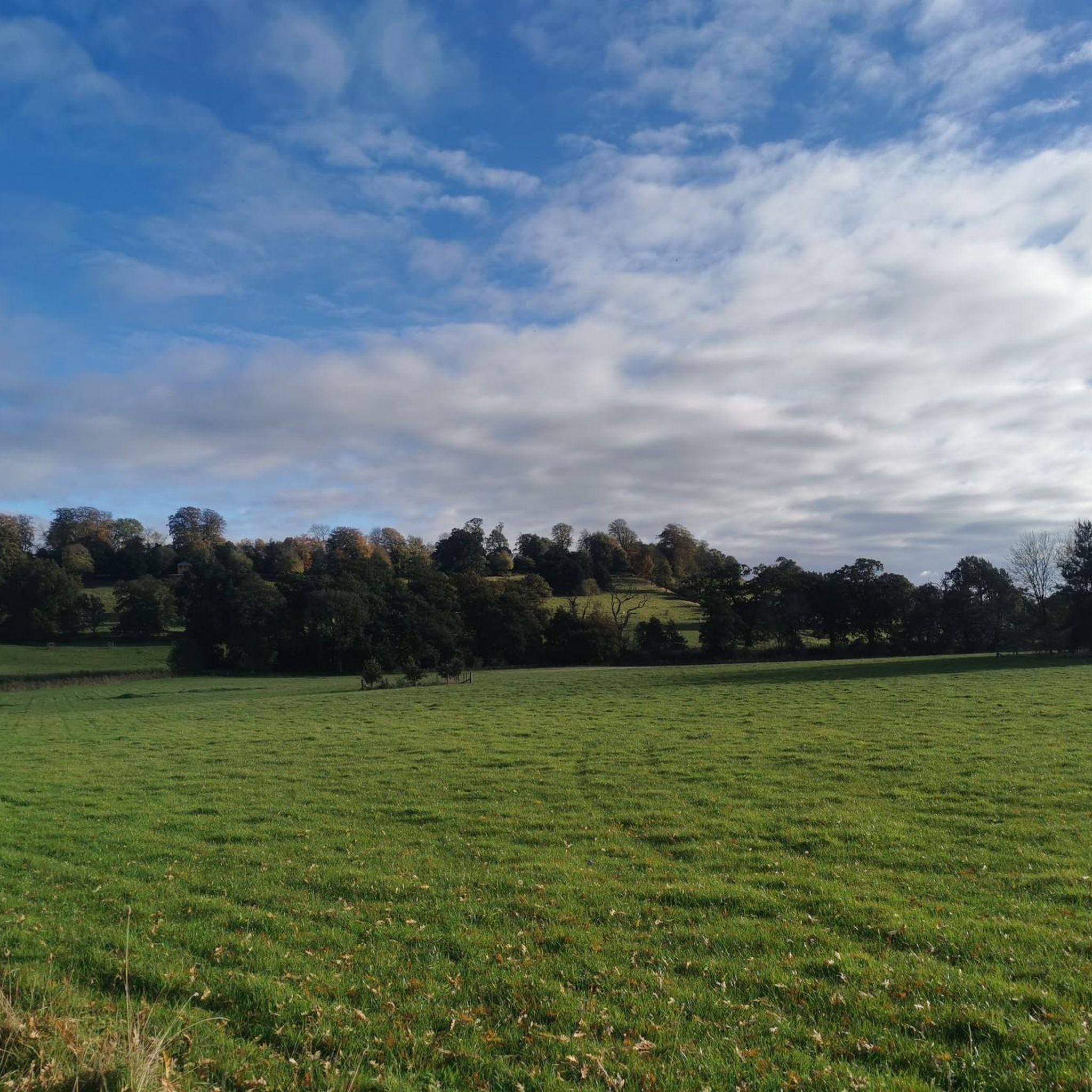
This is the location of the Battle of Edgehill, a pitched battle of the First English Civil War occurring on Sunday 23rd October 1642. A detailed information board stands here describing how the event unfolded, offering a fascinating window into the area's past.
1
0
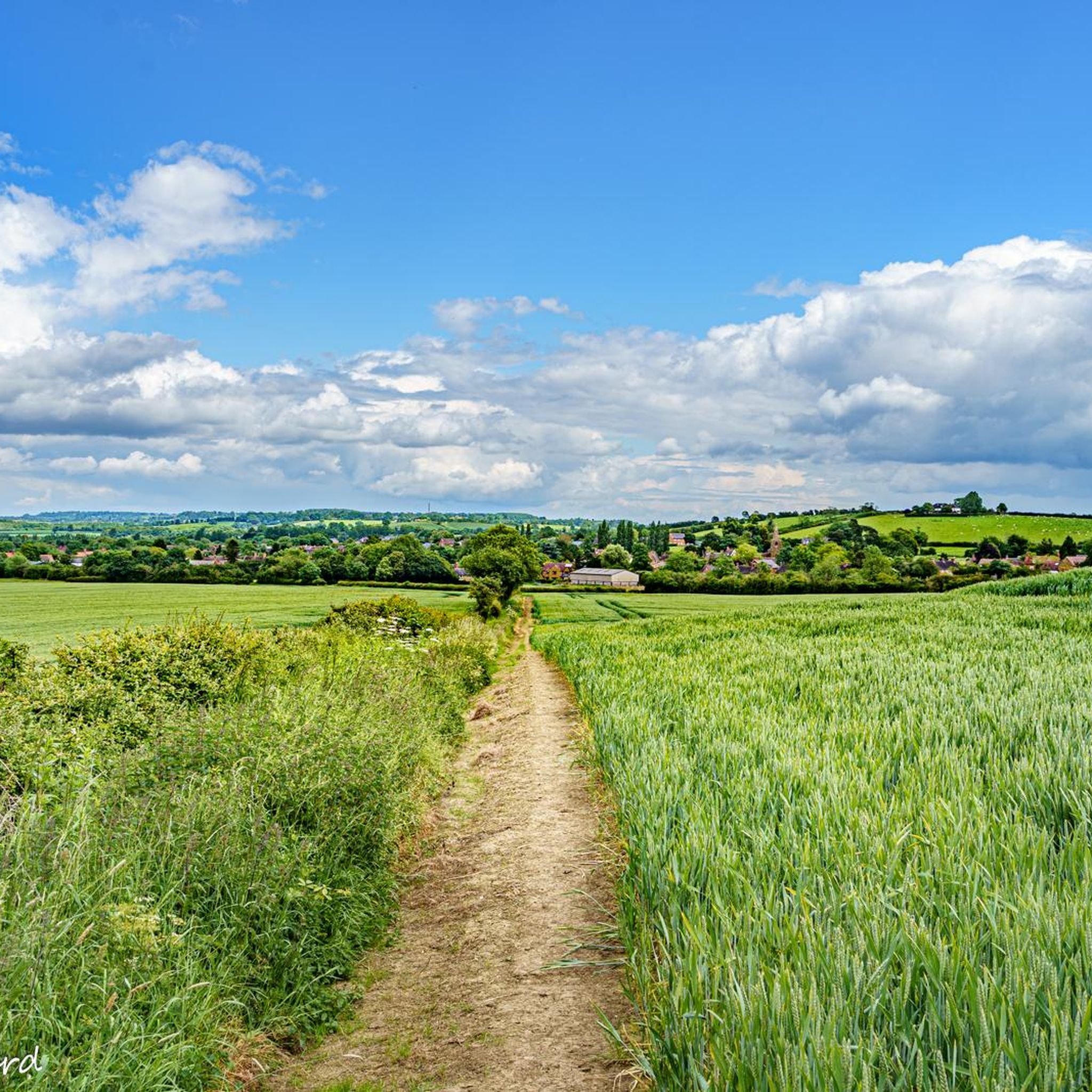
Enjoy fantastic views as you run through the countryside toward Wroxton Obelisk. In the spring and summer months, you will be delighted by a gorgeous display of blooming flowers that create a very picturesque setting.
0
1

The Battle of Edgehill (or Edge Hill) was a pitched battle of the First English Civil War. It was fought near Edge Hill and Kineton in southern Warwickshire on Sunday, 23 October 1642. All attempts at constitutional compromise between King Charles and Parliament broke down early in 1642. Both the King and Parliament raised large armies to gain their way by force of arms. In October, at his temporary base near Shrewsbury, the King decided to march to London in order to force a decisive confrontation with Parliament's main army, commanded by the Earl of Essex. Late on 22 October, both armies unexpectedly found the enemy to be close by. The next day, the Royalist army descended from Edge Hill to force battle. After the Parliamentarian artillery opened a cannonade, the Royalists attacked. Both armies consisted mostly of inexperienced and sometimes ill-equipped troops. Many men from both sides fled or fell out to loot enemy baggage, and neither army was able to gain a decisive advantage.
1
0


Views over the Warwickshire plains, edge hill was one of the battles in the English Civil war
0
0
The Battle of Edgehill (or Edge Hill) was a pitched battle of the First English Civil War. It was fought near Edge Hill and Kineton in southern Warwickshire on Sunday, 23 October 1642. All attempts at constitutional compromise between King Charles and Parliament broke down early in 1642. Both the King and Parliament raised large armies to gain their way by force of arms. In October, at his temporary base near Shrewsbury, the King decided to march to London in order to force a decisive confrontation with Parliament's main army, commanded by the Earl of Essex. Late on 22 October, both armies unexpectedly found the enemy to be close by. The next day, the Royalist army descended from Edge Hill to force battle. After the Parliamentarian artillery opened a cannonade, the Royalists attacked. Both armies consisted mostly of inexperienced and sometimes ill-equipped troops. Many men from both sides fled or fell out to loot enemy baggage, and neither army was able to gain a decisive advantage.
0
0
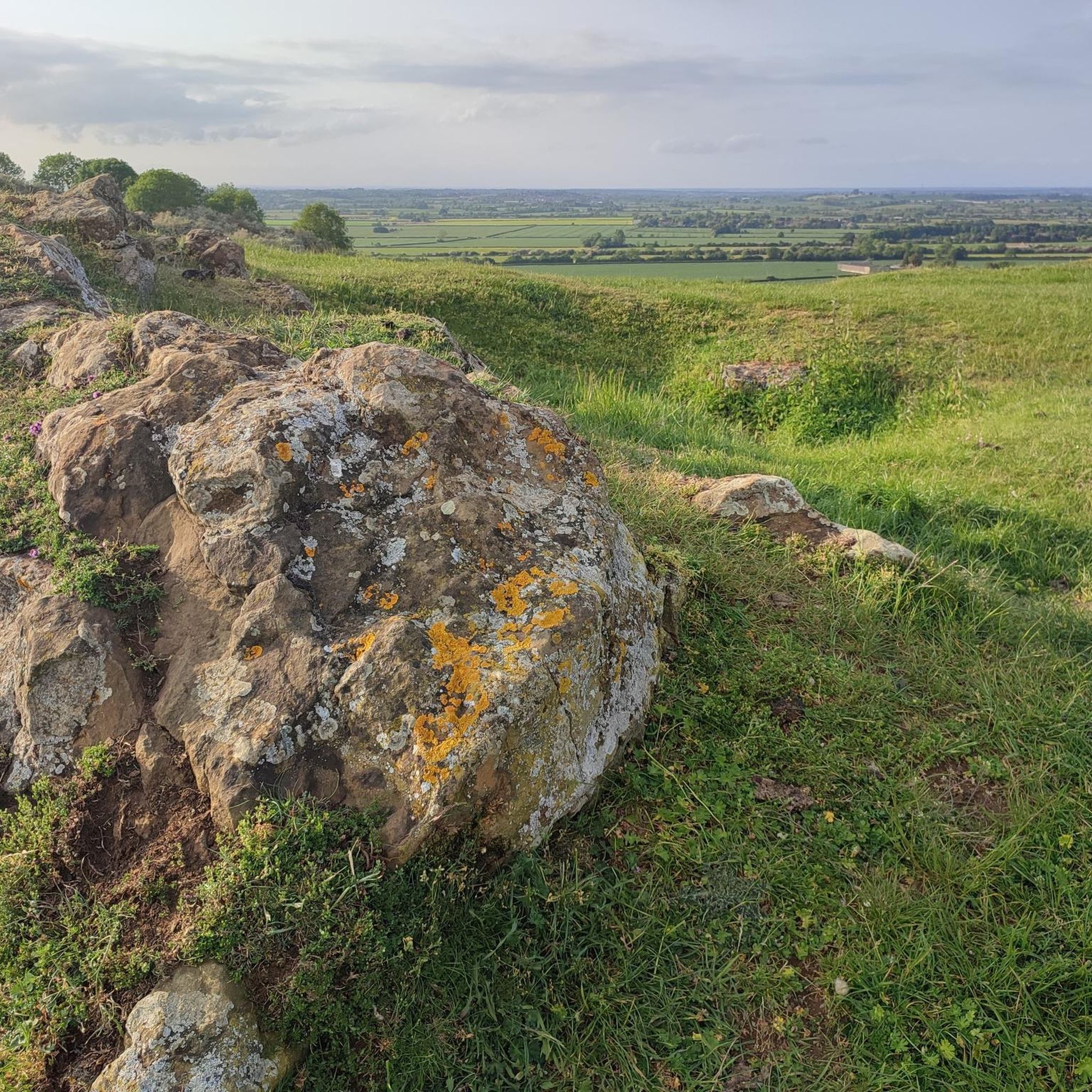
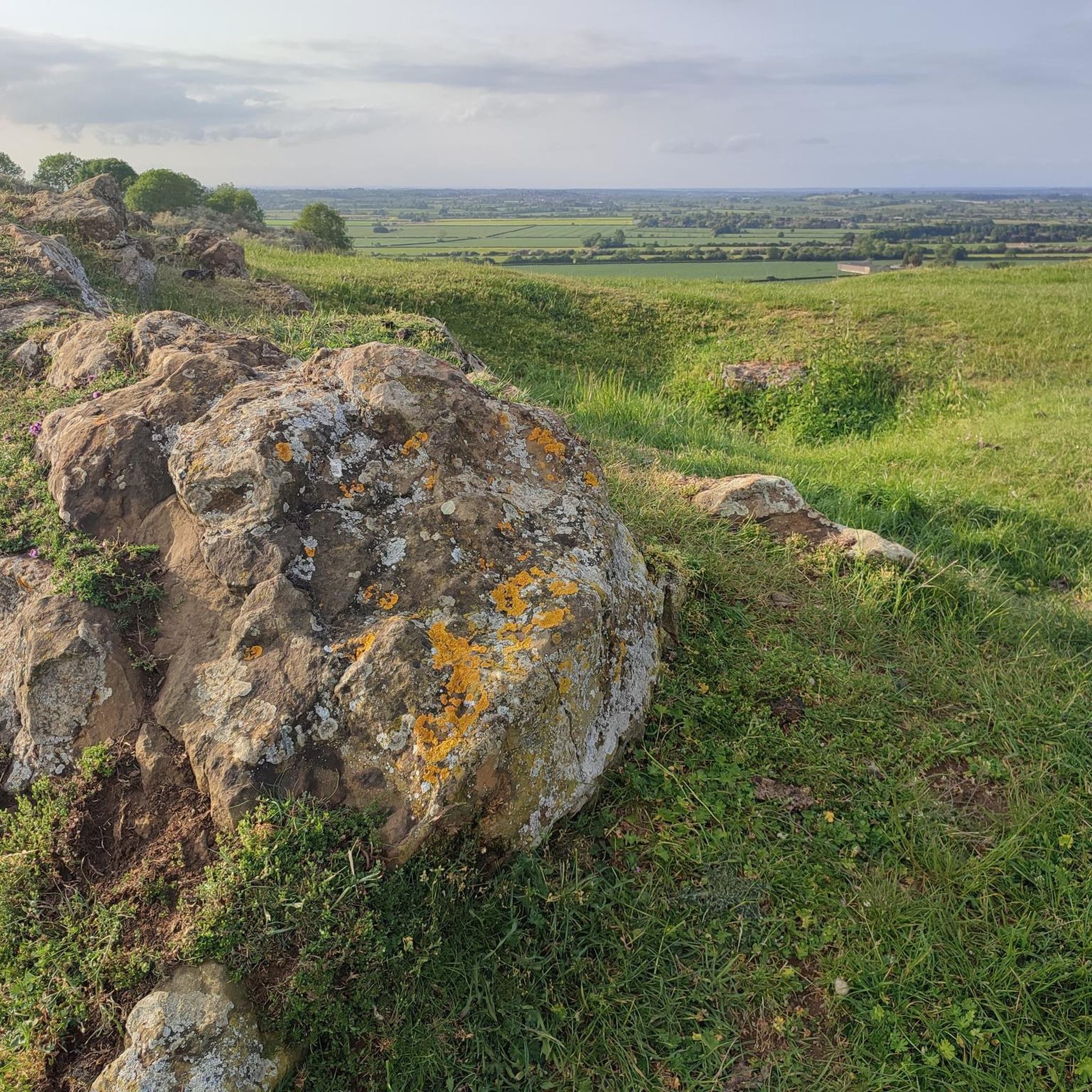
A circular earthwork is clearly visible on the ground on Harts Hill. It measures approximately 15m internal diameter, the ditch is 2m wide and the entrance (facing SE) is 2.5m across.
0
0

Frequently Asked Questions
What natural features can I explore around Claydon With Clattercot?
The region offers a blend of natural and historical features. Key natural attractions include the tranquil Clattercote Reservoir, known for its diverse wildlife and circular boardwalk, and sections of the historic Oxford Canal, particularly around Claydon Locks, which offer picturesque towpath walks. The area also has interesting geological characteristics, including the 'clay hill' on which Claydon village stands, and historical records of fossil finds.
What kind of wildlife can I expect to see at the natural monuments?
Clattercote Reservoir is a fantastic spot for wildlife enthusiasts. It's a vital habitat for wetland plants like meadowsweet and gypsywort, and its waters and banks are frequented by dragonflies and damselflies, including the scarce ruddy darter. It also serves as an important stopping point for migrating wildfowl. Along the Oxford Canal, you can often spot various bird species and other small animals that thrive in the waterway environment.
Are there any significant geological sites or features in the area?
Yes, the village of Claydon itself is situated on a 'hill of Early Jurassic Middle Lias clay,' providing elevated views. Historically, the ground in Claydon has yielded 'rich golden firestone' and unusually large 'asteria' (star-stones). The region is also notable for ammonite fossils, which are commonly found in Jurassic-period rocks, indicating the area's ancient past as a seabed. While specific fossil-hunting sites may require local inquiry, the geological makeup is a fascinating backdrop to the landscape.
Are there any historical sites considered natural monuments in Claydon With Clattercot?
Several sites blend natural landscapes with significant history. The Battle of Edgehill Site and the Battle of Edgcote are both historical battlegrounds set within natural surroundings, offering insights into the English Civil War and the Wars of the Roses. Additionally, the Holy Well, Burton Dassett, though man-made, is deeply integrated into the natural landscape and local folklore. Harts Hill features a visible circular earthwork, hinting at ancient human activity within a natural setting.
What walking opportunities are available near the natural monuments?
You'll find excellent walking opportunities. Clattercote Reservoir features a circular boardwalk trail perfect for a peaceful stroll. The towpath along the Oxford Canal, especially near Claydon Locks, offers serene walks through rural landscapes. For more extensive options, you can explore the hiking routes around Claydon With Clattercot, which include paths like the 'Holy Well, Burton Dassett – Windmill Hill Beacon loop'.
Are there any easy or family-friendly walks among the natural monuments?
Absolutely. The circular boardwalk trail around Clattercote Reservoir is an easy and accessible option, suitable for families. The towpaths along the Oxford Canal also provide gentle, flat walks. For more structured easy routes, consider exploring the easy hikes around Claydon With Clattercot, which feature routes like the 'Oxford Canal at Cropredy – Cropredy Wharf loop'.
Can I go cycling near the natural monuments?
Yes, the area offers opportunities for cycling. While the immediate paths around some natural monuments might be for walking, the wider region has dedicated cycling routes. You can find various options, including road cycling, by checking the Road Cycling Routes around Claydon With Clattercot. These routes often pass by scenic viewpoints and through the countryside.
Is there parking available at the natural monuments?
For Clattercote Reservoir, there is a car park conveniently located at its eastern end, just off Mollington Road, providing easy access to the boardwalk and fishing spots. Parking availability for other natural monuments or historical sites may vary, so it's advisable to check local signage.
What is the best time of year to visit the natural monuments in Claydon With Clattercot?
The natural monuments are enjoyable year-round, but each season offers a different experience. Spring and summer are ideal for wildlife spotting at Clattercote Reservoir, with dragonflies and blooming plants. The pleasant weather also makes walking along the Oxford Canal towpaths very enjoyable. Autumn brings beautiful foliage, while winter can offer crisp, quiet walks, especially if you're prepared for cooler temperatures.
Are the natural monuments in Claydon With Clattercot dog-friendly?
Many of the natural areas, such as the walks around Clattercote Reservoir and along the Oxford Canal towpaths, are generally dog-friendly. However, it's always recommended to keep dogs on a lead, especially near wildlife habitats or livestock, and to follow the Countryside Code by cleaning up after your pet. Specific rules may apply at certain historical sites, so look for local signage.
What makes the Oxford Canal a natural monument in this region?
The Oxford Canal, particularly around Claydon Locks, is considered a natural monument due to its unique blend of historical engineering and natural beauty. As an early contour canal, it meanders through the countryside, often supplied by natural reservoirs like Clattercote. Its towpaths offer serene rural landscapes, and the waterway itself supports diverse local wildlife, making it an integral part of the region's natural and cultural heritage.
What should I bring for a visit to the natural monuments?
For a comfortable visit, we recommend bringing appropriate footwear for walking, especially if you plan to explore the towpaths or trails. Depending on the weather, layers of clothing, a waterproof jacket, and sun protection are advisable. Don't forget water and snacks. If you're interested in wildlife, binoculars are a great addition for spotting birds and insects at Clattercote Reservoir.
Most popular routes around Claydon With Clattercot
Most popular attractions around Claydon With Clattercot

Get inspired with the komoot mobile app


Explore more
Extend your search for the best caves by checking out these guides of the top ones around Claydon With Clattercot:
