Top 7 Natural Monuments around Whitwell
Natural monuments around Whitwell, Derbyshire, encompass a landscape shaped by geological processes and historical significance. The area features ancient woodlands, limestone gorges, and extensive cave systems. These natural attractions offer insights into prehistoric human activity and diverse ecosystems. Whitwell provides access to 7 natural monuments, making it a destination for exploring geological formations and historical sites.
Best natural monuments around Whitwell
- The most popular natural monuments is Creswell Crags: Gorge and Lake, a lake that is a beautiful limestone…
Last updated: October 16, 2026
Creswell Crags: Gorge and Lake
Highlight • Lake
Tip by

Dead Man's Hole
Highlight • Natural Monument
Tip by

Sign up now to discover places like this
Get recommendations on the best single tracks, peaks, & plenty of other exciting outdoor places.
Robin Hood's Cave, Creswell Crags
Highlight • Cave
Tip by

Clumber Park Walled Kitchen Garden and Glasshouse
Highlight • Structure
Tip by

Church Hole Cave
Highlight • Cave
Tip by

Sign up for free to discover even more natural monuments around Whitwell.
Already have an account?
Start today with a free account
Your next adventure awaits.
Tips from the Community

Fascinating, beautiful spot. You can’t go in the caves without buying a tour
0
0
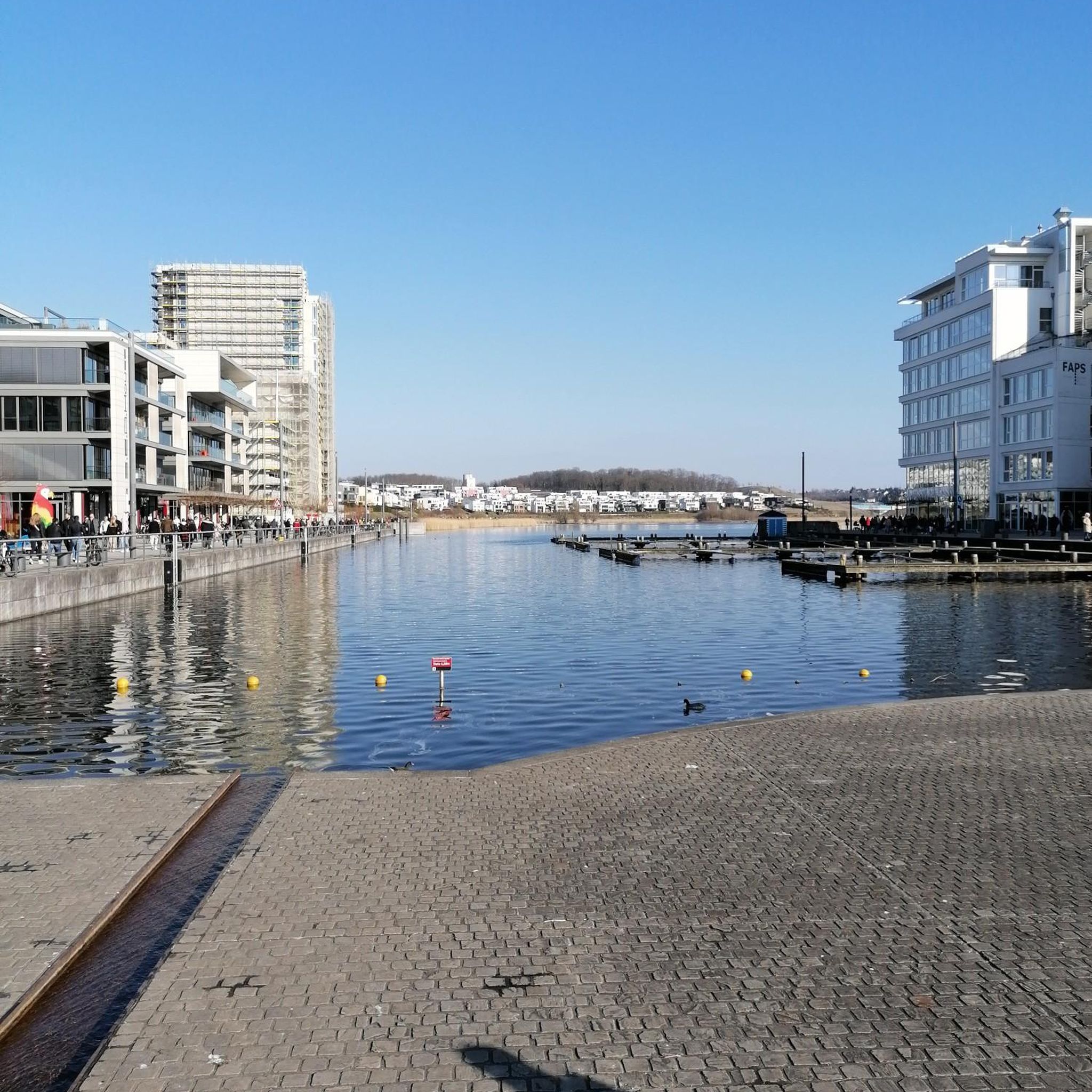
Feels other worldly, beautiful setting. Fascinating history.
0
0

It was just a small Sunday stroll but it was lovely. We parked our car at the garden centre which worth to going in too! There is a big farm shop which is lovely and not too expensive compared to if you want to get a quality product!
0
0

Small elusive rock cave in the escarpment, just below the path. You will find it from the Top path via the semi-circle track. Supposedly haunted, it's popular with ghosthunters in the night. The cave was excavated in the 1960's which revealed ancient flint tools from the ice age and animal bones from animals such reindeer and hyena 12,000 years ago - That's Ten Thousand Years BC!
1
0
Small elusive rock cave in the escarpment, just below the path. You will find it from the Top path via the semi-circle track. Supposedly haunted, it's popular with ghosthunters in the night. The cave was excavated in the 1960's which revealed ancient flint tools from the ice age (more than 10,000 years ago) and animal bones from animals such as reindeer and hyena
1
0

Dating from 1772, it supplied the sorts of exotic and unusual foods that the Dukes could impress their guests with. From asparagus to pineapples and strawberries at Christmas, this was an elite garden for an elite family. In its prime, the gardens would have provided employment for 30 people and had 6-acres under cultivation including a huge, heated Melon Yard and an orchard, which was re-established just outside the garden walls in 2021. At 451 feet, Clumber Park boasts the longest Glasshouse in National Trust care. It was installed by the 7th Duke of Newcastle and completed in 1910. By the 1970s it was derelict but the Trust has spent decades restoring it, most recently in 2023. Today, it boasts seasonal displays in its huge conservatory, an exotically planted Palm House and bays of grapes, figs, and peaches. Some of the utility rooms now serve as a museum displaying an extensive collection of gardening tools. The Apple Store and the Gardener's Mess have ever-changing displays.
0
0

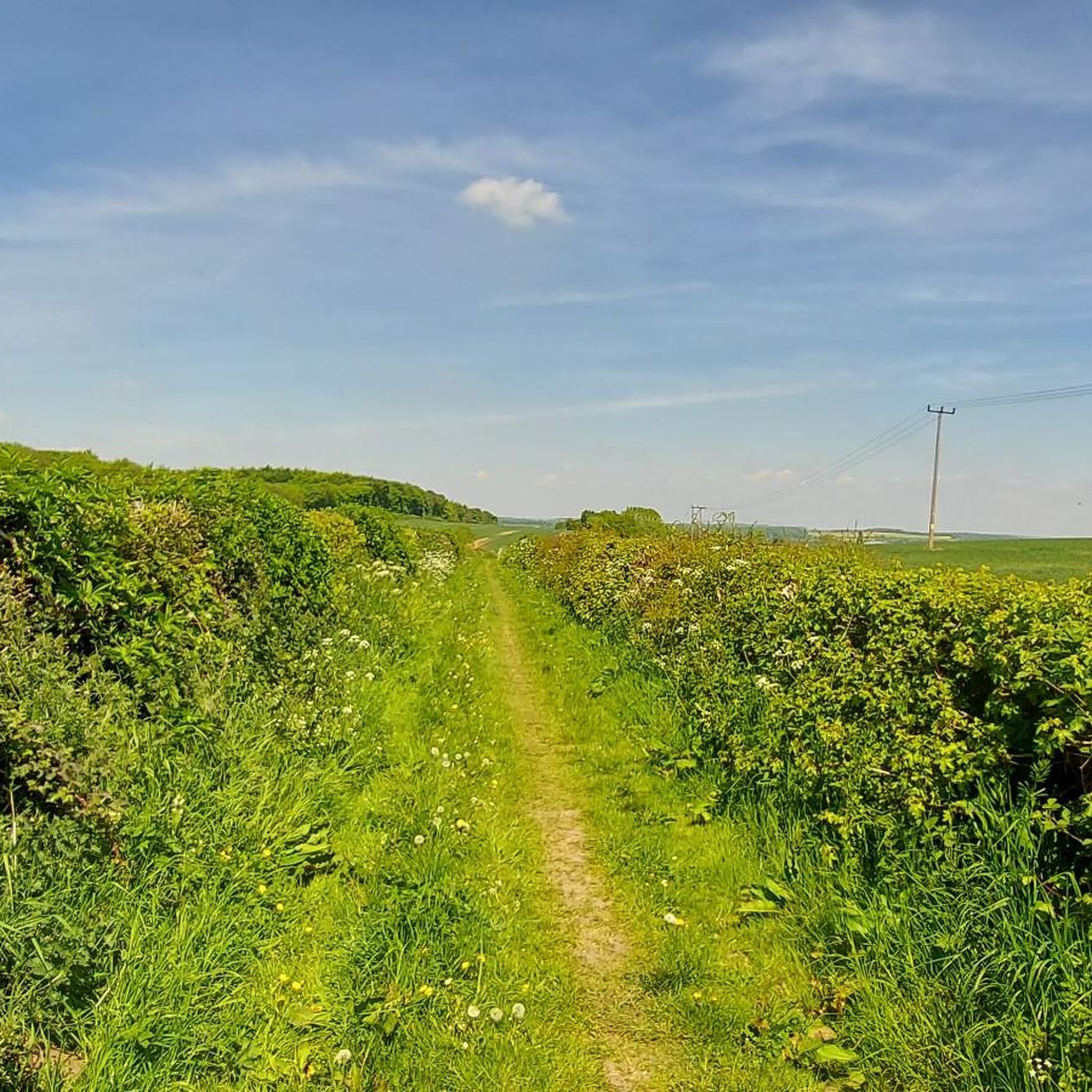
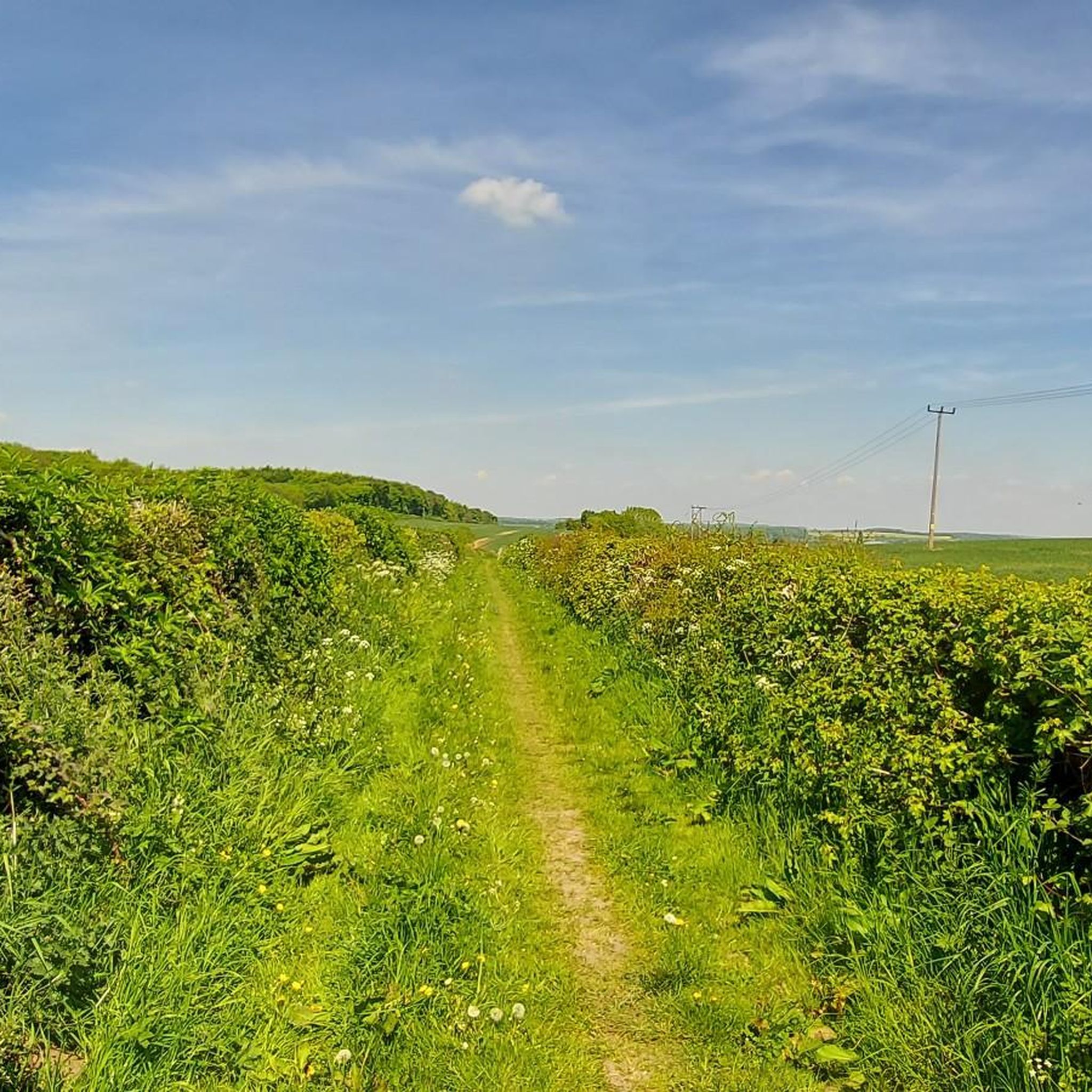
You have to drop off the path to the left to see this site.
0
0
Frequently Asked Questions
What kind of natural monuments can I explore around Whitwell?
The Whitwell area in Derbyshire is rich in diverse natural monuments, primarily featuring ancient woodlands, impressive limestone gorges, and extensive cave systems. These sites offer a blend of geological wonders and historical significance, providing insights into prehistoric human activity and unique ecosystems.
Which natural monuments around Whitwell are known for their historical and archaeological importance?
Creswell Crags: Gorge and Lake is a world heritage site renowned for its limestone gorge and caves. It's a significant archaeological location where prehistoric animal remains and the earliest known evidence of modern humans in Britain have been found. Within Creswell Crags, you can also find Church Hole Cave, famous for its Ice Age artwork, and Robin Hood's Cave, Creswell Crags, another key Ice Age archaeology site.
Are there family-friendly natural monuments in the Whitwell area?
Yes, Creswell Crags: Gorge and Lake is particularly family-friendly, offering a visitor centre, playground, and easy walks around the lake. The information boards provide interesting facts for all ages. Robin Hood's Cave, Creswell Crags, also within the Crags complex, is another great option for families interested in Ice Age history.
What unique natural features can I expect to see at Whitwell Wood?
Whitwell Wood is a large ancient woodland covering 440 acres, once part of Sherwood Forest. It's known for its broad-leaved trees and over 20 species indicative of ancient woodland. In spring, the woodland floor is carpeted with wildflowers like wild orchids, bluebells, and primrose. It also features the Ginny Spring, a Site of Special Scientific Interest (SSSI) due to its rare flora, and the historic Three Shires Oak.
What outdoor activities can I do near the natural monuments around Whitwell?
The area around Whitwell offers various outdoor activities. For easy walks, you can explore routes like 'The Pond – Ginny Spring loop from Whitwell' or 'Creswell Crags: Gorge and Lake loop from Whitwell'. Cyclists can enjoy routes such as 'Hazel Gap Sculpture – Clumber Lake loop from Clowne', while gravel biking enthusiasts have options like 'Clowne Greenway – Poolsbrook Country Park Lake loop from Creswell'. You can find more details on these and other routes in the easy hikes, cycling, and gravel biking guides around Whitwell.
Can I see Ice Age artwork in the caves near Whitwell?
Yes, you can see fascinating Ice Age artwork inside Church Hole Cave, located within Creswell Crags. However, visits typically require booking a tour as the cave is not open year-round due to roosting bats. It's a unique opportunity to view some of the UK's only known cave art.
Are there any challenging natural monuments or trails for experienced explorers?
For those seeking a more challenging experience, Dead Man's Hole is categorized as challenging. This elusive rock cave, located just below the path in the escarpment, is known for its historical excavations revealing ancient flint tools and animal bones from the Ice Age, and is even popular with ghosthunters.
What do visitors enjoy most about the natural monuments around Whitwell?
Visitors particularly appreciate the blend of natural beauty and deep historical significance. The limestone gorges and caves at Creswell Crags are highly rated for their archaeological insights and family-friendly amenities. Many enjoy the easy walks and the opportunity to learn about prehistoric life. The ancient woodlands like Whitwell Wood are cherished for their tranquility and diverse flora, especially during spring.
Is there a visitor center at Creswell Crags?
Yes, Creswell Crags: Gorge and Lake has a visitor centre that provides more information about the site's natural history and archaeological discoveries. It's a great starting point for guided walks and to learn about the Ice Age archaeology, including the museum and heritage centre associated with Robin Hood's Cave, Creswell Crags.
Are there places to eat or drink near the natural monuments?
Yes, there are cafes available at Creswell Crags. Additionally, the area around Whitwell offers various options for refreshments, with cafes and pubs in nearby villages, making it convenient to grab a bite before or after your exploration.
What wildlife can I spot in Whitwell Wood?
Whitwell Wood, as an ancient woodland, is home to diverse flora and fauna. In addition to the numerous wildflowers like wild orchids, bluebells, and primrose, you can expect to see various bird species and butterflies. The Ginny Spring area, an SSSI, is particularly noted for its rich and rare flora, including species like marsh helleborine and green helleborine.
Can I visit the natural monuments around Whitwell during winter?
While specific winter conditions vary, natural monuments like Whitwell Wood and Creswell Crags are generally accessible year-round. Winter visits can offer a different perspective of the landscape, though some cave tours might have limited availability. It's always advisable to check local conditions and opening times, especially for guided tours into caves like Church Hole Cave.
Most popular routes around Whitwell
Most popular attractions around Whitwell

Get inspired with the komoot mobile app


Explore more
Extend your search for the best caves by checking out these guides of the top ones around Whitwell:
