Top 7 Natural Monuments around Bestwood Village
Best natural monuments around Bestwood Village include diverse natural landscapes and historical features. Bestwood Village, located in Nottinghamshire, is known for its accessible natural areas, such as Bestwood Country Park. The region features ancient woodlands, wildflower meadows, and significant geological formations. These sites offer opportunities to explore the area's natural beauty and historical connections.
Best natural monuments around Bestwood Village
- The most popular natural monuments is The Hemlock Stone, a striking rock formation that rises 10 meters on Stapleford…
Last updated: June 30, 2026
The Hemlock Stone
Highlight • Natural
Tip by

Fountain Dale Ponds
Highlight • Forest
Tip by
Sign up now to discover places like this
Get recommendations on the best single tracks, peaks, & plenty of other exciting outdoor places.
Sign up for free
St James' Church and Ancient Yew Tree, Papplewick
Highlight • Historical Site
Tip by

Robin Hood's Hill
Highlight • Natural Monument
Tip by
Bramcote Walled Garden
Highlight • Structure
Tip by

Sign up for free to discover even more natural monuments around Bestwood Village.
Sign up for free
Already have an account?
Start today with a free account
Your next adventure awaits.
Login or Signup

Tips from the Community

The church is thought to have been built in the 12th century. In the grant made by Henry II to Newstead Priory, part of the endowment was “The Town of Papplewick with the Church of the same name and the Mill.”. Legend has it that Alan A’Dale, one of Robin Hood’s men, was married here. The present tower dates from the 14th century. The nave and chancel were rebuilt by the Right Hon. Frederick Montagu in 1795 (after he had rebuilt the Hall.). In 1855, Papplewick was united with Linby. The Parish is now called ‘the Parish of St. Michael, Linby cum St. James, Papplewick‘. The building was further restored and repaired in 1938 in memory of John Chadburn, son of Mr. C. W. Chadburn who lived in the Parish.
0
0

Origins in the 12th Century, rebuilt in 1795 & restored in 1940, this Grade I listed building is still in weekly use. The Yew tree outside is 350 years old.
1
0

The walled garden was part of the Bramcote Estate. It's recently restored with statues and paths following the walls of the old buildings.
0
0
The Hemlock Stone is an outcrop of New Red Sandstone, deposited more than 200 million years ago in the Triassic Period. Approximately 28 feet (8.5 m) high, it is formed of a layer of Nottingham Castle Sandstone overlying a layer of Lenton Sandstone.
0
0
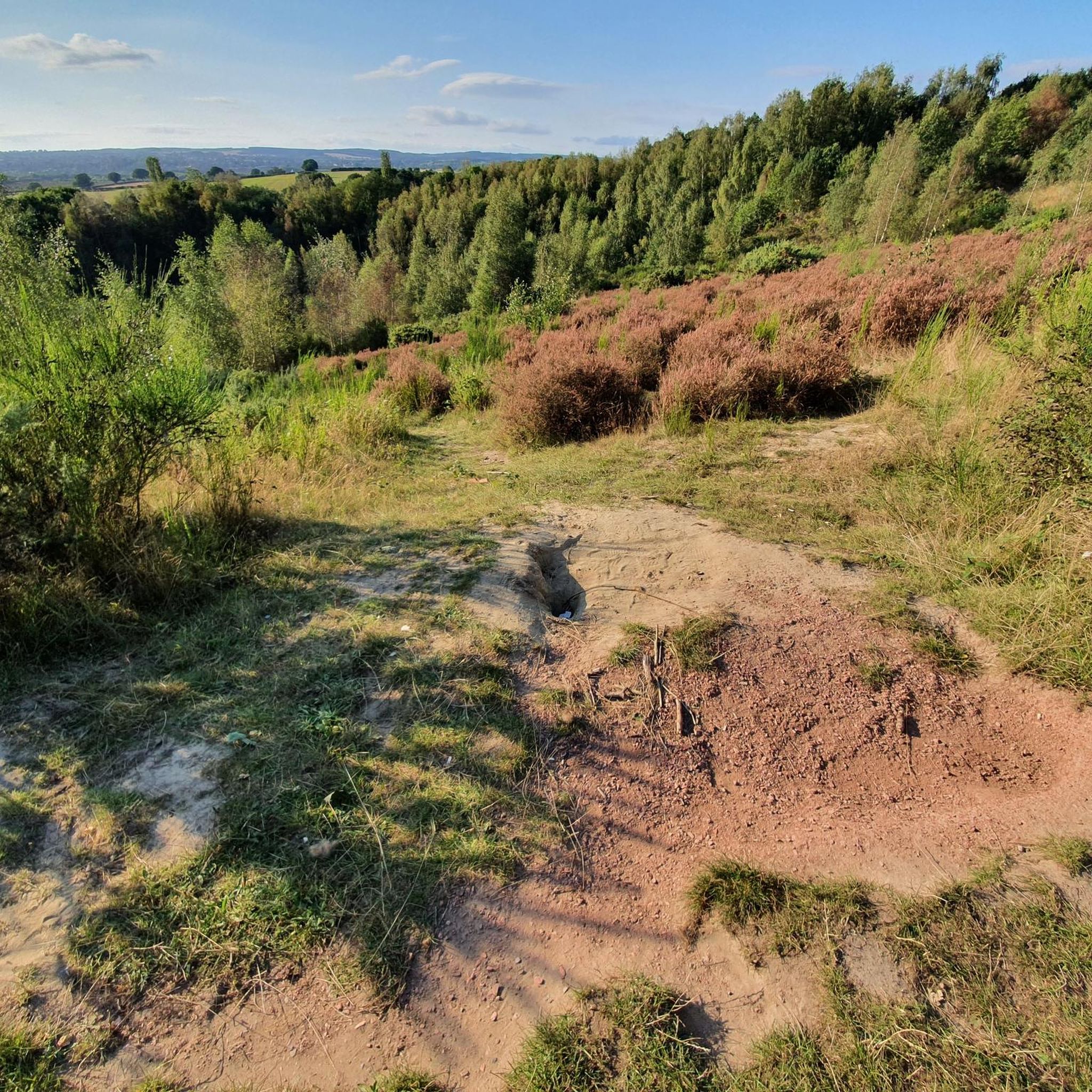
CLAIMED TO BE THE LEGENDARY location where Robin Hood met the feisty Friar Tuck in the famous folktale, the overgrown remains of a 12th-century moat, lodge, and holy well complex persist in this soggy corner of Sherwood Forest. Fountain Dale’s ancient moat is an impressive waterlogged ditch, 40 feet wide, enclosing what was once a large rectangular artificial island. The feature dates to at least 1251, when the moated island was the site of a hunting lodge, the vestiges of which remain hidden beneath centuries of mud and undergrowth. To date, little archaeological investigation at the site has been carried out. This said, the remains of the medieval manse are likely to be well preserved, having remained unusually undisturbed. The moat and its structures are listed as a Scheduled Monument of National Importance by the public heritage organization Historic England.
1
0


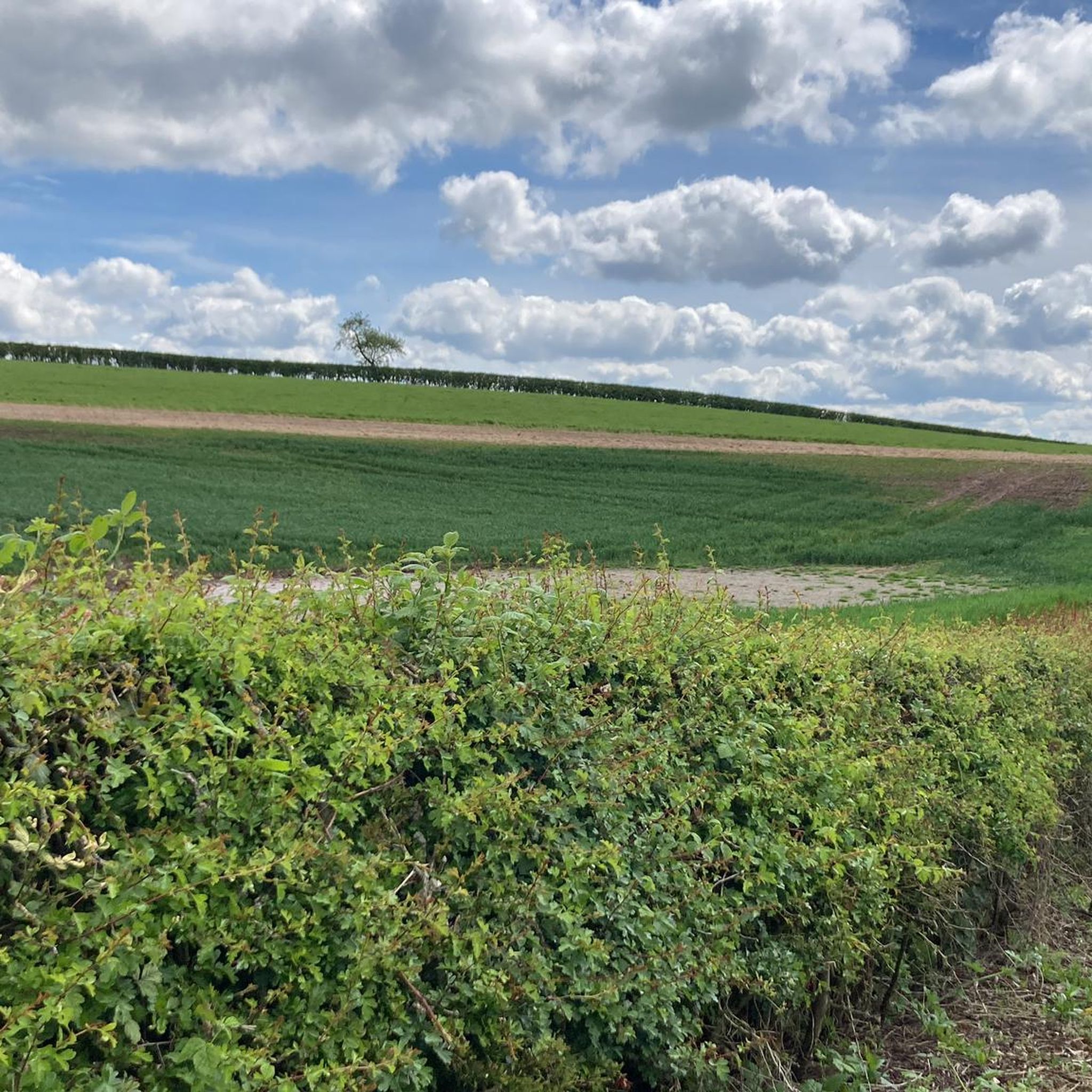
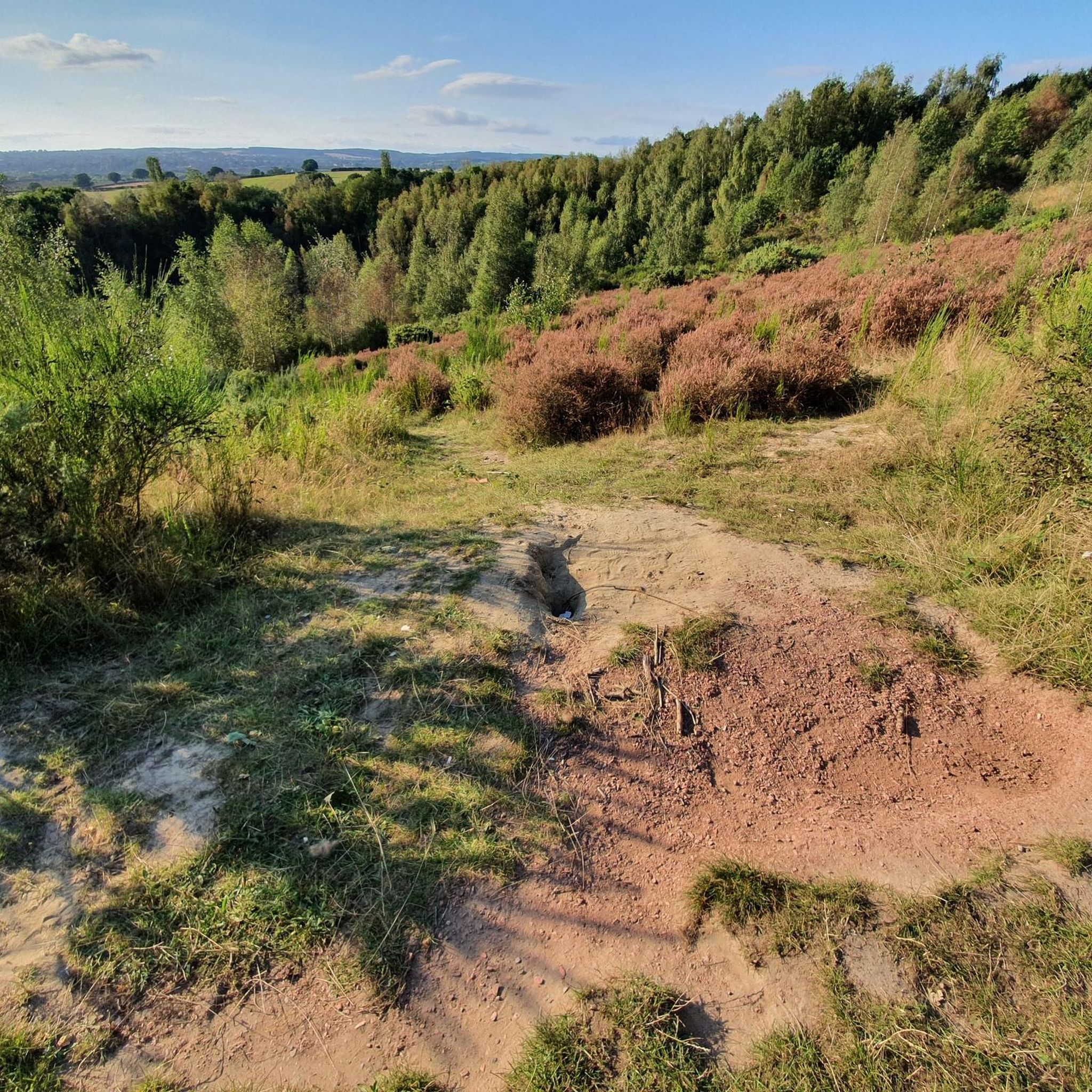
With extensive views across the Sherwood Forest region, it is entirely possible that Robin Hood and his Merry Men would have often hiked up this lovely little hill to survey the land. Many Iron Age and Roman artefacts have been discovered nearby, making this hill — actually a 3,000-year-old burial mound — rich in historical interest.
3
0
Fans of English folklore heed this well, for it was at Fountain Dale where the first meeting of Robin Hood and Friar Tuck took place. Legend goes that they fought at the moat, the remains of which are sadly all but gone. Interestingly, Sir Walter Scott wrote his famous novel Ivanhoe here. The novel is partly to thank for the modern perception of many of the principal characters of Robin Hood folklore, including the Prince of Thieves himself.
1
0
Frequently Asked Questions
What are some notable natural monuments to visit around Bestwood Village?
Beyond the well-known Bestwood Country Park, you can explore unique sites like The Hemlock Stone, a striking 10-meter red sandstone formation on Stapleford Hill. Another interesting spot is Fountain Dale Ponds, a historical site linked to Robin Hood folklore, offering good birdwatching opportunities. Don't miss Robin Hood's Hill, which provides extensive views and is also a 3,000-year-old burial mound.
Are there family-friendly natural monuments around Bestwood Village?
Yes, several natural monuments are suitable for families. The Hemlock Stone and Fountain Dale Ponds are both categorized as family-friendly. Bestwood Country Park itself is an excellent choice, offering diverse landscapes, walking trails, and historical features like the Winding Engine House that appeal to all ages. St James' Church and Ancient Yew Tree, Papplewick, also offers a family-friendly historical and natural experience.
What kind of natural features can I expect to see in the area?
The region around Bestwood Village boasts diverse natural features. Bestwood Country Park offers ancient woodlands, rich wildflower meadows, and crucial wetland areas, including the scenic Mill Lakes. You'll also find unique geological formations like The Hemlock Stone, a prominent red sandstone outcrop. The area is rich in varied landscapes, from forests to open hillsides.
Are there historical sites among the natural monuments?
Absolutely. Many natural monuments in the area have significant historical connections. Bestwood Country Park, for instance, is home to the Grade II listed Bestwood Winding Engine House, a relic of the area's coal mining past. Fountain Dale Ponds is steeped in Robin Hood folklore, believed to be where Robin Hood and Friar Tuck first met. Robin Hood's Hill is not just a viewpoint but also a 3,000-year-old burial mound. Additionally, St James' Church and Ancient Yew Tree, Papplewick, combines a historic church with a very old yew tree.
What outdoor activities can I do near these natural monuments?
The area offers a variety of outdoor activities. Bestwood Country Park provides miles of well-maintained paths for walking and dedicated cycling routes. You can find numerous hiking opportunities, including easy hikes like the 'Bestwood Country Park circular' or 'Bestwood Country Park loop from Bestwood Village'. For cycling enthusiasts, there are road cycling routes such as 'A loop of Newstead Abbey, Nottingham & Derby from Hucknall'. You can explore more options in the Easy hikes around Bestwood Village, Hiking around Bestwood Village, and Road Cycling Routes around Bestwood Village guides.
What is the best time of year to visit the natural monuments around Bestwood Village?
Bestwood Country Park and the surrounding natural monuments offer beauty year-round. Spring brings blooming wildflowers and active wildlife, while summer is ideal for butterfly trails and enjoying the Mill Lakes. Autumn showcases vibrant foliage, and winter provides peaceful, crisp walks. The best time depends on your preferred activities and scenery, but generally, spring and summer are popular for their pleasant weather and abundant nature.
What wildlife can I expect to see in the natural monuments around Bestwood Village?
Bestwood Country Park is a haven for wildlife. Birdwatchers can spot kestrels, woodpeckers, and even the elusive nightjar. The park's wildflower meadows and wetlands support diverse plant and animal life, and summer is a great time to observe a myriad of vibrant butterfly species along dedicated trails. Fountain Dale Ponds is also noted as a good spot for birdwatching, particularly for waterfowl.
Are there hiking trails available near these natural monuments?
Yes, there are many hiking trails. Bestwood Country Park features miles of well-maintained paths suitable for various fitness levels. Popular routes include the 'Bestwood Country Park circular' and 'Bestwood Country Park loop from Bestwood Village'. You can find more detailed information and routes in the Easy hikes around Bestwood Village and Hiking around Bestwood Village guides.
Can I bring my dog to the natural monuments?
Many natural areas around Bestwood Village, including Bestwood Country Park, are dog-friendly, provided dogs are kept under control, often on a lead, especially in areas with wildlife or livestock. Always check specific signage at each location for any restrictions. Generally, trails and open spaces are welcoming to well-behaved dogs.
Where can I find parking when visiting these natural monuments?
Bestwood Country Park typically offers designated parking facilities for visitors. For other natural monuments like The Hemlock Stone or Fountain Dale Ponds, parking might be available in nearby lay-bys, small car parks, or on-street parking in adjacent villages. It's advisable to check local information or maps for specific parking options before your visit.
How long should I plan for a visit to the natural monuments?
The duration of your visit can vary. For Bestwood Country Park, you could easily spend half a day or a full day exploring its woodlands, lakes, and historical sites. Shorter visits of 1-2 hours are sufficient for individual highlights like The Hemlock Stone or Fountain Dale Ponds. If you plan to visit multiple sites or undertake longer hikes, allocate a full day.
Are there any cycling routes near the natural monuments?
Yes, Bestwood Country Park has dedicated cycling routes within its grounds. For road cycling, you can find routes like 'A loop of Newstead Abbey, Nottingham & Derby from Hucknall' or 'Oxton Bank Climb – Blidworth Climb loop from Hucknall' that explore the wider area around Bestwood Village. More options are available in the Road Cycling Routes around Bestwood Village guide.
Most popular routes around Bestwood Village
Most popular attractions around Bestwood Village

Get inspired with the komoot mobile app


Explore more
Extend your search for the best caves by checking out these guides of the top ones around Bestwood Village:
