Top 5 Natural Monuments around Combe
Best natural monuments around Combe are characterized by rolling chalk downland, ancient historical sites, and expansive viewpoints. The area features significant geological formations and offers diverse natural landscapes for exploration. These natural monuments provide insights into both the region's natural history and its ancient past.
Best natural monuments around Combe
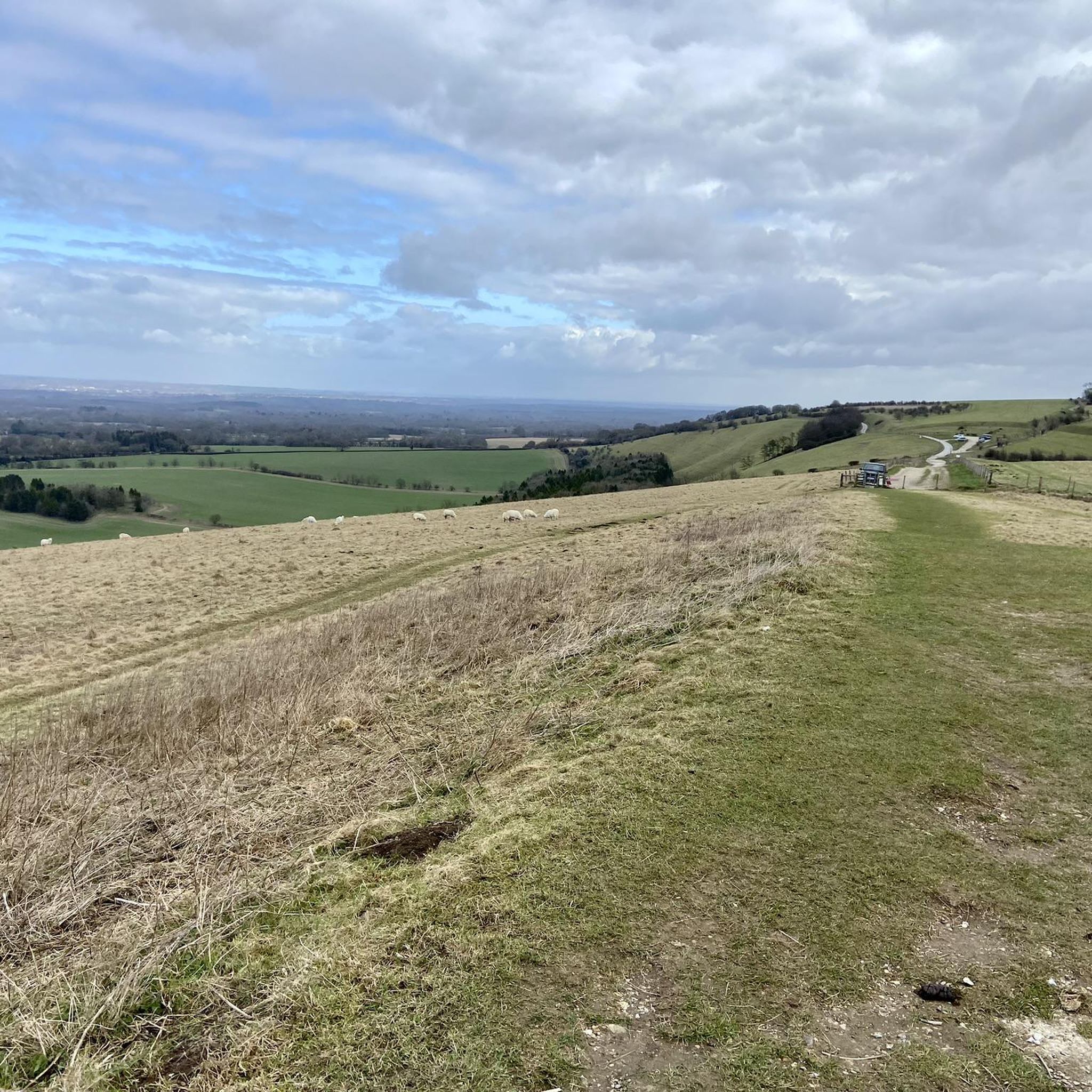
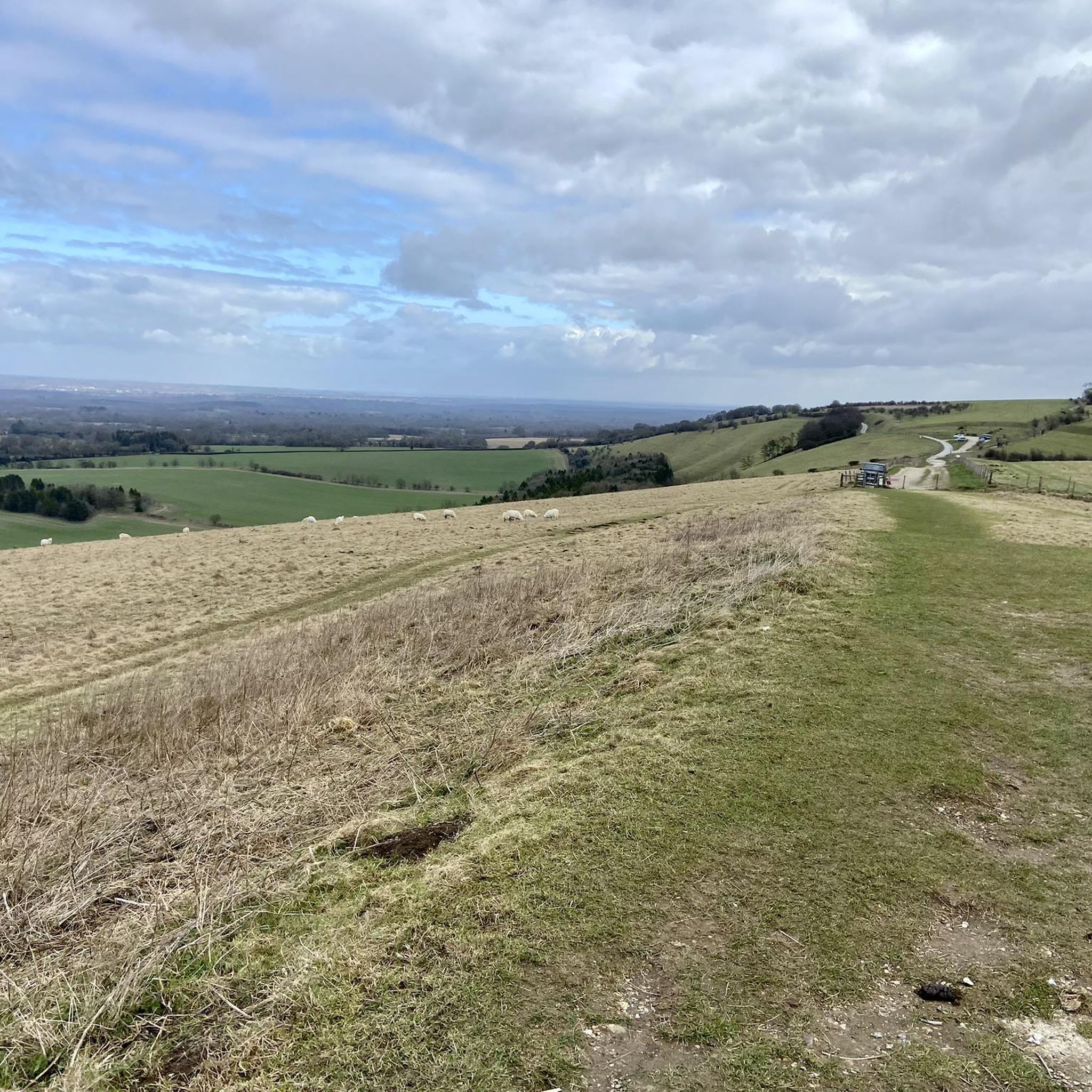
- The most popular natural monuments is View of North Wessex Downs, a natural monument that offers extensive views over the lush rolling hills. This vantage point provides an excellent perspective of England's North Wessex Downs.
- Another must-see spot is Ladle Hill Iron Age Hillfort, a historical site and natural monument. This site is a biological Site of Special Scientific Interest with an unexcavated Iron Age hill fort atop a calcareous grassland chalk downland.
- Visitors also love Fosbury Hill Fort, a historical site with panoramic views. This oval-shaped site features impressive bivallate defenses and ancient trees, offering a blend of history and natural beauty.
- Combe is known for its ancient hillforts, significant viewpoints, and unique geological features. The area provides a variety of natural monuments to see and explore, from historical earthworks to scenic vistas.
- The natural monuments around Combe are appreciated by the komoot community, with 27 upvotes and 22 photos shared by visitors.
Last updated: June 29, 2026
Ladle Hill Iron Age Hillfort
Highlight • Historical Site
Tip by

Ladle Hill
Highlight (Segment) • Viewpoint
Tip by

Sign up now to discover places like this
Get recommendations on the best single tracks, peaks, & plenty of other exciting outdoor places.
Sign up for free
Devil’s Waistcoat (Kenward Stone)
Highlight • Historical Site
Tip by

The Lady Well at Speen
Highlight • Historical Site
Tip by

Fosbury Hill Fort
Highlight • Historical Site
Tip by
Sign up for free to discover even more natural monuments around Combe.
Sign up for free
Already have an account?
Start today with a free account
Your next adventure awaits.
Login or Signup
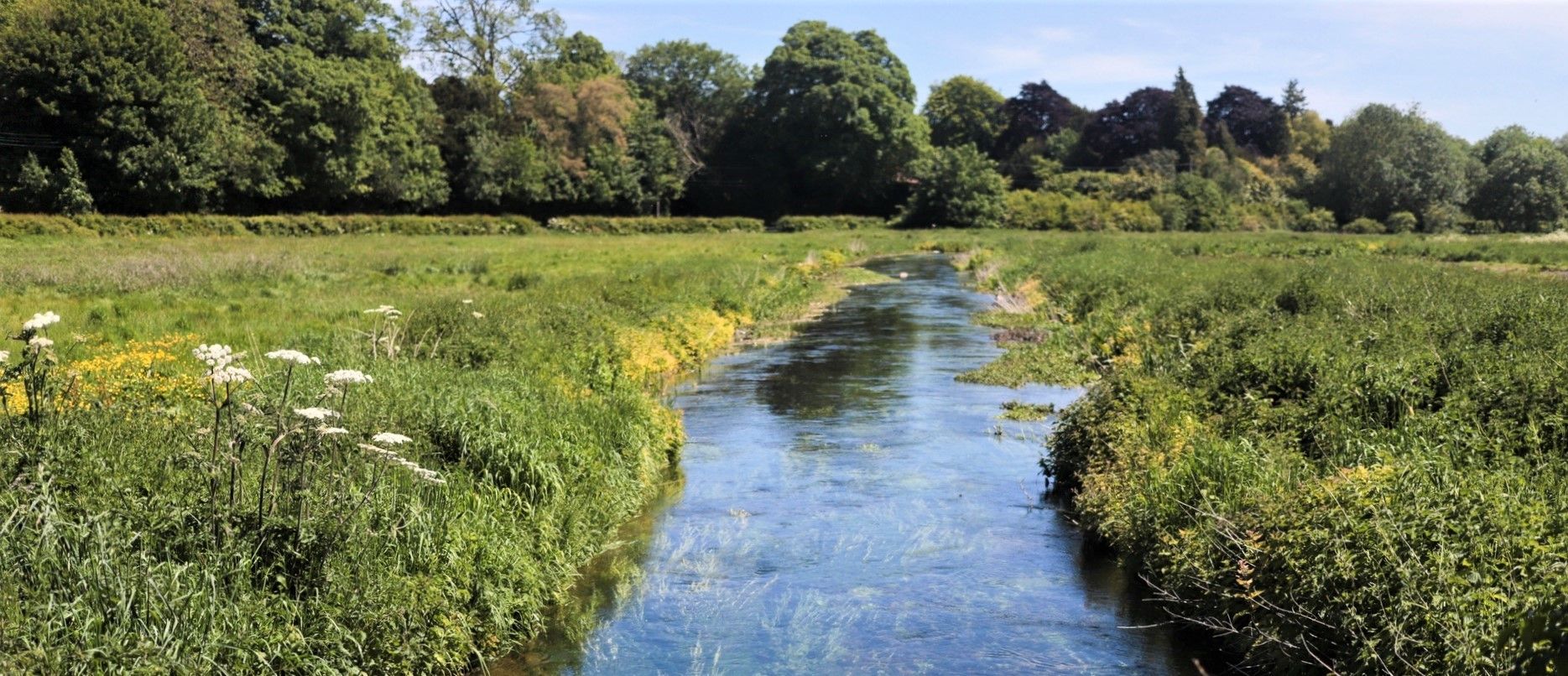
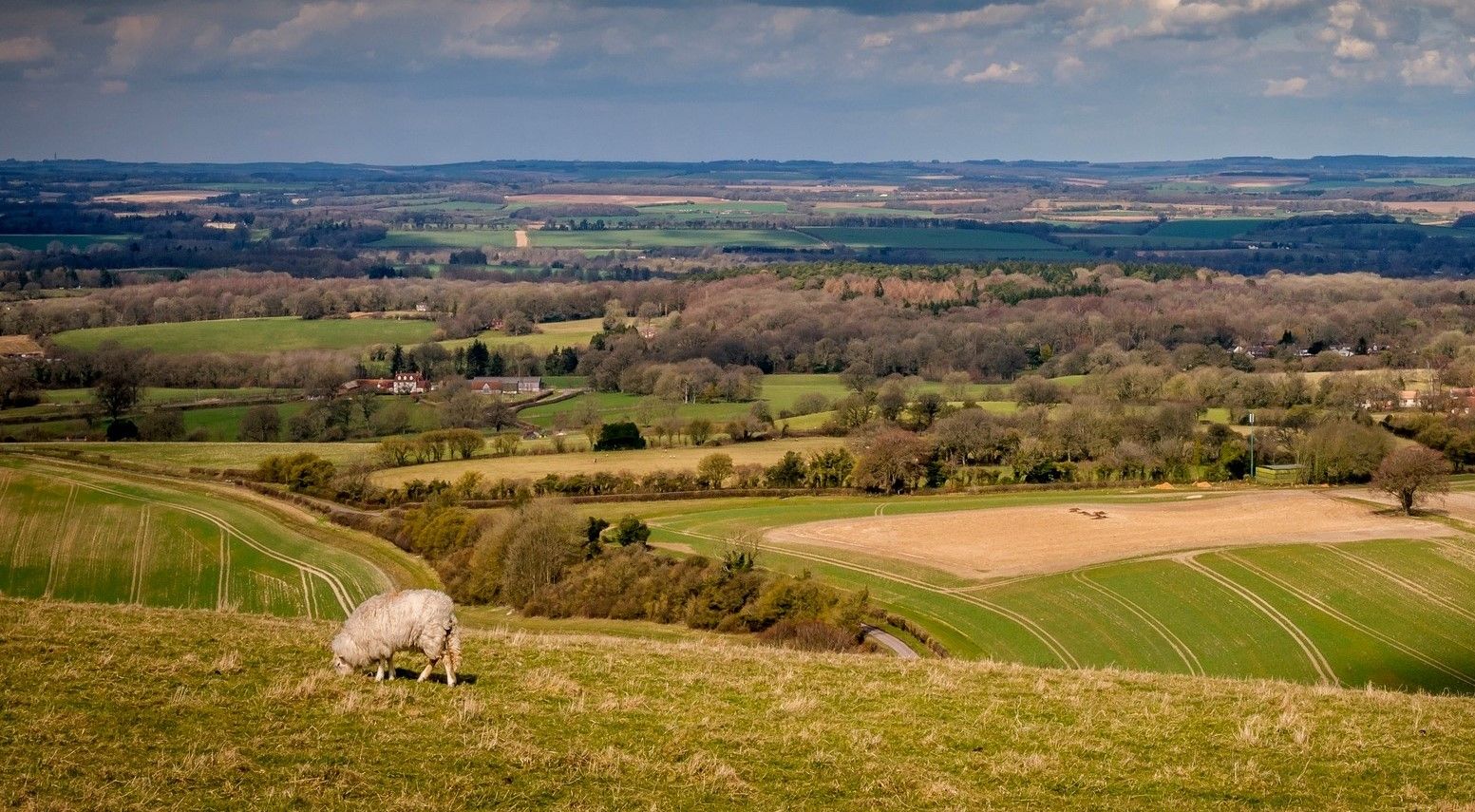
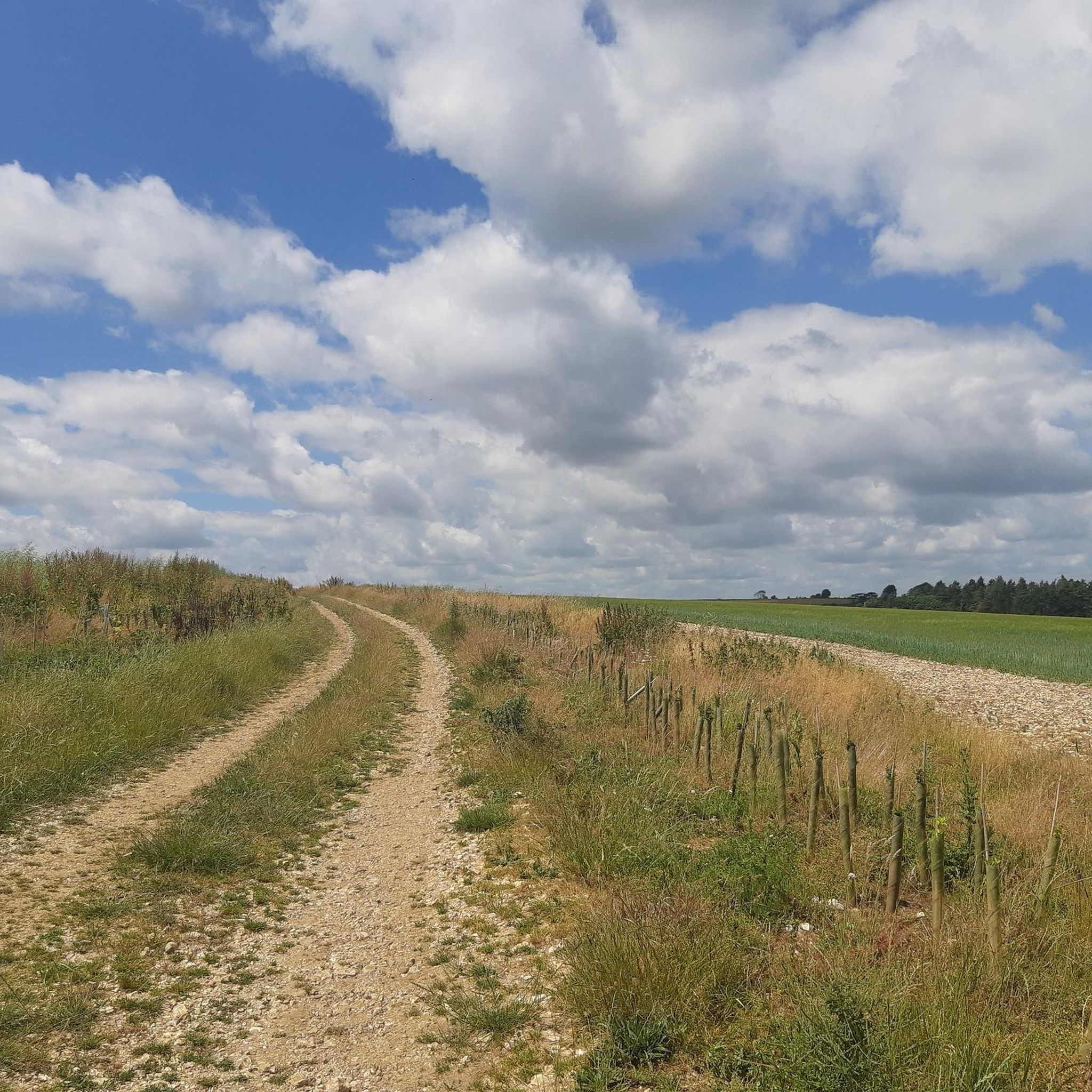
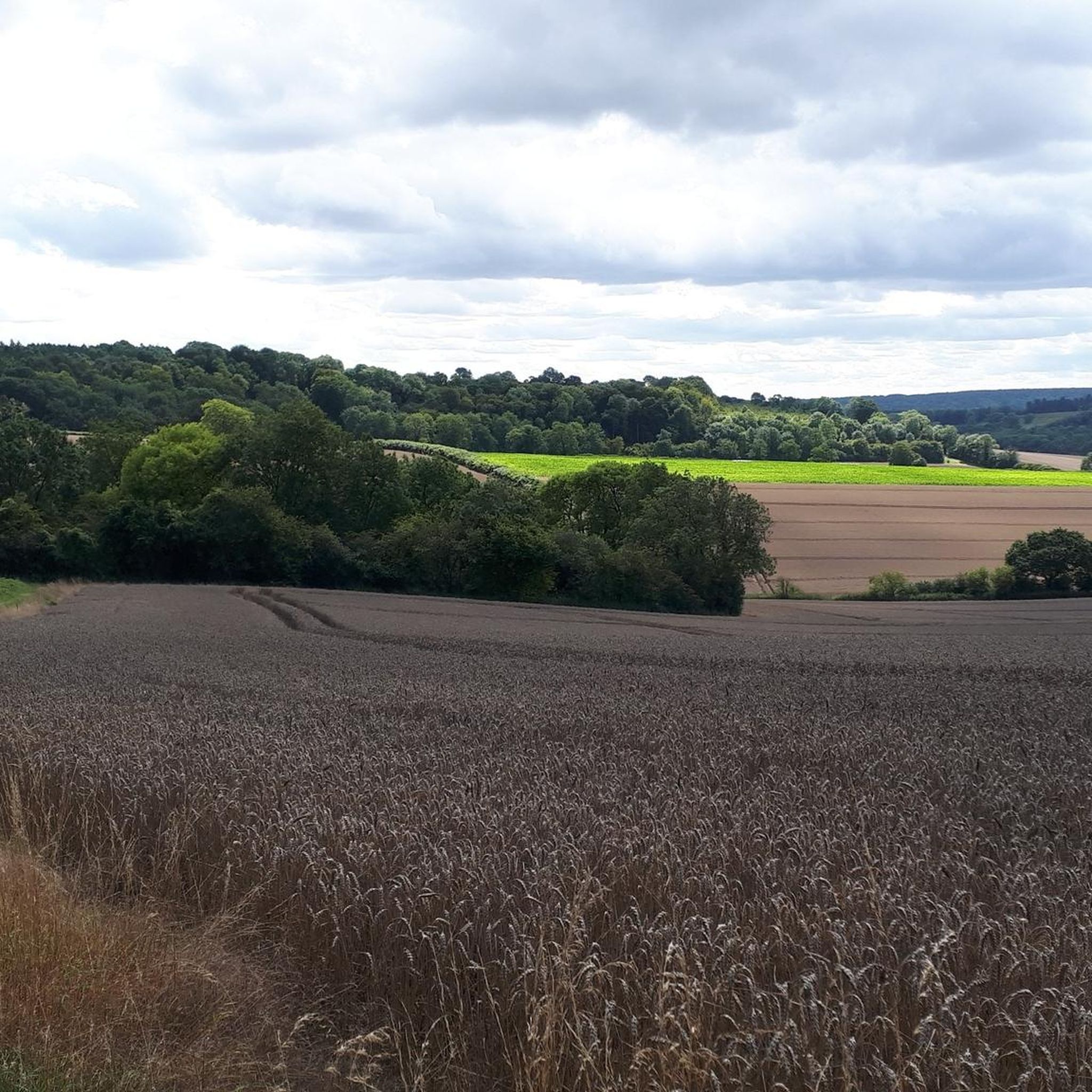

Tips from the Community

Think of Ladle Hill as the Iron Age’s greatest "Incomplete Project." Sitting right next to Watership Down, this hillfort is basically a 2,500-year-old construction site frozen in time. The ancient builders started digging their massive defensive ditches but just… stopped. Because it was never finished, you can clearly see the original "chalk heaps" and work pits, making it an archaeologist’s dream and a hiker's playground. It’s way quieter than its famous neighbors, offering 360-degree views and zero crowds. Perfect for a breezy picnic where you can contemplate why the Celts walked off the job!
0
0
• Construction Period: Fosbury Hillfort was likely constructed during the Middle Iron Age, probably by the Atrebates tribes. • Occupation: It is generally considered a center of permanent occupation during the Iron Age, from around the 6th century BC to the mid-1st century AD. • Purpose: Hillforts like Fosbury were built for protection and sanctuary, reflecting power struggles and increasing warfare during the Iron Age. They often served as centers for settlement, trade, and industrial activity.
0
0
• Internal Features: Within the camp, there are two natural ponds, believed to be original features, with one reputedly "never run dry." The interior also contains visible field terraces and evidence of storage pits, suggesting an agricultural community. An enigmatic 40ft diameter turf circle is also present, with its purpose debated (possibly a WWII feature or something older). • Ancient Trees: The site is home to ancient oak and beech trees, some with root systems encompassing the banks.
0
0
• Situated in eastern Wiltshire, south of the village of Fosbury, near Marlborough and Hungerford. • Rests on Knolls Down, at a height of 254m AOD (slightly below the summit of Haydown Hill at 258m AOD). • Excellently defended to the south, southwest, and east due to steeply sloped terrain. • To the north, the land is less steep and is largely bounded by Oakhill Wood. • Easily accessible by public footpaths. • Bivallate Defenses: The hillfort is characterized by two concentric lines of earthworks (ramparts and ditches), though it is believed to have never been fully completed. These defenses are particularly impressive on the southwestern arc, offering views into the Hippenscombe valley. • Size: It is an oval-shaped site, covering approximately 26 acres (11 hectares). • Entrances: The main entrance is located on the eastern side, featuring "inturned parallel banks." There's also a "north gate" accessible through Oakhill Wood.
0
0
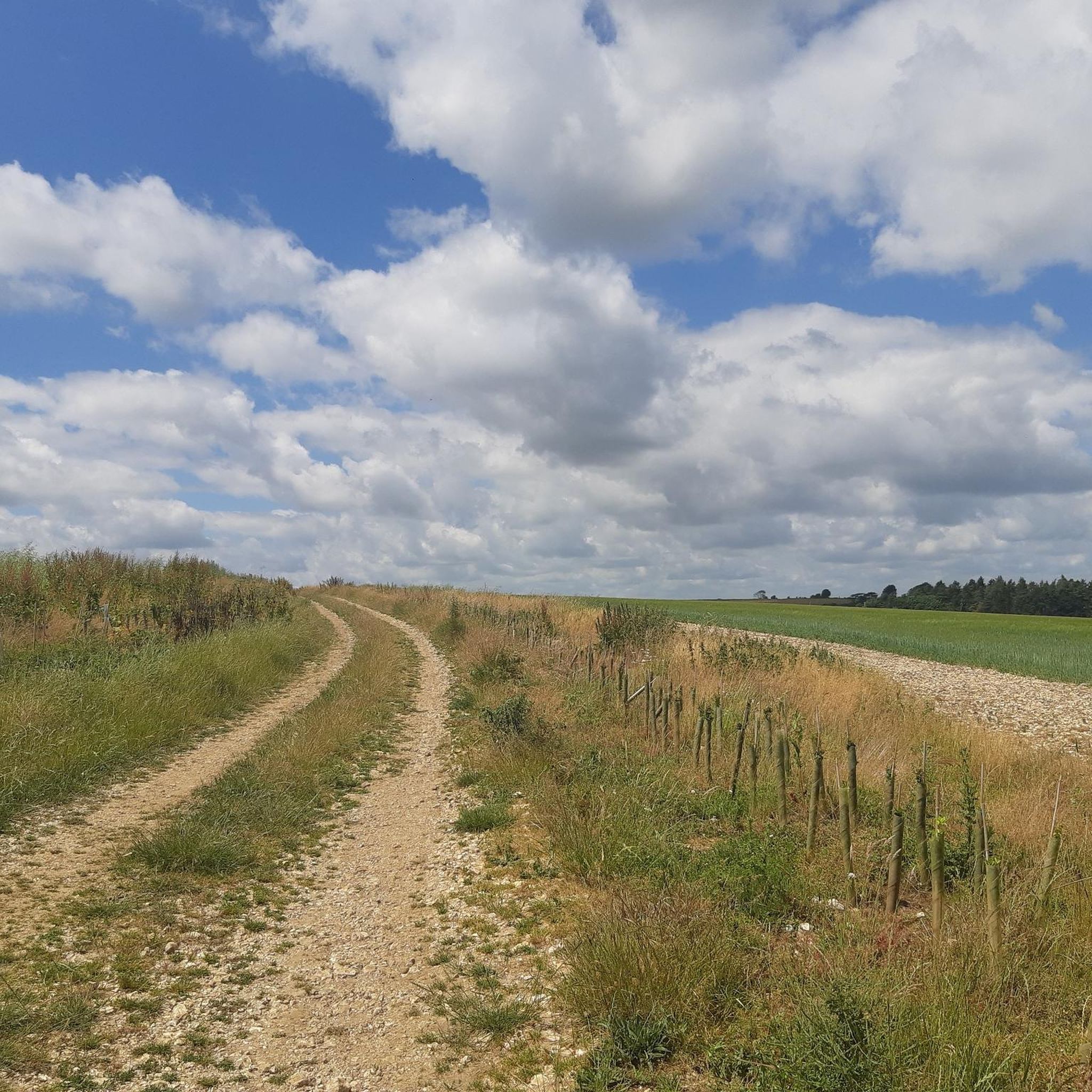
The hillfort on the top of the hill has never been excavated, but the land and ditch are sharply defined and well preserved. This Iron Age fort is roughly rectangular and enclosed seven acres within an embankment and ditch. There are two probable entrances to the east and west. The work seems to have been undertaken by several different labour forces, each working on a section of the defences, but for some reason the task was abandoned and the fort left unfinished. Great to walk along the unfinished ramparts, it's windy and flipping huge!!!
0
0


Discover this rare holy well located in Speen in Newbury. Historically, the well was thought to have healing qualities, healing anything from eye diseases to measles and rickets.
1
0
This is a wonderful spot with a lovely display of seasonal wildflowers that bloom within the spring and summer months.
1
0
Frequently Asked Questions
What are the most prominent natural and geological features around Combe?
The region around Combe is characterized by rolling chalk downland, ancient historical sites, and expansive viewpoints. You'll find significant geological formations such as the dramatic landscape around Combe Gibbet, which offers panoramic views across the North Wessex Downs. The area also features calcareous grassland chalk downland habitats, as seen at Ladle Hill Iron Age Hillfort, and ancient earthworks that blend natural topography with human history.
Are there any historical or ancient sites among the natural monuments?
Yes, the area is rich in historical natural monuments. Ladle Hill Iron Age Hillfort is a prime example, featuring an unexcavated Iron Age hill fort atop a calcareous grassland. Another significant site is Fosbury Hill Fort, an oval-shaped site with impressive bivallate defenses and ancient trees. You can also discover The Lady Well at Speen, a rare holy well with historical folklore.
What are the best viewpoints among the natural monuments around Combe?
For breathtaking vistas, View of North Wessex Downs offers extensive views over the lush rolling hills. Combe Gibbet atop Inkpen Beacon is renowned for its panoramic views stretching across multiple counties on a clear day. Additionally, Fosbury Hill Fort provides panoramic views, especially over Chute Causeway.
When is the best time to visit the natural monuments around Combe?
The spring and summer months are particularly rewarding. In spring, you can witness lovely displays of seasonal wildflowers at sites like Ladle Hill Iron Age Hillfort. The region's chalk downlands are vibrant during these seasons, offering pleasant conditions for walking and enjoying the views. For specific woodland experiences, Combe Wood in Devon is known for its spectacular bluebell display in early May.
Are the natural monuments around Combe suitable for families?
Many natural monuments in the area offer family-friendly experiences. For instance, the View of North Wessex Downs is considered family-friendly. Coastal areas like Combe Martin in Devon provide sheltered coves and sandy beaches ideal for family outings, rock pooling, and water sports. Gentle woodland walks, such as those in Combe Wood, are also suitable for families seeking a peaceful natural escape.
Can I bring my dog to the natural monuments?
Many natural areas and trails around Combe are dog-friendly, especially those on public footpaths and open access land. However, it's always advisable to keep dogs on a lead, particularly in areas with livestock or ground-nesting birds, and to check local signage for any specific restrictions at individual sites.
What kind of hiking trails can I find near the natural monuments?
The region offers a variety of hiking trails, from gentle walks to more challenging routes. You can find numerous trails that incorporate the natural monuments. For example, the area around Combe Gibbet is a hub for scenic walking routes, including sections of the Wayfarers Walk. You can explore various running trails around Combe, with options ranging from moderate to difficult, such as the "View from Combe Gibbet – Combe Gibbet loop from Linkenholt." For more details on routes, check out the Running Trails around Combe guide.
What other outdoor activities are available near the natural monuments?
Beyond hiking and running, the area around Combe is excellent for cycling. You can find numerous gravel biking routes, such as the "Stitchcombe Switchback – Wiltshire Lanes loop from Hungerford," or explore mountain biking trails like the "View from Combe Gibbet – Combe Gibbet loop from Hungerford." For more information, refer to the Gravel biking around Combe and MTB Trails around Combe guides. Combe Gibbet is also a popular spot for hang gliders and paragliders.
Is parking available at the natural monuments?
Parking is generally available at or near many of the natural monuments and trailheads. For popular spots like Combe Gibbet, designated parking areas are usually provided. It's recommended to check specific location details before your visit, especially during peak seasons.
How can I reach the natural monuments using public transport?
While some natural monuments might be accessible via local bus services to nearby villages, many of these sites, especially those in more rural settings, are best reached by car. For specific public transport options, it's advisable to consult local transport schedules for the villages closest to your intended natural monument.
Are there facilities like cafes or pubs near the natural monuments?
While the natural monuments themselves are often in rural, undeveloped settings, you can typically find cafes, pubs, and accommodation in the nearby villages and towns. For example, the village of Combe Martin offers various amenities for visitors. It's a good idea to plan your visit to include stops in these local communities for refreshments and services.
Are there any lesser-known natural monuments worth exploring?
Beyond the more prominent sites, the region holds several hidden gems. Devil’s Waistcoat (Kenward Stone) is a mysterious stone with rich history and folklore, offering superb views from Chute Causeway. Exploring the numerous clefts and small canyons within geological formations like Comb Ridge (in Utah, a broader example of a 'Combe' feature) can also reveal ancient ruins and rock art, though this specific example is not in the UK Combe region.
Most popular attractions around Combe

Get inspired with the komoot mobile app


Explore more
Extend your search for the best caves by checking out these guides of the top ones around Combe:
