Top 3 Natural Monuments around Leckhampstead
Best natural monuments around Leckhampstead are situated within the North Wessex Downs Area of Outstanding Natural Beauty. This region is characterized by rolling downland, extensive chalk grasslands, and diverse woodlands. These areas provide habitats for various plant and insect life, including wildflowers and butterflies. The landscape offers numerous footpaths and bridleways for exploration.
Best natural monuments around Leckhampstead
- The most popular natural monuments is Lord Wantage Monument, a historical site that affords views of the vale. This memorial obelisk…
Last updated: June 29, 2026
Scutchamer Knob
Highlight • Viewpoint
Tip by

Lord Wantage Monument
Highlight • Historical Site
Tip by

Sign up now to discover places like this
Get recommendations on the best single tracks, peaks, & plenty of other exciting outdoor places.
Sign up for free
Segsbury Camp Iron Age Hill Fort
Highlight • Historical Site
Tip by
Grimsbury Castle Hillfort
Highlight • Viewpoint
Tip by

The Lady Well at Speen
Highlight • Historical Site
Tip by
Start today with a free account
Your next adventure awaits.
Login or Signup
Tips from the Community

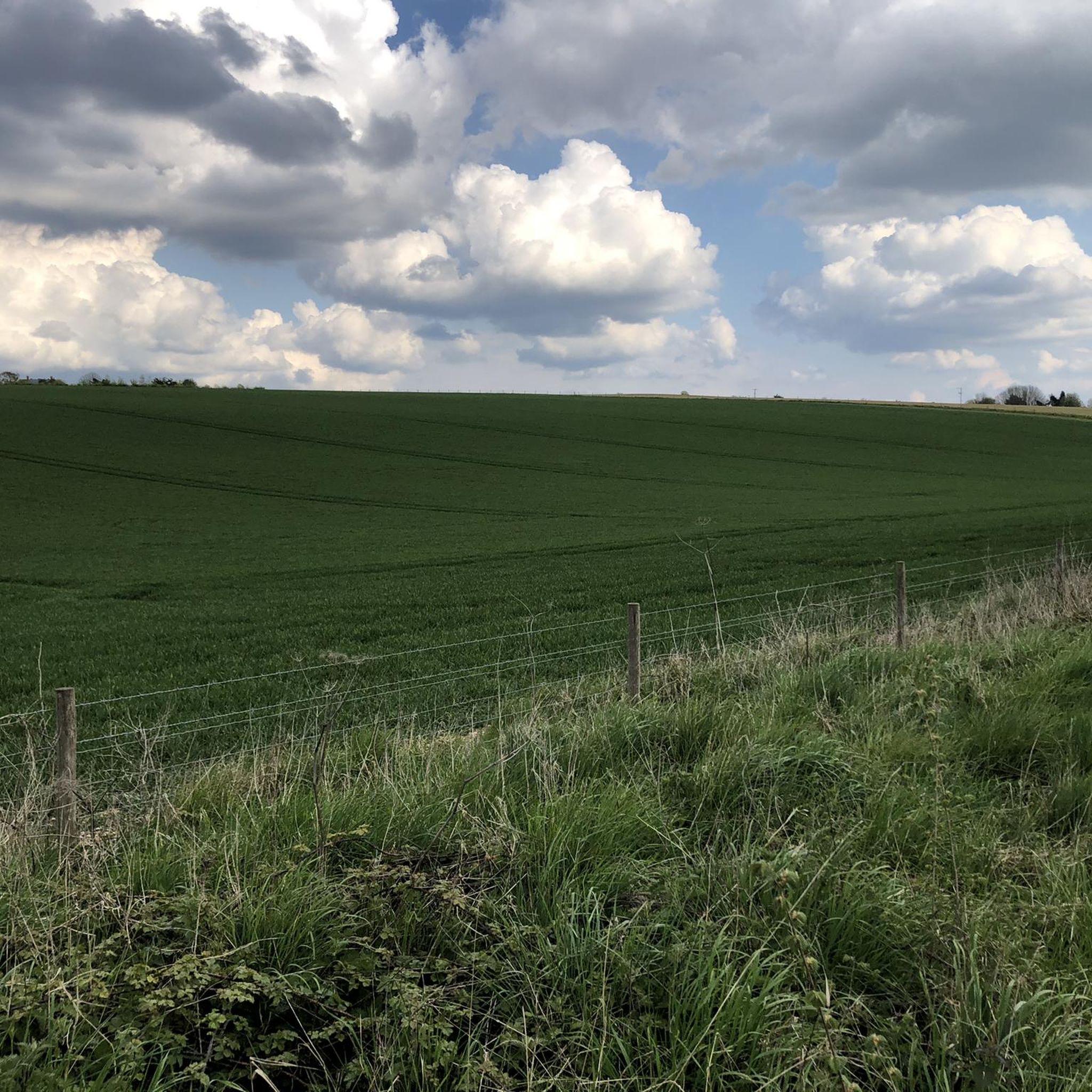
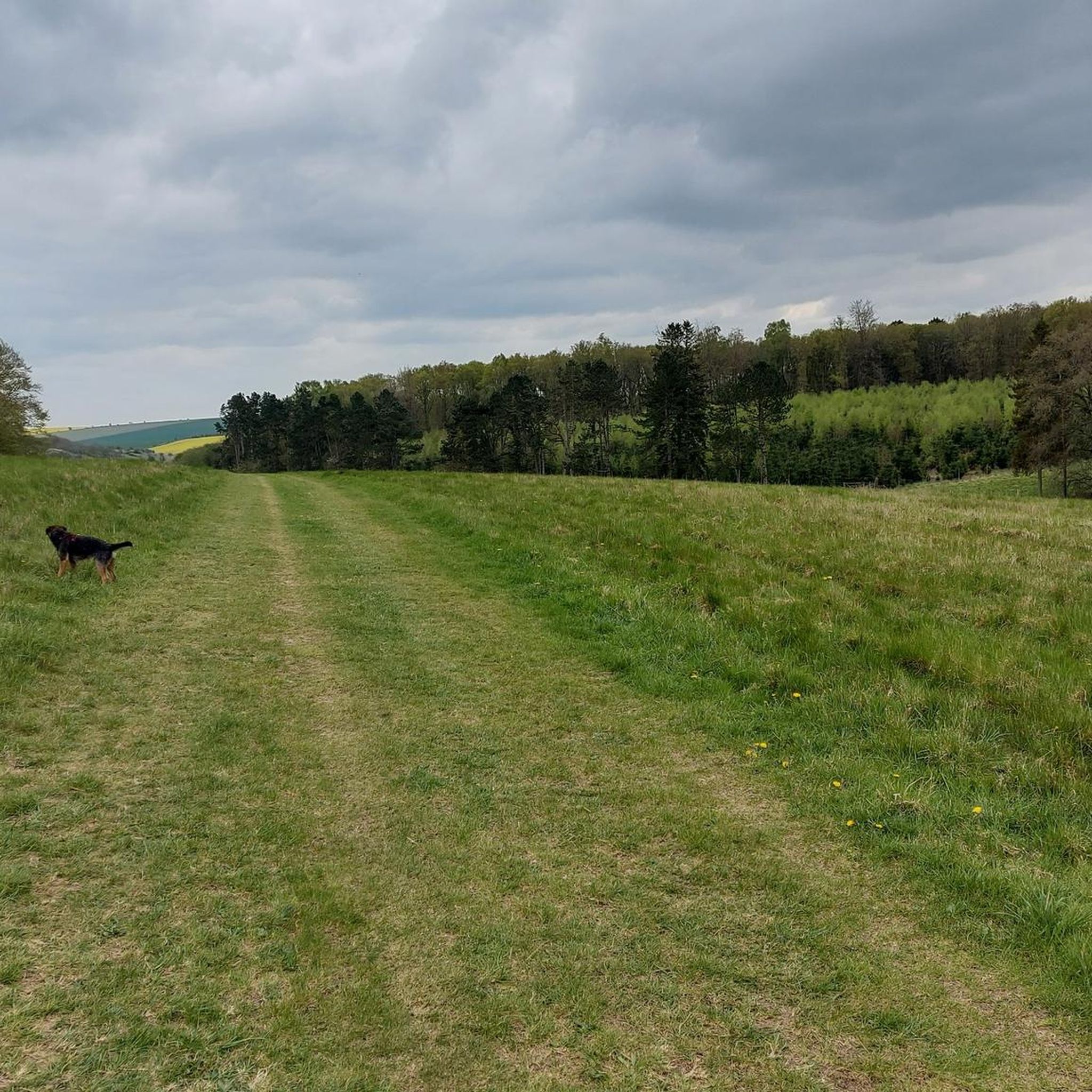
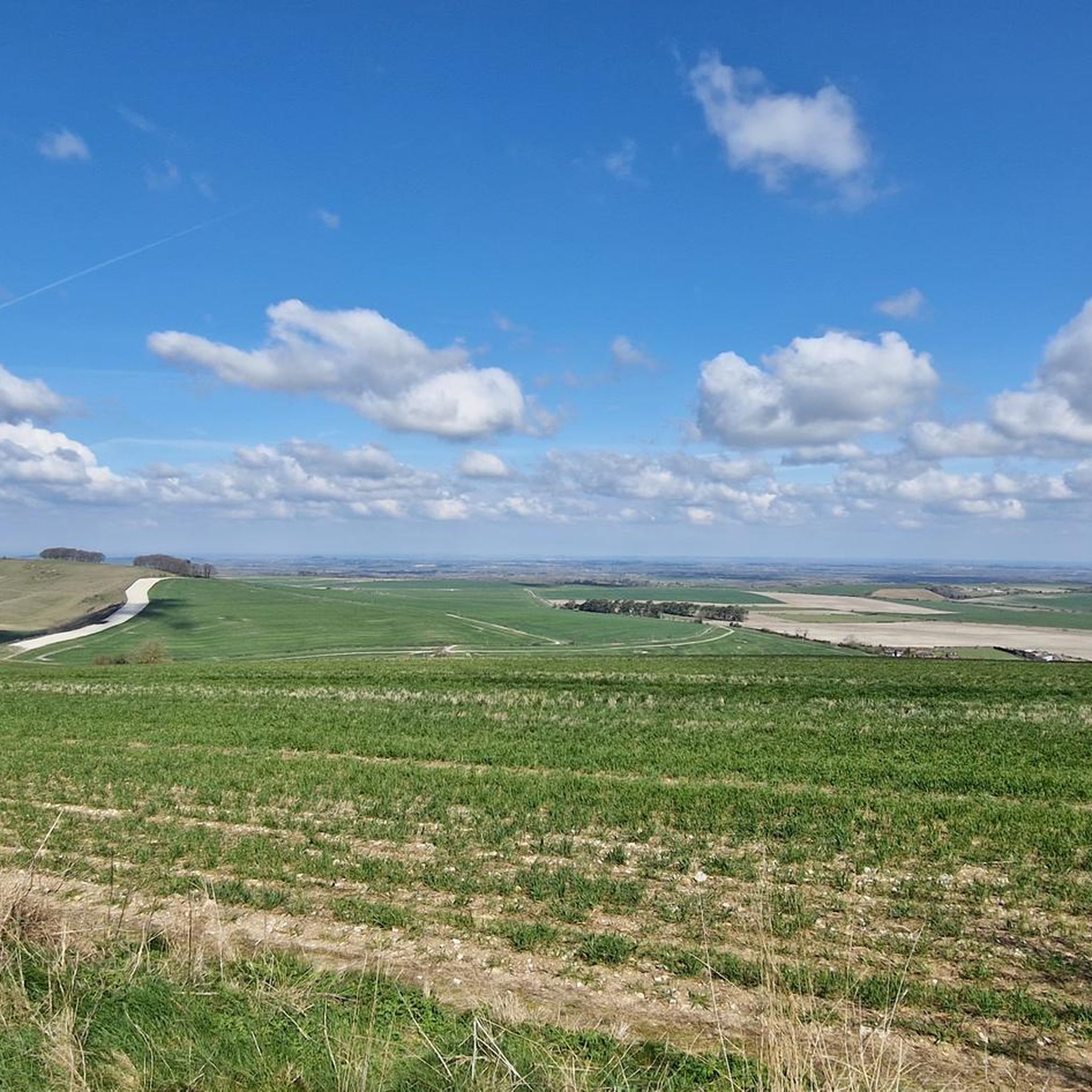
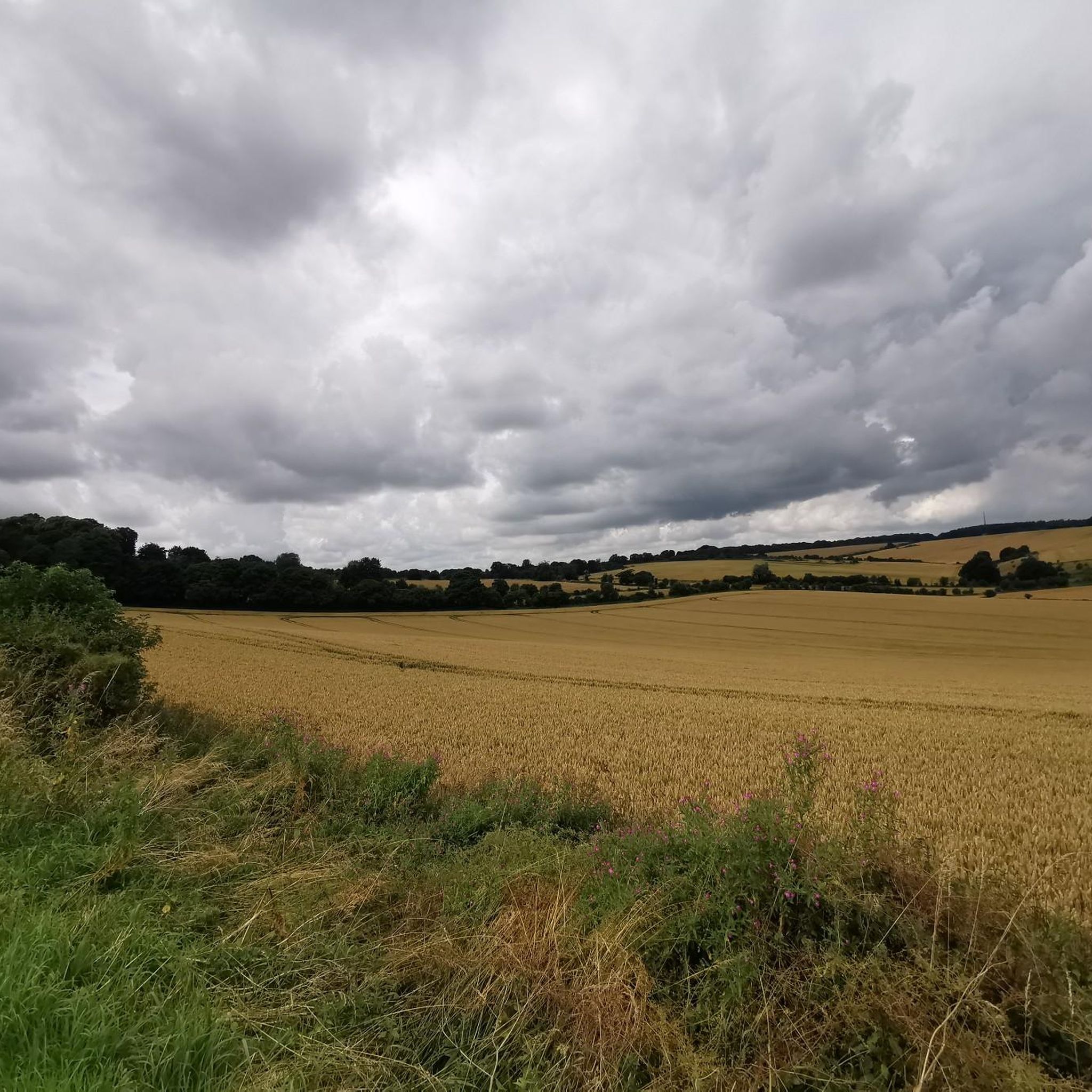
Scutchamer Knob is an ancient Iron Age burial mound and historic landmark on the Ridgeway. Along my King Alfred’s Way bikepacking route, it was a memorable spot to pause before the final stretch to Reading. 📜 Once a Saxon meeting place, this hilltop offers panoramic views of the surrounding Berkshire downs—a perfect blend of history and landscape. 🚴♂️ A short climb rewards you with quiet reflection and wide-open skies.
0
0

Discover this rare holy well located in Speen in Newbury. Historically, the well was thought to have healing qualities, healing anything from eye diseases to measles and rickets.
1
0
Grimsbury Castle Fort is an Iron Age hillfort situated on top of a high hill in Berkshire. The hillfort would have been occupied between the 2nd and 3rd centuries. It had three original entrances, which the best preserved being the Northern entrance.
1
0


A memorial obelisk to Robert Loyd-Lindsay, Lord Wantage. Robert Lloyd-Lindsay, 1st Baron Wantage, was a soldier, politician and philanthropist. He co-founded the British National Society for Aid to the Sick and Wounded in War, which later became the British Red Cross. He died in 1901. Lady Wantage erected a monument to Lord Wantage in 1903. The monument stands on a Bronze Age round barrow adjacent to the Ridgeway at Betterton Down near Lockinge, Oxfordshire. https://historicengland.org.uk/images-books/photos/item/BAR03/01/428
0
0

Great northern place to park up and start the King Alfred's Way
2
0

Dating back to the Iron Age, this Anglo-Saxon knob would once have been much larger and considerably more prominent. This is an ancient burial chamber but could also have been an important assembly place for troops or a marketplace. It also goes by the name of Beacon Hill and Scotsman's Knob.
2
1

Frequently Asked Questions
What natural features define the landscape around Leckhampstead?
The area around Leckhampstead is part of the North Wessex Downs Area of Outstanding Natural Beauty (AONB). Its natural beauty is characterized by rolling downland and chalk grasslands, which are home to diverse wildflowers and butterflies. You'll also find various woodlands, such as Leckhampstead Thicket and Eastley Copse, and unique ephemeral streams known as winterbournes, which flow primarily in colder months.
Are there historical natural monuments to explore near Leckhampstead?
Yes, several sites combine natural settings with rich history. You can visit Scutchamer Knob, an ancient Anglo-Saxon burial chamber and potential assembly place. Another significant historical monument is the Lord Wantage Monument, an obelisk offering stunning views from the Ridgeway. Additionally, explore the extensive ramparts of Segsbury Camp Iron Age Hill Fort and Grimsbury Castle Hillfort, both offering glimpses into ancient history within natural settings.
What kind of wildlife can I expect to see in the natural areas around Leckhampstead?
The chalk grasslands are particularly rich in biodiversity. In spring and summer, you can spot a variety of wildflowers like pyramidal orchids and salsify, which in turn attract numerous butterflies and bees. The woodlands also provide habitats for various birds and small mammals, offering a tranquil environment for wildlife observation.
What outdoor activities can I do near these natural monuments?
The area is excellent for various outdoor pursuits. You can enjoy gravel biking on routes like those found in our Gravel biking around Leckhampstead guide, or explore the many hiking trails, including easy options detailed in our Easy hikes around Leckhampstead guide. Mountain biking is also popular, with trails leading to sites like Grimsbury Castle Hillfort, as highlighted in our MTB Trails around Leckhampstead guide.
Are there family-friendly natural monuments or walks suitable for children?
Many of the footpaths and bridleways through the rolling downland and woodlands are suitable for families. Exploring the chalk grasslands to spot wildflowers and butterflies can be an engaging activity for children. While specific 'family-friendly' designations aren't always present for individual monuments, the general accessibility of the trails makes them enjoyable for all ages. Consider shorter, easy hikes from our Easy hikes around Leckhampstead guide.
What is the best time of year to visit the natural monuments around Leckhampstead?
The best time to visit depends on what you wish to experience. Spring and summer (May to August) are ideal for seeing the chalk grasslands vibrant with wildflowers and butterflies. Autumn offers beautiful foliage in the woodlands. Winter can be peaceful for walks, and it's when you might observe the unique winterbournes in flow, though some paths may be muddy.
Are there any viewpoints offering panoramic scenery?
Yes, the elevated areas within the rolling downland provide extensive views across the Berkshire Downs. Specific highlights like Scutchamer Knob and the Lord Wantage Monument are known for their stunning vistas. Segsbury Camp Iron Age Hill Fort and Grimsbury Castle Hillfort also offer elevated positions with good views of the surrounding landscape.
Can I bring my dog to the natural monuments and trails?
Most public footpaths and bridleways across the North Wessex Downs AONB are dog-friendly, provided dogs are kept under control, especially around livestock and wildlife. Always follow local signage and be mindful of ground-nesting birds during certain seasons. It's advisable to keep dogs on a lead in sensitive areas like chalk grasslands.
Where can I find parking when visiting these natural areas?
Many walking routes and natural monument sites, such as Scutchamer Knob, offer parking facilities nearby. For specific trails, it's best to check the starting points of routes in our guides, as they often include information on available parking. Rural car parks and roadside parking are common near popular trailheads.
Are there any unique geological features in the Leckhampstead area?
The most prominent geological features are the chalk downlands themselves, which form the basis of the North Wessex Downs. These chalk formations create the unique rolling hills and support the specialized ecosystems of the chalk grasslands. The ephemeral winterbournes are also a distinctive hydrological feature of this chalk landscape, demonstrating its unique water flow patterns.
What is The Lady Well at Speen?
The Lady Well at Speen is a rare holy well located in nearby Speen, Newbury. Historically, it was believed to possess healing qualities for various ailments. While not a natural monument in the traditional sense of a landscape feature, it's a significant historical site nestled within a natural setting.
Most popular attractions around Leckhampstead

Get inspired with the komoot mobile app


Explore more
Extend your search for the best caves by checking out these guides of the top ones around Leckhampstead:
