Top 5 Natural Monuments around Greenham
Natural monuments around Greenham feature a landscape characterized by expansive heathland, diverse habitats, and historical significance. The region, including Greenham and Crookham Commons, is designated as a Site of Special Scientific Interest, supporting a variety of flora and fauna. Visitors can explore areas with lowland heath, wildflower grasslands, and remnants of its past as a military air base. These natural areas offer opportunities to observe specialist wildlife and varied terrain.
Best natural monuments around Greenham
- The most popular natural monuments…
Last updated: May 2, 2026
Ladle Hill Iron Age Hillfort
Highlight • Historical Site
Tip by

Ladle Hill
Highlight (Segment) • Viewpoint
Tip by

Sign up now to discover places like this
Get recommendations on the best single tracks, peaks, & plenty of other exciting outdoor places.
Sign up for free
Grimsbury Castle Hillfort
Highlight • Viewpoint
Tip by

View from Plantation Hill
Highlight • Viewpoint
Tip by
View from White Hill
Highlight • Viewpoint
Tip by

Sign up for free to discover even more natural monuments around Greenham.
Sign up for free
Already have an account?
Start today with a free account
Your next adventure awaits.
Login or Signup
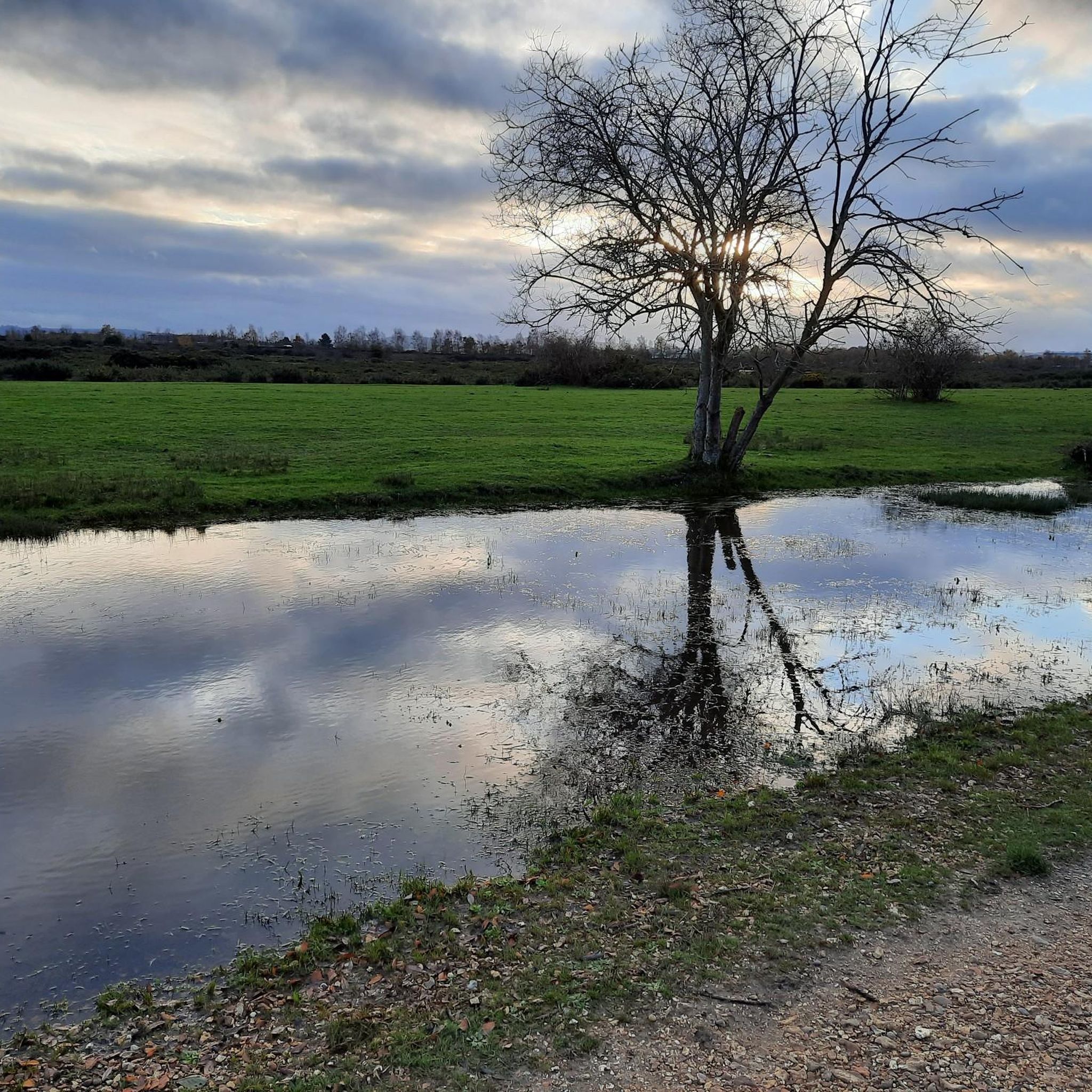
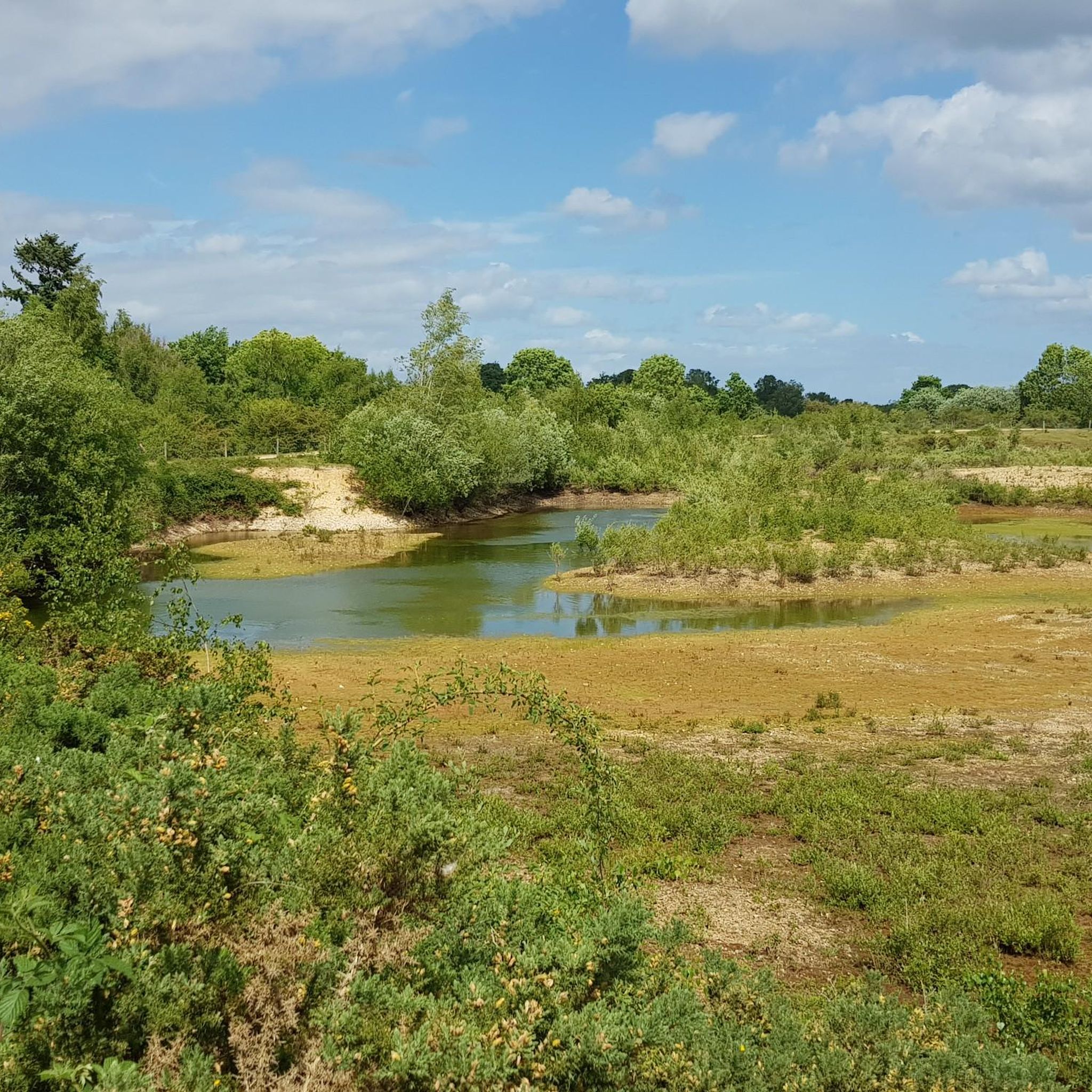
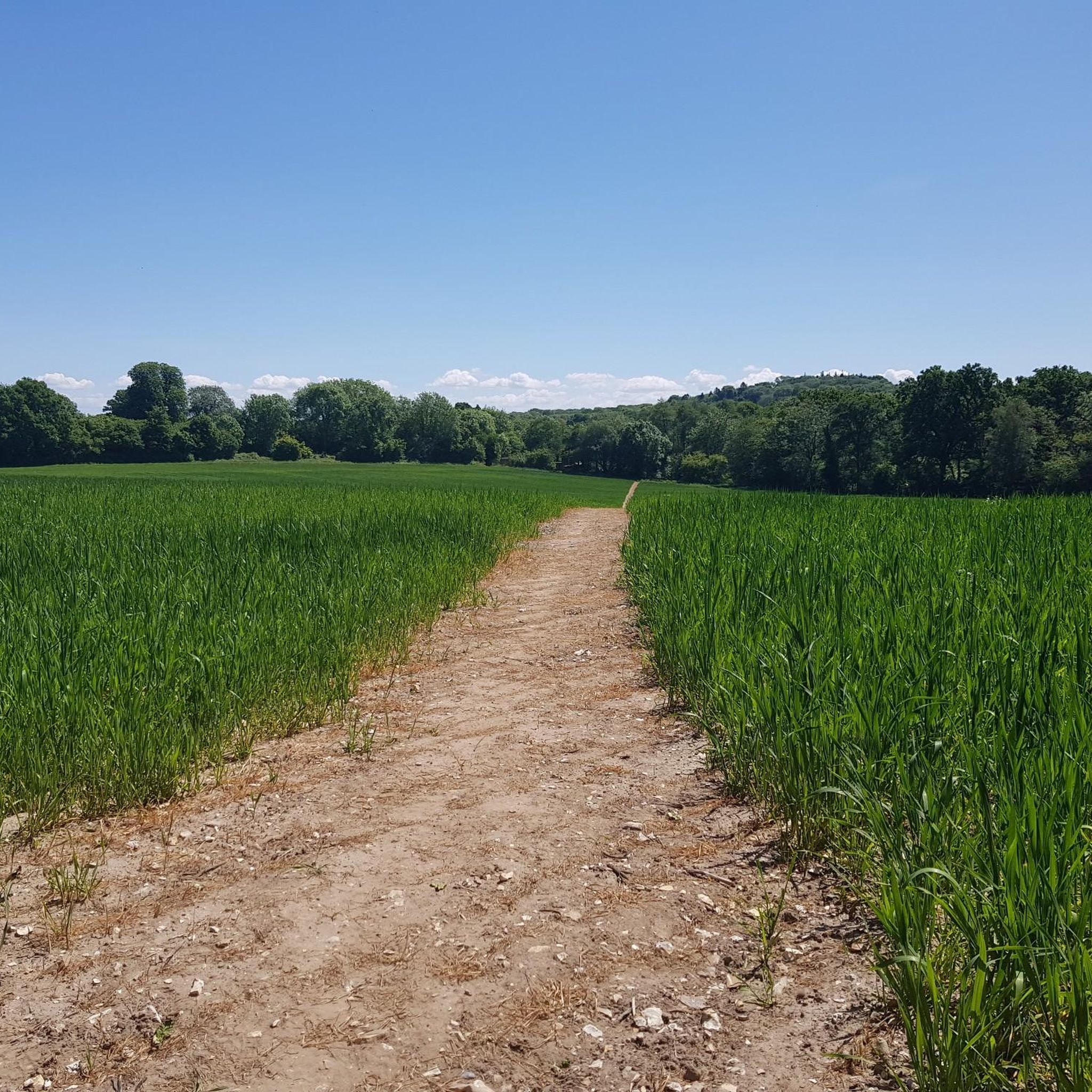
Tips from the Community

Think of Ladle Hill as the Iron Age’s greatest "Incomplete Project." Sitting right next to Watership Down, this hillfort is basically a 2,500-year-old construction site frozen in time. The ancient builders started digging their massive defensive ditches but just… stopped. Because it was never finished, you can clearly see the original "chalk heaps" and work pits, making it an archaeologist’s dream and a hiker's playground. It’s way quieter than its famous neighbors, offering 360-degree views and zero crowds. Perfect for a breezy picnic where you can contemplate why the Celts walked off the job!
0
0
The hillfort on the top of the hill has never been excavated, but the land and ditch are sharply defined and well preserved. This Iron Age fort is roughly rectangular and enclosed seven acres within an embankment and ditch. There are two probable entrances to the east and west. The work seems to have been undertaken by several different labour forces, each working on a section of the defences, but for some reason the task was abandoned and the fort left unfinished. Great to walk along the unfinished ramparts, it's windy and flipping huge!!!
0
0


Grimsbury Castle Fort is an Iron Age hillfort situated on top of a high hill in Berkshire. The hillfort would have been occupied between the 2nd and 3rd centuries. It had three original entrances, which the best preserved being the Northern entrance.
1
0
This is a wonderful spot with a lovely display of seasonal wildflowers that bloom within the spring and summer months.
1
0

White Hill offers a beautiful view of Cannon Heath Down, the Gallops and The Warren. This is a great place to spot birds, including linnets, yellowhammers, skylarks, buzzards and kestrels.
0
0

From this spot, you get a wonderful view over the rolling Hampshire countryside. A short distance to the west, you find Cottington Hill and Bowry Walls hill fort.
1
0
Ladle Hill is a biological Site of Special Scientific Interest and a Scheduled Monument with sublime views. Atop the hill is an Iron Age hill fort that has never been excavated. Ladle Hill is a calcareous grassland chalk downland habitat, which is now scarce in Britain.
1
0
Frequently Asked Questions
What are some highly-rated natural monuments to explore around Greenham?
Visitors frequently appreciate the diverse natural monuments in the area. For expansive views over the Hampshire countryside, consider the View from Plantation Hill. Another popular spot is View from White Hill, which offers vistas of Cannon Heath Down and is excellent for bird spotting. For a blend of history and nature, the Ladle Hill Iron Age Hillfort is a biological Site of Special Scientific Interest with well-preserved ramparts.
What kind of natural features can I expect to see at Greenham's natural monuments?
The natural monuments around Greenham are characterized by diverse landscapes. Greenham and Crookham Commons, for instance, feature the largest continuous tract of lowland heathland in Berkshire, alongside wildflower-filled grasslands, gorse scrub, broadleaved woodland, and over 70 ponds. You'll also find chalk downland habitats at sites like Ladle Hill.
Are there any historical natural monuments in the Greenham area?
Yes, the region has several natural monuments with significant historical context. The Ladle Hill Iron Age Hillfort is a prime example, featuring an unexcavated Iron Age fort atop a calcareous grassland. Similarly, Grimsbury Castle Hillfort is another Iron Age site situated on a high hill, offering a glimpse into ancient history.
What wildlife can I observe at the natural monuments around Greenham?
Greenham and Crookham Commons are a biodiversity hotspot. You can spot rare flora like the autumn lady's-tresses orchid in late summer. The area is vital for ground-nesting birds such as nightjar, woodlark, and lapwing, as well as Dartford warblers. Heathland is home to grayling butterflies, common lizards, and adders, while ponds support all three species of newts and over 20 species of dragonflies.
What is the best time of year to visit the natural monuments in Greenham?
The natural monuments around Greenham offer beauty throughout the year. Late summer is particularly vibrant when the purple and pink heathers bloom across the heathland, and the autumn lady's-tresses orchids appear. Spring and summer also bring a lovely display of wildflowers to chalk downland areas like Ladle Hill. Bird spotting is good year-round, with specific species like Dartford warblers present even in winter.
Are there family-friendly natural monuments or activities in Greenham?
Many natural monuments in Greenham are suitable for families. Greenham and Crookham Commons offer accessible paths and marked walk routes, perfect for exploring. The blend of natural beauty and historical remnants, like the old air base features, can be engaging for all ages. The View from White Hill is also noted as family-friendly, offering great views and bird-watching opportunities.
Can I bring my dog to the natural monuments in Greenham?
Yes, Greenham and Crookham Commons are generally dog-friendly, offering extensive areas for walks. Cattle and Exmoor ponies graze freely, so it's important to keep dogs under control, especially near livestock and ground-nesting birds. Always check local signage for specific restrictions or guidance on individual sites.
Are there hiking trails near these natural monuments?
Absolutely. The Greenham area offers numerous hiking opportunities. You can find easy hikes around Greenham Common, including routes like the 'Greenham Common Control Tower loop' or the 'Greenham Common Bunkers loop'. For more options, explore the Easy hikes around Greenham guide.
What outdoor activities can I do near Greenham's natural monuments besides hiking?
Beyond hiking, the area around Greenham is excellent for cycling. You can find various road cycling routes, such as the 'St Gregory's Church, Welford – Valley of the Racehorse loop' or the 'The Bledestone Pub – Grimsbury Castle Hillfort loop'. For more cycling adventures, refer to the Road Cycling Routes around Greenham guide or the Cycling around Greenham guide.
Are there any viewpoints offering panoramic scenery?
Yes, Greenham is known for its excellent viewpoints. The View from Plantation Hill provides a wonderful perspective over the rolling Hampshire countryside. Another notable spot is the White Hill View, North Wessex Downs, where you can see the whole of Oxfordshire opening up to the north.
How long should I plan for a visit to Greenham's natural monuments?
The duration of your visit depends on which natural monument you choose and your activity. For extensive areas like Greenham and Crookham Commons, you could easily spend several hours walking and exploring the diverse habitats and historical features. Shorter visits of 1-2 hours are also possible for specific viewpoints or smaller sites.
What makes Greenham and Crookham Commons so significant?
Greenham and Crookham Commons are highly significant as a biological Site of Special Scientific Interest (SSSI). They represent the largest continuous tract of open heath in Berkshire, supporting a rich tapestry of habitats and exceptional wildlife, including rare flora and ground-nesting birds. The site also holds compelling historical significance as a former military air base.
Most popular routes around Greenham
Most popular attractions around Greenham

Get inspired with the komoot mobile app


Explore more
Extend your search for the best caves by checking out these guides of the top ones around Greenham:
