Top 5 Natural Monuments around Lymm
Best natural monuments around Lymm offer a blend of scenic beauty, geological interest, and historical significance within a picturesque village setting. The area features diverse natural landscapes, including reservoirs, woodlands, and unique geological formations. These sites provide opportunities for walking and observing local wildlife. Lymm's natural monuments are integrated into local trails, making them accessible for exploration.
Best natural monuments around Lymm
- The most popular natural monuments is Tatton Mere, an other natural feature that is a dedicated Site…
Last updated: August 23, 2026
Tatton Mere
Highlight • Natural
Tip by

Life for a Life Memorial Forest, Mersey Meadow
Highlight • Natural Monument
Tip by

Sign up now to discover places like this
Get recommendations on the best single tracks, peaks, & plenty of other exciting outdoor places.
Sign up for free
Lymm Dam
Highlight • Lake
Tip by

Cadishead and Little Woolden Moss Nature Reserve
Highlight • Forest
Tip by

Daresbury Firs Local Nature Reserve
Highlight • Natural Monument
Tip by

Sign up for free to discover even more natural monuments around Lymm.
Sign up for free
Already have an account?
Start today with a free account
Your next adventure awaits.
Login or Signup
Tips from the Community

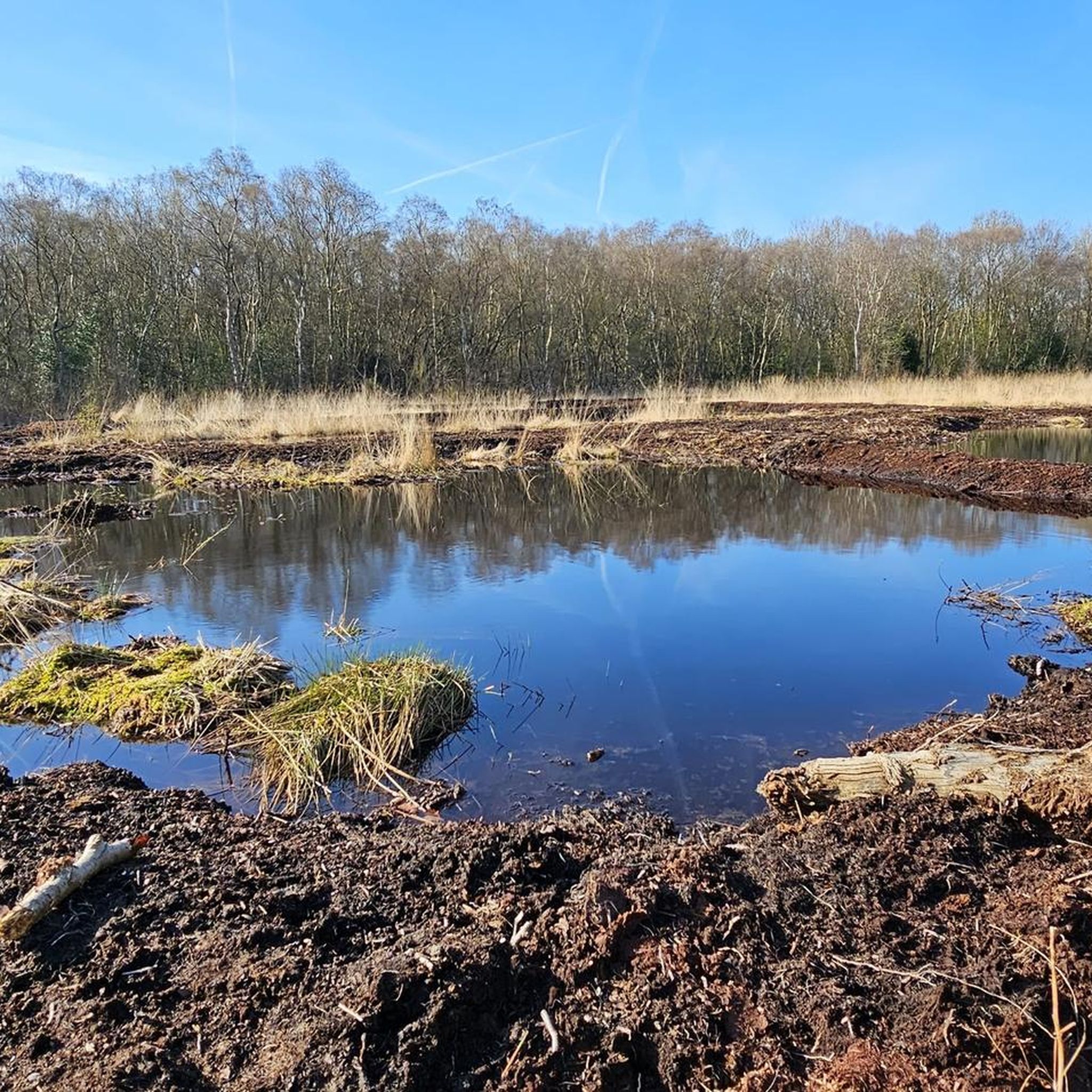
A gravel path circuits an inaccessible to humans peat bog. May be of interest to twitchers. And eagle-eyed lovers of lizards.
0
0


The 'Pennine Trail' already brings many visitors to the area and of course this memorial site will encourage people that wish to stroll along this famous trail which eventually leads up to the Carlisle borders. Life for a Life planting areas are natural environments where we encourage wildlife and plantlife to flourish,
2
0
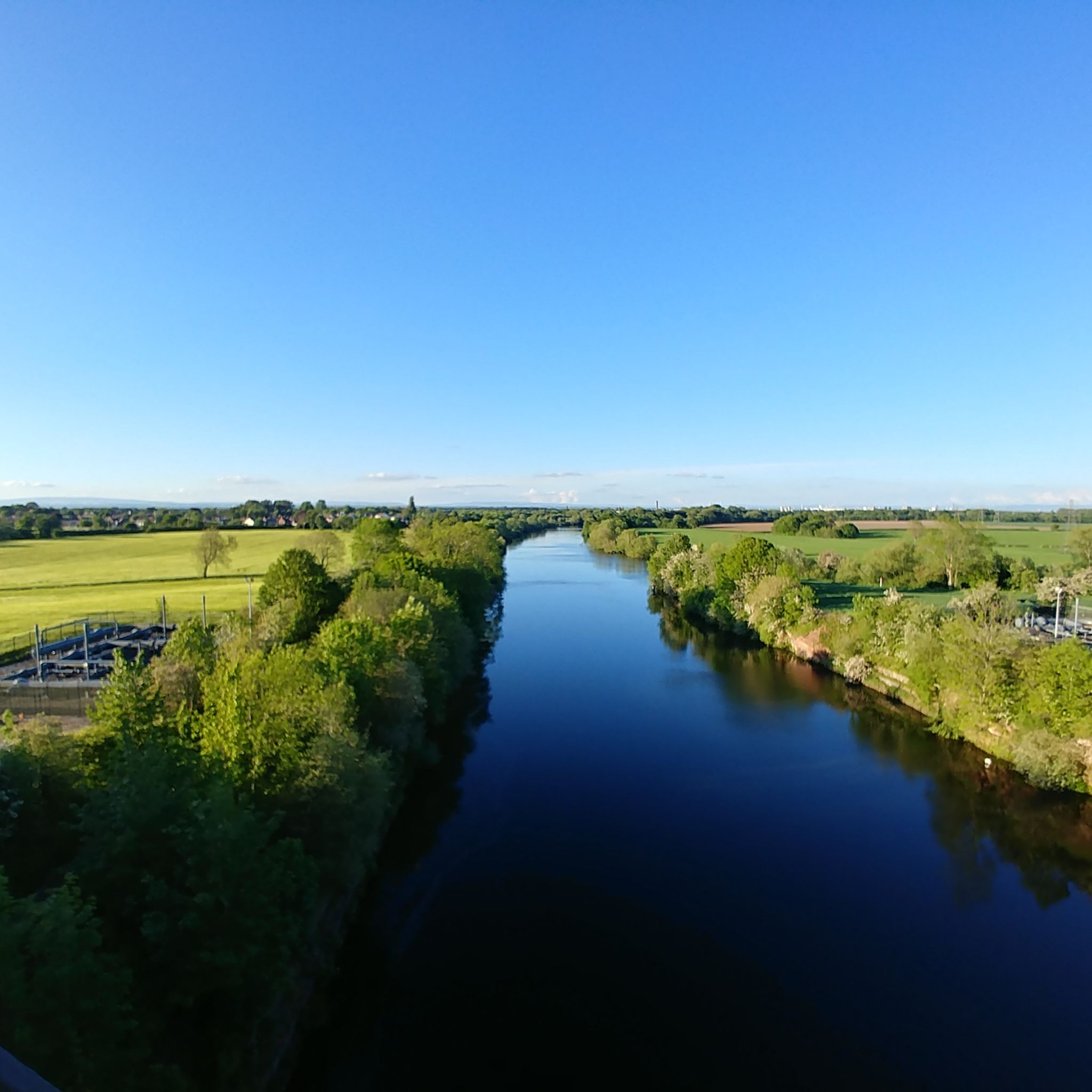
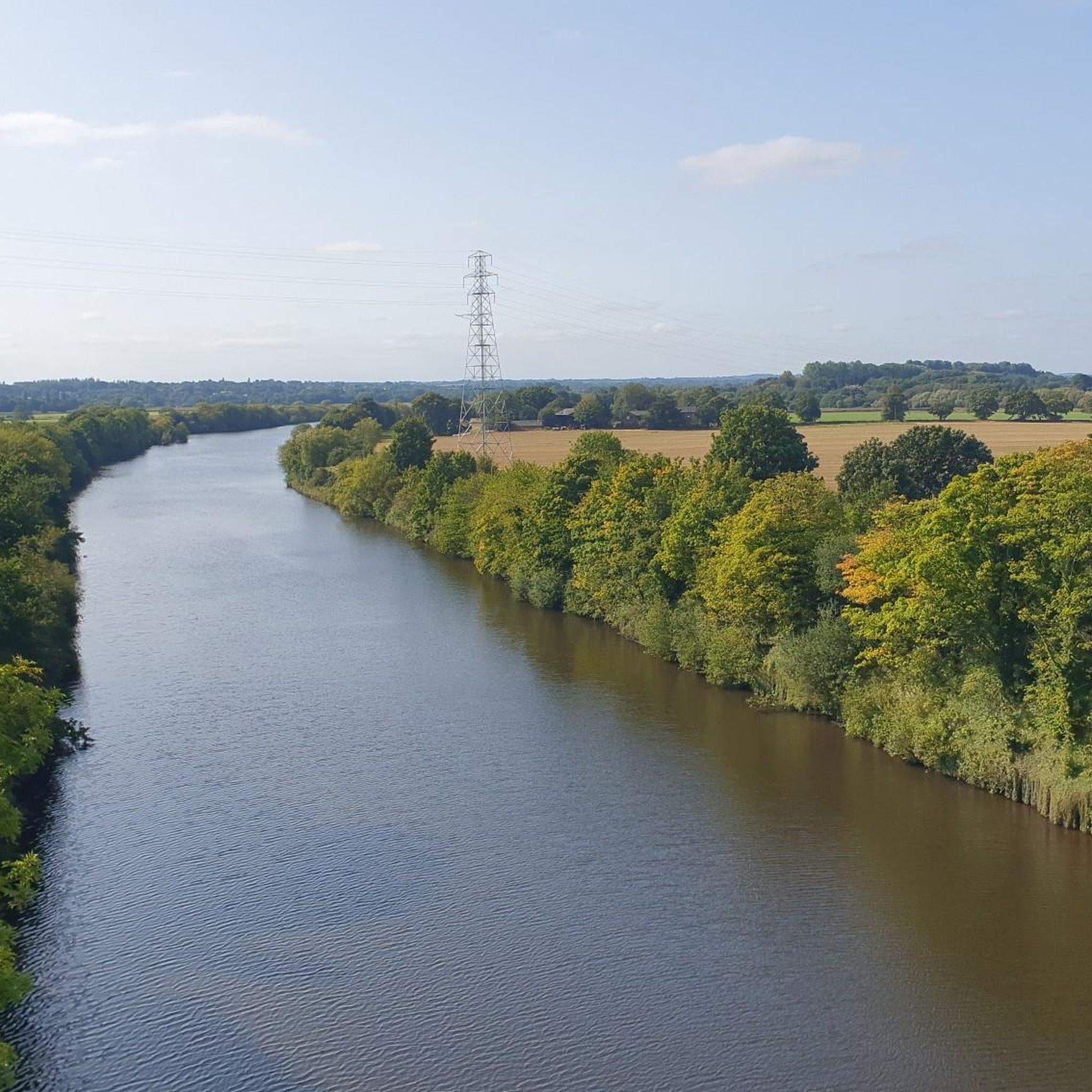
This site is situated at the beginning of the famous 'Pennine Trail' and was officially opened on 6th February 2004 by His Grace, The Duke of Westminster. This extensive site runs towards the banks of the River Mersey and has been refurbished by Life for a Life and United Utilities. Life for a Life in growing partnership with United Utilities, has reclaimed land that was derelict for over many years and has now been put to use for the benefit of the community. The site has a well established footpath through the area, suitable for wheelchair users and the elderly. Many benches have been installed throughout the memorial forest, which can be enjoyed by all visitors.
2
0


Cadishead & Little Woolden Moss is a once-exploited peat bog that’s starting to be reclaimed by nature, thanks to staff and volunteers at Lancashire Wildlife Trust. Peat extraction in the 19th century almost destroyed this peatland and many others in the region. But in recent years, awareness has grown about the importance of these habitats. The reserve is home to common lizards and dragonflies, as well as birds such as hobby, short-eared owl, skylark, and merlin. Sphagnum mosses thrive in the reserve, providing a colourful carpet and playing an important role in the formation of new peat.
1
0

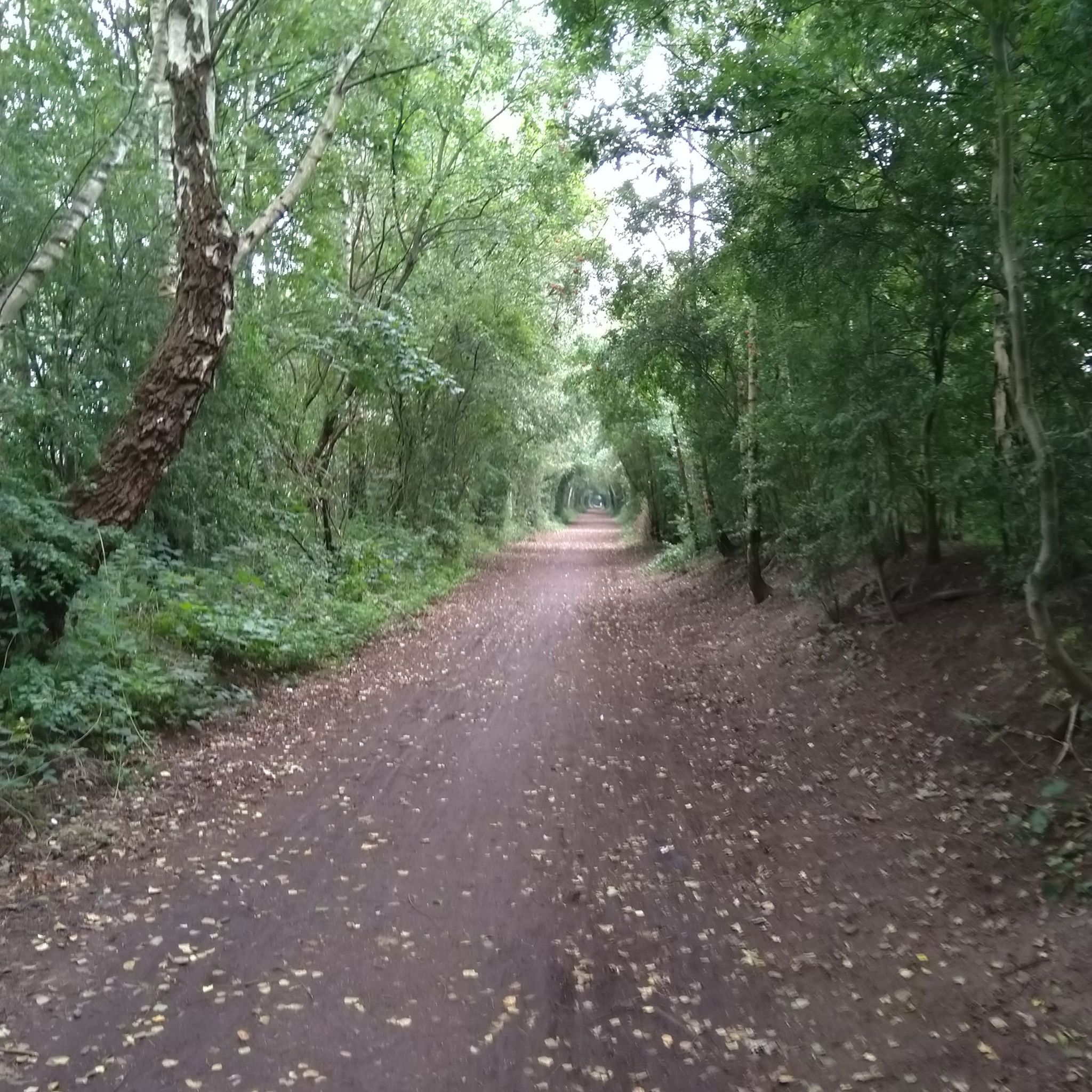
This was a commercial plantation – effectively a tree factory – planted over 30 years ago. There had been a woodland at Daresbury in the 19th century, but this had mostly been cut down by 1910. The conifer plantation that we see now was planted in 1978. The trees on Keckwick Hill behind Daresbury Firs are not part of the plantation. In this more natural woodland, if trees are cut down it is to let in light for wildflowers and young trees to grow, or to make the woodland safer and easier for the public to use.
1
0
Frequently Asked Questions
What are some of the most notable natural monuments around Lymm?
Lymm offers a variety of natural monuments, each with unique features. You can explore the nationally important habitat of Tatton Mere, a dedicated Site of Special Scientific Interest. Another prominent site is Lymm Dam, a large reservoir surrounded by woodlands. For a tranquil forest experience, visit the Life for a Life Memorial Forest, Mersey Meadow, which features accessible paths.
Are there family-friendly natural monuments in Lymm?
Yes, several natural monuments in Lymm are suitable for families. Lymm Dam is a popular choice for walks and wildlife observation. Tatton Mere offers open spaces and opportunities to see waterbirds and wildflowers. Additionally, Cadishead and Little Woolden Moss Nature Reserve is a reclaimed peat bog where families can observe diverse wildlife.
What kind of geological features can be found in Lymm's natural monuments?
Lymm is rich in geological history. At Lymm Dam, you can find exposed sandstone rocks approximately 250 million years old. The bluff below St Mary's church near the dam features rare 'nye channels' and 'scallops' formed by meltwater erosion around 10,000 years ago. Further along, Slitten Gorge, which is part of the Lymm Heritage Trail, is designated as a Regionally Important Geological Site with its own exposed sandstone outcrops.
Are there any natural monuments in Lymm that are wheelchair accessible?
Yes, the Life for a Life Memorial Forest, Mersey Meadow features a well-established footpath suitable for wheelchair users and the elderly, with benches installed throughout for rest.
What outdoor activities can I do near Lymm's natural monuments?
The area around Lymm's natural monuments is ideal for various outdoor activities. You can enjoy easy hikes, such as the Lymm Dam & Spud Wood loop, or explore routes along the Bridgewater Canal. For cycling enthusiasts, there are numerous road cycling and touring routes available. Find more details on specific routes in the easy hikes around Lymm, road cycling routes around Lymm, and cycling around Lymm guides.
Where can I observe wildlife in Lymm's natural monuments?
Wildlife observation is excellent at several sites. Tatton Mere is a nationally important habitat for waterbirds and diverse plant life. Lymm Dam's woodlands and meadows are home to ducks and swans. At Cadishead and Little Woolden Moss Nature Reserve, you might spot common lizards, dragonflies, and various bird species like hobby and short-eared owl.
Are there any historical sites connected to the natural monuments in Lymm?
Yes, Slitten Gorge, which is a natural monument with exposed sandstone, also contains the remains of the 18th and 19th-century Lymm Slitting Mill. This industrial site used water power for iron bar processing and is considered one of Britain's best-preserved examples of its kind. The Dingle, a woodland walkway, also forms part of the Lymm Heritage Trail, connecting natural beauty with historical exploration.
What is The Dingle and how does it connect to other natural monuments?
The Dingle is a verdant woodland walkway that follows the outlet of Lymm Dam downstream to the Lower Dam in Lymm village center. It offers a serene environment for walks and is an integral part of the Lymm Heritage Trail, linking the dam to other natural and historical sites in the village, including Slitten Gorge.
What is the best time of year to visit the natural monuments in Lymm?
The natural monuments in Lymm can be enjoyed year-round. Spring and summer offer lush greenery, abundant wildflowers, and active wildlife, making them ideal for walks and picnics. Autumn brings beautiful foliage, while winter provides a peaceful, often crisp, landscape for quiet strolls. The trails around Lymm Dam are particularly popular in all seasons.
Can I find cafes or refreshments near the natural monuments?
Yes, there are options for refreshments. Near Lymm Dam, you can find a nearby caravan cafe serving food, and it's a lovely spot for coffee or ice cream. The village of Lymm itself, easily accessible from The Dingle, also offers various cafes and eateries.
What makes <a href="https://www.komoot.com/highlight/5404649" target="_blank" rel="noopener">Cadishead and Little Woolden Moss Nature Reserve</a> unique?
This nature reserve is a once-exploited peat bog that is being reclaimed by nature. It's significant for its ongoing restoration efforts by the Lancashire Wildlife Trust, transforming derelict land into a thriving habitat. It's home to common lizards, dragonflies, and various birds, with sphagnum mosses playing a crucial role in forming new peat.
Are there any viewpoints among Lymm's natural monuments?
Yes, both Lymm Dam and Tatton Mere offer picturesque views of the water and surrounding landscapes. Additionally, the View of Rostherne Mere National Nature Reserve provides stunning vistas of the lake and the immaculately kept village of Rostherne.
Most popular routes around Lymm
Most popular attractions around Lymm

Get inspired with the komoot mobile app


Explore more
Extend your search for the best caves by checking out these guides of the top ones around Lymm:
