Top 20 Natural Monuments around East Boldre
Best natural monuments around East Boldre are situated within the New Forest National Park, an area characterized by its diverse blend of heathland, ancient woodlands, and wetlands. This landscape has been shaped over centuries by natural processes and traditional grazing practices. The region offers a variety of natural features, from expansive open spaces to serene freshwater bodies. These natural monuments provide opportunities for observing local wildlife and experiencing the unique ecology of the New Forest.
Best natural monuments around East…
Last updated: June 29, 2026
Dead Trees Marsh, New Forest National Park
Highlight • Natural Monument
Tip by

Hatchet Pond
Highlight • Lake
Tip by

Sign up now to discover places like this
Get recommendations on the best single tracks, peaks, & plenty of other exciting outdoor places.
Sign up for free
Bolton's Bench
Highlight • Viewpoint
Tip by

Hurst Spit
Highlight • Beach
Tip by

Pondhead Inclosure Dragon Sculpture
Highlight • Natural Monument
There …
Tip by

Sign up for free to discover even more natural monuments around East Boldre.
Sign up for free
Already have an account?
Start today with a free account
Your next adventure awaits.
Login or Signup

Tips from the Community

Bolton's Bench is a well-known natural knoll and landmark situated on the edge of Lyndhurst, the "capital" of the New Forest. A prominent ancient yew tree grows at the top of the hill, which is surrounded by grassy lawns where the New Forest's famous ponies, donkeys, and cattle often graze freely. According to a medieval tale, a dragon that terrorized the nearby village of Bisterne was slain on the site by a knight named Sir Maurice de Berkeley. The dragon's body supposedly became the hill, and the ancient yew trees grew where the knight and his hounds later died.
0
0

An amazing and very charming place that hides some secrets from the past..
2
0
Also known as Hurst spit, is a hook-shaped shingle spit which extends for 1.4 miles (2.25 km) from the Hampshire shore into the Solent towards the Isle of Wight. The spit forms a barrier which shelters a Site of Special Scientific Interest known as Hurst Castle And Lymington River Estuary. The spit shelters an area of saltmarsh and mudflats known as Keyhaven and Pennington marshes. At the end of the spit is Hurst Castle, an artillery fortress originally built on the orders of King Henry VIII ( not a very nice man at all ), and much enlarged in the 19th century. Hurst Point Lighthouse was built on the end of Hurst Spit in the 1860s.
0
0
Nothing lives in this place. Legend from commoners ( habitants of the new forest ), tell of the death of a young boy here in the early 1800's. His family buried him here and within days the woods around his body decayed and died. Birds won't even sit on the branches. it's a very eerie place.
1
0

The phenomenally beautiful Hurst Beach. Gorgeous views of the sea and lovely views of Milford on Sea. For beach enthusiasts, this is a must!
1
0

Hurst Spit is a one-mile-long (1.6 km) shingle bank near the village of Keyhaven, at the western end of the Solent, on the south coast of England. The spit shelters an area of saltmarsh and mudflats known as Keyhaven and Pennington marshes. At the end of the spit is Hurst Castle, an artillery fortress originally built on the orders of King Henry VIII, and much enlarged in the 19th century. Hurst Point Lighthouse was built on the end of Hurst Spit in the 1860s.
1
0
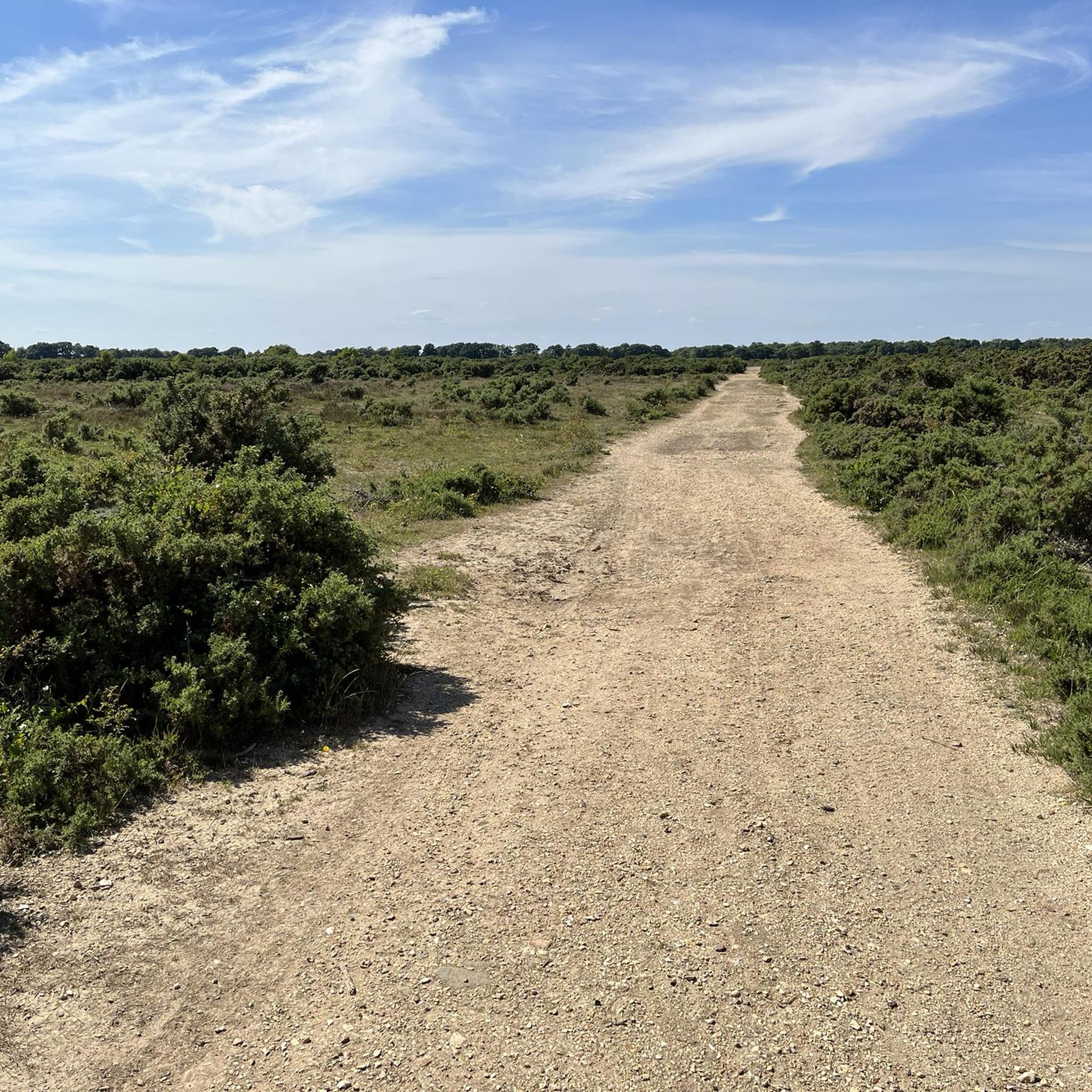
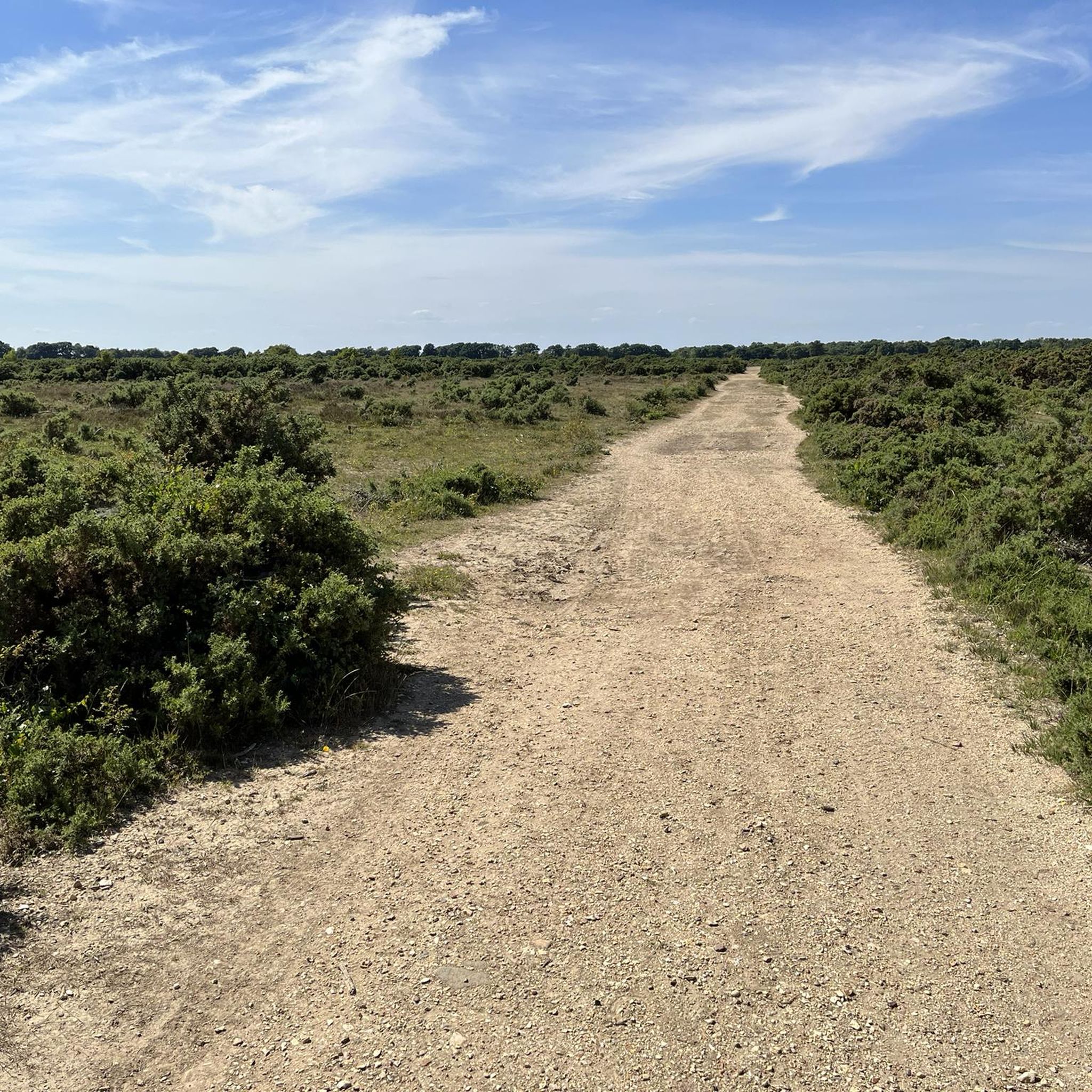
Always check to forecast for the New Forest. Even days after a rainfall, the ground can stay flooded for long periods of time. Tracks can be washed away and even streams over them. Make sure you have the correct equipment to tackle these problems.
0
0
Frequently Asked Questions
What are some of the most unique natural monuments to visit near East Boldre?
For a truly unique experience, visit Dead Trees Marsh, New Forest National Park, known for its hauntingly beautiful swamp and jagged leafless trees, offering fantastic photo opportunities. Another distinct spot is Bolton's Bench, a historical viewpoint marked by a large yew tree, offering expansive views across the heathlands and towards the waterside.
Are there any natural monuments suitable for families with children?
Yes, several natural monuments near East Boldre are family-friendly. Hatchet Pond is ideal for wildlife observation, with New Forest ponies, deer, and birds often present. Bolton's Bench offers open spaces and views, and the nearby Pondhead Inclosure Dragon Sculpture adds an element of folklore and discovery for younger visitors.
What kind of natural features can I expect to see around East Boldre?
The area around East Boldre, within the New Forest National Park, boasts a diverse range of natural features. You'll find expansive heathlands like Beaulieu Heath and Bagshot Moor, ancient woodlands such as Hawkhill Inclosure and Rans Wood, and significant freshwater bodies like Hatchet Pond. The unique landscape is also characterized by wetlands, marshes like Dead Trees Marsh, and coastal shingle banks like Hurst Spit.
What outdoor activities can I do near these natural monuments?
The natural monuments around East Boldre are excellent starting points for various outdoor activities. You can enjoy easy hikes, such as the Hatchet Pond loop, or explore more challenging routes through the New Forest. Mountain biking is also popular, with trails like the Roydon Woods loop. For detailed routes and guides, explore the easy hikes, general hiking, and MTB trails guides for East Boldre.
Are there any historical sites or landmarks connected to the natural monuments?
Yes, the New Forest has a rich history intertwined with its natural landscape. Bolton's Bench is a historical site commemorating an 18th-century New Forest Master Keeper and is also linked to local dragon legends. Additionally, Hurst Spit features Hurst Castle, a fort built by Henry VIII, adding a significant historical dimension to the natural shingle bank.
What is the best time of year to visit the natural monuments in East Boldre?
The New Forest offers beauty year-round. Spring (April-May) is excellent for seeing bluebells, particularly in woodlands like Pondhead Inclosure. Summer (June-August) is ideal for picnics and enjoying the open heathlands, though popular spots like Hatchet Pond can get busy. Autumn (September-November) brings stunning foliage, especially in wooded areas, while winter offers a tranquil, often misty, atmosphere for quiet reflection and wildlife spotting.
Where can I observe wildlife near East Boldre's natural monuments?
Wildlife observation is a highlight of visiting East Boldre. Hatchet Pond is a haven for birds, deer, and the famous New Forest ponies, donkeys, and cows that roam freely. The expansive heathlands of Beaulieu Heath and Bagshot Moor are also excellent for spotting grazing animals. Hurst Spit and the adjacent Keyhaven Saltmarshes are important habitats for birds, plants, and invertebrates.
Are there any viewpoints offering panoramic scenery?
Absolutely. Bolton's Bench provides commanding views across open heathlands, White Moor, Matley Heath, and towards the waterside village of Hythe. Hatchet Pond offers serene views, especially at sunset. Additionally, Hurst Spit boasts lovely scenic views of the sea, the Isle of Wight, and Milford on Sea.
What do visitors enjoy most about the natural monuments in East Boldre?
Visitors frequently praise the tranquility and natural beauty of the area. Many appreciate the unique photographic opportunities at places like Dead Trees Marsh and the chance to encounter free-roaming New Forest ponies and other animals, particularly around Hatchet Pond. The blend of open heathland and ancient woodlands, along with the historical context, also adds to the appeal.
Are there easy walking trails to access these natural monuments?
Yes, many natural monuments in the East Boldre area are accessible via easy walking trails. For example, the Hatchet Pond loop from East Boldre is an easy 3.2 km walk. Hawkhill Inclosure also features authorized gravel tracks suitable for walking. You can find more easy routes in the Easy hikes around East Boldre guide.
Can I bring my dog to the natural monuments?
The New Forest National Park is generally dog-friendly, but it's crucial to keep dogs under close control, especially due to the free-roaming livestock (ponies, cattle, donkeys) and ground-nesting birds. Always follow the New Forest Dog Code, which advises keeping dogs on a lead near animals and during bird nesting season (March-July). Specific areas like Pondhead Inclosure may have restrictions on cycling through conservation areas, but walking with dogs on leads is generally permitted.
Are there facilities like parking or cafes near the natural monuments?
Parking is available at various points throughout the New Forest, often near popular natural monuments. For instance, Hatchet Pond has a car park, and an ice cream van is often present at its entrance during warmer months. While East Boldre itself has local amenities, specific cafes or pubs might require a short drive from some of the more remote natural monument locations. It's advisable to check local listings for specific facilities.
Most popular routes around East Boldre
Most popular attractions around East Boldre

Get inspired with the komoot mobile app


Explore more
Extend your search for the best caves by checking out these guides of the top ones around East Boldre:
