Top 20 Natural Monuments around Lyndhurst
Best natural monuments around Lyndhurst encompass a variety of natural features within the New Forest National Park. The area is characterized by ancient woodlands, serene ponds, and open heathlands, offering diverse experiences for visitors. These natural spaces provide habitats for wildlife and opportunities for exploration. Lyndhurst serves as a central point for accessing these natural attractions.
Best natural monuments around Lyndhurst
- The most popular natural monuments is Dead Trees Marsh, New Forest National Park, a natural_monument characterized by a…
Last updated: October 16, 2026
Dead Trees Marsh, New Forest National Park
Highlight • Natural Monument
Tip by

Hatchet Pond
Highlight • Lake
Tip by

Sign up now to discover places like this
Get recommendations on the best single tracks, peaks, & plenty of other exciting outdoor places.
Bolderwood Deer Sanctuary
Highlight • Forest
Tip by

Bolton's Bench
Highlight • Viewpoint
Tip by

Pondhead Inclosure Dragon Sculpture
Highlight • Natural Monument
There …
Tip by

Sign up for free to discover even more natural monuments around Lyndhurst.
Already have an account?
Start today with a free account
Your next adventure awaits.
Popular around Lyndhurst
New Forest - All the Accessible Routes
New Forest - Walking in the National Park
My favourite West Country riding — South-West Gravel Gold
Hiking around Lyndhurst
Cycling around Lyndhurst
Road Cycling Routes around Lyndhurst
Running Trails around Lyndhurst

Gravel biking around Lyndhurst
MTB Trails around Lyndhurst
Other adventures around Lyndhurst


Tips from the Community

Bolton's Bench is a well-known natural knoll and landmark situated on the edge of Lyndhurst, the "capital" of the New Forest. A prominent ancient yew tree grows at the top of the hill, which is surrounded by grassy lawns where the New Forest's famous ponies, donkeys, and cattle often graze freely. According to a medieval tale, a dragon that terrorized the nearby village of Bisterne was slain on the site by a knight named Sir Maurice de Berkeley. The dragon's body supposedly became the hill, and the ancient yew trees grew where the knight and his hounds later died.
0
0


An amazing and very charming place that hides some secrets from the past..
2
0
there is a purpose built platform which overlooks a large meadow. The platform is just a short walk from the car park. This is a great place if you're looking to get some great photo opportunities of the natural surroundings of the New Forest as well as the wildlife that surrounds the area. There is also information panels giving you more information about the deer found in the New Forest.
0
0
Nothing lives in this place. Legend from commoners ( habitants of the new forest ), tell of the death of a young boy here in the early 1800's. His family buried him here and within days the woods around his body decayed and died. Birds won't even sit on the branches. it's a very eerie place.
1
0

Always check to forecast for the New Forest. Even days after a rainfall, the ground can stay flooded for long periods of time. Tracks can be washed away and even streams over them. Make sure you have the correct equipment to tackle these problems.
0
0
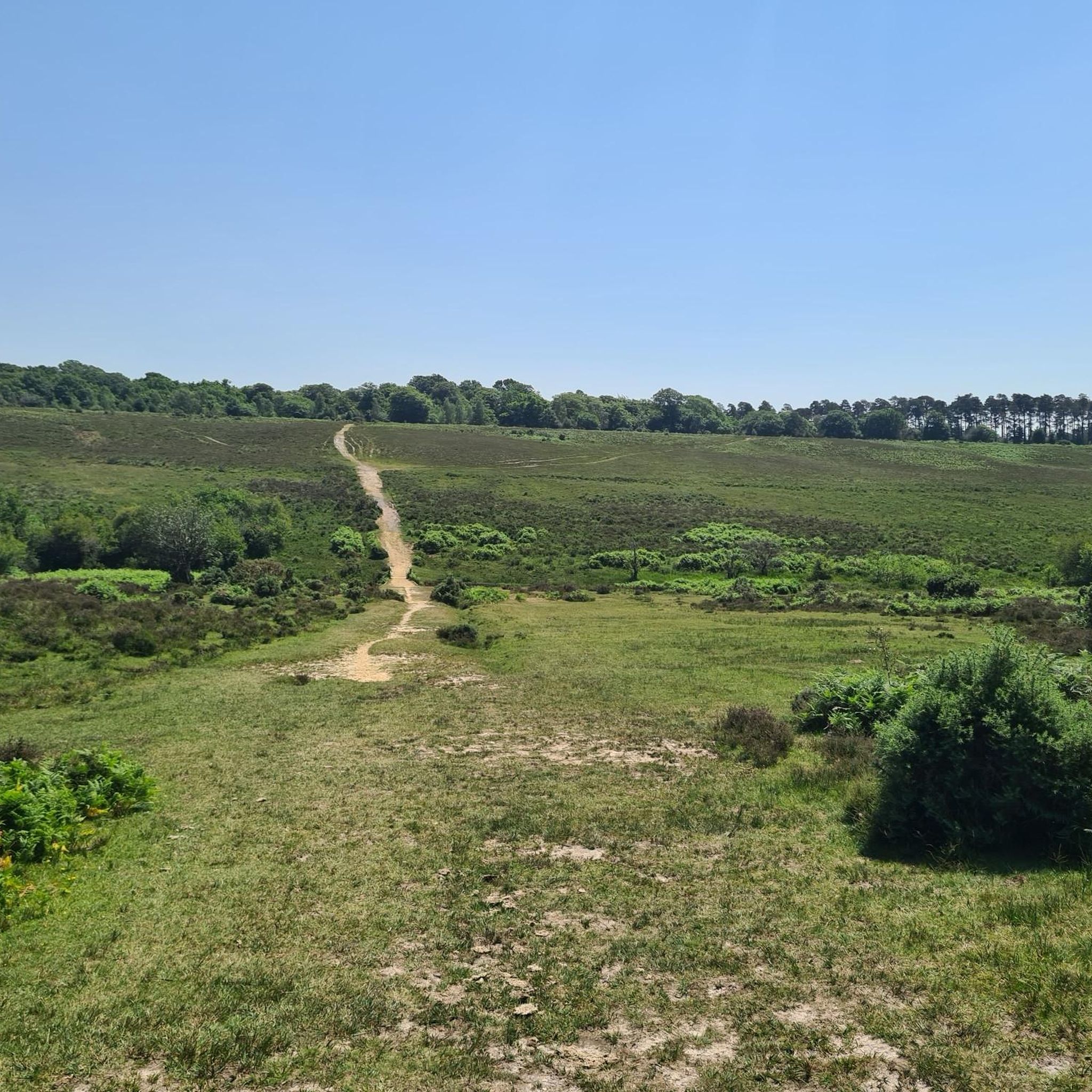
The New Forest has the most extensive area of heathland remaining in Europe (over 10,000ha – the equivalent of 14,000 football pitches). Drier areas are dominated by heather, with bracken and gorse and a very rich lichen flora.
0
0
Frequently Asked Questions
What types of natural monuments can I explore around Lyndhurst?
Around Lyndhurst, you can explore a diverse range of natural monuments, including ancient woodlands, serene ponds, and open heathlands. Highlights include the unique wetland scenery of Dead Trees Marsh, the tranquil Hatchet Pond, and the forested areas of Bolderwood Deer Sanctuary.
Are there family-friendly natural monuments near Lyndhurst?
Yes, several natural monuments around Lyndhurst are great for families. Bolderwood Deer Sanctuary offers leisurely trails and a deer viewing platform, perfect for all ages. Hatchet Pond is also family-friendly, where you can often spot New Forest ponies, donkeys, and cows. Bolton's Bench provides open spaces and commanding views suitable for a family outing.
Where can I see wildlife around Lyndhurst's natural monuments?
For wildlife spotting, Bolderwood Deer Sanctuary is an excellent choice, known for its herds of deer and ponies, with a dedicated viewing platform. Hatchet Pond is another spot where you can frequently encounter New Forest ponies, donkeys, and cows roaming freely.
What are some natural monuments with historical significance near Lyndhurst?
Bolton's Bench is a natural monument with historical ties, commemorating the 18th-century New Forest Master Keeper, the Duke of Bolton. It features a large yew tree and offers panoramic views across the New Forest, making it a significant local landmark.
Are there walking trails of varying difficulty at these natural monuments?
Yes, the natural monuments around Lyndhurst offer trails for various fitness levels. Many areas, like Bolderwood Deer Sanctuary, feature leisurely and intermediate trails. The New Forest generally provides a mix of easy, moderate, and some more challenging routes. For specific trail details, you can explore the hiking guide for Lyndhurst.
What outdoor activities can I do near these natural monuments?
Beyond exploring the natural monuments themselves, the area around Lyndhurst offers a variety of outdoor activities. You can find numerous hiking trails, including routes like the 'Lyndhurst Hill & Acres Down loop'. Cycling is also popular, with options such as the 'New Forest Northern Circular' found in the cycling guide for Lyndhurst. For runners, there are dedicated running trails like the 'Boltons Bench, Matley Heath & Ashurst Wood loop'.
Is there parking available at the natural monuments?
Many natural monuments and popular spots in the New Forest, including those near Lyndhurst, typically have designated parking areas. For example, Hatchet Pond has parking available near the entrance on Hatchet Road, and Bolderwood Deer Sanctuary also has a car park.
What is the best time of year to visit the natural monuments around Lyndhurst?
The natural monuments around Lyndhurst can be enjoyed year-round. Spring brings blooming bluebells to areas like Pondhead Inclosure, while late autumn offers vibrant foliage. Summer is popular but can be busy, especially at spots like Hatchet Pond. Winter provides a peaceful, often less crowded experience for walks through the New Forest.
Are dogs allowed at the natural monuments in the New Forest?
Many areas within the New Forest National Park, including some natural monuments, are dog-friendly. However, it's important to keep dogs under close control, especially around livestock like ponies, donkeys, and cows that roam freely. Always check local signage for specific restrictions, particularly in nature reserves or sensitive wildlife areas.
Are there any less crowded natural monuments to visit near Lyndhurst?
While popular spots can get busy, especially in summer, exploring areas like Pondhead Inclosure, a community woodland project, might offer a quieter experience. Whitley Wood Inclosure, near Lyndhurst, is also described as a peaceful area for walks with no specific paths, allowing for more untamed exploration away from crowds.
What should I wear when visiting the natural monuments around Lyndhurst?
Given the varied terrain of woodlands, heathlands, and wetlands, it's advisable to wear comfortable, sturdy walking shoes or boots. Layers of clothing are recommended to adapt to changing weather conditions, and waterproof outerwear is useful, especially during wetter seasons. For photography at spots like Dead Trees Marsh, consider appropriate footwear for potentially damp ground.
Most popular routes around Lyndhurst
Most popular attractions around Lyndhurst

Get inspired with the komoot mobile app


Explore more
Extend your search for the best caves by checking out these guides of the top ones around Lyndhurst:
