Top 20 Natural Monuments around Fordingbridge
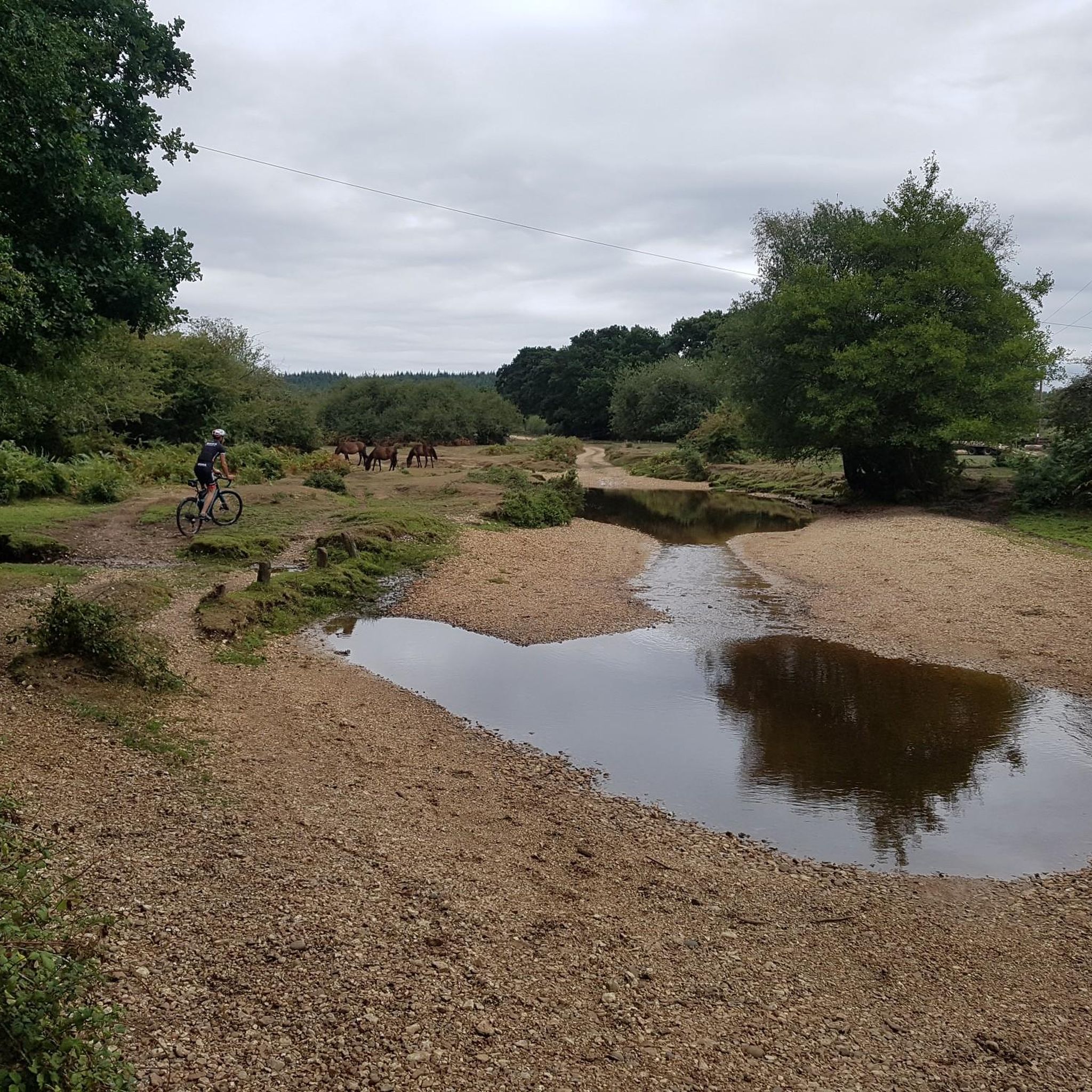
Best natural monuments around Fordingbridge include the expansive New Forest National Park and the scenic River Avon. Fordingbridge, known as the "Northern Gateway" to the New Forest, is situated amidst diverse natural landscapes. The area features ancient trees, free-roaming wildlife, and significant historical earthworks. These natural features provide opportunities for outdoor activities and wildlife observation.
Best natural monuments around Fordingbridge
- The most popular natural monuments is Bolderwood Deer Sanctuary, a forest known for its herds of deer and ponies.…
Last updated: June 29, 2026
Bolderwood Deer Sanctuary
Highlight • Forest
Tip by

The New Forest
Highlight • Historical Site
Tip by

Sign up now to discover places like this
Get recommendations on the best single tracks, peaks, & plenty of other exciting outdoor places.
Sign up for free
Bokerley Dyke
Highlight • Trail
Tip by

Shagbark Hickory (Carya Ovata) Planting Site
Highlight • Natural Monument
Tip by

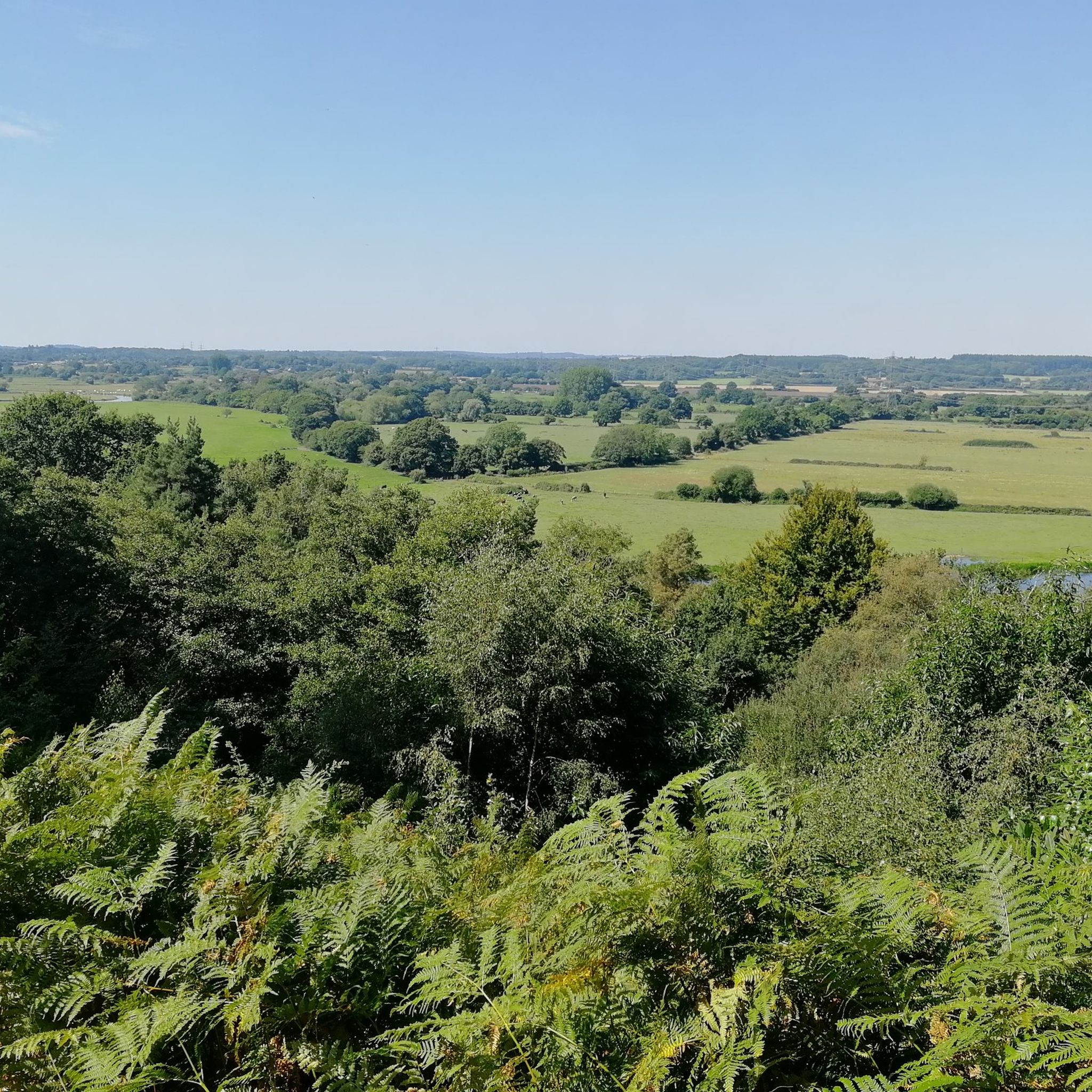
Telegraph Hill
Highlight • Historical Site
Tip by

Sign up for free to discover even more natural monuments around Fordingbridge.
Sign up for free
Already have an account?
Start today with a free account
Your next adventure awaits.
Login or Signup
Popular around Fordingbridge


Tips from the Community

Napoleonic Era: During the early 19th century, the site housed a wooden optical shutter signal station. It was part of a line connecting Plymouth with the Admiralty in London, capable of passing messages in under 20 minutes. Thats google telling me
0
0

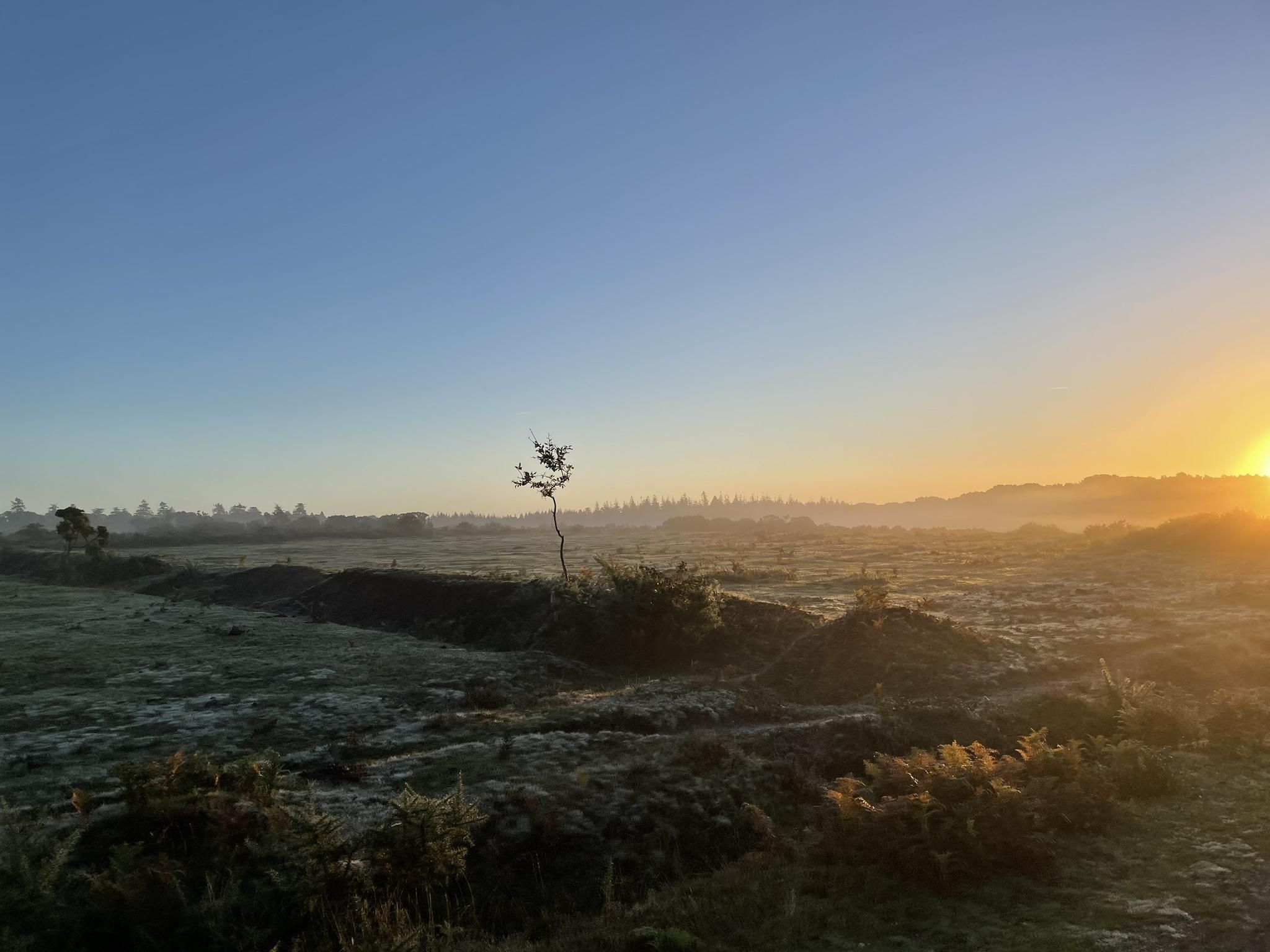
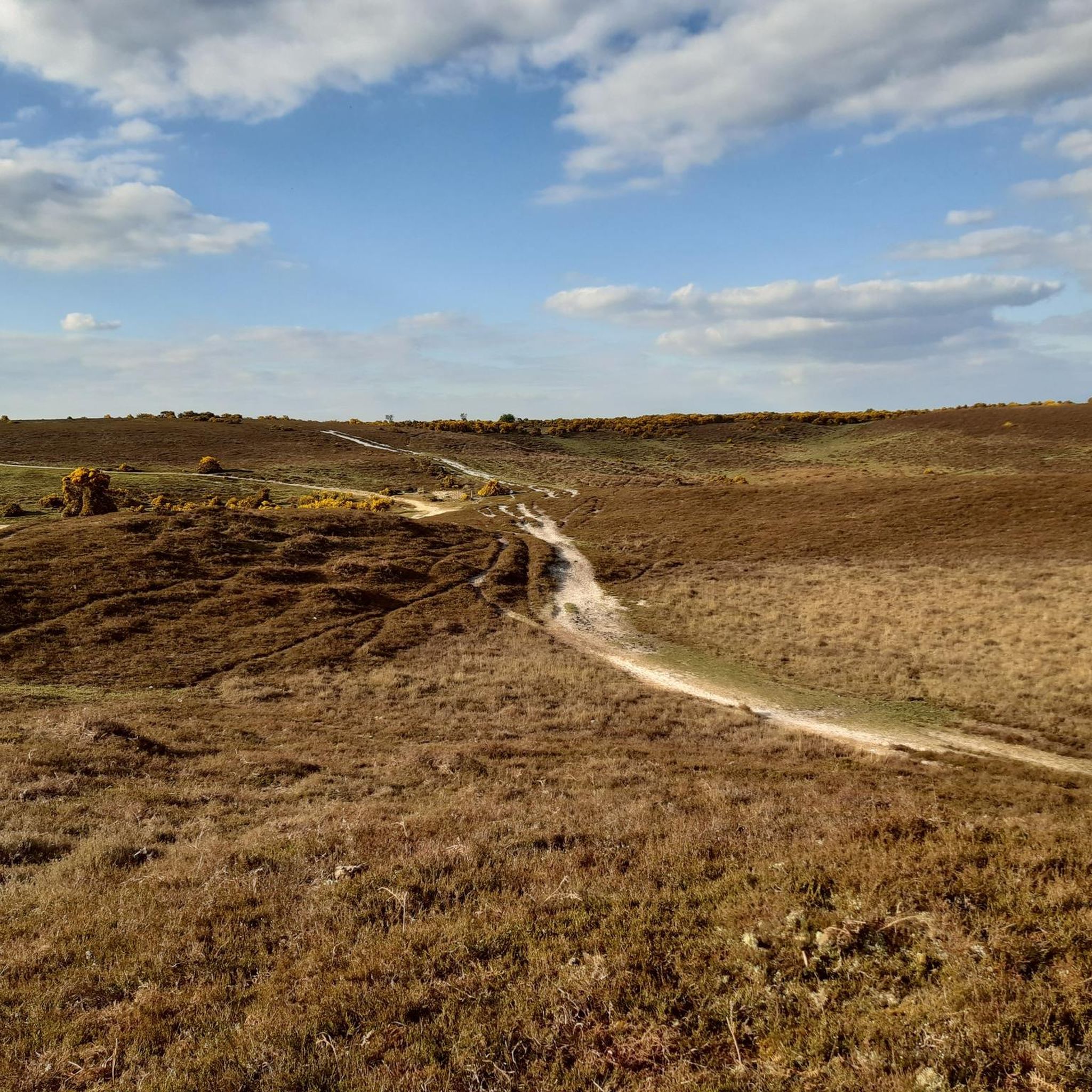
Bokerley Dyke is a substantial linear earthwork, approximately 5.75 kilometers (3.6 miles) long, located on Cranborne Chase. It runs along part of the border between Dorset and Hampshire, specifically between Woodyates and Martin. It is part of a larger Scheduled Monument that also includes Grim's Ditch and other earthworks. The dyke has a multi-period history. It is believed to have originated in the Bronze Age or Early Iron Age as an important political and cultural boundary. In the 1st century, it was cut through by a Roman road, Ackling Dyke, which ran between Old Sarum and Badbury Rings. In the 4th century, the dyke was remodeled and brought back into use. During this period, the Roman road was blocked. A coin of Valens found during excavations dates this activity to shortly after 364 AD, with some sources suggesting it was built between 367-368 AD. This remodeling may have been a defensive measure against attacks on Britain by Picts, Scots, and Saxons. The Roman road was eventually reopened, but the dyke may have continued to be used as a boundary after the Roman administration ended. Today, it still forms part of the border between the counties of Dorset and Hampshire.
0
0

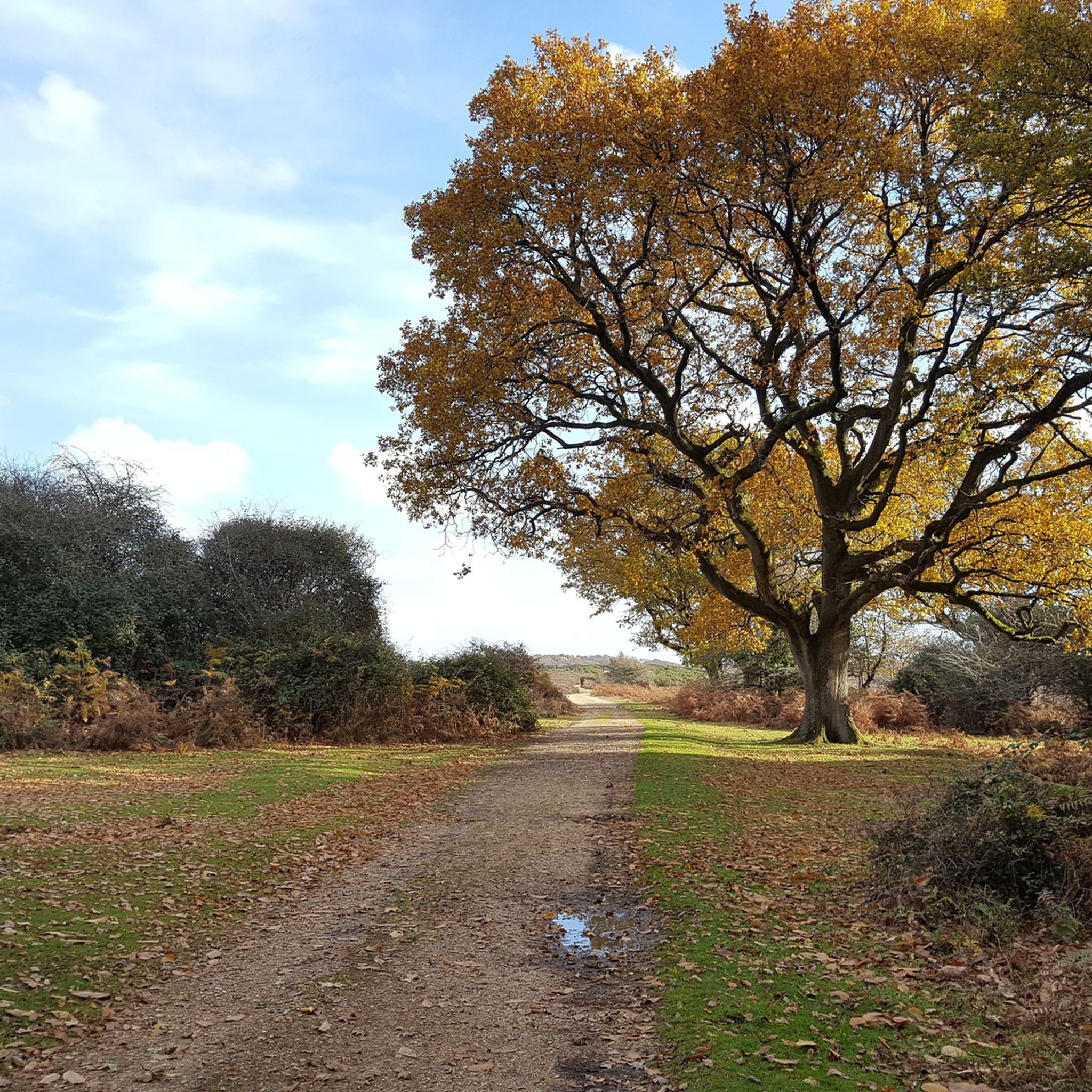
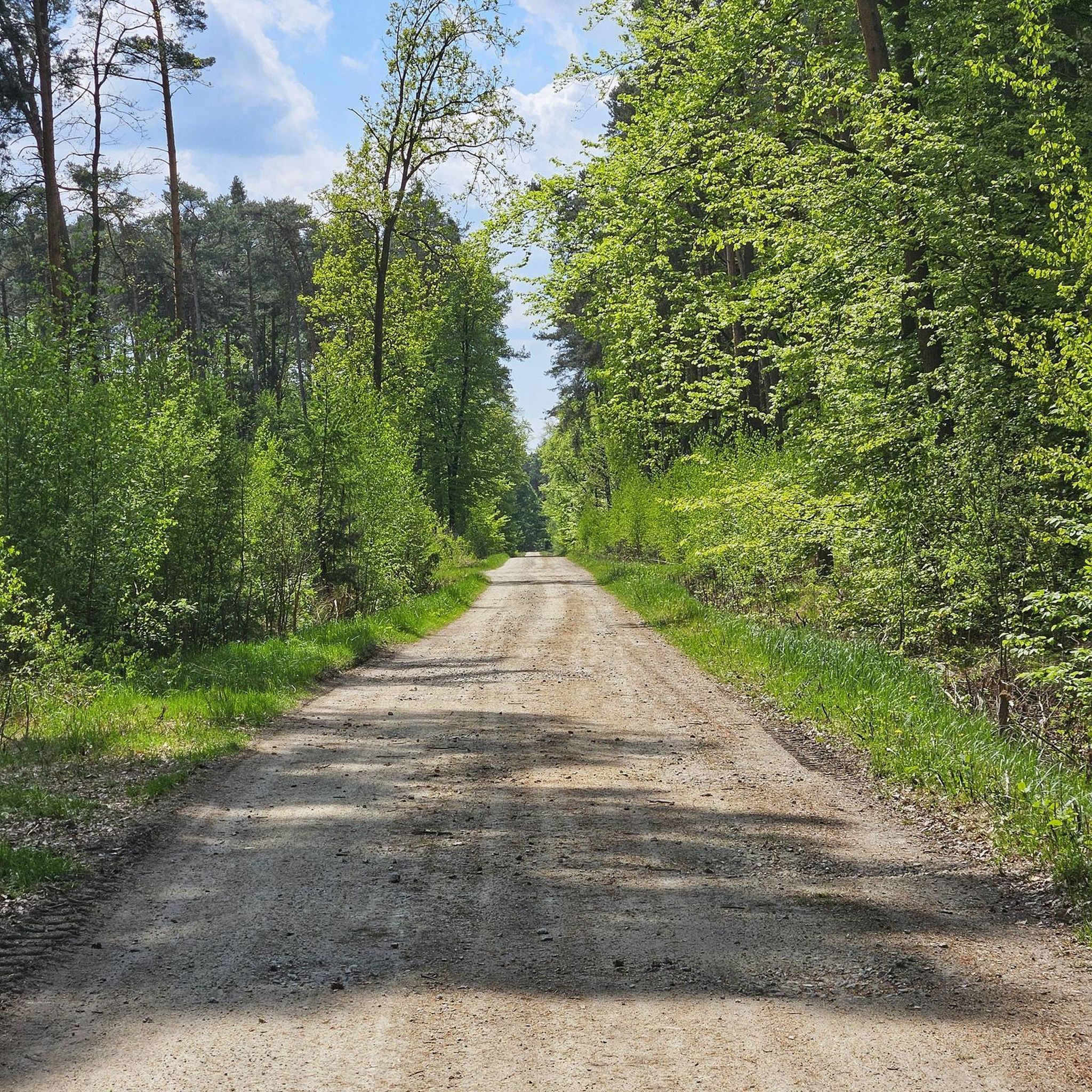
Bolderwood in the New Forest has seen the planting of new trees in recent years, after many were lost in storms in 1987 and 1991. More trees are planned to be planted in the future. Here are some of the trees to see at Bolderwood: Knightwood Oak The largest oak in the New Forest, this tree is thought to be over 500 years old and has a girth of 7.38 meters. It's a great place for a picnic and is an example of pollarding, an ancient technique for harvesting wood without killing the tree. Douglas fir trees Some of the oldest Douglas fir trees in the New Forest are located at Bolderwood, with some dating back to 1860. Sweet chestnut, oak, and beech trees These trees can be found on the Radnor Trail, which passes through them from the 1860s. Norway spruce trees These trees are located in a moist valley bottom and thrive in the area. some trees are dated when planted. 2016 Carya Ovata have been planted. Which are North American Shagbark Hickory
1
0
there is a purpose built platform which overlooks a large meadow. The platform is just a short walk from the car park. This is a great place if you're looking to get some great photo opportunities of the natural surroundings of the New Forest as well as the wildlife that surrounds the area. There is also information panels giving you more information about the deer found in the New Forest.
0
0

Sorry I really don't like the Rodger Penny Way, as a local I try not to ride it anymore.. I'd go through Woodgreen, Lover, Passed Hampworth Golf Course, No Mans Land... much quieter roads... On the way back most of my routes go into Ringwood... and through the forest from there (I live near Lyndhurst)
0
0

The name, Telegraph Hill, was given to this spot after it was used as a semaphore station from 1795. Before then, it was called Plowed Garlic Hill. No sign of either exist today, but it has a place in history as one of the semaphore station used to communicate the victory at Waterloo.
0
0
The Bolderwood Arboretum Ornamental Drive passes right passed a deer sanctuary which is also home to some ancient Douglas fir trees. If you have any spare time on your ride it is worth visiting the viewing platform to see the deer,
0
0
Frequently Asked Questions
What are the most popular natural monuments around Fordingbridge?
Visitors frequently enjoy the expansive New Forest, known for its ancient trees and free-roaming animals. Another favorite is Bolderwood Deer Sanctuary, where you can observe deer from a purpose-built viewing platform. The historical Bokerley Dyke, a significant linear earthwork with a multi-period history, is also highly rated.
Are there family-friendly natural monuments near Fordingbridge?
Yes, several natural monuments are ideal for families. Bolderwood Deer Sanctuary offers deer viewing and easy walking trails. The Jubilee Grove Den-Building Area within the New Forest National Park is perfect for children to explore and build. The New Forest itself, with its free-roaming ponies and diverse landscapes, provides ample opportunities for family outings.
What kind of wildlife can I expect to see in the natural monuments around Fordingbridge?
The New Forest National Park is famous for its free-roaming ponies, donkeys, and cattle. At Bolderwood Deer Sanctuary, you can observe herds of deer, especially during daily feeding from Easter to mid-September. Blashford Lakes Nature Reserve, a haven for wildlife, is excellent for spotting wildfowl and dragonflies, making it a great stop for birders.
What historical natural monuments can I visit near Fordingbridge?
The New Forest is a historical site, proclaimed a royal forest by William the Conqueror and featured in the Domesday Book. Bokerley Dyke is a substantial linear earthwork with a multi-period history, believed to have originated in the Bronze Age or Early Iron Age and later used as a defensive measure in the 4th century.
What are the best walking routes near Fordingbridge's natural monuments?
You can find numerous walking routes around Fordingbridge. The Avon Valley Path offers excellent countryside walks along the River Avon. Within the Bolderwood Deer Sanctuary, you can explore trails like the Jubilee Grove Trail and Deer Watch Trail. For more options, explore the hiking guide for Fordingbridge, which includes routes like the Avon Valley Path and Godshill Loop.
Are there cycling opportunities near the natural monuments?
Yes, the area offers great cycling. The Castleman Trailway is a relatively flat, 16.5-mile path suitable for cycling through the East Dorset countryside. The New Forest National Park also provides numerous cycling routes. For detailed cycling trails, refer to the cycling guide for Fordingbridge, which features routes like the Frogham & Fritham loop.
What is the best time to visit the natural monuments around Fordingbridge?
The New Forest and surrounding natural monuments are beautiful year-round. For observing deer at Bolderwood Deer Sanctuary, daily feeding occurs from Easter to mid-September. Spring and summer offer lush landscapes and active wildlife, while autumn brings vibrant foliage. Winter provides a tranquil experience, though some facilities might have reduced hours.
Are there any unique tree species or arboretums to visit?
Yes, the Blackwater Arboretum within the New Forest boasts a nationally important collection of trees, including majestic conifers planted in the 1850s and some of Britain's oldest Douglas fir trees, alongside enormous redwoods. At the Shagbark Hickory (Carya Ovata) Planting Site in Bolderwood, you can see newly planted trees and ancient ones like the Knightwood Oak, thought to be over 500 years old.
What are some lesser-known natural gems near Fordingbridge?
While not as widely known as the main attractions, Blashford Lakes Nature Reserve, located south of Fordingbridge, is a tranquil haven for wildlife and an excellent spot for birdwatching. The scenic River Avon, flowing through Fordingbridge, offers peaceful views and opportunities for kayaking, with its wildlife-rich water meadows.
Can I find mountain biking trails near these natural monuments?
Yes, there are mountain biking opportunities in the vicinity. The New Forest National Park offers various trails suitable for mountain biking. For specific routes and difficulty levels, consult the MTB Trails around Fordingbridge guide, which includes routes like the Boulsbury Wood & Martin Down loop.
What do visitors enjoy most about the natural monuments around Fordingbridge?
Visitors particularly appreciate the opportunity to observe wildlife, especially the deer at Bolderwood Deer Sanctuary and the free-roaming ponies in the New Forest. The tranquil scenery, ancient trees, and diverse walking and cycling trails also receive high praise, offering a sense of escape and natural beauty.
Are there natural monuments suitable for visitors seeking easy access or less strenuous activities?
Yes, many areas within the New Forest National Park offer relatively flat and accessible paths, such as those found around Bolderwood Deer Sanctuary. The Castleman Trailway is also a flat, sheltered route, ideal for easy walks or cycles. These locations provide a gentle way to experience the natural beauty of the region.
Most popular routes around Fordingbridge
Most popular attractions around Fordingbridge

Get inspired with the komoot mobile app


Explore more
Extend your search for the best caves by checking out these guides of the top ones around Fordingbridge:
