Top 12 Natural Monuments around Twyford
Natural monuments around Twyford offer diverse landscapes for exploration, ranging from historic chalk downland to tranquil river valleys and former industrial sites transformed into nature reserves. The area features a mix of natural beauty and historical significance, providing varied outdoor experiences. Visitors can discover unique geological formations, rich biodiversity, and preserved natural habitats. These sites present opportunities for walking and observing local flora and fauna.
Best natural monuments around Twyford
- The most popular natural monuments is Lambridge Wood, a…
Last updated: August 23, 2026
The Brick and Tile Works
Highlight • Historical Site
Tip by

Robin Hood's Arbour
Highlight • Historical Site
There are no known connections linking the legend of the outlaw, Robin Hood with Robin Hood’s Arbour. Indeed Robin Hood’s Arbour dates from much earlier times. The …
Tip by

Sign up now to discover places like this
Get recommendations on the best single tracks, peaks, & plenty of other exciting outdoor places.
Sign up for free
Wildflower Meadows of Pinkneys Green
Highlight • Natural
Tip by
Hurley Chalk Pit Nature Reserve
Highlight • Forest
The reserve is made up of stunning beech woodland and chalk grasslands that provide …
Tip by
Lambridge Wood
Highlight • Natural Monument
Tip by
Sign up for free to discover even more natural monuments around Twyford.
Sign up for free
Already have an account?
Start today with a free account
Your next adventure awaits.
Login or Signup
Tips from the Community

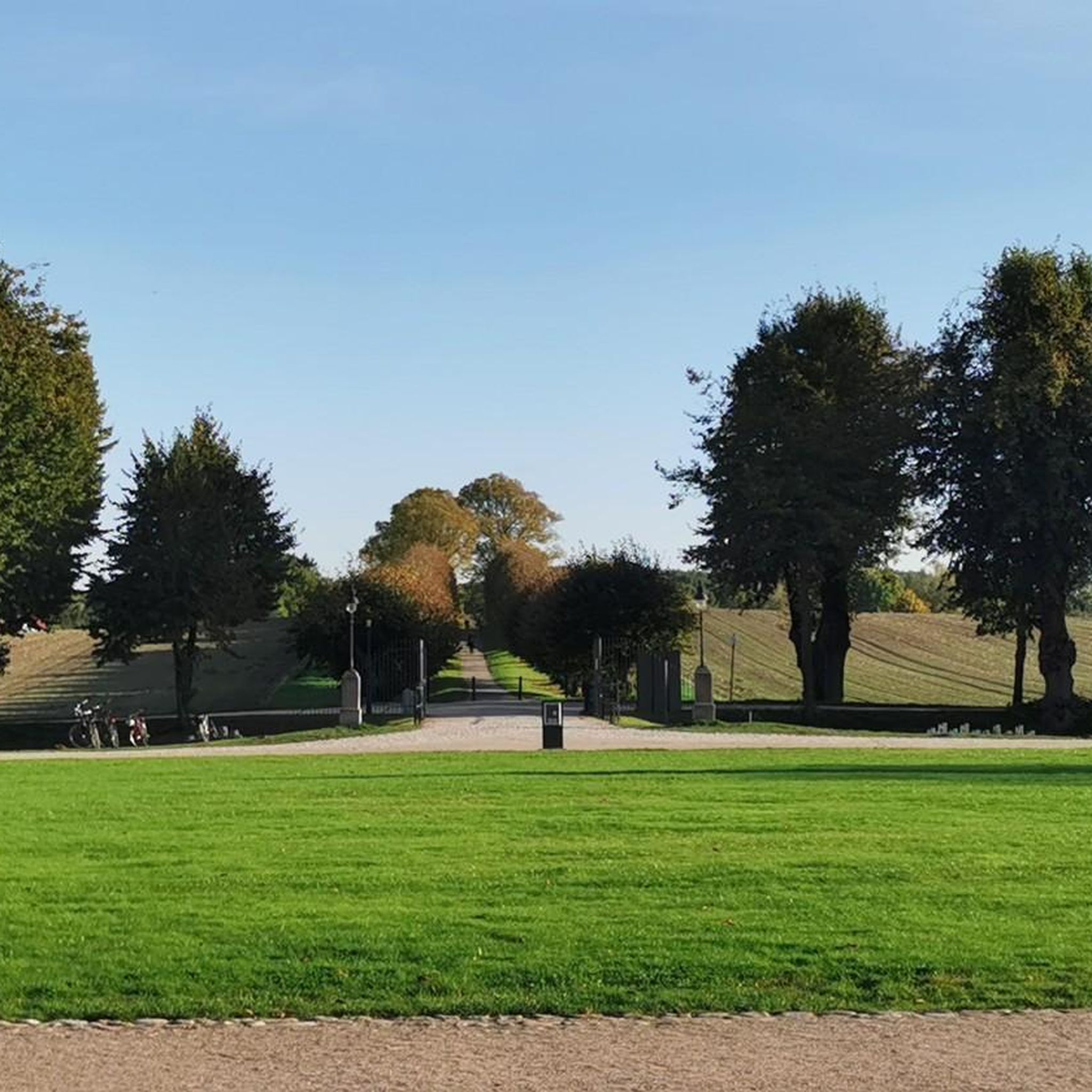
Hurley Chalk Pit is a beautiful nature reserve located not too far from Maidenhead in Berkshire. The reserve is made up of stunning beech woodland and chalk grasslands that provide habitat to a wide diversity of wildlife, including 15 species of butterflies.
1
0
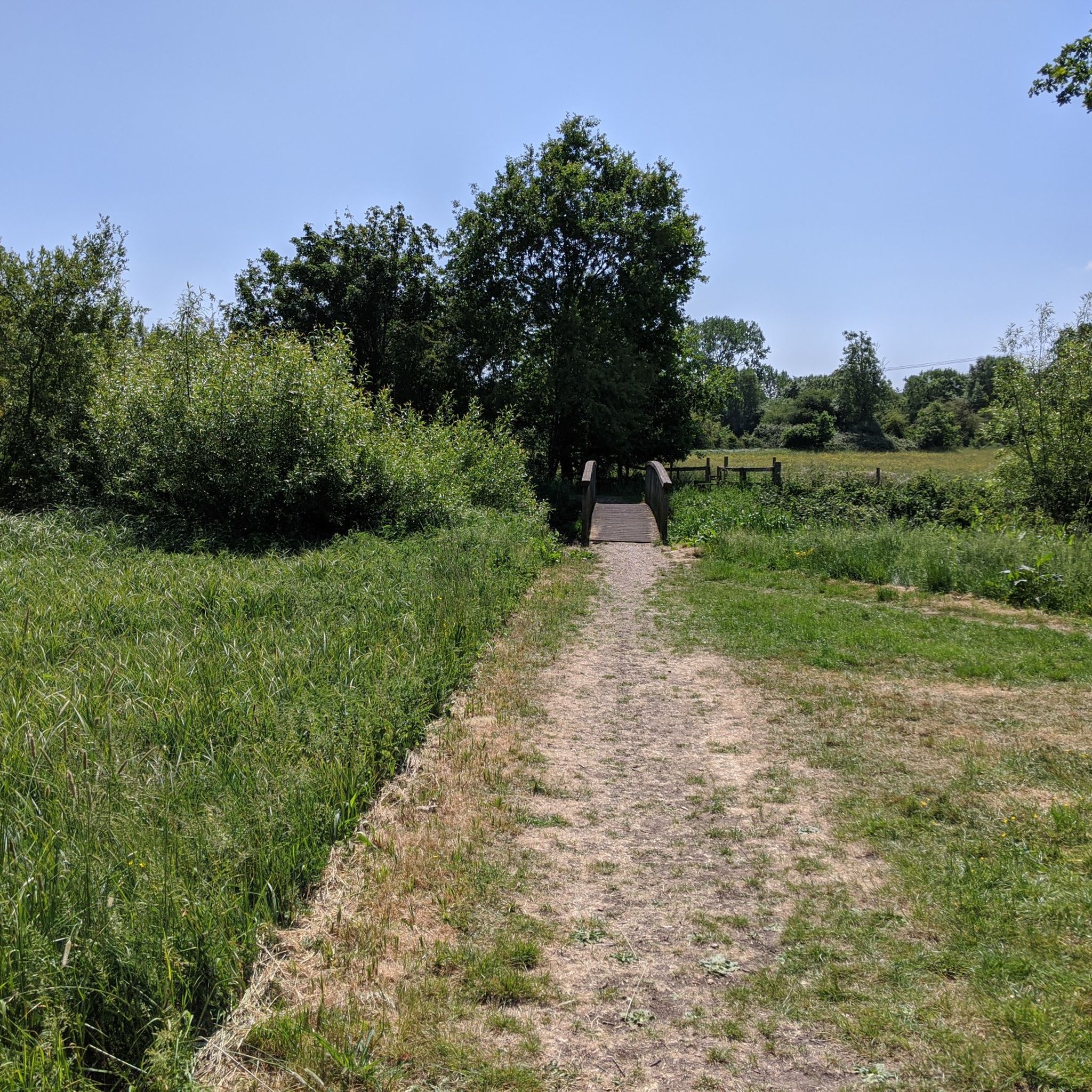
The Brick and Tile Works, established by Charles Cooper in the early 1800s, employed about 150 people and produced bricks, tiles, gargoyles, and pinnacles. The site, which closed in 1967, is now owned by the National Trust and features lowland ponds with diverse aquatic life and a variety of woodland birds and plants.
1
0
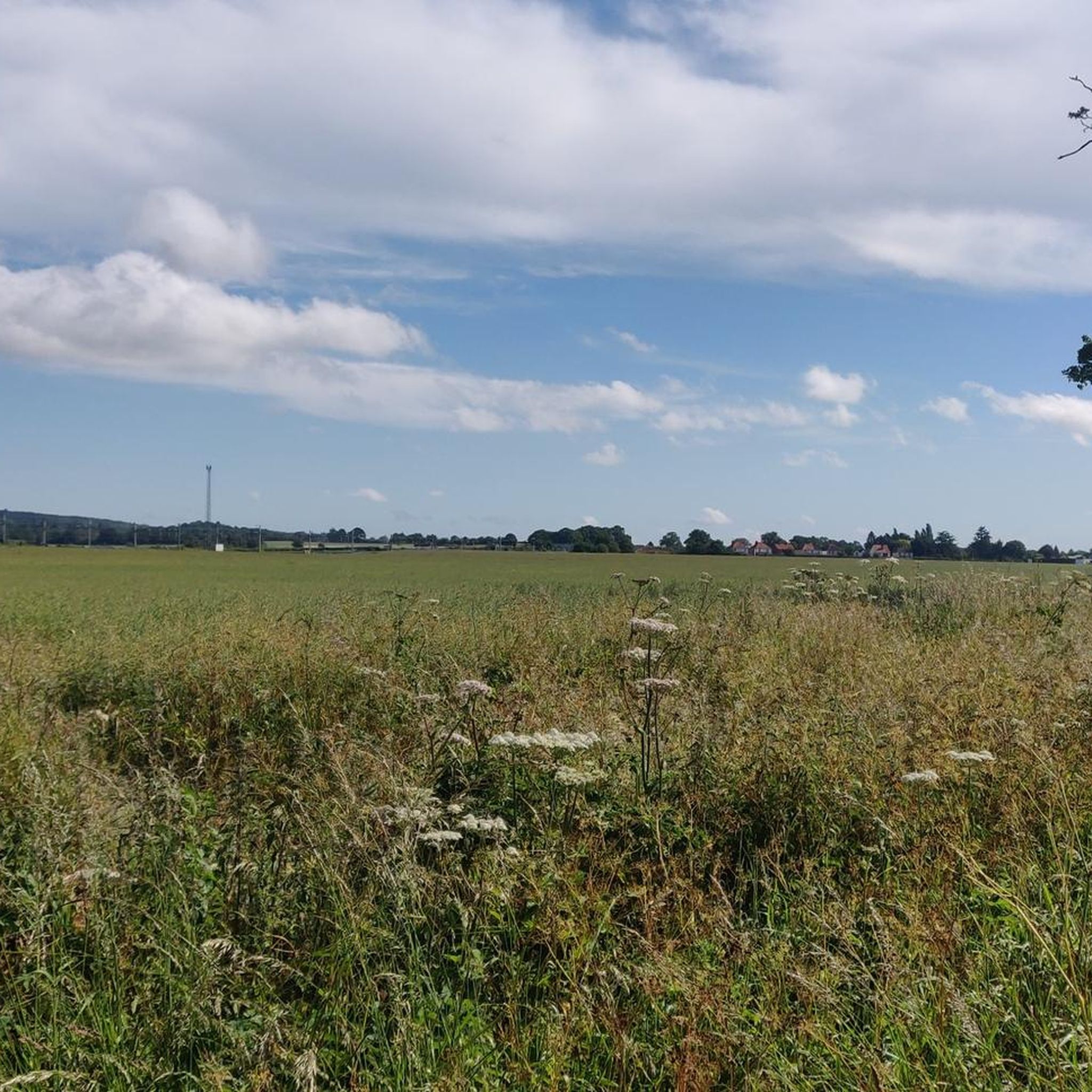
Pinkneys Green, originally part of the Royal Manor of Cookham, was sold off in 1818. In the 1920s, the Maidenhead and Cookham Commons Conservation Committee protected the land, which was later donated to the National Trust. Today, Pinkneys Green is mostly grassland managed by local farmers with areas of trees and thicket for wildlife, and its open meadows are filled with wildflowers during the summer.
1
0
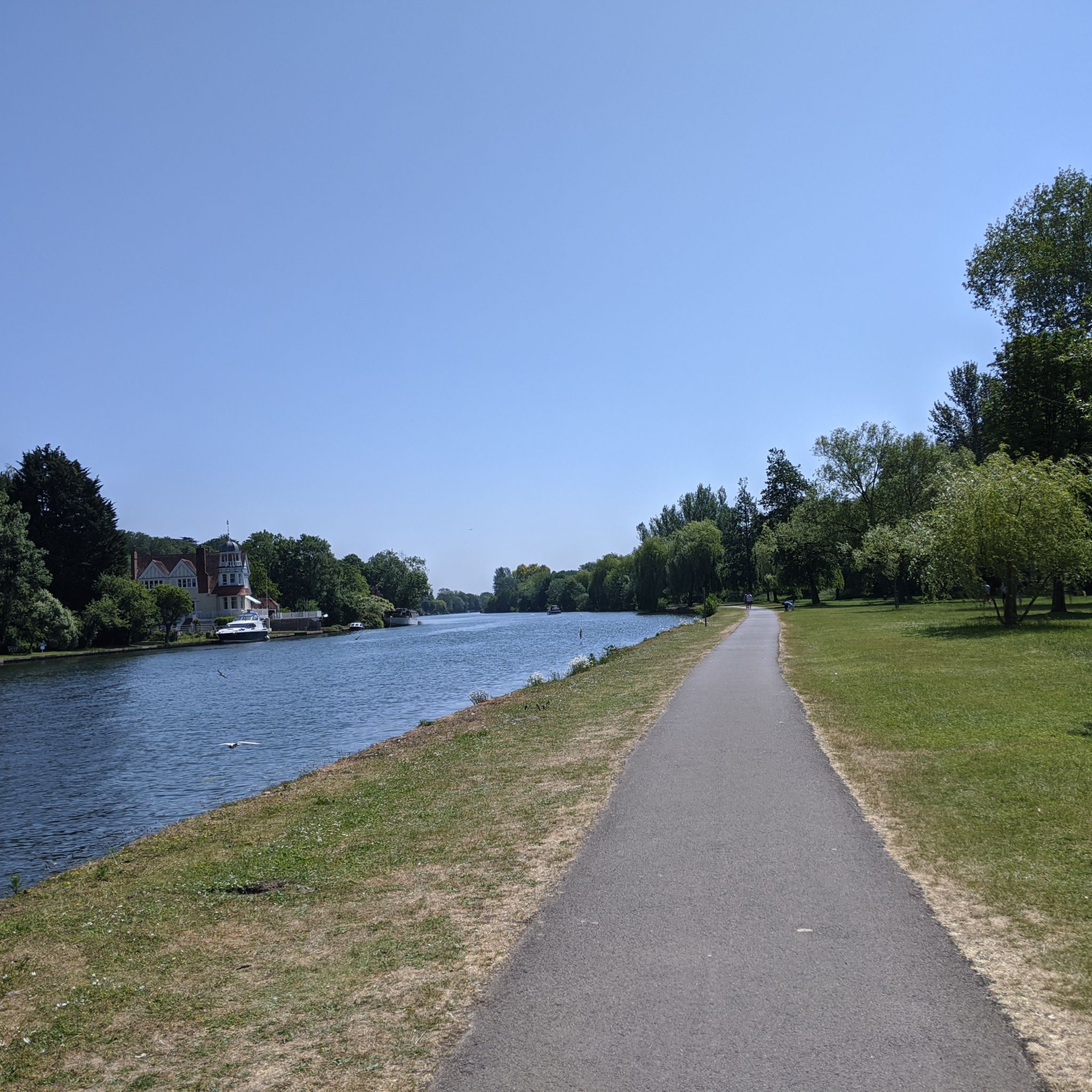
Meander through beech, oak, and ash trees on this beautiful section of walking through Lambridge Wood. The area has been declared a biological Site of Special Scientific Interest.
1
0

Robin Hood's Arbour There are no known connections linking the legend of the outlaw, Robin Hood with Robin Hood’s Arbour. Indeed Robin Hood’s Arbour dates from much earlier times. The feature is an Iron Age rectilinear enclosure which is thought to have been a farmstead. An archaeological excavation in 1890 revealed ‘samian ware’, a type of Roman pottery produced mainly in Gaul. Further excavations in 1960 recovered some Iron Age pottery and some wattle marked daub. Other finds comprised flint implements including a Palaeolithic hand axe. These finds can be seen in the Reading Museum.
2
0
The Brick & Tile Works The Brick and Tile Works was established by Charles Cooper in the early 1800s, exploiting a local deposit of Reading Clay. At its peak, the Works employed about 150 people, and cottages were built in Golden Ball Lane for the skilled craftsmen. In 1950, the Cooper family sold the Works to the Maidenhead Brick and Tile Company, and the site eventually closed in 1967. In addition to bricks and tiles, the works produced gargoyles and pinnacles, many of which can be seen in the locality today. The National Trust acquired the site in 1989. The industrial activity left a legacy of lowland ponds, inhabited by an impressive range of aquatic invertebrate fauna, including several species of dragonfly. There are also three species of newt and a wide range of woodland birds and other aquatic or semi-aquatic plants and animals.
1
0
Pinkneys Green derives its name from the Norman Knight, Ghilo de Pinkney, who was granted lands in the Maidenhead area as a reward for supporting William the Conqueror. Along with other areas of common land in the Cookham and Maidenhead area, Pinkneys Green was originally part of the Royal Manor of Cookham, but they were sold off by the Crown in 1818 and passed into private ownership. In the 1920s, for fear that the common land would be enclosed or developed, the Maidenhead and Cookham Commons Conservation Committee was established, which raised £2800 to buy the land, which was donated to the National Trust in 1934. Today, Pinkneys Green consists largely of grassland, which is managed by local ‘commoner’ farmers as a hay crop for livestock; although some mature trees and areas of thicket provide valuable refuges for wildlife. The grasses in these open, unfenced meadows are left to grow tall all summer long so you’ll find a wealth of wildflowers
1
1
Frequently Asked Questions
What are some unique natural features to explore around Twyford?
The Twyford area offers diverse natural features. You can explore the ancient woodlands of Lambridge Wood, a biological Site of Special Scientific Interest, or discover the lowland ponds and diverse aquatic life at The Brick and Tile Works, a former industrial site now managed by the National Trust. Additionally, Hurley Chalk Pit Nature Reserve features stunning beech woodland and chalk grasslands.
Are there any natural monuments with historical significance near Twyford?
Yes, several natural monuments in the area are rich in history. Robin Hood's Arbour is an Iron Age rectilinear enclosure, believed to have been a farmstead, where archaeological finds like Roman pottery and a Palaeolithic hand axe have been discovered. The Brick and Tile Works, while now a nature reserve, was a significant industrial site in the 1800s, producing bricks and tiles.
Which natural monuments are suitable for families around Twyford?
For family-friendly outings, consider The Brick and Tile Works, which offers easy access to lowland ponds and woodland birds. Wildflower Meadows of Pinkneys Green provides open spaces for children to enjoy, especially during summer when wildflowers are in bloom. Hurley Chalk Pit Nature Reserve is also a great option with its accessible paths through beech woodland and chalk grasslands.
Where can I go for wildlife spotting near Twyford's natural monuments?
Excellent spots for wildlife spotting include The Brick and Tile Works, known for its diverse aquatic invertebrate fauna, including several dragonfly species, newts, and woodland birds. Hurley Chalk Pit Nature Reserve is home to 15 species of butterflies. Additionally, Loddon Nature Reserve (Twyford Gravel Pits) is a haven for wintering birds like gadwall and smew, and Charvil Country Park boasts rare plants and diverse wintering wildfowl.
Are there good walking or hiking trails near these natural monuments?
Yes, the area around Twyford offers various walking and hiking opportunities. You can find easy hikes, such as the 'Velolife Café – Woodland Path loop from Twyford' (3.5 km), or explore more moderate routes. For a comprehensive list of trails, refer to the Easy hikes around Twyford guide.
What other outdoor activities can I do near Twyford's natural monuments?
Beyond hiking, you can enjoy running and mountain biking. There are several running trails, including the 'Waggon & Horses loop from Loddon Nature Reserve' (5.7 km). For mountain biking, explore routes like the 'Waltham St Lawrence Bridleway – Knowl Hill Bridleway Circuit loop from Twyford' (31.3 km). You can find more details in the Running Trails around Twyford and MTB Trails around Twyford guides.
When is the best time to visit the natural monuments around Twyford?
The best time to visit depends on your interests. Spring and summer are ideal for seeing wildflowers at Wildflower Meadows of Pinkneys Green and observing butterflies at Hurley Chalk Pit Nature Reserve. Autumn offers beautiful foliage in woodlands like Lambridge Wood. Winter is excellent for birdwatching at wetland areas like Loddon Nature Reserve and Charvil Country Park.
Are there any viewpoints offering scenic views of the Twyford area?
While the guide highlights focus on specific natural features, Wildflower Meadows of Pinkneys Green offers open vistas across grassland. For broader scenic views in the wider region, St Catherine's Hill in Hampshire, though not directly in Twyford, provides exceptional views of Winchester and the Itchen Valley from its summit.
What kind of natural habitats can I expect to see?
The natural monuments around Twyford showcase a variety of habitats. You'll find ancient beech, oak, and ash woodlands at Lambridge Wood and Hurley Chalk Pit Nature Reserve. Chalk grasslands are also prominent at Hurley Chalk Pit. The Brick and Tile Works features lowland ponds, while Wildflower Meadows of Pinkneys Green consists of species-rich grasslands.
What do visitors particularly enjoy about the natural monuments around Twyford?
Visitors appreciate the diverse landscapes, from historic chalk downland to tranquil river valleys and nature reserves. The blend of natural beauty and historical significance offers varied outdoor experiences. The komoot community has shared more than 13 photos and given over 9 upvotes, highlighting the appeal of these sites for walking and observing local flora and fauna.
Are there any natural monuments that are particularly good for birdwatching?
Yes, the area is excellent for birdwatching. Loddon Nature Reserve (Twyford Gravel Pits) is known for wintering birds such as gadwall, smew, tufted duck, and cormorant, with islands providing breeding grounds for common terns and oystercatchers. Charvil Country Park also hosts diverse wintering wildfowl and an active heronry. The Brick and Tile Works also supports a variety of woodland birds.
Most popular attractions around Twyford

Get inspired with the komoot mobile app


Explore more
Extend your search for the best caves by checking out these guides of the top ones around Twyford:
