Top 5 Natural Monuments around Steventon
Natural monuments around Steventon are found within the Hampshire countryside, offering diverse natural features and scenic landscapes. The area is characterized by rolling hills, chalk downland, and ancient woodlands. These natural settings provide opportunities for exploring historical sites and expansive viewpoints. The region's natural appeal is intertwined with its tranquil environment.
Best natural monuments around Steventon
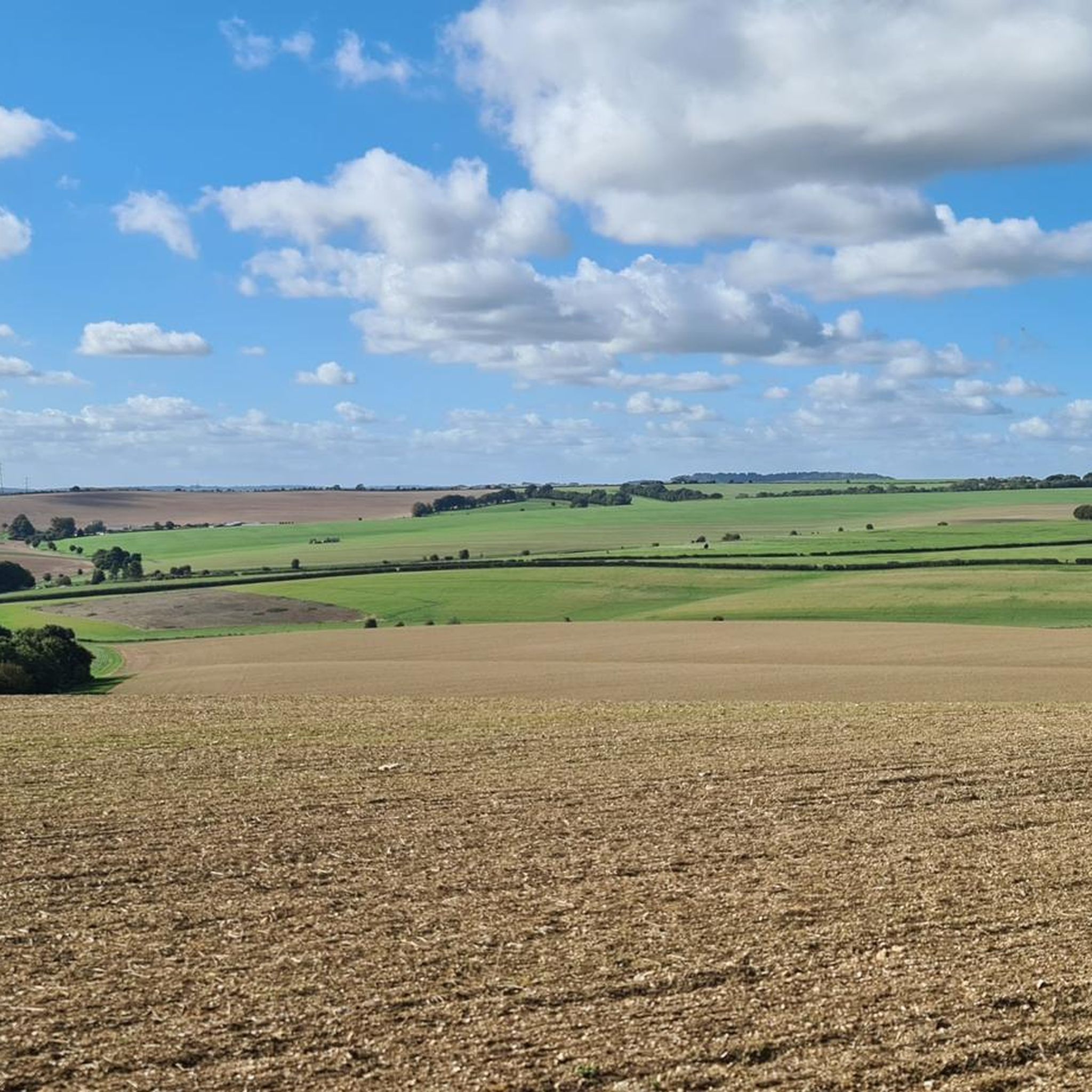
- The most popular natural monuments is View from Plantation Hill, a viewpoint that offers expansive views over the rolling Hampshire countryside. From this…
Last updated: October 16, 2026
Ladle Hill Iron Age Hillfort
Highlight • Historical Site
Tip by

Ladle Hill
Highlight (Segment) • Viewpoint
Tip by

Sign up now to discover places like this
Get recommendations on the best single tracks, peaks, & plenty of other exciting outdoor places.
Abbotstone Iron Age Fort and Nature Reserve
Highlight • Viewpoint
You will …
Tip by

View from Plantation Hill
Highlight • Viewpoint
Tip by
View from White Hill
Highlight • Viewpoint
Tip by

Sign up for free to discover even more natural monuments around Steventon.
Already have an account?
Start today with a free account
Your next adventure awaits.
Tips from the Community

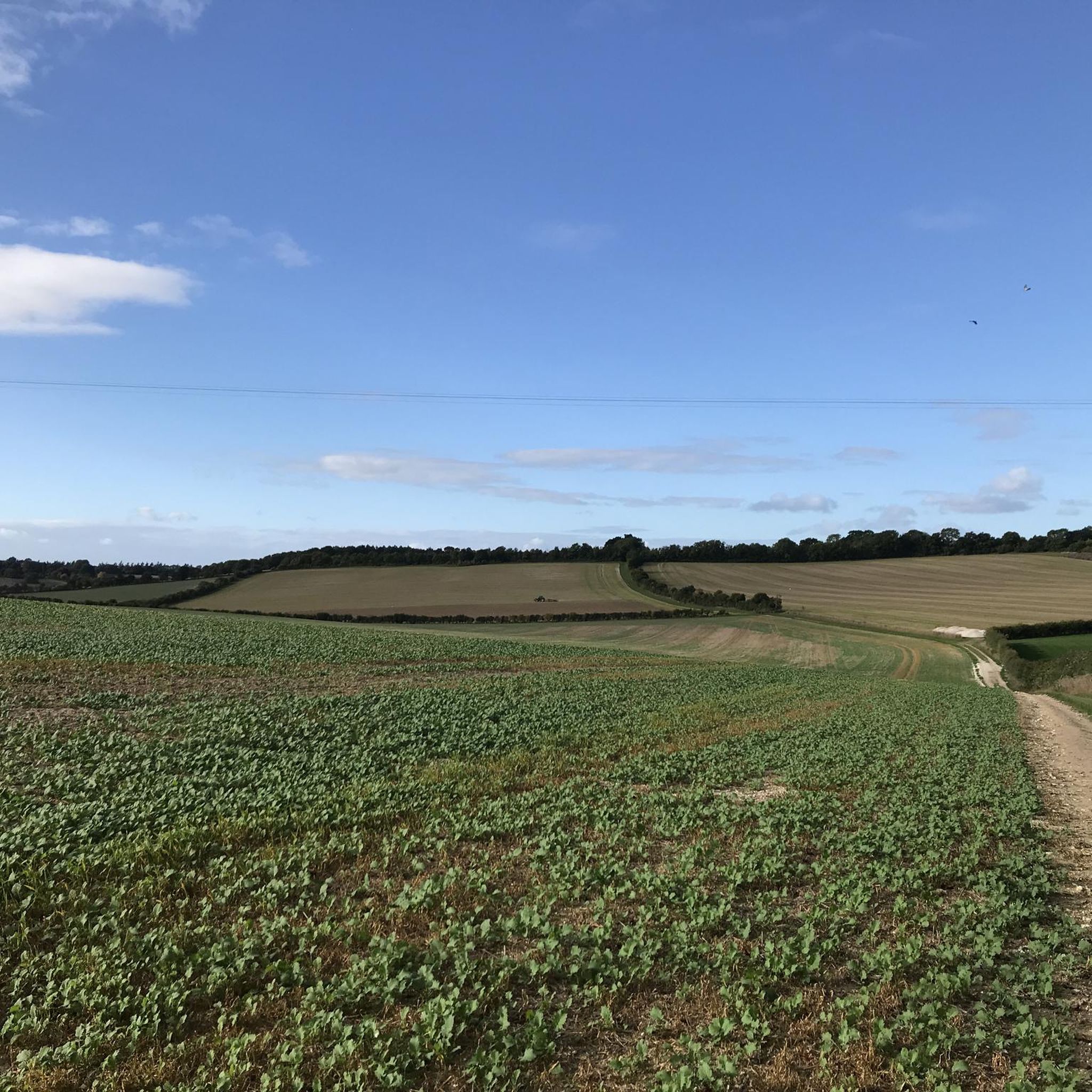
Think of Ladle Hill as the Iron Age’s greatest "Incomplete Project." Sitting right next to Watership Down, this hillfort is basically a 2,500-year-old construction site frozen in time. The ancient builders started digging their massive defensive ditches but just… stopped. Because it was never finished, you can clearly see the original "chalk heaps" and work pits, making it an archaeologist’s dream and a hiker's playground. It’s way quieter than its famous neighbors, offering 360-degree views and zero crowds. Perfect for a breezy picnic where you can contemplate why the Celts walked off the job!
0
0
The hillfort on the top of the hill has never been excavated, but the land and ditch are sharply defined and well preserved. This Iron Age fort is roughly rectangular and enclosed seven acres within an embankment and ditch. There are two probable entrances to the east and west. The work seems to have been undertaken by several different labour forces, each working on a section of the defences, but for some reason the task was abandoned and the fort left unfinished. Great to walk along the unfinished ramparts, it's windy and flipping huge!!!
0
0


This is a wonderful spot with a lovely display of seasonal wildflowers that bloom within the spring and summer months.
1
0

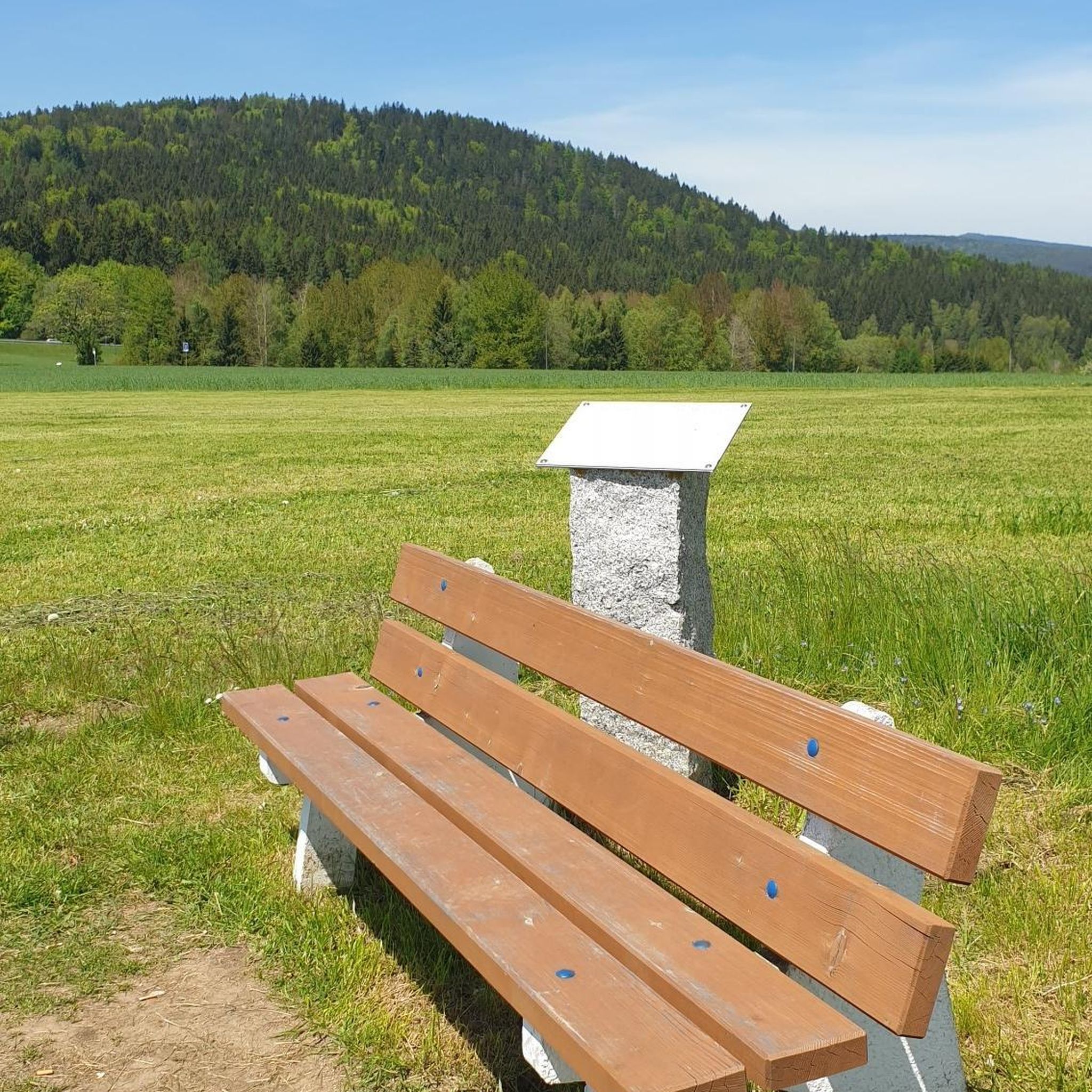
White Hill offers a beautiful view of Cannon Heath Down, the Gallops and The Warren. This is a great place to spot birds, including linnets, yellowhammers, skylarks, buzzards and kestrels.
0
0

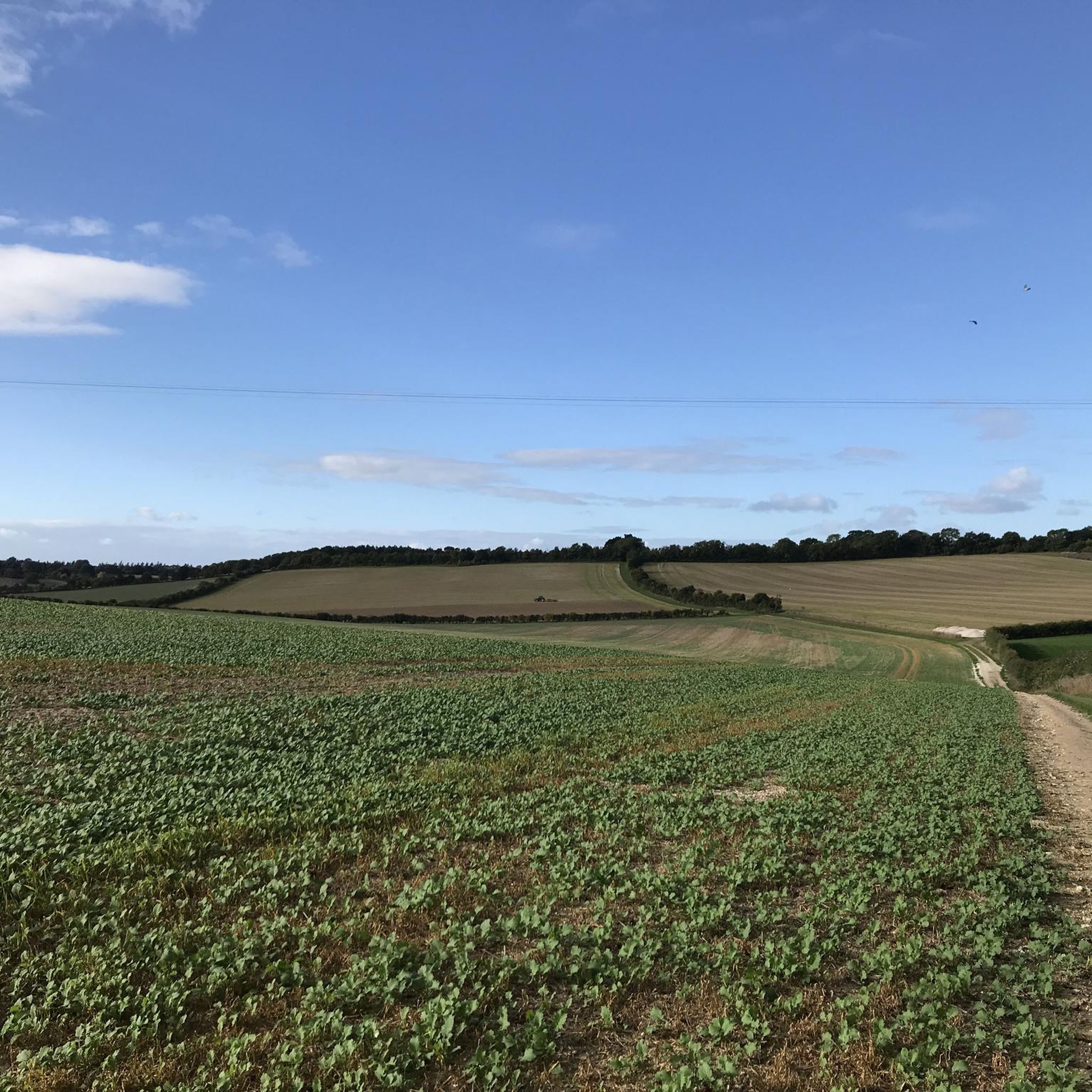
An example of a late bronze age to early iron age univallate hill fort. Some of the ramparts and ditches have been infilled but what remains is clear. You will have to ride up or push up a section of off road trail to view this properly.
1
0


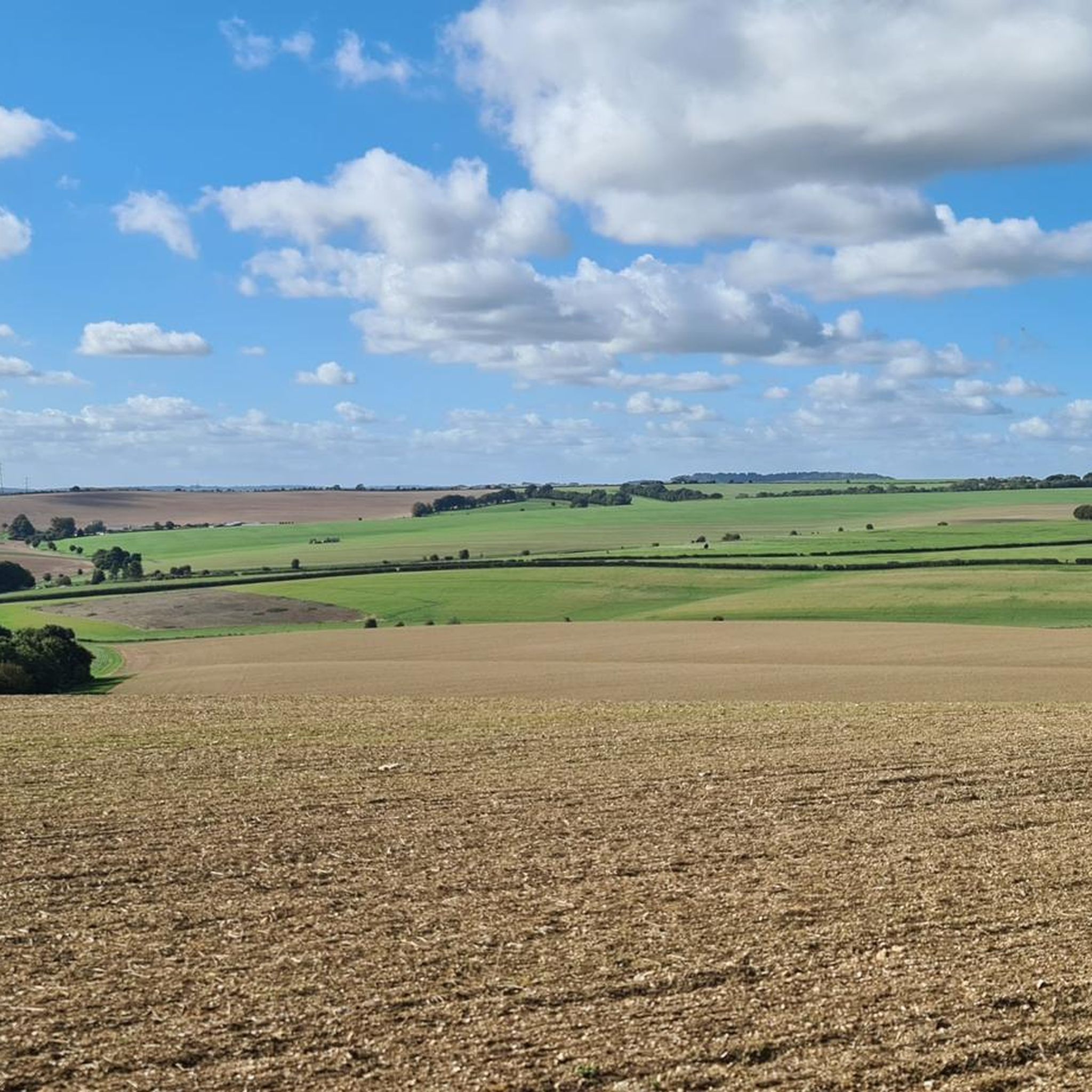
From this spot, you get a wonderful view over the rolling Hampshire countryside. A short distance to the west, you find Cottington Hill and Bowry Walls hill fort.
1
0
Frequently Asked Questions
What unique natural features can I explore around Steventon?
Beyond the prominent viewpoints, Steventon is nestled in the Hampshire countryside, offering diverse natural features. You can explore the source of the River Test, a renowned chalk stream known for its unique biodiversity. The area also features rolling hills, ancient woodlands like Quintan's Plantation, and calcareous grassland chalk downland habitats, such as those found at Ladle Hill Iron Age Hillfort.
Are there historical natural monuments to visit near Steventon?
Yes, the area is rich in historical natural monuments. Ladle Hill Iron Age Hillfort is a significant site, being a biological Site of Special Scientific Interest with an unexcavated Iron Age hill fort. Another example is Abbotstone Iron Age Fort and Nature Reserve, which showcases well-preserved ramparts and ditches from the late Bronze Age to early Iron Age. Additionally, the ancient yew tree at St. Nicholas Church offers a living link to Jane Austen's time.
What kind of views can I expect from the natural monuments around Steventon?
The natural monuments around Steventon are well-known for their expansive views over the Hampshire countryside. From View from Plantation Hill, you can see Cottington Hill and Bowry Walls hill fort. View from White Hill offers vistas of Cannon Heath Down, the Gallops, and The Warren. Further north, White Hill View, North Wessex Downs provides panoramic views stretching into Oxfordshire.
Are there family-friendly natural monuments or walks in the Steventon area?
Many of the natural monuments and surrounding countryside walks are suitable for families. For instance, View from White Hill is categorized as family-friendly and offers great opportunities for bird spotting. The general Hampshire countryside trails provide varied landscapes for leisurely strolls, allowing families to enjoy nature and observe local wildlife.
What outdoor activities can I do near the natural monuments in Steventon?
The area around Steventon's natural monuments is ideal for various outdoor activities. You can find numerous routes for hiking, running, and cycling. For example, there are moderate hiking trails like 'The Emporium Café – River Test in Overton loop from Steventon' and 'All Saints Church, Deane – The Palm Brasserie loop from Steventon'. Cyclists can enjoy routes such as 'River Test in Overton – View of the Countryside Fields loop from Oakley'. You can find more details on these activities in the Hiking around Steventon, Running Trails around Steventon, and Cycling around Steventon guides.
Can I spot wildlife at the natural monuments around Steventon?
Yes, the natural monuments and surrounding areas are excellent for wildlife spotting. The River Test, a Site of Special Scientific Interest, is home to wetland birds like kingfishers, grey wagtails, and little grebes, as well as rare Barbastelle bats. At View from White Hill, you might spot linnets, yellowhammers, skylarks, buzzards, and kestrels. The woodlands and meadows also host deer and foxes.
What is the best time of year to visit Steventon's natural monuments?
The Hampshire countryside around Steventon offers beauty throughout the year. Spring and summer are particularly vibrant, with wildflowers blooming in areas like Ladle Hill Iron Age Hillfort. These seasons are ideal for walking and enjoying the lush greenery. Autumn brings beautiful foliage, while winter offers crisp views, though some trails might be muddy. The serene environment is generally accessible year-round for peaceful walks and nature observation.
What is the terrain like for walks around Steventon's natural monuments?
The terrain around Steventon's natural monuments is varied. You'll encounter rolling hills, open meadows, and woodlands. Many of the highlights, such as Ladle Hill Iron Age Hillfort, are located on chalk downland, which can involve moderate climbs. Trails often include sections of grass, dirt paths, and sometimes paved roads, offering a mix of surfaces suitable for different fitness levels.
Are there any easy walks to natural monuments for beginners or those seeking a relaxed experience?
While many trails involve some elevation, there are options for easier walks. The general countryside trails offer varied routes, and you can choose shorter, flatter sections through meadows or parklands. The area around the River Test, for instance, provides tranquil and relatively flat paths for a relaxed experience. Always check route details for specific difficulty ratings.
Where can I park when visiting natural monuments in Steventon?
Specific parking information for each natural monument can vary. Generally, for countryside walks and viewpoints, visitors often find parking in nearby villages or designated lay-bys. For highlights like Ladle Hill Iron Age Hillfort or View from White Hill, there are often small car parks or roadside parking areas accessible. It's advisable to check local signage upon arrival.
Are the natural monuments around Steventon accessible for wheelchairs?
While the Hampshire countryside offers many beautiful spots, the terrain around some natural monuments, particularly those on hills or with unpaved paths like Ladle Hill Iron Age Hillfort, may not be fully wheelchair accessible. However, some sections of village paths or designated park areas might offer smoother surfaces. It is recommended to research specific routes or contact local visitor centers for detailed accessibility information.
What do visitors enjoy most about the natural monuments in Steventon?
Visitors frequently appreciate the stunning, expansive views over the rolling Hampshire countryside, as highlighted by spots like View from Plantation Hill. The historical significance of sites like Ladle Hill Iron Age Hillfort, combined with their natural beauty and seasonal wildflowers, is also a major draw. Many also enjoy the peaceful retreat offered by the tranquil settings and the opportunity for wildlife observation.
Most popular attractions around Steventon

Get inspired with the komoot mobile app


Explore more
Extend your search for the best caves by checking out these guides of the top ones around Steventon:
