Top 20 Natural Monuments around Pitstone
Best natural monuments around Pitstone include a variety of natural features in and around this Buckinghamshire village, nestled at the foot of the Chiltern Hills. The area offers ecological richness, historical insights, and scenic beauty. Visitors can explore diverse landscapes, from chalk grasslands to prominent summits, providing opportunities for outdoor activities and nature observation.
Best natural monuments around Pitstone
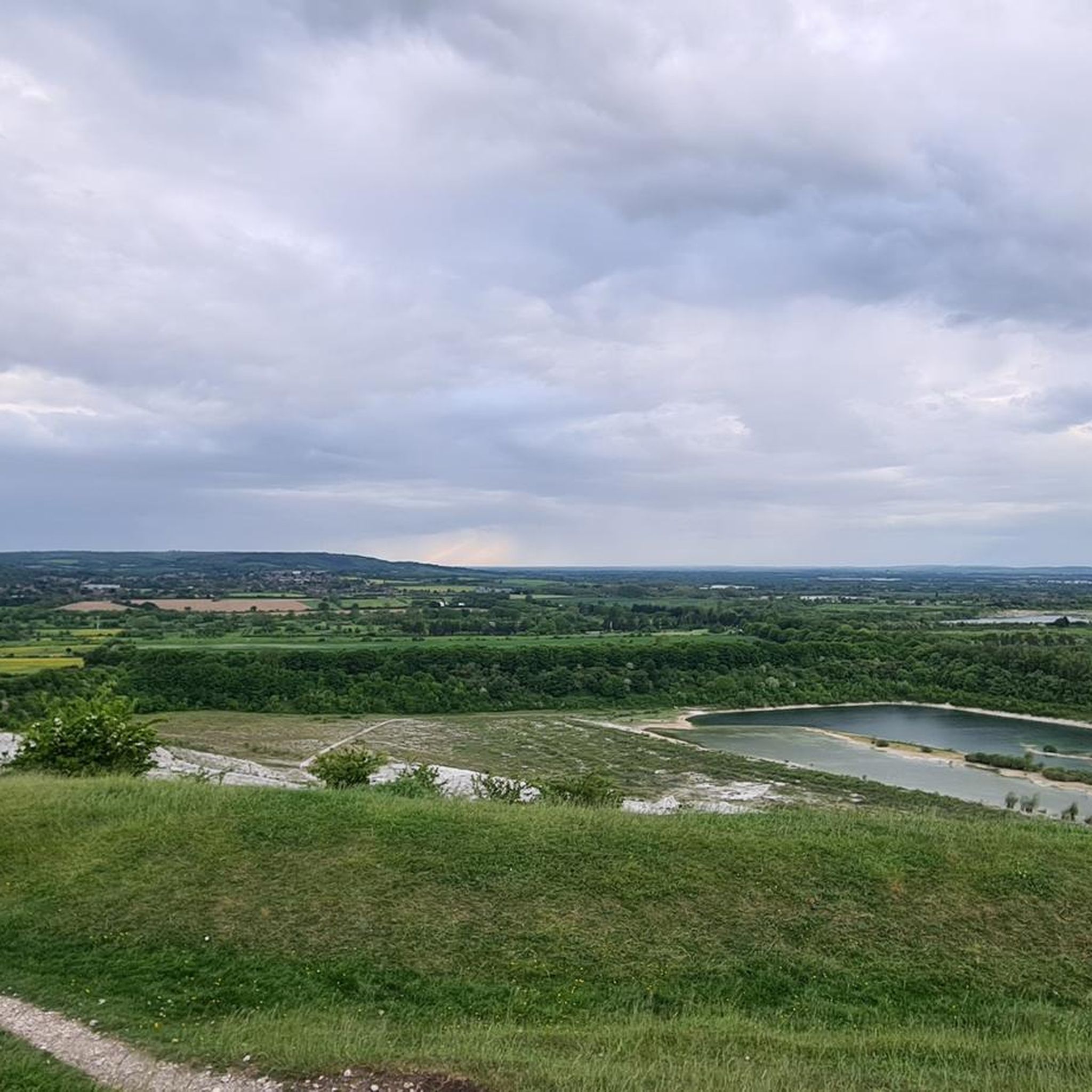
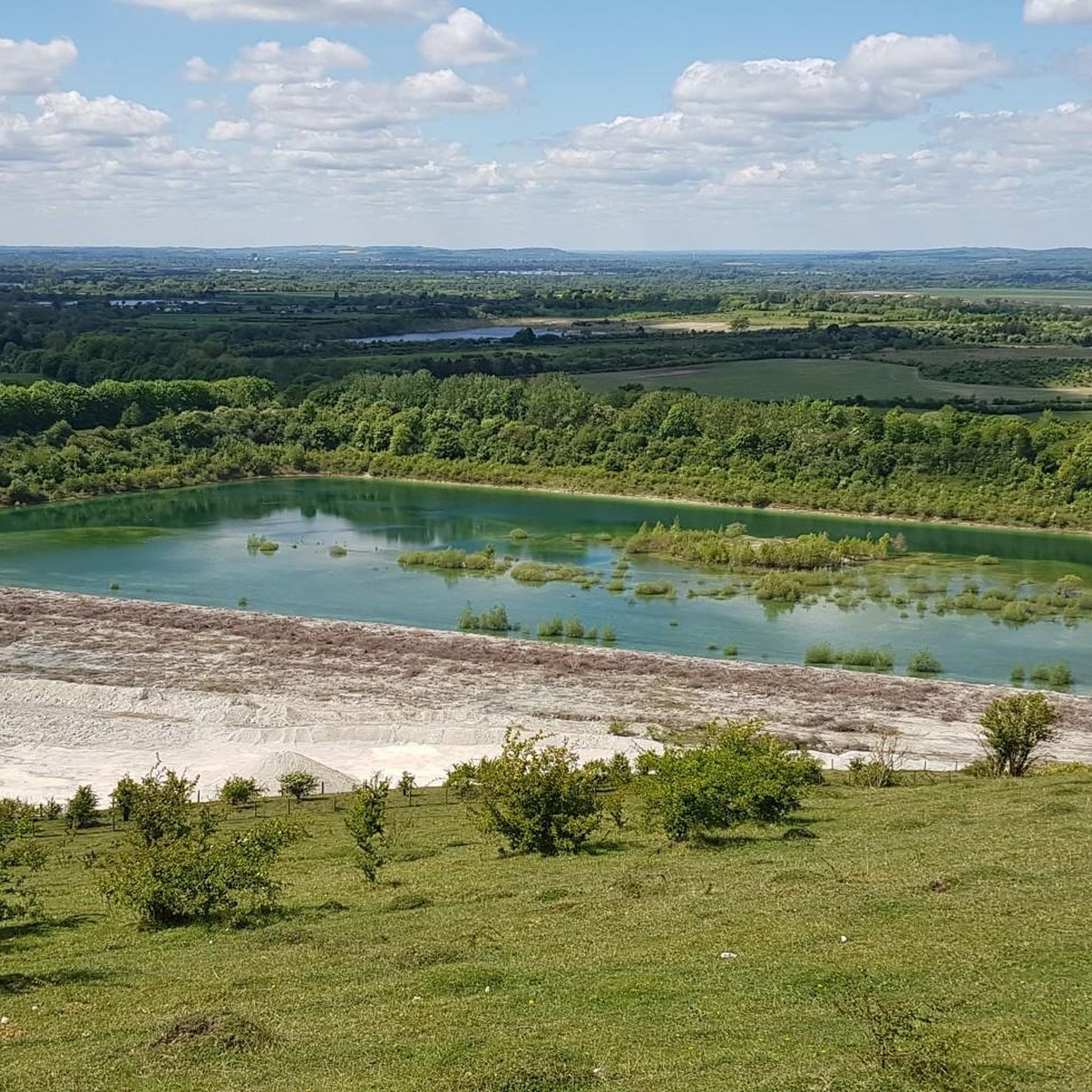
- The most popular natural monuments is Ivinghoe Beacon, a summit that stands at 764 feet (233 m). It offers views…
Last updated: August 23, 2026
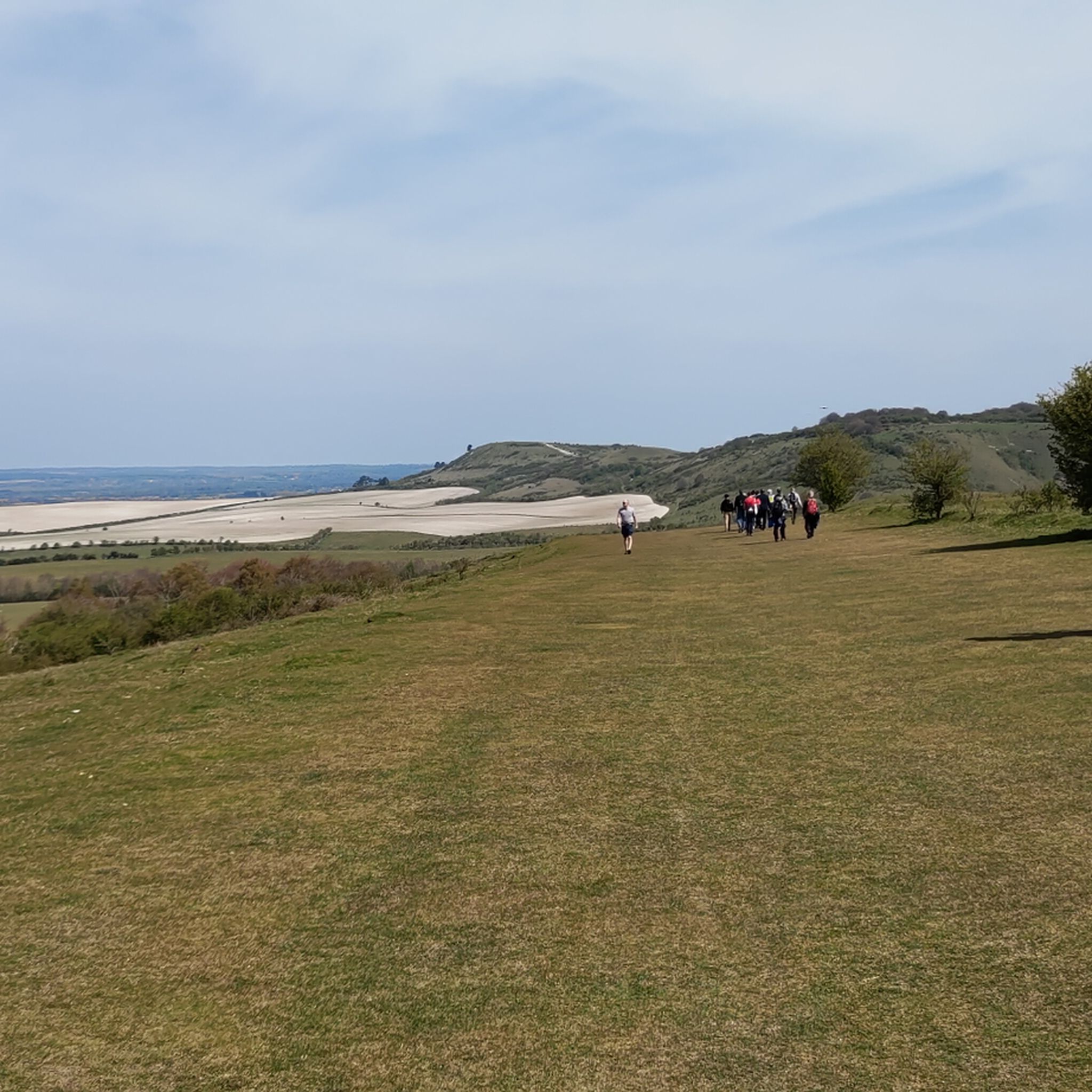
Ivinghoe Beacon
Highlight • Summit
Tip by

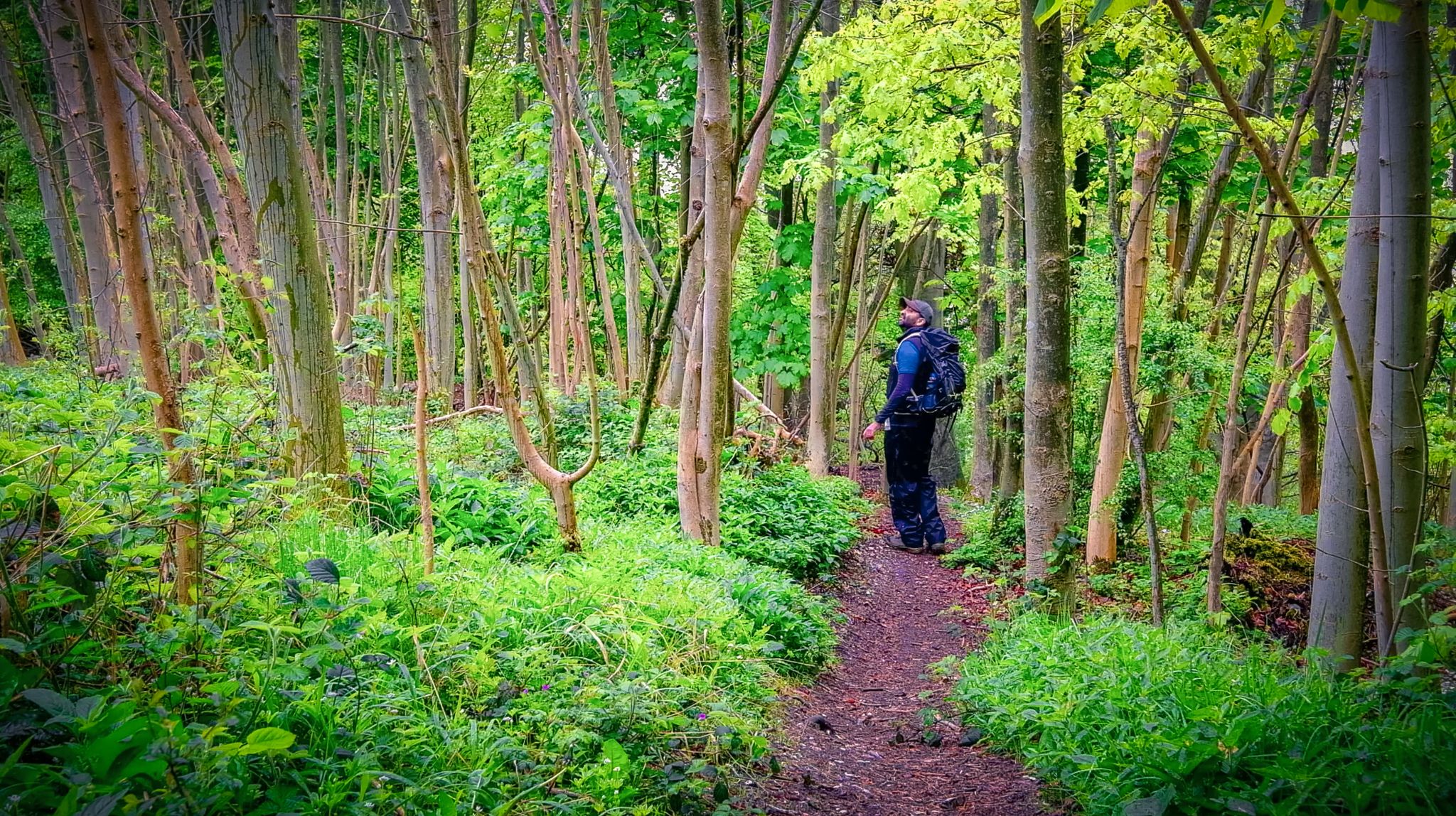
Red Cedar Woods Path
Highlight • Trail
Tip by

Sign up now to discover places like this
Get recommendations on the best single tracks, peaks, & plenty of other exciting outdoor places.
Sign up for free
Pitstone Hill
Highlight • Natural
Tip by

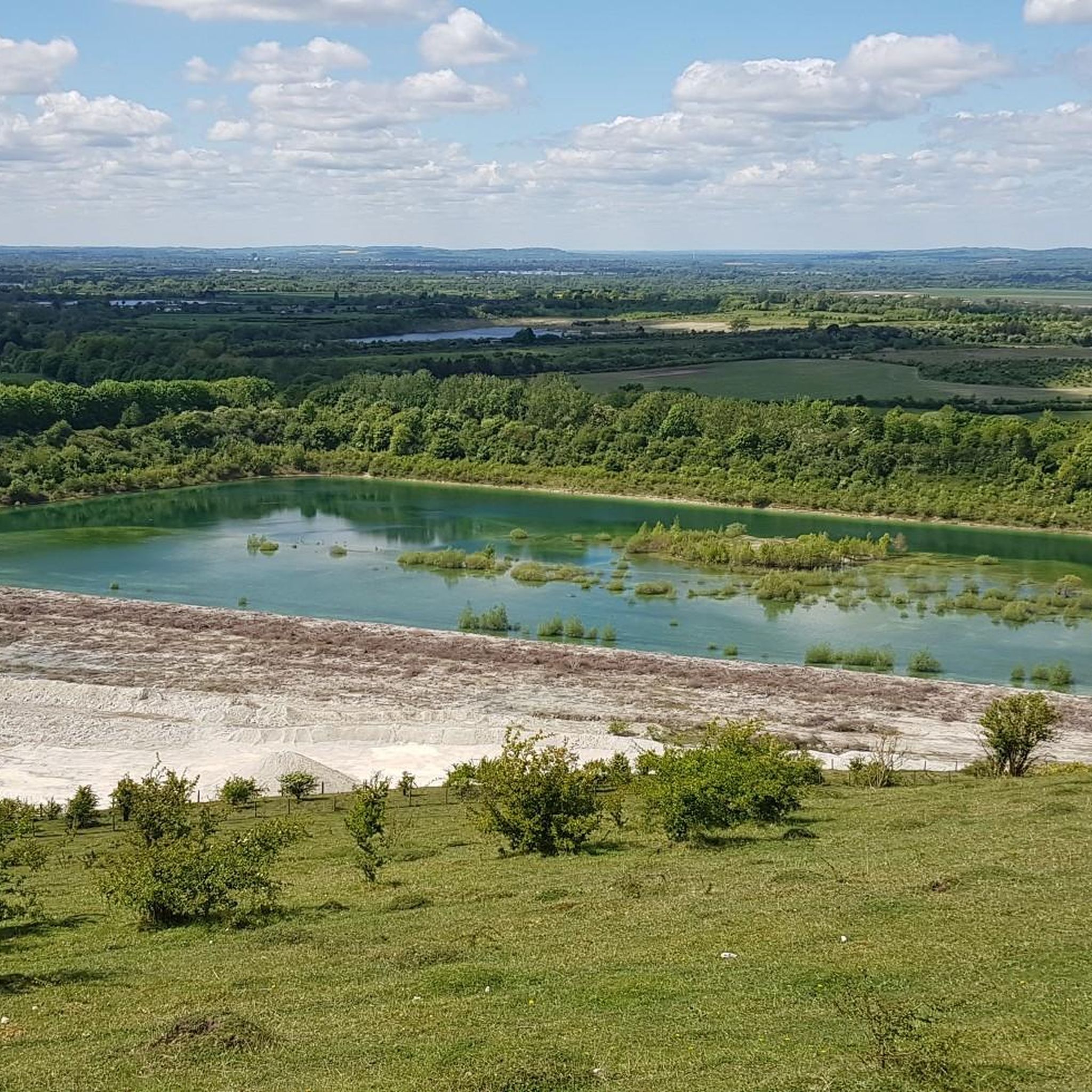
Dunstable Downs
Highlight • Viewpoint
Tip by
Bison Hill
Highlight (Segment) • Viewpoint
Tip by

Sign up for free to discover even more natural monuments around Pitstone.
Sign up for free
Already have an account?
Start today with a free account
Your next adventure awaits.
Login or Signup
Other adventures around Pitstone

Tips from the Community

Super views. It tends to be windy here. In winter, mud that makes it difficult to ascend.
2
0


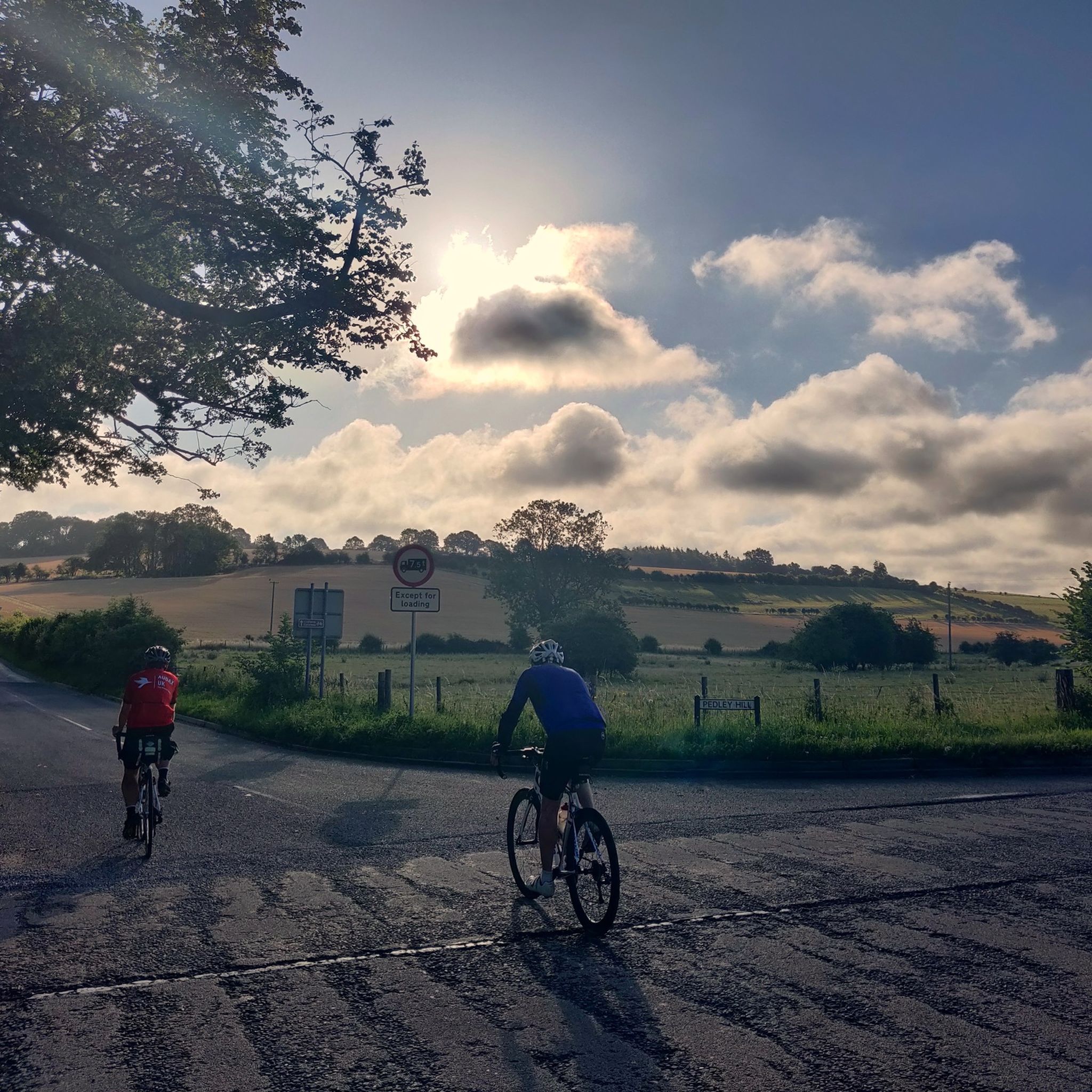
As you turn off Dagnall Road, get into a low gear and take it easy. You don't want to be going into the red before the twisty steep bit, as it feels really narrow and if you put your foot down it might be hard to get going again.
0
0

So different to other parts of woodland nearby, and so quiet.
0
0

It's absolutely gorgeous, breath-taking, and you're sheltered from any wind and rain by the trees too.
0
0
these cedar woods are breath-taking, especially as you enter if from the east, sheltered form wind and rain with clear path through, a beautiful walk.
0
0
Beautiful open, wide scapes, wide clear pathways with views all around.
1
0
Frequently Asked Questions
What unique natural features can I find around Pitstone?
The area around Pitstone, nestled at the foot of the Chiltern Hills, offers diverse natural features. You can explore chalk grasslands, small woodlands, and prominent summits. For instance, Pitstone Hill is a Site of Special Scientific Interest known for rare plant life like the pasque flower and field fleawort, and a rich butterfly population. The region also features significant viewpoints like Dunstable Downs, the highest point in Bedfordshire, offering expansive views over chalk grasslands.
Are there any natural monuments with historical significance near Pitstone?
Yes, several natural monuments in the area hold historical significance. Ivinghoe Beacon, for example, was historically used for navigation and communication, with fires lit at its summit. Pitstone Hill also has archaeological importance, with remains thought to be from a prehistoric flint mine and an Iron Age cross-dyke.
What outdoor activities can I do near these natural monuments?
The natural monuments around Pitstone are excellent for various outdoor activities. You can find numerous trails for hiking and running. For example, there are many running routes, including the 'Ivinghoe Beacon – Steps Hill loop' and 'Pitstone Hill – Grand Junction loop'. Hikers can explore trails like 'Incombe Hole, Gallows Hill and Clipper Down – Chiltern Hills' or 'Pitstone Hill – Paul's Knob loop'. You can find more details on these activities in the Running Trails around Pitstone and Hiking around Pitstone guides.
Are there family-friendly natural monuments around Pitstone?
Absolutely. Several natural monuments are well-suited for families. Dunstable Downs is a fantastic place for families, offering footpaths across chalk grasslands and a visitor centre. The Red Cedar Woods Path is also noted as family-friendly, providing a scenic woodland experience that differs from the open hills.
What is the best time of year to visit the natural monuments around Pitstone?
The natural monuments around Pitstone can be visited year-round, but each season offers a different experience. Spring and summer are ideal for enjoying the rare plant life and butterflies on Pitstone Hill. Autumn provides beautiful foliage, while winter can offer crisp views, though trails might be more challenging due to wind and wet conditions. Many visitors enjoy the views and activities during good weather, especially for 'slope soaring' at Ivinghoe Beacon.
Are there accessible walks for beginners or those seeking easier routes?
Yes, there are several easy hiking routes around Pitstone's natural monuments. For instance, you can find easy loops around Ivinghoe Beacon or Pitstone Hill, such as the 'Paul's Knob Summit – View of Steps Hill loop'. These routes are generally shorter and have less elevation gain, making them suitable for a more relaxed experience. You can explore these options in the Easy hikes around Pitstone guide.
Can I bring my dog to the natural monuments around Pitstone?
While specific dog-friendly policies vary by location, many of the natural monuments and trails around Pitstone are generally welcoming to dogs, especially on leads. Areas like Dunstable Downs and the various chalk grassland trails are popular for dog walking. Always ensure your dog is under control and check for any local signage regarding restrictions, especially in nature reserves or areas with livestock.
What do visitors particularly enjoy about the natural monuments around Pitstone?
Visitors frequently praise the breathtaking views and diverse landscapes. The panoramic vistas from summits like Ivinghoe Beacon and Dunstable Downs are highly appreciated. Many also enjoy the ecological richness of sites like Pitstone Hill, with its rare flora and abundant wildlife. The variety of trails, from exposed hilltops to serene woodlands like the Red Cedar Woods Path, also contributes to a rewarding experience.
Are there options for longer or more challenging hikes near Pitstone's natural monuments?
Yes, for those seeking more challenging routes, the area offers longer and more strenuous options. For instance, the 'Paul's Knob – Pitstone Hill loop from Ivinghoe' is a difficult 26 km hike. Similarly, the 'Pitstone Hill – Grand Junction loop' is a challenging 21 km running route. These trails often involve significant elevation changes and cover more extensive terrain, providing a good workout and extended exploration of the Chiltern Hills. You can find these and other challenging routes in the Hiking around Pitstone guide.
What is College Lake nature reserve, and what can I expect there?
College Lake nature reserve, adjacent to Pitstone, is a significant natural monument that was once a chalk quarry. It has been reclaimed by nature and is now a flagship reserve of the Berkshire, Buckinghamshire and Oxfordshire Wildlife Trust, as well as a geological SSSI. While specific natural features within the reserve are not detailed, its designation implies significant ecological and geological interest, making it valuable for nature observation, birdwatching, and understanding geological processes.
How can I get to the natural monuments around Pitstone by public transport?
While Pitstone itself is a village, public transport options to reach the natural monuments in the wider area exist, though they may require some planning. Local bus services connect Pitstone to nearby towns like Tring or Leighton Buzzard, which have train stations. From these towns, you might find further bus connections or need to walk or cycle to reach specific natural monuments like Ivinghoe Beacon or Dunstable Downs. It's advisable to check local bus schedules and routes in advance for the most up-to-date information.
Most popular routes around Pitstone
Most popular attractions around Pitstone

Get inspired with the komoot mobile app


Explore more
Extend your search for the best caves by checking out these guides of the top ones around Pitstone:
