Top 4 Natural Monuments around Barby
Natural monuments around Barby are located in Saxony-Anhalt, Germany, at the confluence of the Saale and Elbe Rivers. This area is part of the UNESCO Biosphere Reserve "Mittlere Elbe," characterized by its riparian ecosystems and diverse flora and fauna. The region offers extensive natural landscapes, including near-natural floodplain environments that provide habitats for various species. These Barby natural attractions offer opportunities for observing local wildlife and exploring protected areas near Barby Germany.
Best natural monuments around Barby
- The most popular…
Last updated: June 29, 2026
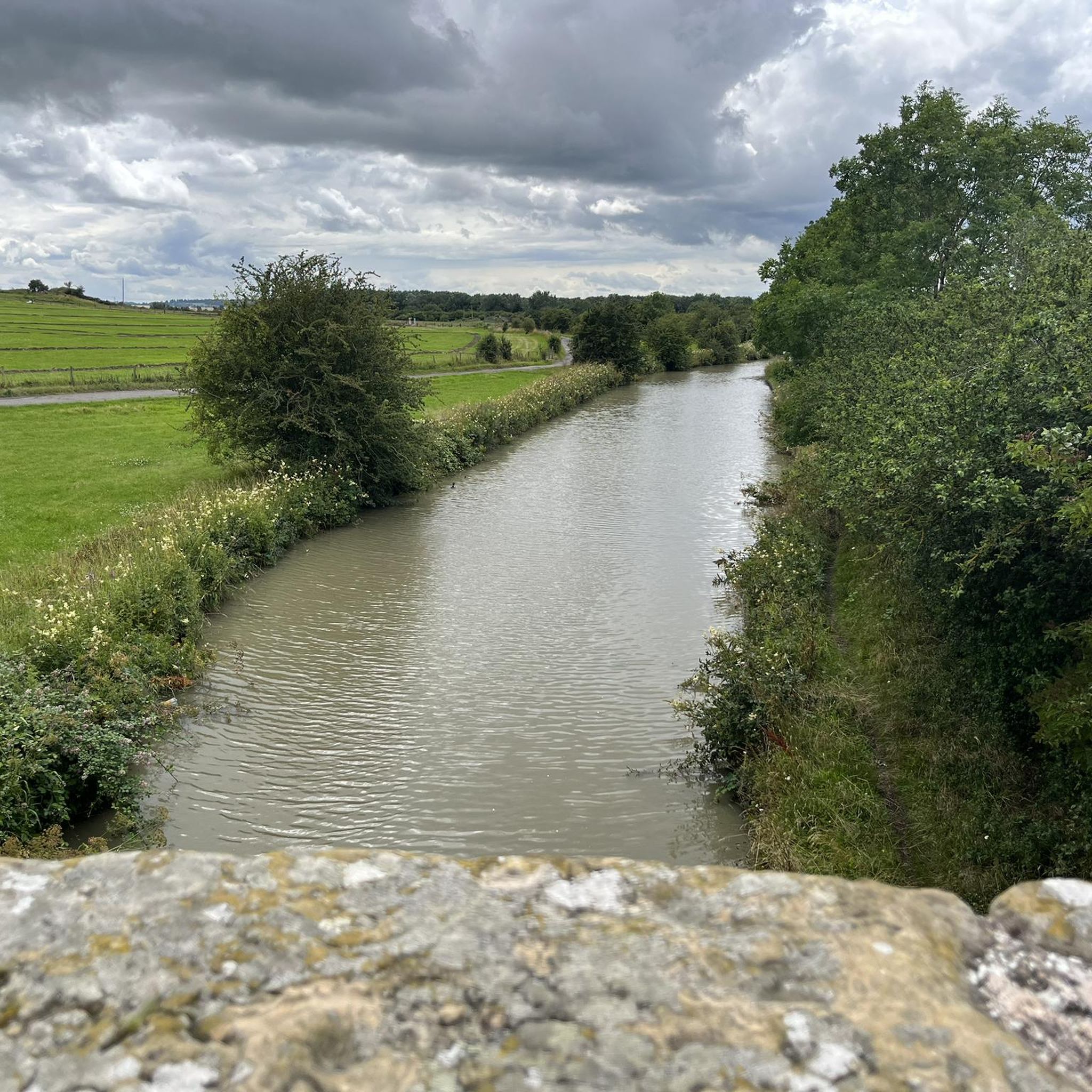
Draycote Water
Highlight • Lake
Translated by Google •
Tip by

Borough Hill Iron Age Hill Fort
Highlight • Viewpoint
Tip by

Sign up now to discover places like this
Get recommendations on the best single tracks, peaks, & plenty of other exciting outdoor places.
Sign up for free
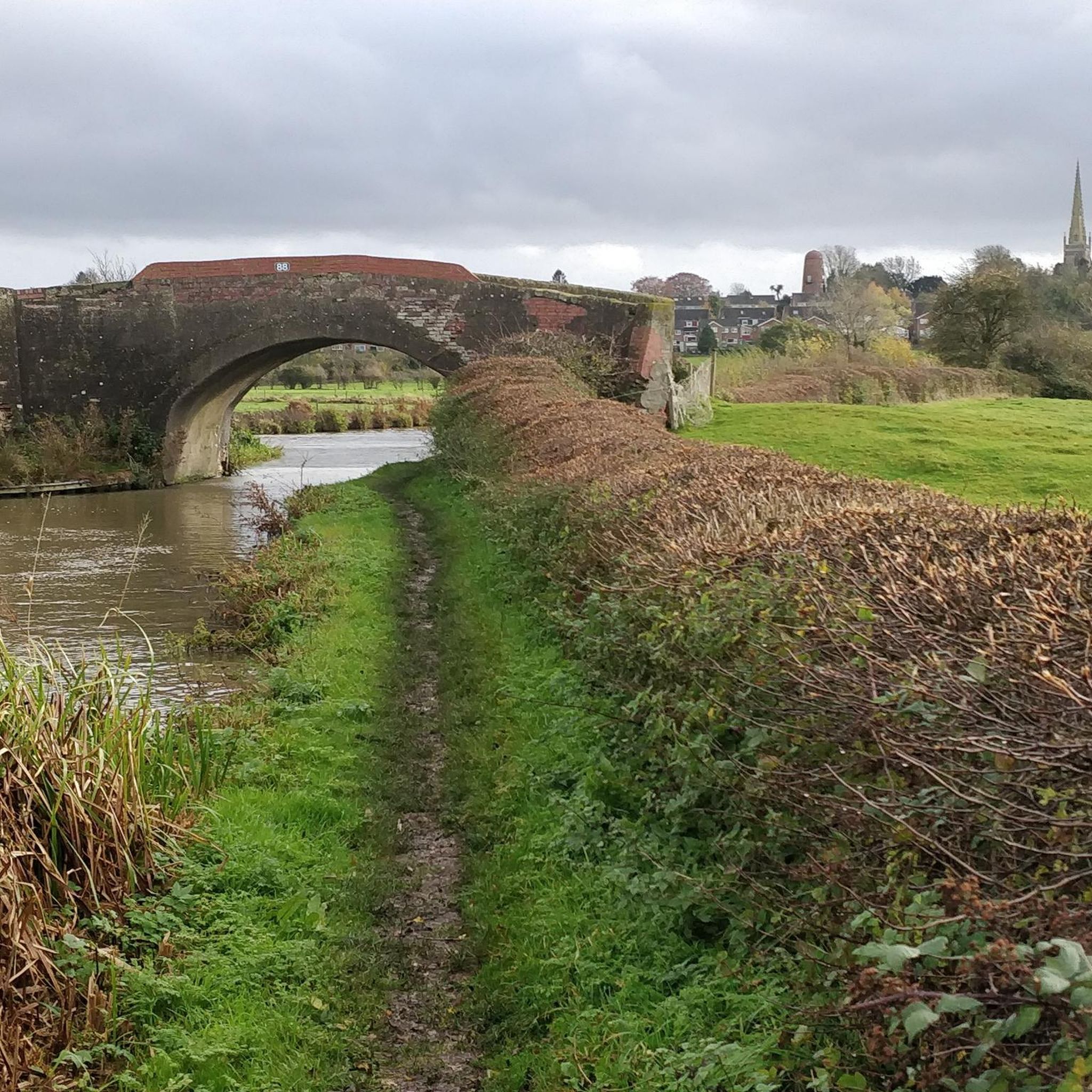
Green-Winged Orchids at Draycote Meadows
Highlight • Natural Monument
Translated by Google •
Tip by
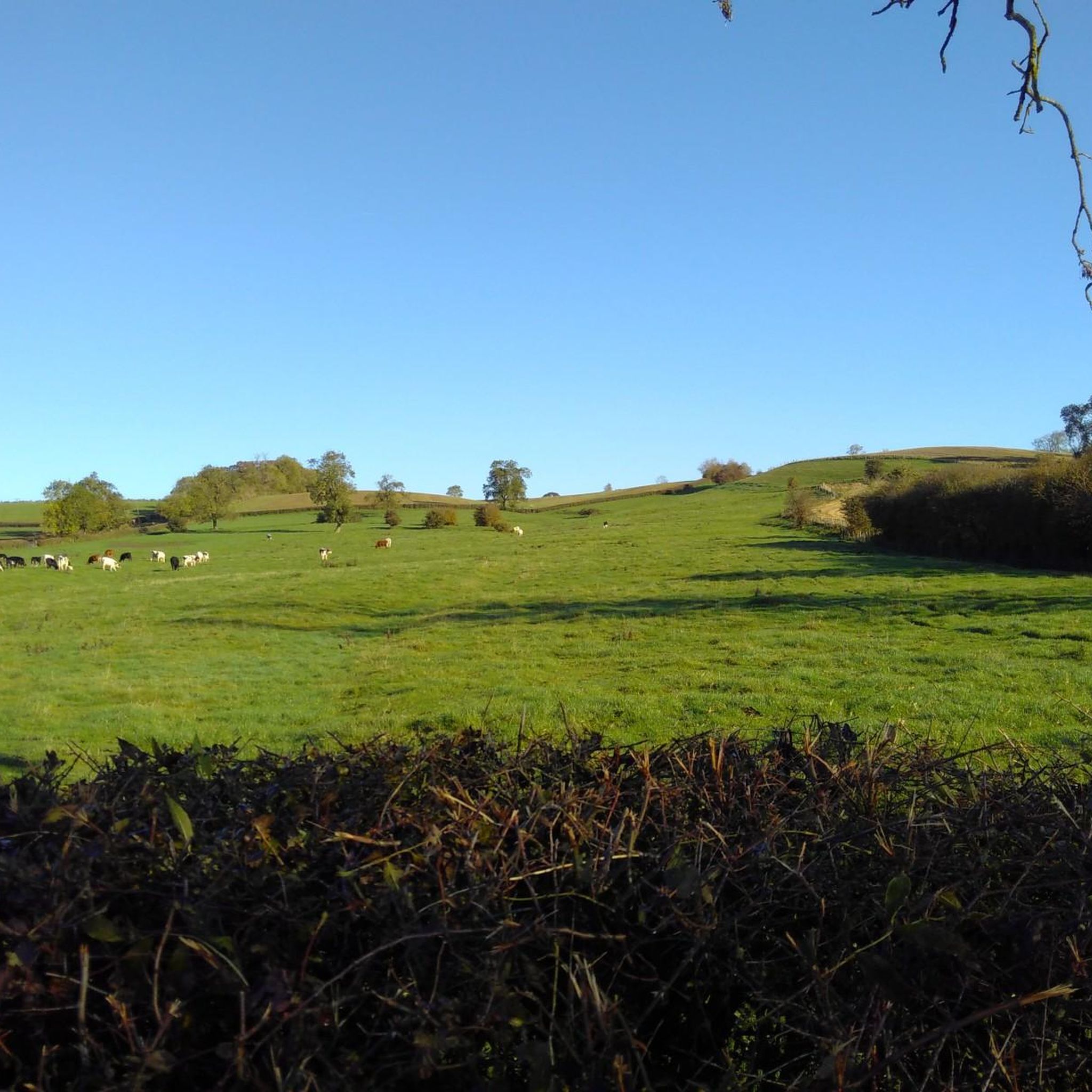
Cracks Hill Viewpoint
Highlight • Viewpoint
It is quite steep so good footwear is recommended and be careful when it is wet.
Tip by

Hensborough Hill Trig Point
Highlight • Natural Monument
Tip by

Start today with a free account
Your next adventure awaits.
Login or Signup
Tips from the Community

Draycote Water is an artificial reservoir (23 million m3), which was completed in 1969. In addition to its function as a water reserve, it is a leisure park u.a. for anglers, sailors, hikers. The rich bird life invites also to observations. Swimming is not allowed in the lake.
1
0


It's worth the 5 minute walk from the visitor centre for the great views from the trig point, 113m above sea level
1
0

Situated between the villages of Crick and Yelvertoft, the hill provides incredible views of the local area. It is quite steep so good footwear is recommended and be careful when it is wet.
2
0

An imposing feature on the eastern side of Daventry, Borough Hill has been used by humans for thousands of years and is the site of one of the largest ancient hill forts in the country. Today it is maintained as a country park by Daventry District Council, offering spectacular views of the surrounding area as well as providing a haven for local wildlife and a popular spot for dog walkers. History Remains have been found on the hill of two Iron Age hill forts, two Bronze Age barrows and of a later Roman villa and farming settlement. Items from the Neolithic period, the Bronze Age, Iron Age, Roman, Saxon and Viking periods have also been unearthed. The site was first excavated in 1823 by historian and archaeologist George Baker, who discovered the remains of the Roman villa. The remains were then fully excavated and recorded in 1852 by local historian Beriah Botfield. His notes, manuscripts and some of the antiquities found are now kept at the British Museum. The site is designated as a Scheduled Monument under the Ancient Monuments and Archaeological Areas Act 1979. The hill also played a role in the build-up to the Battle of Naseby on 14 June 1645, which saw the Royalist Army of King Charles I crushed by Oliver Cromwell's New Model Army. The Royalist army used Borough Hill as a base in the week leading up to the decisive battle, before moving off towards Market Harborough and into the path of the Parliamentarian Forces led by Sir Thomas Fairfax. The BBC began broadcasting from the site in 1925. From 1932 the BBC Empire Service (later the BBC World Service) was broadcast from Borough Hill and the radio announcement of "Daventry calling" made Daventry well-known across the world. The hill also played an important role in the development of radar, after Robert Watson-Watt successfully demonstrated his invention for the first time on February 26, 1935, using receiving equipment set up near Weedon and the signals transmitted from the BBC station on Borough Hill. His instruments were able to detect an RAF Heyford bomber flying at 6,000 feet – proving to the Air Ministry the effectiveness of his invention. The BBC station on Borough Hill remained in place until 1992, when, after 65 years of broadcasting, the last transmitter was switched off and the forest of masts that once sat overlooking the town was felled. Only one mast stands on the site today, owned and operated by Arqiva communications.
0
0

There is one problem with this side of Draycote water and that's the bugs. The wind blows across the lake and you get a face of bugs. But the views are good and it's always a good section of a ride, always busy when the weather is good...
0
0

Historic hill overlooking Daventry and surrounds - previously the site of BBC World Service transmitter, used in the Daventry experiment into radar, site of Danish camp during the Danelaw, and an ancient iron age hill fort. Good paths and tracks throughout.
2
0
Draycote Meadows is a large pasture near Draycote Waters that is of particular biological interest due to the diversity of grasses, orchids and butterflies. The pasture is also noticeable by the undulating surface. This goes back to the arable farm in the Middle Ages
4
0
Frequently Asked Questions
What are the primary natural monuments to explore in Barby?
The most significant natural monument in Barby is the Confluence of the Saale and Elbe Rivers. This unique spot marks where the Saale flows into the Elbe and is a key feature of the UNESCO Biosphere Reserve "Mittlere Elbe." The broader region, including the extensive floodplain landscapes and riparian ecosystems, also constitutes a vital natural monument, preserving diverse flora and fauna.
What kind of wildlife can I expect to see in the natural areas around Barby?
The UNESCO Biosphere Reserve "Mittlere Elbe" around Barby is home to a rich diversity of wildlife. You might spot beavers, sea eagles, black storks, cranes, and white-tailed eagles. The riparian ecosystems also support various rare river valley plants and orchids.
Are there opportunities for hiking near Barby's natural monuments?
Yes, the area around Barby offers well-signposted hiking trails, particularly around the Confluence of the Saale and Elbe Rivers. You can explore the unique floodplain landscapes on foot. For more detailed hiking options, you can explore various routes in the Easy hikes around Barby guide.
Can I go cycling to or around the natural monuments in Barby?
Absolutely. The Confluence of the Saale and Elbe Rivers marks the end of the Saale Cycle Route, indicating excellent cycling infrastructure. The region's flat floodplain landscapes are ideal for bike tours. Discover more cycling routes in the Cycling around Barby guide.
Is the UNESCO Biosphere Reserve "Mittlere Elbe" accessible for visitors?
Yes, the UNESCO Biosphere Reserve "Mittlere Elbe," which encompasses Barby's natural surroundings, is designed for visitors to explore its near-natural floodplain landscapes. There are designated trails for hiking and cycling, allowing access to its diverse ecosystems and viewpoints.
What is the best time of year to visit the natural monuments in Barby?
The natural monuments around Barby, particularly the floodplain landscapes and river confluence, are beautiful year-round. Spring and summer offer lush greenery and active wildlife, while autumn provides vibrant colors. Even winter walks can be picturesque, offering a different perspective of the serene landscapes.
Are the natural monuments around Barby suitable for families?
Yes, the natural monuments around Barby are generally family-friendly. The well-maintained trails for hiking and cycling, combined with opportunities for wildlife observation, make it an engaging experience for all ages. The scenic beauty and open spaces are perfect for outdoor family adventures.
Can I bring my dog to the natural monuments in Barby?
Many natural areas and trails around Barby are dog-friendly. However, as part of the UNESCO Biosphere Reserve "Mittlere Elbe," it's important to keep dogs on a leash in certain sensitive areas to protect wildlife and ensure a pleasant experience for all visitors. Always check local signage for specific regulations.
Are there any water-based activities available to experience Barby's natural monuments?
Yes, the rivers themselves offer a unique perspective. You can discover the landscape, especially around the Confluence of the Saale and Elbe, by canoe. This provides an intimate way to experience the riparian ecosystems from the water.
Where can I find more information about nature activities in Saxony-Anhalt?
For broader information on nature activities and highlights within the Saxony-Anhalt region, you can visit the official tourism website: saxony-anhalt-tourism.com.
What kind of terrain can I expect when exploring the natural monuments near Barby?
The terrain around Barby's natural monuments is primarily characterized by flat floodplain landscapes and riparian ecosystems. This means generally easy walking and cycling paths, often alongside rivers and through meadows, making it accessible for various fitness levels.
Are there any specific permits required for hiking or visiting the UNESCO Biosphere Reserve "Mittlere Elbe"?
Generally, no specific permits are required for recreational hiking or visiting the publicly accessible areas of the UNESCO Biosphere Reserve "Mittlere Elbe." However, it's always advisable to respect local regulations, stay on marked paths, and avoid disturbing wildlife, especially during breeding seasons.
Most popular attractions around Barby

Get inspired with the komoot mobile app


Explore more
Extend your search for the best caves by checking out these guides of the top ones around Barby:
