Top 20 Natural Monuments around West Wycombe
Best natural monuments around West Wycombe offer diverse landscapes, from ancient woodlands to chalk grasslands and serene water features. This region in the Chilterns provides opportunities for outdoor exploration and appreciation of natural beauty. The area is characterized by its rolling hills, historic parklands, and significant ecological sites. Visitors can find various natural settings that blend geological interest with rich biodiversity.
Best natural monuments around West Wycombe
- The most popular natural monuments is Pond in Park Wood, a lake…
Last updated: May 2, 2026
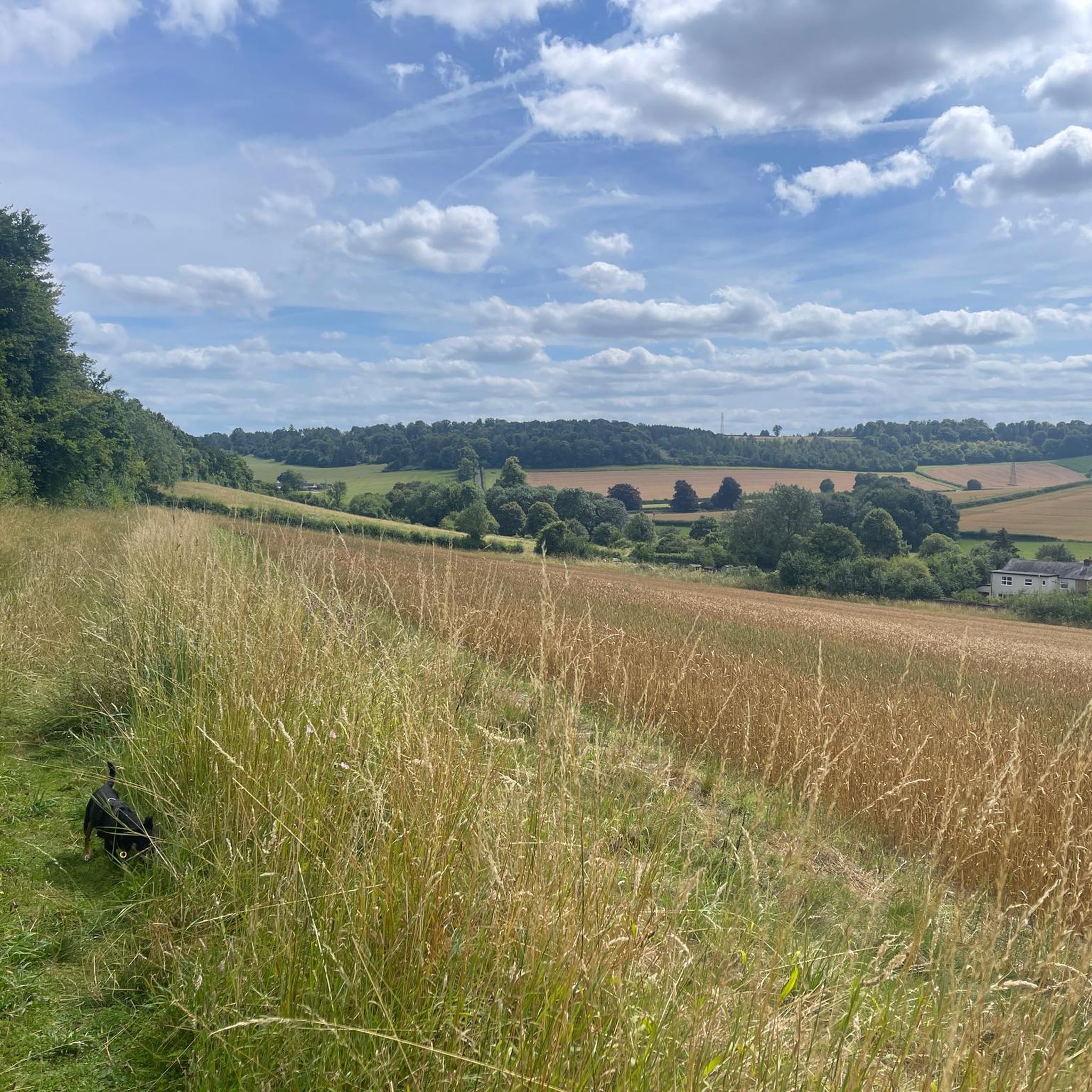
Old Kiln Lakes Wetland Habitat
Highlight • Natural
Tip by

Cowleaze Wood Bluebells
Highlight (Segment) • Forest
Tip by

Sign up now to discover places like this
Get recommendations on the best single tracks, peaks, & plenty of other exciting outdoor places.
Sign up for free
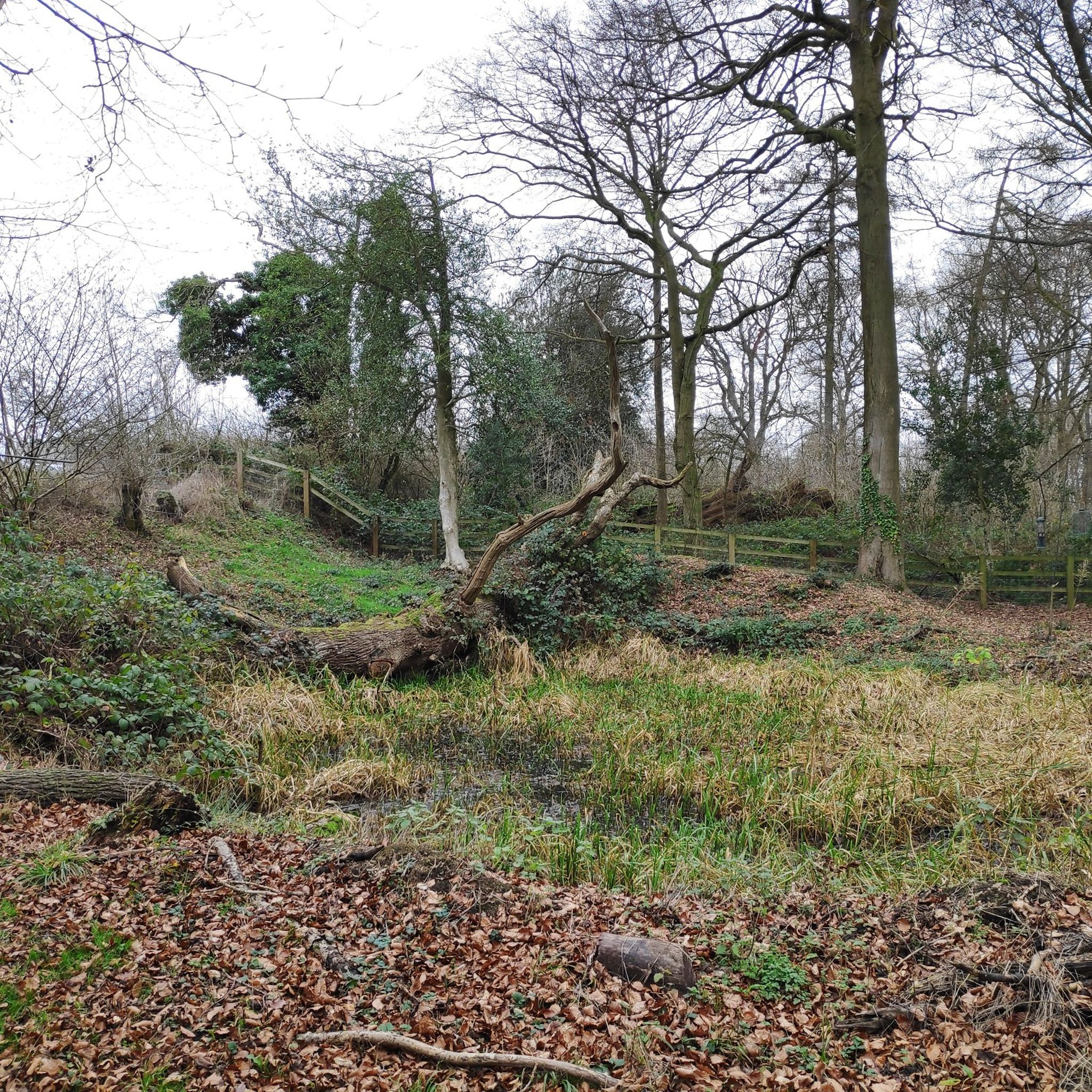
Pond in Park Wood
Highlight • Lake
Tip by
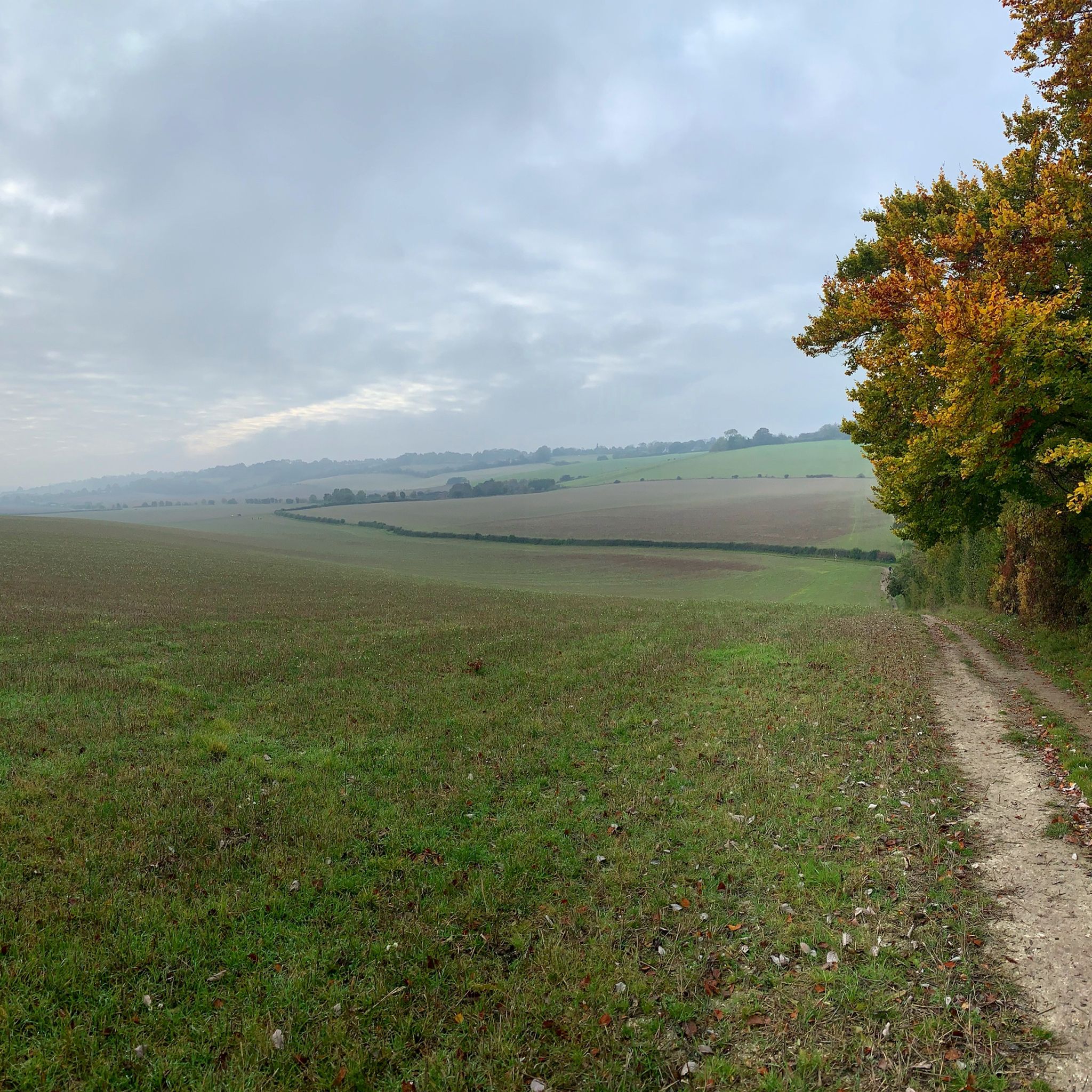
Bluebell Woodland in Chilterns National Landscape
Highlight • Forest
Tip by
Cock Marsh Wetland Walkway
Highlight • Trail
Tip by
Sign up for free to discover even more natural monuments around West Wycombe.
Sign up for free
Already have an account?
Start today with a free account
Your next adventure awaits.
Login or Signup
Tips from the Community

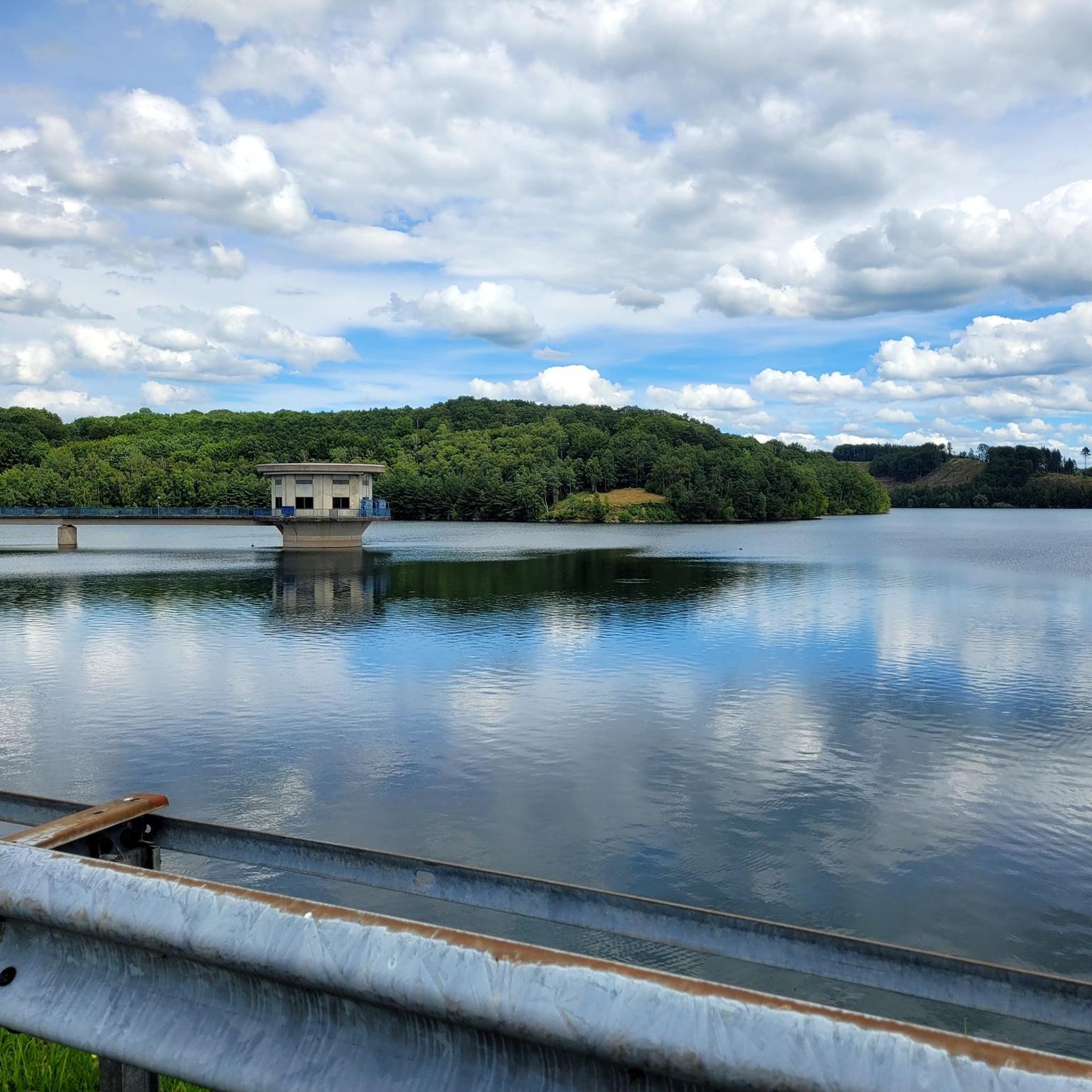
This quarry is a Site of Special Scientific Interest and well known by geologists for its phenomenal history. Packed with fossils, some of the finds here date back 100 million years. There's no public access, but you can catch glimpses of its bright high-alkaline water from the surrounding footpaths.
0
0


Chinnor, Chalk and Cement Mr. W. Benton's Cement and Lime Works opened in Chinnor in 1908, but cement making on a truly industrial scale did not begin until 1919. Output of cement from Chinnor peaked at about 5600 tonnes per week in the 1990s. Up to 120 people were employed at any one time. The cement works closed in 1999 and there are plans for the re-development of the site, using the flat areas for housing but also with opportunities for recreation and conservation in the water filled quarries The scale of chalk extraction for cement making can be seen from a short walk along the Ridgeway National Trail. The Ridgeway runs on a high causeway between the large quarries, giving views of the pits through the boundary fences. (Do not cross over or through the fences). Geology One of the chalk quarries has been protected as a geological Site of Special Scientific Interest as it has particularly good exposures of both the Lower Chalk and Middle Chalk geological layers. Both layers have given upimportant fossil ammonites.
2
0
Cowleaze Wood, which is managed by the Forestry Commission, incorporates a great mix of woodland habitats. The bluebells in late April and May are like a blue carpet and well worth a visit. Tragically, on 31 March 1944 a Handley Page Halifax Mk III bomber aircraft, LW579 of No 51 Squadron RAF, was returning from the Nuremburg raid when it crashed in the wood, killing all seven of its crew. The aircraft was based at RAF Snaith in Yorkshire and seems to have been at least 120 miles (190 km) off course. It was a clear, moonlit night, and it is not clear why the Halifax lost height and crashed into the hill. There is a monument in the wood to the crew of LW579. It is a stone plinth from Lincoln Cathedral with the names of the crew inscribed upon it. https://www.nationaltrust.org.uk/chilterns-countryside/trails/watlington-hill-and-the-wormsley-estate--an-emblematic-chilterns-walk
0
0
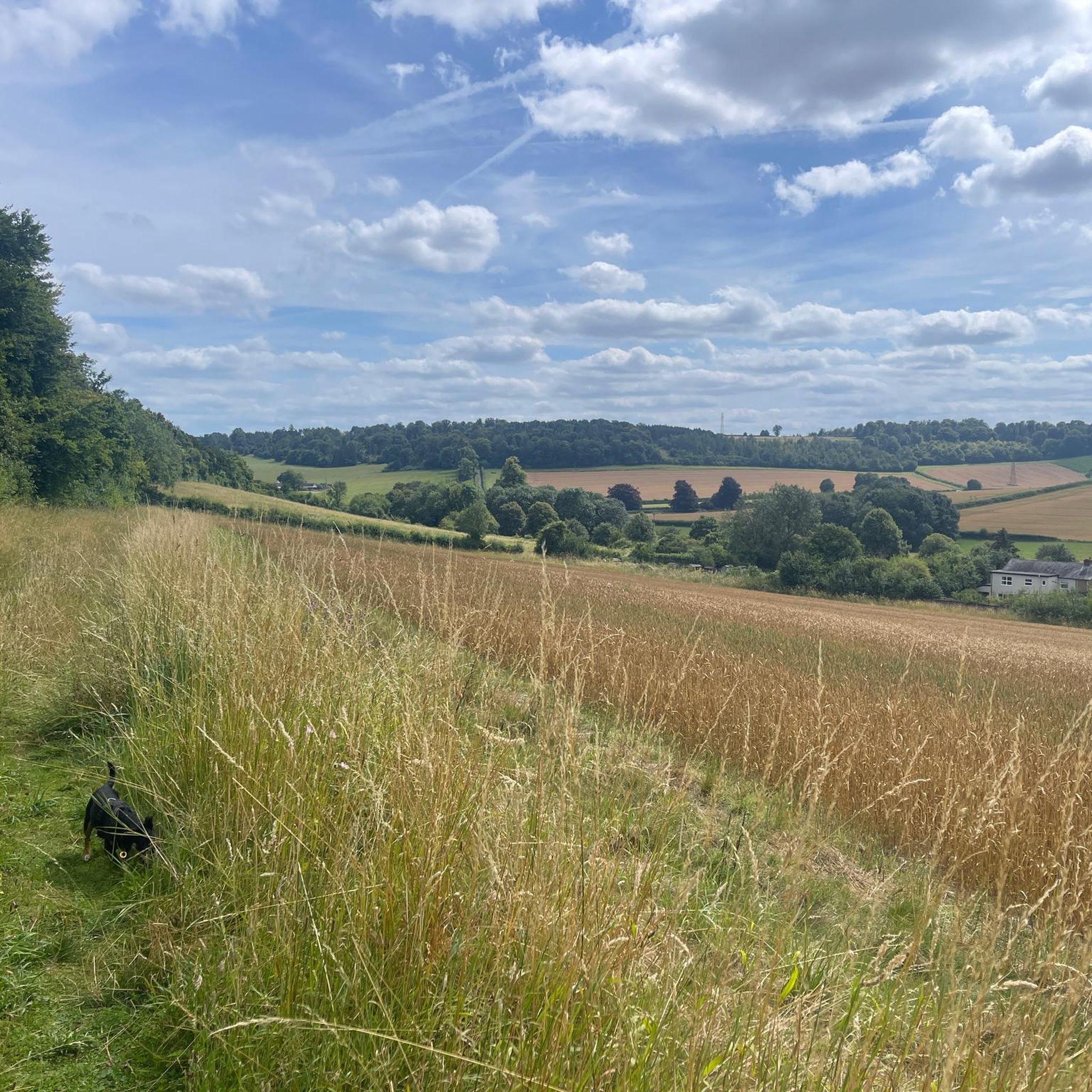
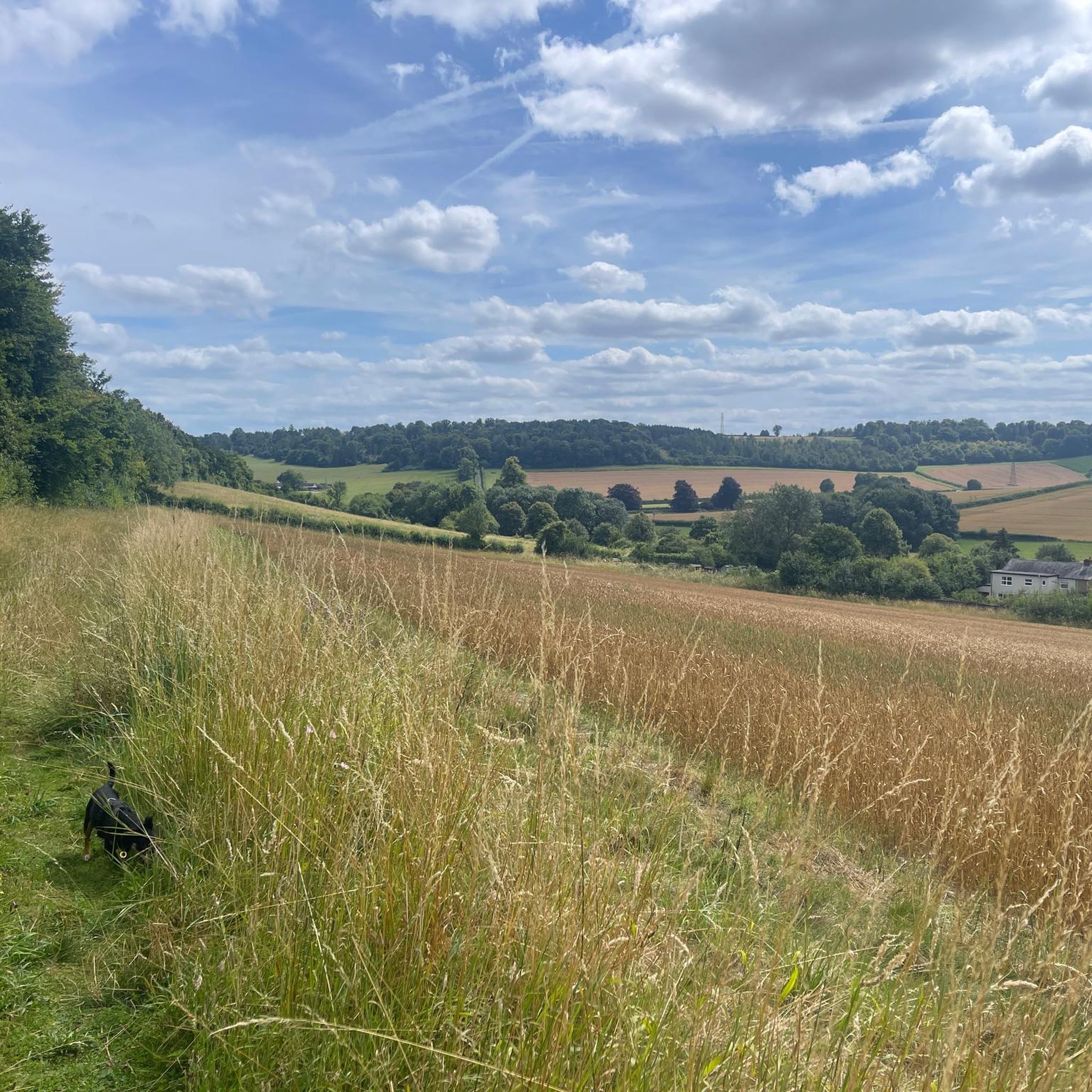
The wetland meadows of Cock Marsh are very important for rare plant species, breeding waders and overwintering birds. Part of the site is designated as a Site of Special Scientific Interest (SSSI). The steep chalk grassland swiftly changing into marshy, acid meadows has created an ecosystem of rare and interesting species. As part of the historic channel of the Thames, the ponds here support specialist plants like water violet, marsh arrowgrass, marsh stitchwort, marsh pennywort and water hemlock. The rare sedge Cyperus fuscus (brown galingale) is found here and in only a handful of other sites in Great Britain. It relies on cattle to tread or poach the ground on the pond edges to create the perfect habitat to grow. The cattle here work hard to help to maintain a rich botanical diversity of grassland habitat. https://www.nationaltrust.org.uk/maidenhead-and-cookham-commons/trails/cookham-and-cock-marsh-walk
1
0
Archaeological Surveys undertaken in Park Wood have revealed a fascinating past for this quiet area of deciduous woodland. Lynchets and banks within the woods give evidence of ancient field systems which may date back to the late Iron Age/early Roman period (or they may be medieval). In the beech woodland opposite the pond is evidence of a late thirteenth/early fourteenth homestead in the woodlands and in Tudor times (1485 – 1603) the woodland was a deer park. Much of Park Wood was converted to beech woodland from the late 18th until the early 20th century to cater for the High Wycombe furniture industry. Associated features include sawpits, tracks and charcoal burning platforms. https://www.nationaltrust.org.uk/chilterns-countryside/trails/bradenham-beech-woods-and-bunkers-trail
0
0
Bluebells are well-known for forming carpets of bright blue flowers beneath our oak and beech woodlands in the late spring. At this time of year, they can also be found along hedgerows and in woodland clearings. Their spectacular floral displays are exclusive to northern Europe, with Britain containing more than half of the world’s population of bluebells. Bluebells, which are inedible members of the asparagus family of plants, are perennial bulbous herbs with flowering stems to about 50cm tall. They spend most of the year as bulbs underground and emerge to flower from mid-April onwards, although they are usually at their peak in the first two weeks of May, depending on the spring weather. Up to twenty sweetly-scented flowers are borne on a flower stalk which droops to one side. The flowers are bell-shaped and although they are usually blue, they can be white or rarely pink. https://www.nationaltrust.org.uk/chilterns-countryside/features/discover-bluebells-in-the-chiltern-countryside
0
0
Frequently Asked Questions
What are some popular walking trails around the natural monuments in West Wycombe?
The West Wycombe area offers diverse walking opportunities. You can explore the expansive views from West Wycombe Hill, which features walking trails across its grassland and woodland. Naphill Common also provides numerous footpaths through mixed oak and beech woodland. For specific routes, komoot offers various options, such as the Running Trails around West Wycombe, which include paths like the Bradenham Beech Woods Walk.
When is the best time of year to visit the natural monuments in West Wycombe?
The best time to visit depends on what you wish to see. Late April and May are ideal for experiencing the stunning bluebell displays at places like Cowleaze Wood Bluebells and Bluebell Woodland in Chilterns National Landscape. The spring and autumn months generally offer pleasant weather for walking and enjoying the seasonal colors of the woodlands and chalk grasslands.
Are there family-friendly natural monuments or easy walks in the West Wycombe area?
Yes, several natural monuments are suitable for families. Cowleaze Wood Bluebells is categorized as family-friendly, offering tranquil woodland experiences. The landscape gardens of West Wycombe Park, with their serene lake and woodland walks, are also a gentle option for families. Pond in Park Wood is another family-friendly natural monument with historical significance.
How can I access the natural monuments in West Wycombe by public transport or car?
West Wycombe village is accessible by local bus services, which can connect you to various points in the area. For many natural monuments, driving is often the most convenient option, with parking available at or near popular sites like West Wycombe Hill and Naphill Common. It's advisable to check specific parking availability for each location before your visit.
Are dogs allowed on trails around the natural monuments?
Many natural monuments and public footpaths in the West Wycombe area are dog-friendly. However, it's crucial to keep dogs under control, especially in areas with livestock or sensitive wildlife habitats, and to clean up after them. Always check local signage for specific restrictions, particularly in nature reserves or managed parklands.
What kind of wildlife can I expect to see at West Wycombe's natural monuments?
The diverse habitats around West Wycombe support a variety of wildlife. Chalk grasslands, like those on West Wycombe Hill and Sands Bank Local Nature Reserve, are rich in wildflowers and attract numerous butterflies. Woodlands, such as Naphill Common and Cowleaze Wood, are home to various bird species and small mammals. Wetland areas like Old Kiln Lakes Wetland Habitat and Cock Marsh Wetland Walkway are important for rare plant species, breeding waders, and overwintering birds.
Are there any lesser-known natural monuments worth exploring near West Wycombe?
While not as widely known as some other sites, Sands Bank Local Nature Reserve offers a tranquil experience. This 27-acre reserve features chalk grassland, scrub, and woodland, providing excellent opportunities for wildlife observation and enjoying unspoiled habitats. It serves as an important wildlife corridor connecting to other open spaces.
What geological features can be found among West Wycombe's natural monuments?
The region is characterized by its chalk geology. Old Kiln Lakes Wetland Habitat, a former quarry, is a Site of Special Scientific Interest renowned by geologists for its phenomenal history and fossils, some dating back 100 million years. The steep chalk grassland at Cock Marsh Wetland Walkway also creates a unique ecosystem due to its swiftly changing marshy, acid meadows.
Are there opportunities for cycling near the natural monuments?
Yes, the West Wycombe area is popular for cycling. You can find various routes, including road cycling and general cycling tours. For example, komoot offers several Cycling routes around West Wycombe and Road Cycling Routes around West Wycombe, which often pass by or near natural beauty spots.
What historical context is associated with the natural monuments in West Wycombe?
Many natural monuments in West Wycombe have historical significance. West Wycombe Hill features remnants of an Iron Age ditch and rampart contour camp. Pond in Park Wood shows archaeological evidence of ancient field systems, a past as a deer park, and its role in the High Wycombe furniture industry. Even the designed landscape of West Wycombe Park dates back to the 18th century, blending natural features with historical design.
What is unique about the woodlands in the West Wycombe area?
The woodlands around West Wycombe are particularly notable for their ancient character and specific tree types. Naphill Common is a significant area of mixed oak and beech woodland, featuring veteran trees and remnants of heathland, making it one of the most natural woodlands in the Chilterns. Cowleaze Wood Bluebells is a mixed woodland managed by the Forestry Commission, famous for its spectacular bluebell displays.
Can I find viewpoints with panoramic vistas among the natural monuments?
Absolutely. West Wycombe Hill is a prominent natural monument offering expansive views across the surrounding countryside, including the historic West Wycombe Park and the wider Chilterns. It's an excellent spot for panoramic vistas.
Most popular routes around West Wycombe
Most popular attractions around West Wycombe

Get inspired with the komoot mobile app


Explore more
Extend your search for the best caves by checking out these guides of the top ones around West Wycombe:
