Top 10 Natural Monuments around Beaconsfield
Natural monuments around Beaconsfield, England, are characterized by rolling chalk hills, ancient woodlands, and diverse natural reserves. The area offers various landscapes for outdoor activities, including walking and nature observation. It is part of the Chiltern Hills Area of Outstanding Natural Beauty, known for its ecological significance. This region provides a variety of natural settings for exploration.
Best natural monuments around Beaconsfield
- The most popular natural monuments is Burnham Beeches, a historical site and forest that is a Site…
Last updated: June 29, 2026
River Chess Stepping Stones and Weir
Highlight • Structure
Tip by

Cock Marsh Wetland Walkway
Highlight • Trail
Tip by

Sign up now to discover places like this
Get recommendations on the best single tracks, peaks, & plenty of other exciting outdoor places.
Sign up for free
The Brick and Tile Works
Highlight • Historical Site
Tip by

Burnham Beeches
Highlight • Historical Site
Tip by

Wildflower Meadows of Pinkneys Green
Highlight • Natural
Tip by
Sign up for free to discover even more natural monuments around Beaconsfield.
Sign up for free
Already have an account?
Start today with a free account
Your next adventure awaits.
Login or Signup
Tips from the Community

There is a lovely little weir on the River Chess here that's worth stopping by. Also, on the same pond, you will see stepping stones (called Steps of Heaven by some) if you'd like to walk across! A good few years ago, I used to live in the street right next to these ponds, so I can vouch for the fact that this is a great place to spend some time at, particularly in the summer.
1
0
There is a lovely little weir on the River Chess here that's worth stopping by. Also, on the same pond, you will see stepping stones (called Steps of Heaven by some) if you'd like to walk across! A good few years ago, I used to live in the street right next to these ponds, so I can vouch for the fact that this is a great place to spend some time at, particularly in the summer.
2
0

The Brick and Tile Works, established by Charles Cooper in the early 1800s, employed about 150 people and produced bricks, tiles, gargoyles, and pinnacles. The site, which closed in 1967, is now owned by the National Trust and features lowland ponds with diverse aquatic life and a variety of woodland birds and plants.
1
0
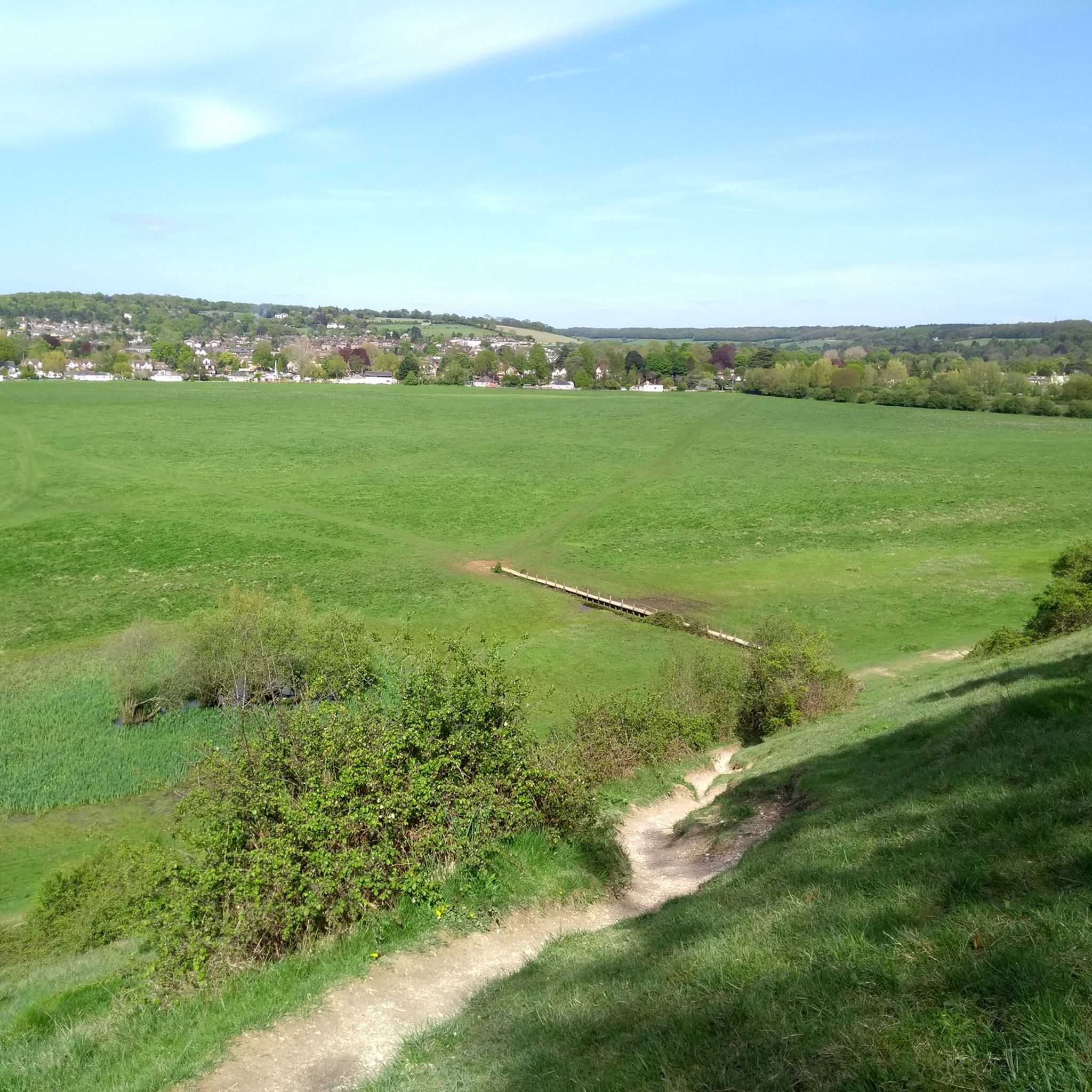
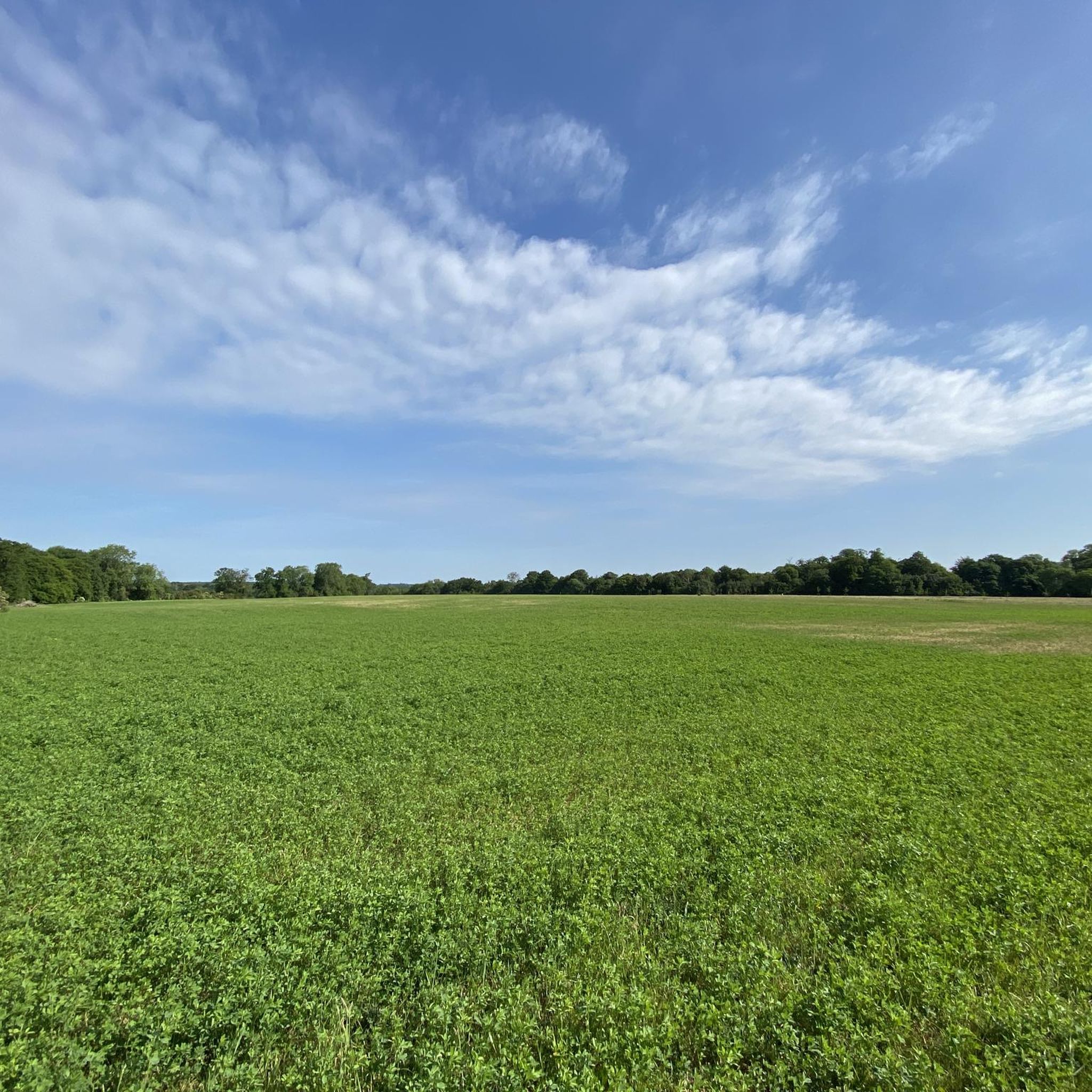
Pinkneys Green, originally part of the Royal Manor of Cookham, was sold off in 1818. In the 1920s, the Maidenhead and Cookham Commons Conservation Committee protected the land, which was later donated to the National Trust. Today, Pinkneys Green is mostly grassland managed by local farmers with areas of trees and thicket for wildlife, and its open meadows are filled with wildflowers during the summer.
1
0

its ok but muddy to get in and out of if you want to dip your feet during a hike
1
0

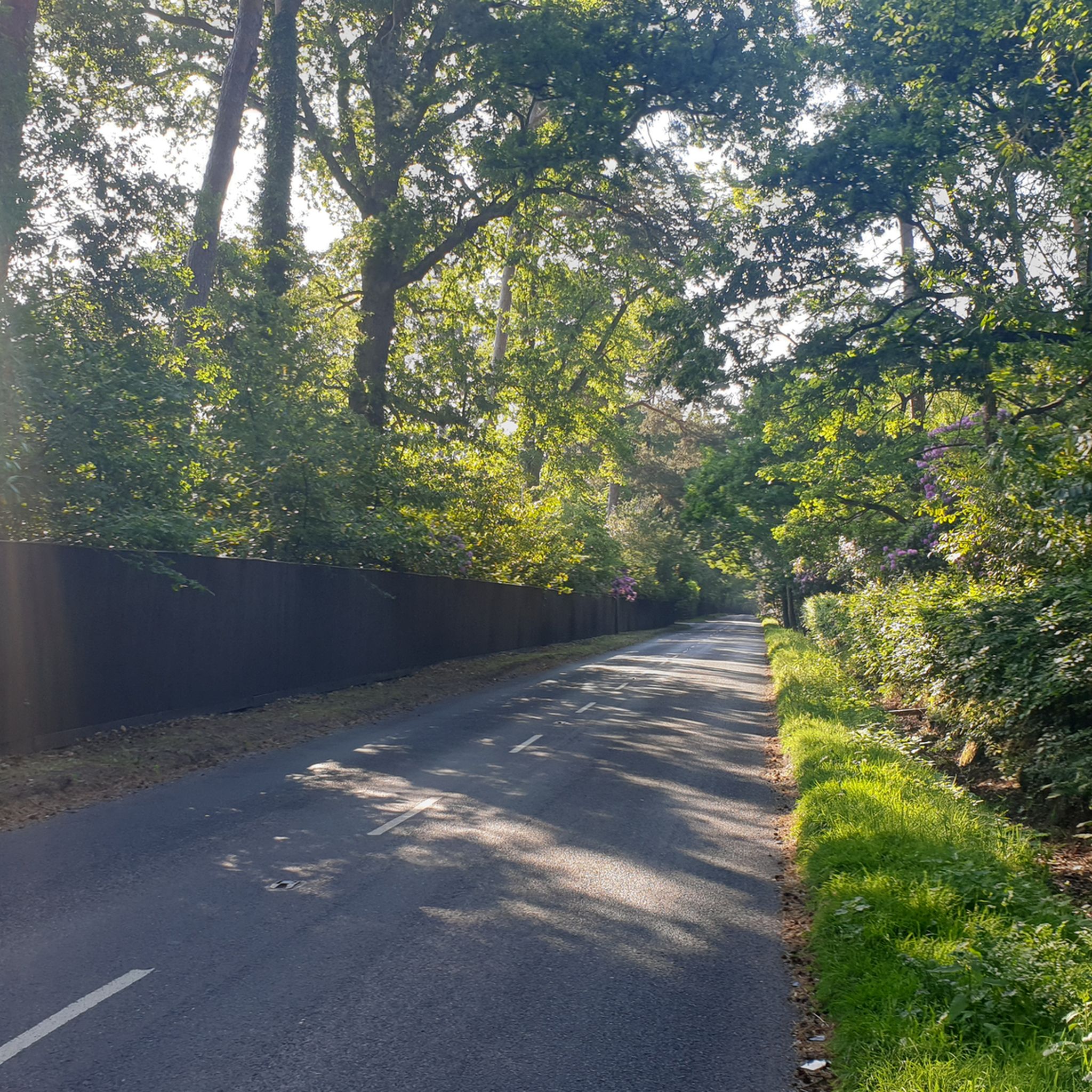
Burnham Beeches is a Site of Special Scientific Interest, National Nature Reserve, and Special Area of Conservation thanks to its ancient beech woodland and rich wildlife. More than sixty species of plants and animals that call the 927-acre (375 ha) site home are rare or under threat. The historic woodland is also home to relics of times gone by. Located in the southwest of the woodland, you can visit Seven Ways Plain hill fort which dates to the Late Bronze Age and Early Iron Age. Neighbouring film studios have used the Beeches as a shooting location in various productions such as Doctor Who, Harry Potter, Goldfinger, and Robin Hood Prince of Thieves.
0
0

Legend has it that whoever walks on these steps without falling will be blessed with eternal life.
2
0

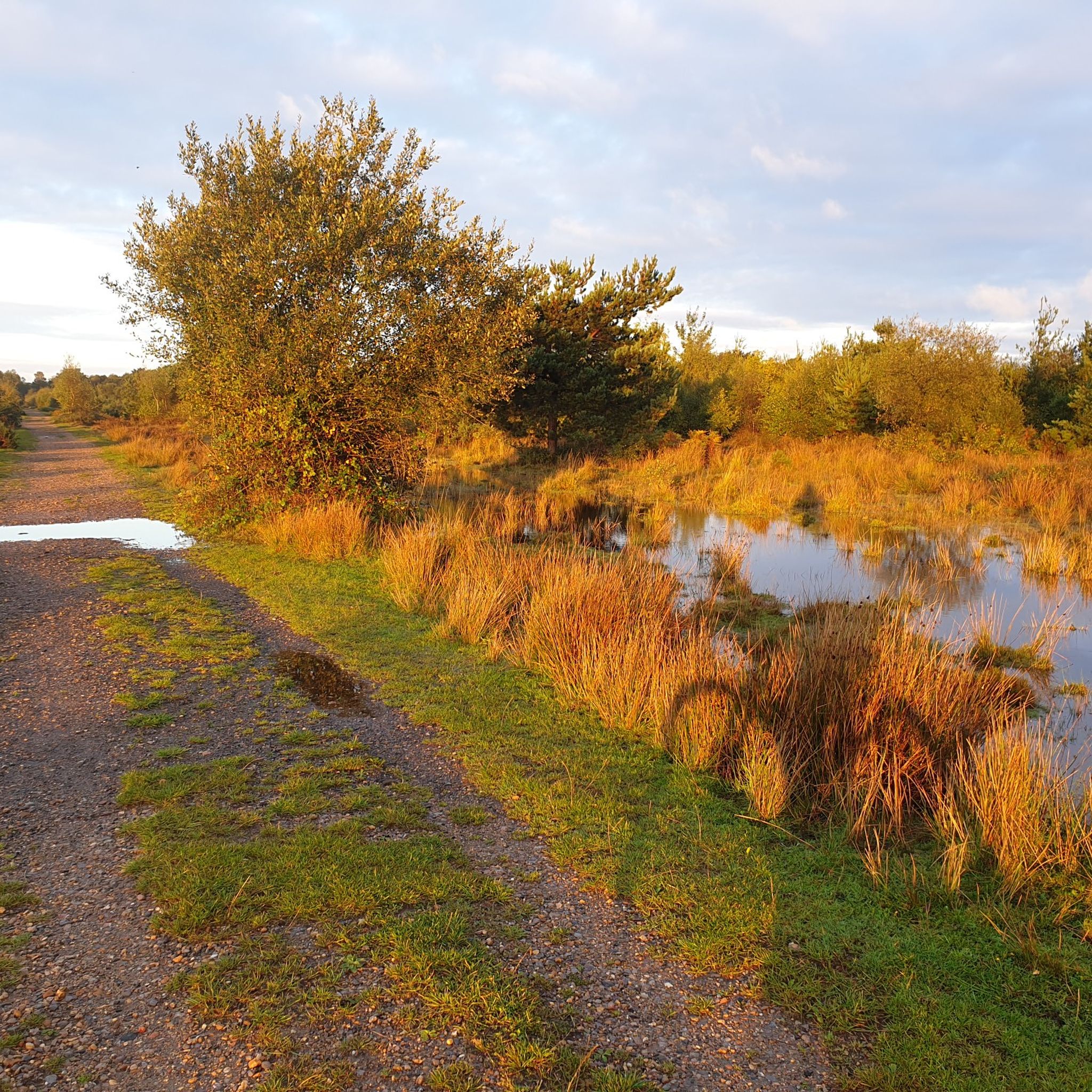
The Brick & Tile Works The Brick and Tile Works was established by Charles Cooper in the early 1800s, exploiting a local deposit of Reading Clay. At its peak, the Works employed about 150 people, and cottages were built in Golden Ball Lane for the skilled craftsmen. In 1950, the Cooper family sold the Works to the Maidenhead Brick and Tile Company, and the site eventually closed in 1967. In addition to bricks and tiles, the works produced gargoyles and pinnacles, many of which can be seen in the locality today. The National Trust acquired the site in 1989. The industrial activity left a legacy of lowland ponds, inhabited by an impressive range of aquatic invertebrate fauna, including several species of dragonfly. There are also three species of newt and a wide range of woodland birds and other aquatic or semi-aquatic plants and animals.
1
0
Frequently Asked Questions
What are the most popular natural monuments around Beaconsfield?
Visitors frequently enjoy Burnham Beeches, a significant ancient woodland and National Nature Reserve. Another popular spot is the Cock Marsh Wetland Walkway, known for its unique ecosystem and rare plant species. The River Chess Stepping Stones and Weir also offers a pleasant stop by the river.
Are there family-friendly natural monuments in the Beaconsfield area?
Yes, several natural monuments are suitable for families. Burnham Beeches is a great choice with its ancient woodlands and open spaces for exploration. The River Chess Stepping Stones and Weir provides a fun, interactive spot for children. Additionally, the Brick and Tile Works offers a blend of history and nature with its lowland ponds, and the Wildflower Meadows of Pinkneys Green are perfect for gentle walks and nature spotting.
What kind of wildlife can I expect to see at natural monuments near Beaconsfield?
The natural monuments around Beaconsfield are rich in wildlife. At Burnham Beeches, you might spot over sixty rare or threatened species, including various birds and insects. The Chiltern Hills, which encompass many of these sites, are known for red kites. Cock Marsh Wetland Walkway is important for breeding waders and overwintering birds, as well as diverse aquatic life. The lowland ponds at the Brick and Tile Works are home to various aquatic invertebrates, including dragonflies, and three species of newt.
Are there historical natural monuments to visit near Beaconsfield?
Absolutely. Burnham Beeches is not only a natural wonder but also a historical site, featuring relics like the Seven Ways Plain hill fort dating back to the Late Bronze and Early Iron Age. The Brick and Tile Works is another historical site, established in the early 1800s, now owned by the National Trust and featuring lowland ponds.
What are the best walking trails near Beaconsfield's natural monuments?
The region offers numerous walking opportunities. You can find a variety of routes, from easy to moderate, in the Chiltern Hills. For specific hiking trails around Beaconsfield, explore the options available in the Hiking around Beaconsfield guide, which includes routes like the Beaconsfield, Hogback Wood & Royal Standard of England loop.
Can I go cycling or mountain biking near these natural monuments?
Yes, the area around Beaconsfield is excellent for cycling and mountain biking. The Chiltern Hills AONB provides a scenic backdrop for these activities. You can discover various routes in the MTB Trails around Beaconsfield and Cycling around Beaconsfield guides. Options range from easy rides like the Cookham High Street loop to more challenging routes.
What is the best time of year to visit the natural monuments around Beaconsfield?
The natural monuments around Beaconsfield offer beauty throughout the year. Spring and summer are ideal for seeing wildflowers, especially at the Wildflower Meadows of Pinkneys Green and observing rare plant species at Cock Marsh Wetland Walkway. Autumn brings vibrant foliage to the ancient woodlands like Burnham Beeches, while winter offers peaceful, crisp walks.
Are there any natural monuments with viewpoints or scenic outlooks?
Yes, the Cock Marsh Wetland Walkway offers scenic views of the wetland meadows. More broadly, the Chiltern Hills, which surround Beaconsfield, feature elevated points like Coombe Hill, providing panoramic views of the rolling landscape.
What unique natural features can I find in the Beaconsfield area?
The area boasts several unique natural features. Burnham Beeches is renowned for its ancient pollarded beech trees, some over 700 years old. Cock Marsh Wetland Walkway is a Site of Special Scientific Interest due to its rare plant species and unique ecosystem where chalk grassland meets marshy meadows. The River Chess Stepping Stones and Weir offers a distinctive river feature.
Are there any natural monuments that are part of a larger protected area?
Yes, many of the natural monuments around Beaconsfield are situated within the Chiltern Hills Area of Outstanding Natural Beauty (AONB). This designation highlights the region's significant landscape and ecological value. Burnham Beeches is further protected as a National Nature Reserve and a Special Area of Conservation.
Where can I find information about the conservation efforts for these natural monuments?
Many of the natural monuments, such as Burnham Beeches and Cock Marsh Wetland Walkway, are managed by organizations like the City of London Corporation and the National Trust, respectively. You can find more detailed information about their conservation efforts on their official websites. For example, information about Burnham Beeches can be found at cityoflondon.gov.uk.
Most popular routes around Beaconsfield
Most popular attractions around Beaconsfield

Get inspired with the komoot mobile app


Explore more
Extend your search for the best caves by checking out these guides of the top ones around Beaconsfield:
