Top 4 Natural Monuments around Bidford On Avon
Best natural monuments around Bidford On Avon include diverse natural attractions and green spaces. The area is characterized by the River Avon, which shapes much of its landscape and offers opportunities for riverside walks. Surrounding woodlands and meadows contribute to the region's ecological value and provide recreational opportunities. These sites offer a range of natural environments for exploration.
Best natural monuments around Bidford On Avon
- The most popular natural monuments is Welcombe Hills & Clopton Park, a natural monument…
Last updated: June 29, 2026
Welcombe Hills & Clopton Park
Highlight • Natural Monument
Tip by

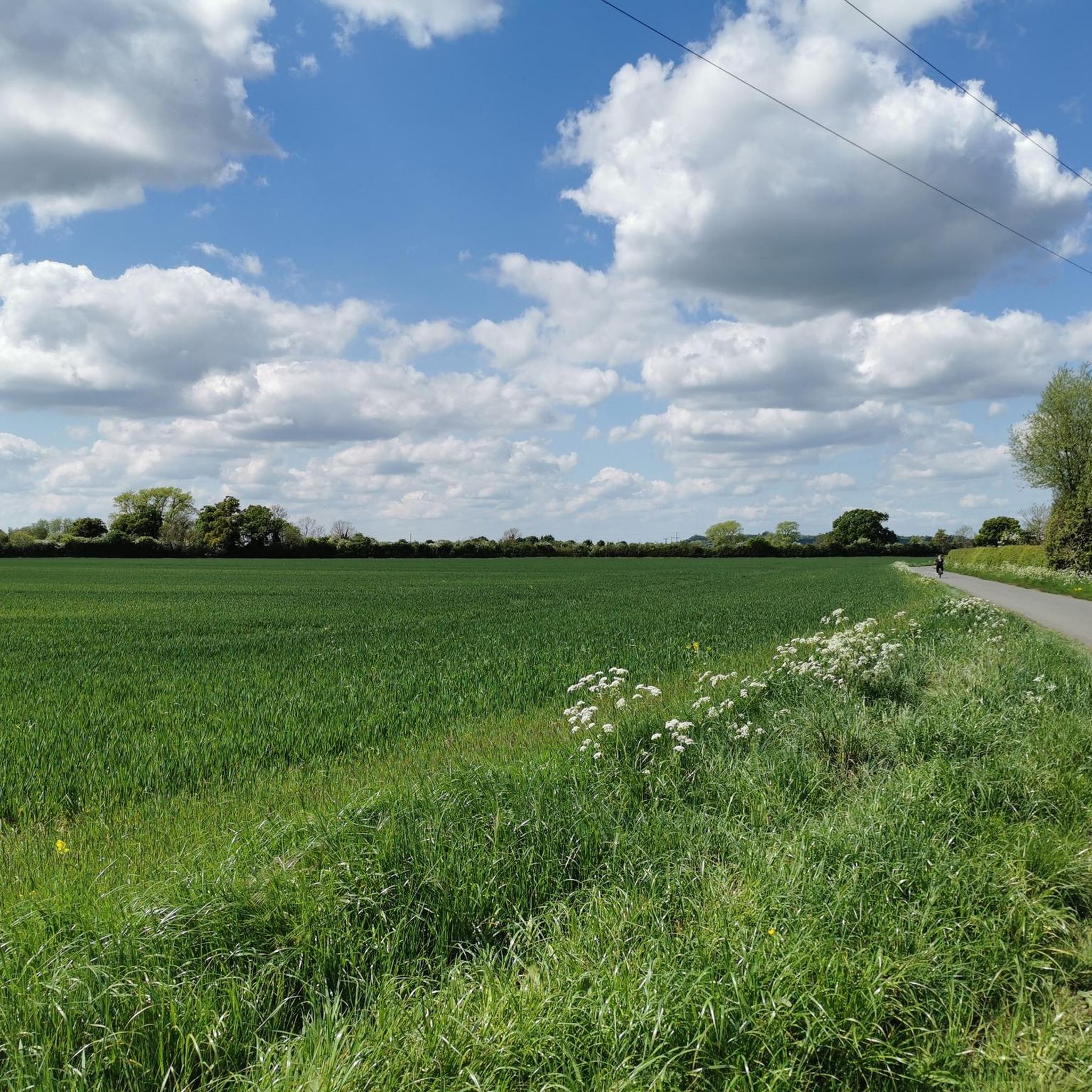
Solitary tree at Hidcote Bartrim
Highlight • Natural Monument
Tip by

Sign up now to discover places like this
Get recommendations on the best single tracks, peaks, & plenty of other exciting outdoor places.
Sign up for free
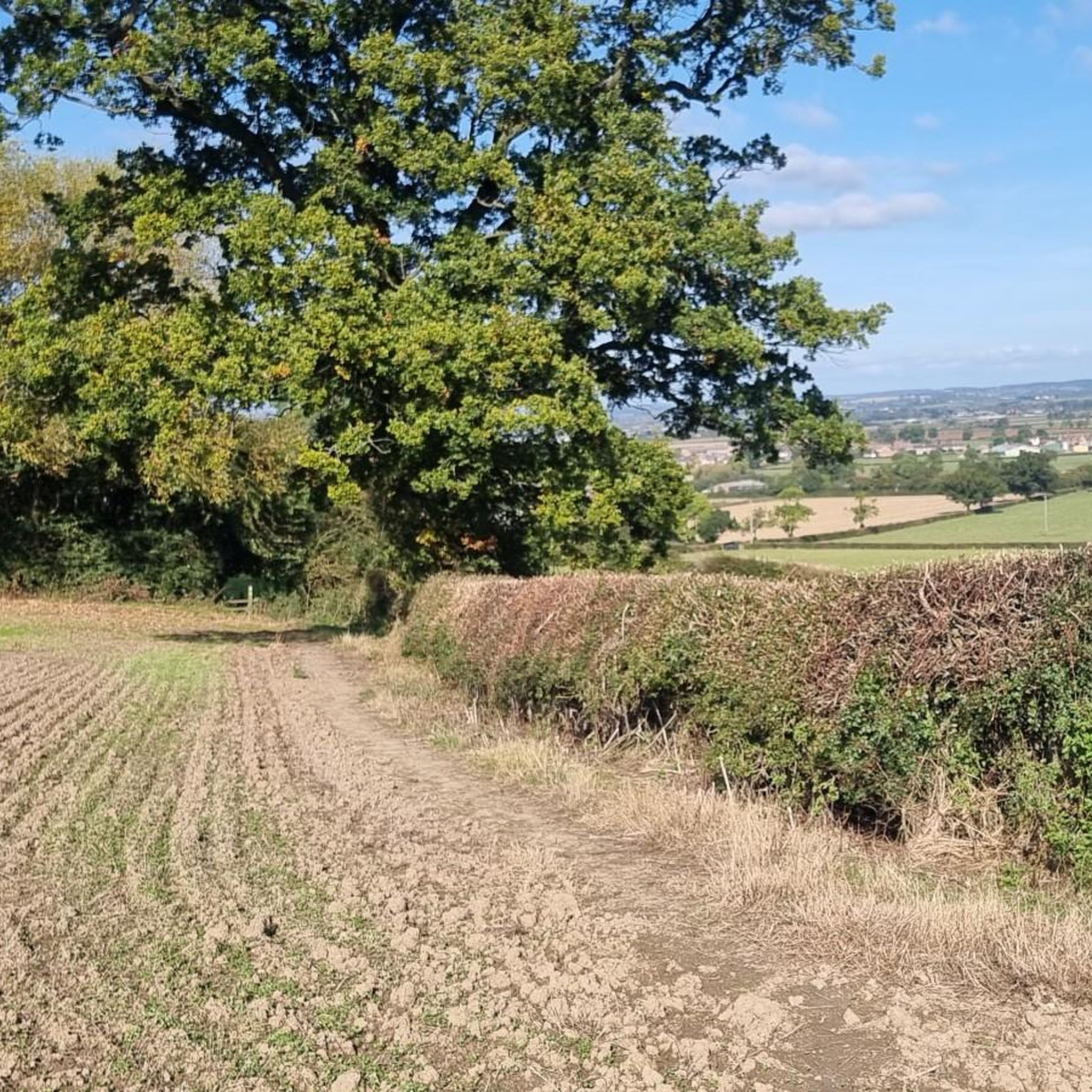
Large Tree in the Fields Near Edge Hill
Highlight • Natural
Tip by

Morton Hall Tulip Festival
Highlight • Natural Monument
Tip by
Start today with a free account
Your next adventure awaits.
Login or Signup
Popular around Bidford On Avon

Other adventures around Bidford On Avon

Tips from the Community

wildlife can be spotted in these fields if you are quiet and patient enough, you can catch a baby deer hopping around
0
0

In spring 2022 Morton Hall Gardens opens its gates to visitors for its annual Tulip Festival, with all ticket sales supporting costume-making at the RSC. More than 100 tulip varieties can be admired in borders, pots and three cut flower marquees, revealing the magic and splendour of the queen of the spring flowers. Bloms Bulbs, winner of 68 Chelsea Gold medals, supply the bulbs and will be on site with expert advice on your favourite choices. History of Tulips The tulip’s conquest of western Europe began in the Netherlands: In the mid-16th century, travellers brought back bulbs from the Ottoman Empire. The Turks had been cultivating tulips as early as 1000 AD and adopted them as an emblem of the court. The correct name for tulips is the Persian word ‘lale’, but there was a confusion with the Persian and Turkish words for ‘turban’. This is how the misnomer was created and adhered to ever since. In the Dutch Golden age, tulips caused the first major financial bubble. They became the ultimate status symbol. During ‘Tulipmania’, which lasted from 1634 to 1637, just one bulb of a desirable tulip could fetch the same price as a house in the best quarter of Amsterdam. In England, tulips were introduced in the 1630s, which is probably why they don’t feature in Shakespeare’s works. Nowadays, tulips are widely available and affordable. However, they have not lost their magical pull. Tulip festivals are celebrated in many countries. The Netherlands, where tulips are bred and sold in billions, host the most important and well-known. However, if you visit Istanbul in April and early May, you will find that more than 20 million tulips have been planted throughout the city for the ‘Lale’ Festival. This tradition goes back to the late 17th to mid-18th century, which was the height of tulip popularity in the Ottoman Empire, as can still be seen in the ceramic decorations of many palaces. What is tulip magic? I like to compare it to a carnival or New Year’s fireworks. There is a joyful, limitless riot of colour and shapes. All is allowed: the boldest and most outrageous combinations and wild pageants of pattern. It is the ultimate victory over the bleakness of winter. But tulip festivals are more than celebrations of winter’s end. They are also a great opportunity to see hundreds of different varieties ‘in the flesh’. Beyond colour and shape, there are scent, texture and habit. It can be startling how varieties that look very similar on a catalogue page will appear very diverse when planted next to each other. An ideal opportunity to find the tulip you have been looking for!
0
0
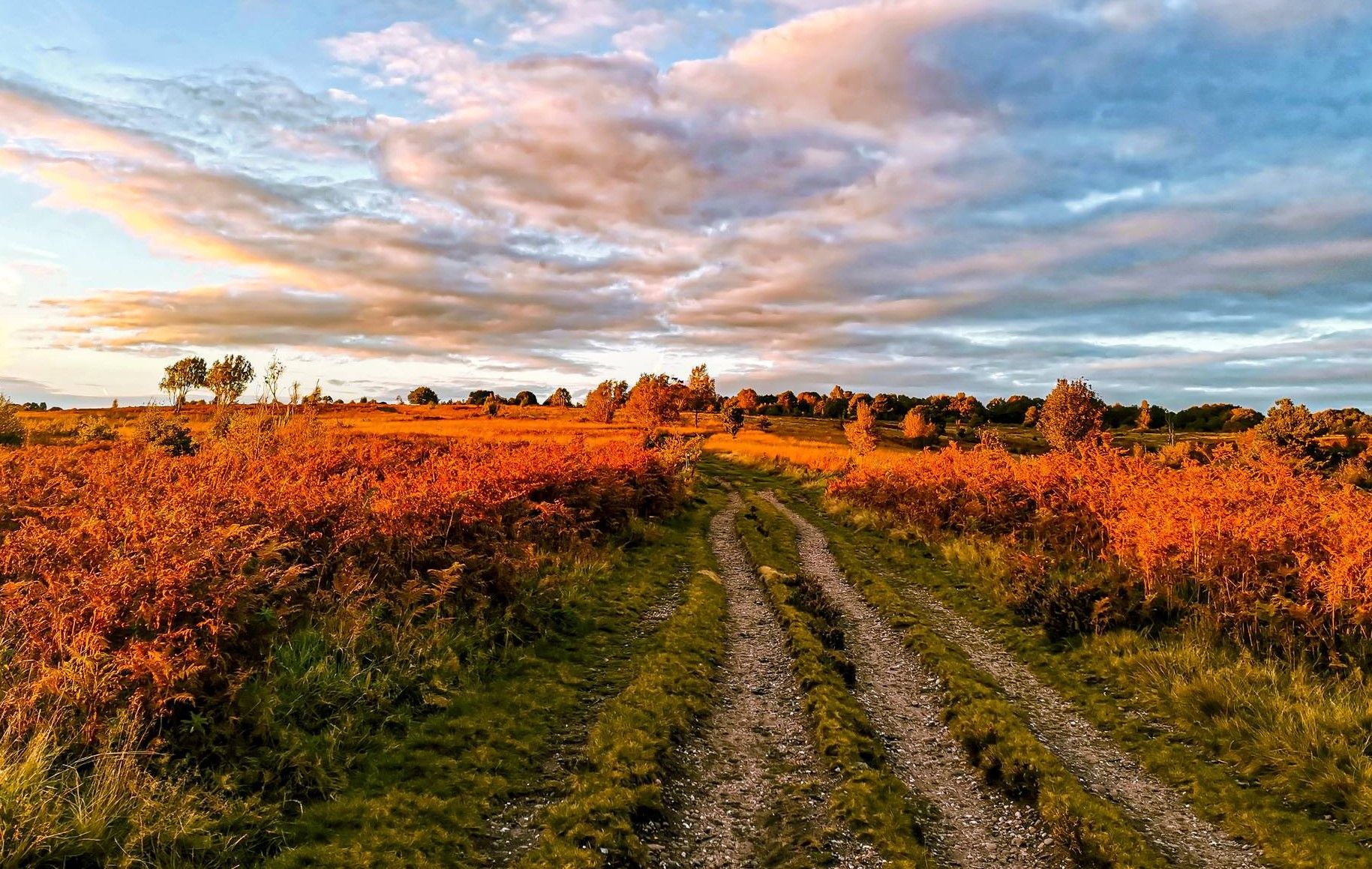
The Welcombe Hills and Clopton Park offer delightful walks through grassland and woodland. Woolly thistle, quaking-grass and the diminutive adder’s-tongue grow in the grasslands where ant hills created by yellow meadow ants are a distinctive feature. The woodland contains oak, horse-chestnut and beech with English elm. Birds are plentiful, with great spotted woodpecker, sparrowhawk, little owl, treecreeper and finches enjoying the woodland where ravens breed in spring. Brimstone butterflies are numerous in the spring sunshine. History of the Welcombe Hills: a Shakespearean tale The reserve may have got its name from a historic well found here with its inscription 'SJC 1686'. Margaret, daughter of William Clopton who died in 1592 supposedly drowned here. It was around this time that Shakespeare was writing his famous play, Hamlet, and its believed that this tragic event provided the inspiration for his 'Ophelia' and her lonely death.
0
0


Particularly picturesque tree in the middle of a blooming rapeseed field.
1
0
Frequently Asked Questions
What are some popular natural monuments to visit around Bidford On Avon?
The area features several notable natural sites. You can explore Welcombe Hills & Clopton Park, which offers walks through diverse grasslands and woodlands. Another picturesque spot is the Solitary tree at Hidcote Bartrim, often seen amidst blooming rapeseed fields. For a vibrant spring experience, the Morton Hall Tulip Festival showcases over 100 tulip varieties.
What natural features define the Bidford On Avon area?
Bidford-on-Avon is largely shaped by the River Avon, which provides opportunities for riverside walks and wildlife observation. The region also boasts expansive green spaces like Big Meadow, and woodlands such as Colletts Wood, which is part of the larger Heart of England Forest project. These areas offer a mix of meadows, forests, and riverine landscapes.
Are there family-friendly natural attractions in Bidford On Avon?
Yes, several natural spots are great for families. Big Meadow, located alongside the River Avon, is a 26-acre recreational park with a playground, outdoor gym, trim trail, and skate park. Welcombe Hills & Clopton Park and Solitary tree at Hidcote Bartrim are also listed as family-friendly, offering pleasant walks and scenic views. The Morton Hall Tulip Festival is a colorful event that families can enjoy in spring.
What outdoor activities can I do near these natural monuments?
The area around Bidford On Avon offers various outdoor activities. You can find numerous hiking trails, including routes through Colletts Wood and along the River Avon. For those who enjoy running, there are several running trails, such as the Bidford Bridge loop. Road cycling enthusiasts can explore road cycling routes that take you through the scenic countryside.
Are there accessible trails for all abilities in the natural areas?
Colletts Wood and Pond, part of the Heart of England Forest, features well-maintained woodlands with a network of footpaths, making it accessible for walkers. Big Meadow also offers expansive, flat areas suitable for leisurely strolls. While specific accessibility details vary, many of the riverside paths and meadow areas are generally easy to navigate.
Where can I find parking near natural monuments in Bidford On Avon?
Parking is available at Big Meadow, though charges may apply during peak seasons. For other natural sites, it's advisable to check local signage or specific venue information. Many trails and natural areas around Bidford On Avon can be accessed from various points within the village or nearby hamlets.
What is the best time of year to visit the natural monuments around Bidford On Avon?
Spring and summer are ideal for enjoying the lush greenery and outdoor activities. The Morton Hall Tulip Festival is a highlight in spring. Autumn offers beautiful foliage, especially in wooded areas like Colletts Wood. The River Avon and its surrounding meadows are pleasant year-round for walks, weather permitting.
Can I spot wildlife in the natural areas of Bidford On Avon?
Yes, wildlife spotting is possible. In Welcombe Hills & Clopton Park, you might see various bird species like great spotted woodpeckers, sparrowhawks, and finches, along with brimstone butterflies in spring. The fields near the Large Tree in the Fields Near Edge Hill are known for deer sightings if you are quiet and patient. The River Avon also supports diverse aquatic and riverside wildlife.
What historical connections do these natural sites have?
Many natural sites in the area have historical ties. Welcombe Hills & Clopton Park has a rich history, with tales linking it to Shakespeare's Hamlet. The River Avon itself is historically significant, crossed by the Grade I listed Bidford Bridge. The Morton Hall Tulip Festival also delves into the history of tulips, including their cultural significance and the 'Tulipmania' of the Dutch Golden Age.
Are there any unique natural places or 'hidden gems' to discover?
Beyond the well-known spots, the Solitary tree at Hidcote Bartrim offers a unique, picturesque scene, especially when surrounded by blooming rapeseed fields. The Large Tree in the Fields Near Edge Hill is another striking natural feature that provides a quiet spot for reflection and wildlife observation. Exploring the extensive network of paths within the Heart of England Forest, such as those in Colletts Wood, can also lead to peaceful, less-traveled areas.
Can I go wild swimming in the River Avon near Bidford On Avon?
The River Avon is a prominent natural feature, and specific spots along the river, such as Marlcliff, are known for wild swimming in its wide, slow-moving bends. It offers an opportunity to immerse yourself in nature. Always exercise caution and be aware of local conditions and safety guidelines when considering wild swimming.
What is the Heart of England Forest, and how does it relate to Bidford On Avon?
The Heart of England Forest is an ambitious project transforming large areas into diverse woodlands, significantly contributing to the natural landscape around Bidford-on-Avon. While not a single monument, it offers extensive opportunities for walking, cycling, and wildlife observation. Colletts Wood and Pond is an example of an accessible area within this developing forest, providing valuable natural habitats and peaceful escapes.
Most popular routes around Bidford On Avon
Most popular attractions around Bidford On Avon

Get inspired with the komoot mobile app


Explore more
Extend your search for the best caves by checking out these guides of the top ones around Bidford On Avon:
