Clifford Chambers and Milcote CP
Clifford Chambers and Milcote CP
Top 7 Natural Monuments around Clifford Chambers and Milcote CP
Best natural monuments around Clifford Chambers and Milcote CP are found in a quaint area within the Stratford-on-Avon district of Warwickshire. The landscape features woodlands, open fields, and meadows, with the Rivers Stour and Avon contributing to its picturesque setting. This rural English setting offers a glimpse into diverse natural features, including Sites of Special Scientific Interest and local nature reserves. The area provides opportunities to explore various natural attractions and local natural heritage.
Best natural monuments around Clifford Chambers…
Last updated: June 29, 2026
Charlecote Park
Highlight • Historical Site
Tip by

Welcombe Hills & Clopton Park
Highlight • Natural Monument
Tip by
Sign up now to discover places like this
Get recommendations on the best single tracks, peaks, & plenty of other exciting outdoor places.
Sign up for free
Ebrington Hill Summit
Highlight • Natural Monument
Tip by

Solitary tree at Hidcote Bartrim
Highlight • Natural Monument
Tip by

Lobbington Hall Farm Meadow Site of Special Scientific Interest
Highlight • Natural
Tip by
Sign up for free to discover even more natural monuments around Clifford Chambers and Milcote CP.
Sign up for free
Already have an account?
Start today with a free account
Your next adventure awaits.
Login or Signup
Popular around Clifford Chambers and Milcote CP
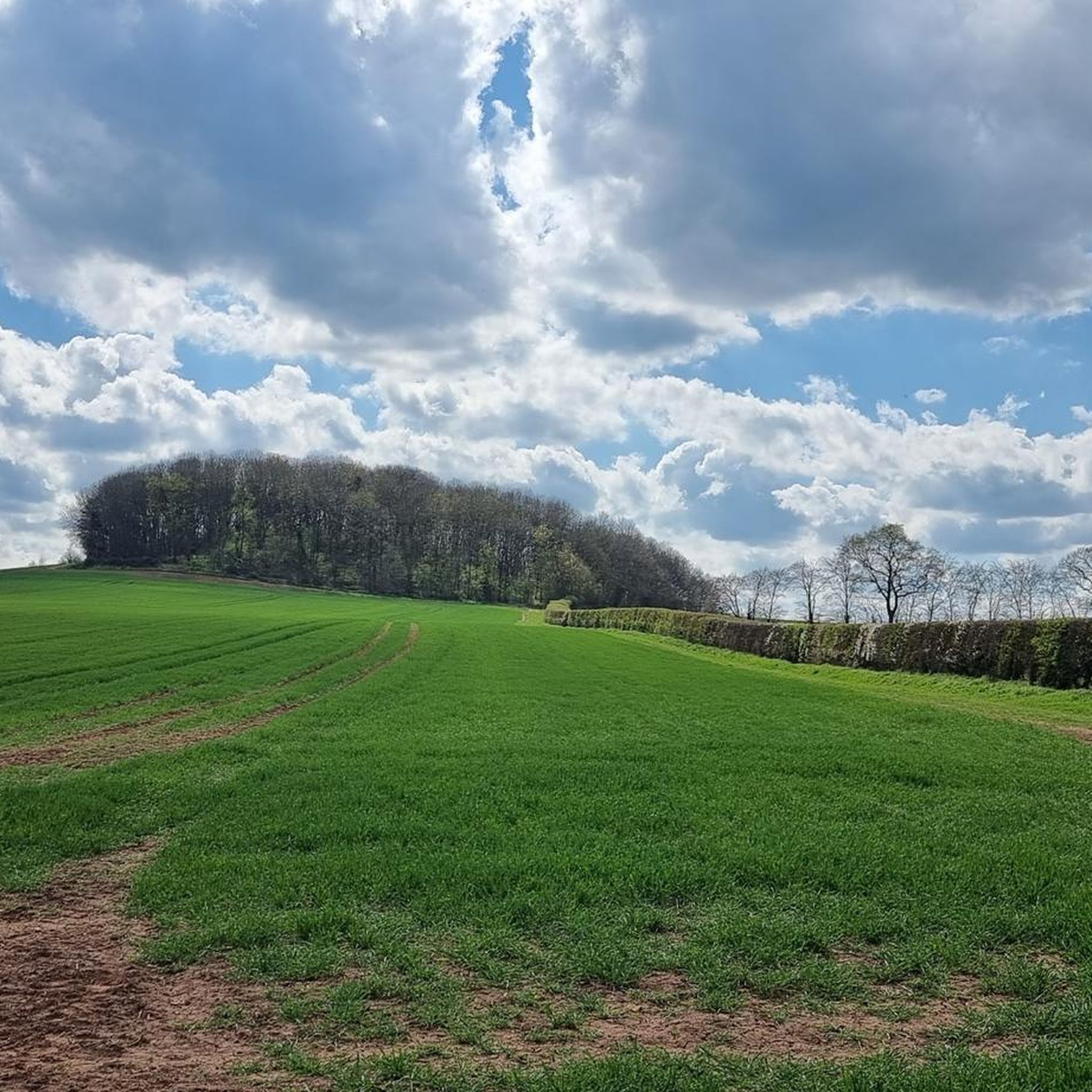
Road Cycling Routes around Clifford Chambers and Milcote CP
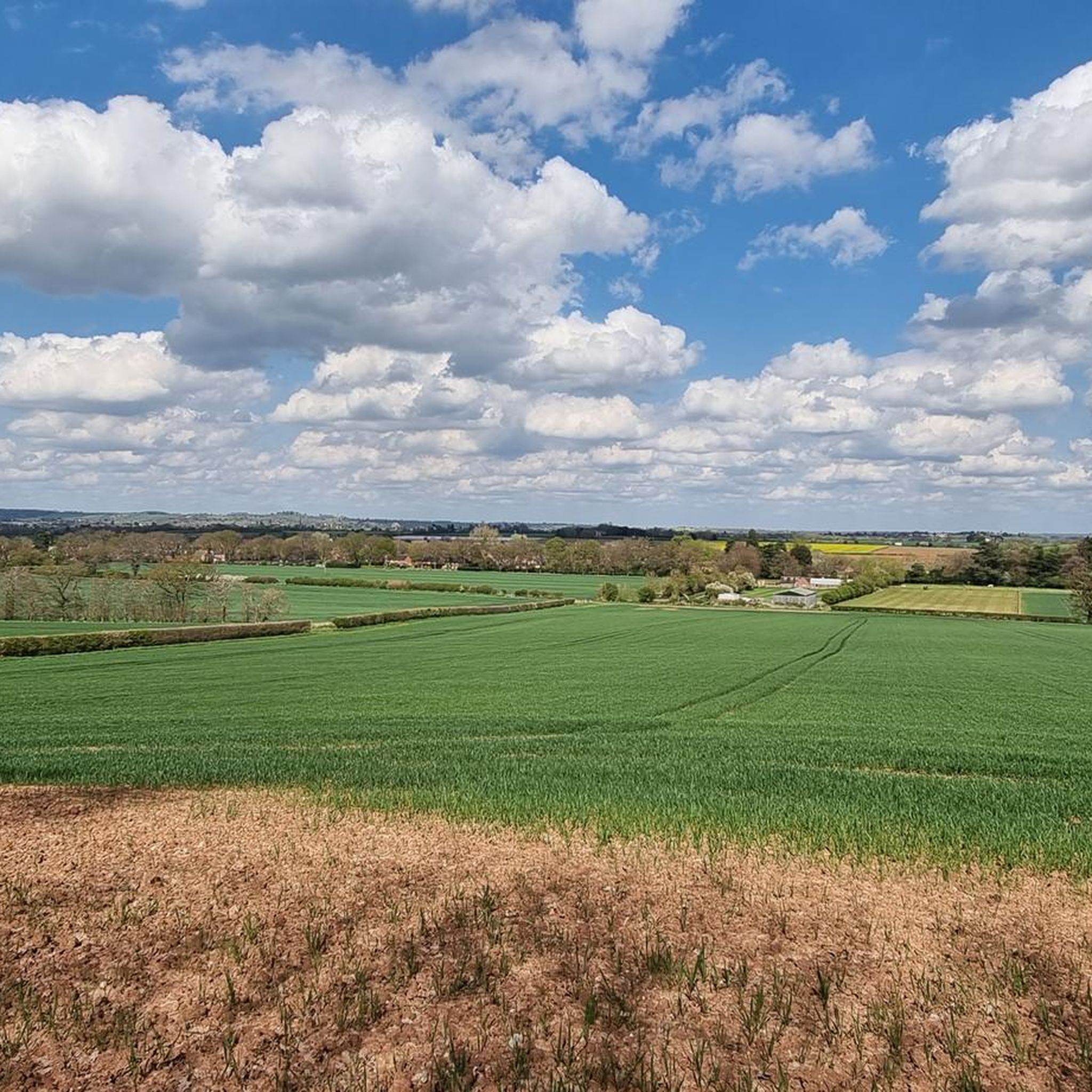
Cycling around Clifford Chambers and Milcote CP
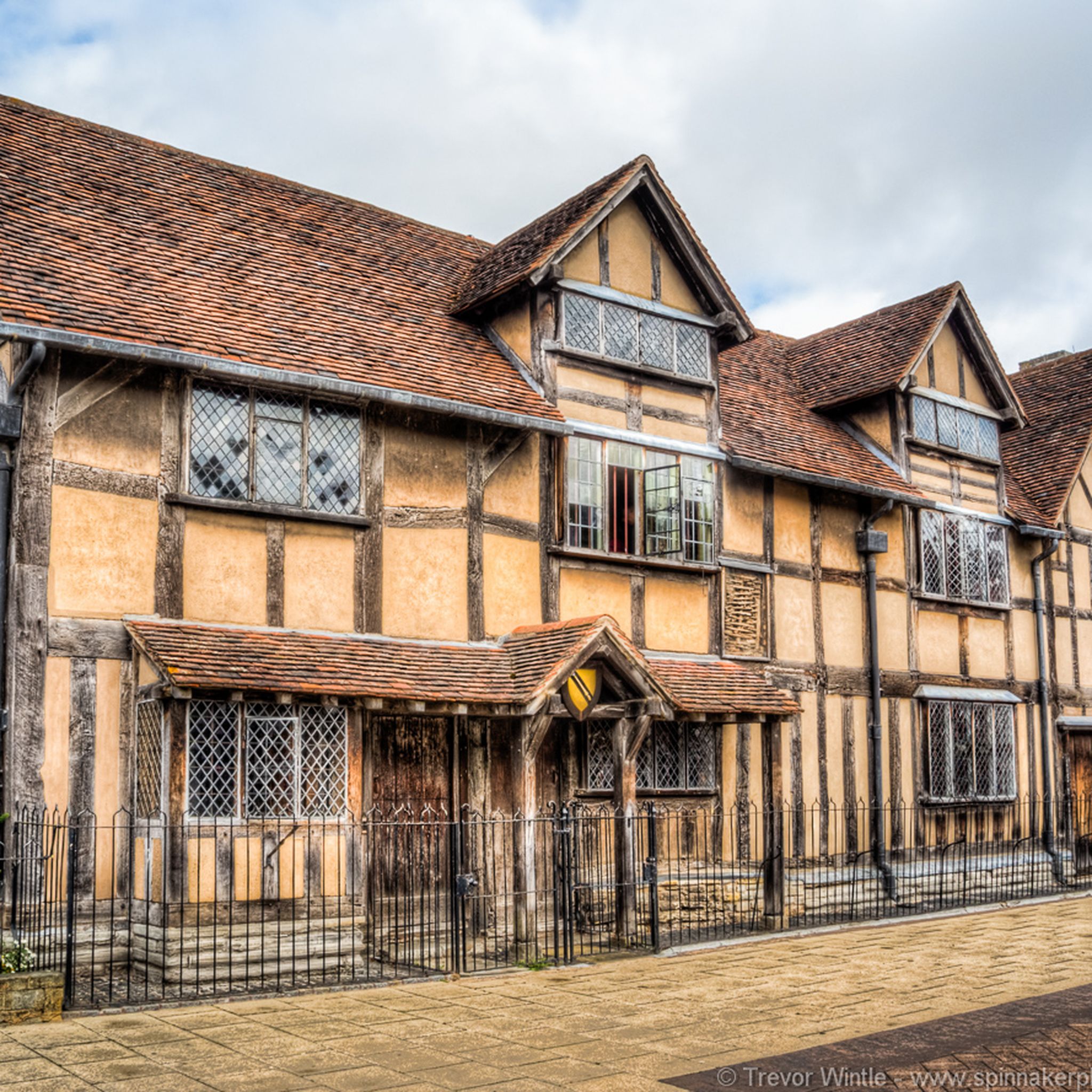
Hiking around Clifford Chambers and Milcote CP
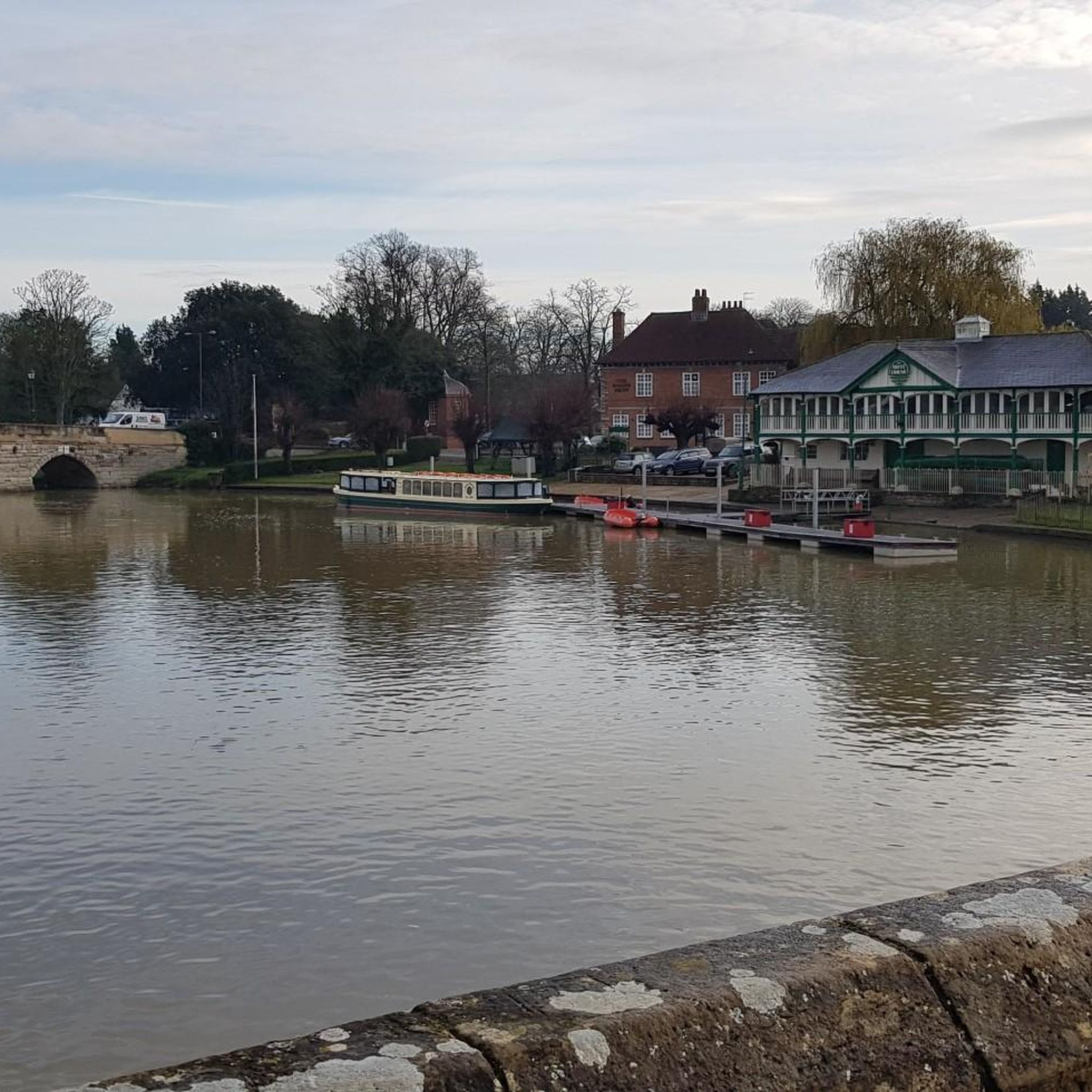
Running Trails around Clifford Chambers and Milcote CP
MTB Trails around Clifford Chambers and Milcote CP

Gravel biking around Clifford Chambers and Milcote CP
Tips from the Community

The Welcombe Hills and Clopton Park offer delightful walks through grassland and woodland. Woolly thistle, quaking-grass and the diminutive adder’s-tongue grow in the grasslands where ant hills created by yellow meadow ants are a distinctive feature. The woodland contains oak, horse-chestnut and beech with English elm. Birds are plentiful, with great spotted woodpecker, sparrowhawk, little owl, treecreeper and finches enjoying the woodland where ravens breed in spring. Brimstone butterflies are numerous in the spring sunshine. History of the Welcombe Hills: a Shakespearean tale The reserve may have got its name from a historic well found here with its inscription 'SJC 1686'. Margaret, daughter of William Clopton who died in 1592 supposedly drowned here. It was around this time that Shakespeare was writing his famous play, Hamlet, and its believed that this tragic event provided the inspiration for his 'Ophelia' and her lonely death.
0
0


Standing at 856 feet (261 m), Ebrington Hill is the highest point in Warwickshire. From the summit, you can see Birmingham’s skyline to the north and the grand ridge of the Malvern Hills to the west. The hill is topped with radio masts and pleasant crop fields.
2
0
Lobbington Meadow is an unimproved species-rich hay meadow which faces north east on the banks of the River Dene and exhibits ridge and furrow topography. The meadow overlies Lias clays and shales which have given rise to a calcareous soil. This is reflected in the herb-rich vegetation which is the lady’s bedstraw Galium verum variant of the crested dog’s-tail Cynosurus cristatus-common knapweed Centaurea nigra grassland. This grassland type was once widespread and common in some parts of Britain, particularly the Midlands, but due to agricultural improvement it has declined severely during the twentieth century. In several counties in the East Midlands it has almost disappeared and in Warwickshire very few sites are known. The meadow has an exceptionally herb-rich tight sward and the density of herbs is very striking. Among the wide range of grass species present, characteristically none appear dominant. The most abundant species are crested dog’s-tail, red fescue Festuca rubra, common bent Agrostis capillaris and sweet vernal grass Anthoxanthum odoratum. Yellow oat-grass Trisetum flavescens, quaking grass Briza media and meadow barley Hordeum secalinum are also frequent. Herbs characteristic of this type of grassland and found in abundance in this meadow include common knapweed and lady’s bedstraw and locally abundant, spiny restharrow Ononis spinosa, salad burnet Sanguisorba minor and pepper saxifrage Silaum silaus. Cowslips Primula veris are frequent and dwarf thistle Cirsium acaulon, is occasional. County rarities present m the meadow include dropwort Filipendula vulgaris and green-winged orchid Orchis morio. 4.68 ha Site of Special Scientific Interest (SSSI)
0
0
The Lucy family owned the land since 1247. Charlecote Park was built in 1558 by Sir Thomas Lucy, and Queen Elizabeth I stayed in the room that is now the drawing room. Although the general outline of the Elizabethan house remains, nowadays it is in fact mostly Victorian. Successive generations of the Lucy family had modified Charlecote Park over the centuries, but in 1823, George Hammond Lucy (High Sheriff of Warwickshire in 1831) inherited the house and set about recreating the house in its original style. Charlecote Park covers 185 acres (75 ha), backing on to the River Avon. William Shakespeare has been alleged to have poached rabbits and deer in the park as a young man and been brought before magistrates as a result. From 1605 to 1640 the house was organised by Sir Thomas Lucy. He had twelve children with Lady Alice Lucy who ran the house after he died. She was known for her piety and distributing alms to the poor each Christmas. Her eldest three sons inherited the house in turn and it then fell to her grandchild Sir Davenport Lucy. In the Tudor great hall, the 1680 painting Charlecote Park by Sir Godfrey Kneller, is said to be one of the earliest depictions of a black presence in the West Midlands (excluding Roman legionnaires). The painting, of Captain Thomas Lucy, shows a black boy in the background dressed in a blue livery coat and red stockings and wearing a gleaming, metal collar around his neck. The National Trust's Charlecote brochure describes the boy as a "black page boy". In 1735 a black child called Philip Lucy was baptised at Charlecote. The lands immediately adjoining the house were further landscaped by Capability Brown in about 1760. This resulted in Charlecote becoming a hostelry destination for notable tourists to Stratford from the late 17th to mid-18th century, including Washington Irving (1818), Sir Walter Scott (1828) and Nathaniel Hawthorn (c 1850). Charlecote was inherited in 1823 by George Hammond Lucy (d 1845), who married Mary Elizabeth Williams of Bodelwyddan Castle, from whose extensive diaries the current "behind the scenes of Victorian Charlecote" are based upon. GH Lucy's second son Henry inherited the estate from his elder brother in 1847. After the deaths of both Mary Elizabeth and Henry in 1890, the house was rented out by Henry's eldest daughter and heiress, Ada Christina (d 1943). She had married Sir Henry Ramsay-Fairfax, (d 1944), a line of the Fairfax Baronets, who on marriage assumed the name Fairfax-Lucy. From this point onwards, the family began selling off parts of the outlying estate to fund their extensive lifestyle, and post-World War II in 1946, Sir Montgomerie Fairfax-Lucy, who had inherited the residual estate from his mother Ada, presented Charlecote to the National Trust in-lieu of death duties. Sir Montgomerie was succeeded in 1965 by his brother, Sir Brian, whose wife, Lady Alice, researched the history of Charlecote, and assisted the National Trust with the restoration of the house.
1
0
Frequently Asked Questions
What are the most popular natural monuments around Clifford Chambers and Milcote CP?
Visitors frequently enjoy Charlecote Park, known for its 185 acres of landscaped grounds and deer park. Another favorite is Ebrington Hill Summit, which offers panoramic views as the highest point in Warwickshire. Welcombe Hills & Clopton Park is also highly rated for its peaceful grassland and woodland walks.
What natural features can I explore in the Clifford Chambers and Milcote CP area?
The area is rich in diverse natural features. You can find woodlands, open fields, and meadows, with the Rivers Stour and Avon contributing to a picturesque setting. Notable features include the rare flood meadow and species-rich grassland at Racecourse Meadow SSSI, and the unique geological formations at Ailstone Old Gravel Pit SSSI. The winding course of the River Stour also provides tranquil riverside walks.
Are there family-friendly natural monuments around Clifford Chambers and Milcote CP?
Yes, several natural monuments are suitable for families. Charlecote Park offers expansive grounds for exploration. Welcombe Hills & Clopton Park provides delightful walks through grassland and woodland. Additionally, the Stratford-upon-Avon Local Nature Reserve, located nearby, features circular walks with bridges suitable for all ages, offering opportunities to spot wildlife.
What outdoor activities can I do near these natural monuments?
The region offers a variety of outdoor activities. You can enjoy easy hikes, such as the 'View of Alscot Park Mansion loop' or the 'Stratford Greenway – Stratford Racecourse loop'. For cyclists, there are options for gravel biking, including the 'Stratford Greenway – Milcote Carriage Café loop', and road cycling routes like the 'Charlecote Park – Moreton Paddox Fields loop'. You can find more details on these activities in the easy hikes, gravel biking, and road cycling guides for the area.
What kind of wildlife can I expect to see?
The diverse habitats around Clifford Chambers and Milcote CP support a variety of wildlife. At the Stratford-upon-Avon Local Nature Reserve, you might spot deer, damselflies, kingfishers, otters, and various wildflowers and butterflies. Welcombe Hills & Clopton Park is home to birds like great spotted woodpeckers, sparrowhawks, little owls, and ravens, with numerous brimstone butterflies in spring. The River Stour also contributes to the local fauna.
Are there any natural monuments with historical significance?
Yes, Charlecote Park is a prime example, combining natural beauty with a rich history. The park, owned by the Lucy family since 1247, features a grand Elizabethan house and is famously associated with William Shakespeare. Welcombe Hills & Clopton Park also has historical intrigue, with a local legend suggesting it inspired a scene in Shakespeare's *Hamlet*.
What is the best time to visit the natural monuments in this region?
Spring and summer are generally ideal for visiting, as the wildflowers are in bloom, and wildlife is more active. For instance, brimstone butterflies are numerous in Welcombe Hills & Clopton Park during spring. The pleasant weather also makes riverside walks along the River Stour and exploring the various nature reserves more enjoyable. Autumn offers beautiful foliage, while winter can provide peaceful, crisp walks, though some facilities might have reduced hours.
Where can I find picturesque views or viewpoints?
For impressive vistas, head to Ebrington Hill Summit, the highest point in Warwickshire, offering views of Birmingham’s skyline and the Malvern Hills. Welcombe Hills & Clopton Park also boasts stunning views from its highest points, including a Victorian obelisk. Additionally, the Solitary tree at Hidcote Bartrim provides a picturesque scene, especially when surrounded by blooming rapeseed fields.
Are there any unique natural areas of scientific interest nearby?
Yes, the region is home to two Sites of Special Scientific Interest (SSSIs) less than a kilometer from Clifford Chambers and Milcote CP. Racecourse Meadow SSSI is noted for its rare flood meadow and species-rich natural grassland, hosting uncommon plants like meadow foxtail and great burnet. Ailstone Old Gravel Pit SSSI is of significant geological interest, showcasing sands and gravels with an important Pleistocene interglacial molluscan fauna, offering insights into ancient climates.
Can I find gardens or cultivated natural spaces?
Absolutely. Hidcote Manor Garden is a renowned Arts and Crafts-inspired garden, famous for its intricate 'rooms' filled with color and vibrancy. It's an influential garden created by Major Lawrence Johnston and is now cared for by the National Trust.
What are the walking conditions like around the natural monuments?
Walking conditions vary. Many areas, like the Stratford-upon-Avon Local Nature Reserve, offer circular walks with bridges suitable for all. Welcombe Hills & Clopton Park provides peaceful woodland and grassland walks, with opportunities for more vigorous hikes to its higher points. Riverside paths along the River Stour are generally tranquil. Some routes, like those leading to Ebrington Hill Summit, can be steep but are rewarding.
Are there any specific plant species of note in the area?
Yes, the region is home to several interesting plant species. Racecourse Meadow SSSI is known for rare plants such as meadow foxtail and great burnet. In Welcombe Hills & Clopton Park, you can find woolly thistle, quaking-grass, and the diminutive adder’s-tongue in the grasslands. The woodlands there feature oak, horse-chestnut, beech, and English elm.
Most popular routes around Clifford Chambers and Milcote CP
Most popular attractions around Clifford Chambers and Milcote CP

Get inspired with the komoot mobile app


Explore more
Extend your search for the best caves by checking out these guides of the top ones around Clifford Chambers and Milcote CP:
