Top 9 Natural Monuments around Hunningham
Best natural monuments around Hunningham showcase the diverse natural landscapes of Warwickshire, England. The region features traditional hay meadows, river valleys, and significant geological formations. These sites provide opportunities to observe local wildlife and appreciate varied flora.
Best natural monuments around Hunningham
- The most popular natural monuments is Draycote Water, a lake that functions as an artificial reservoir and leisure park. It is a site for anglers, sailors, and hikers, known for its rich bird life.
- Another must-see spot…
Last updated: May 1, 2026
Draycote Water
Highlight • Lake
Translated by Google •
Tip by

Sand Martin Nesting Wall, Ryton Pools Country Park
Highlight • Natural
Tip by

Sign up now to discover places like this
Get recommendations on the best single tracks, peaks, & plenty of other exciting outdoor places.
Sign up for free
Kenilworth Sandstone Railway Cutting
Highlight • Natural
Warwickshire Museum. Situated at the eastern end of the Kenilworth Greenway, the cycle and pedestrian path that runs south-east of the new …
Tip by
Holy Well, Southam
Highlight • Natural Monument
Tip by

Barbed Poppies Memorial, Jephson Gardens
Highlight • Natural Monument
Tip by
Sign up for free to discover even more natural monuments around Hunningham.
Sign up for free
Already have an account?
Start today with a free account
Your next adventure awaits.
Login or Signup


Tips from the Community

It is an unusual half-moon stone structure holding the water, with three strange heads out of whose mouths the water flows down to the river.
0
0

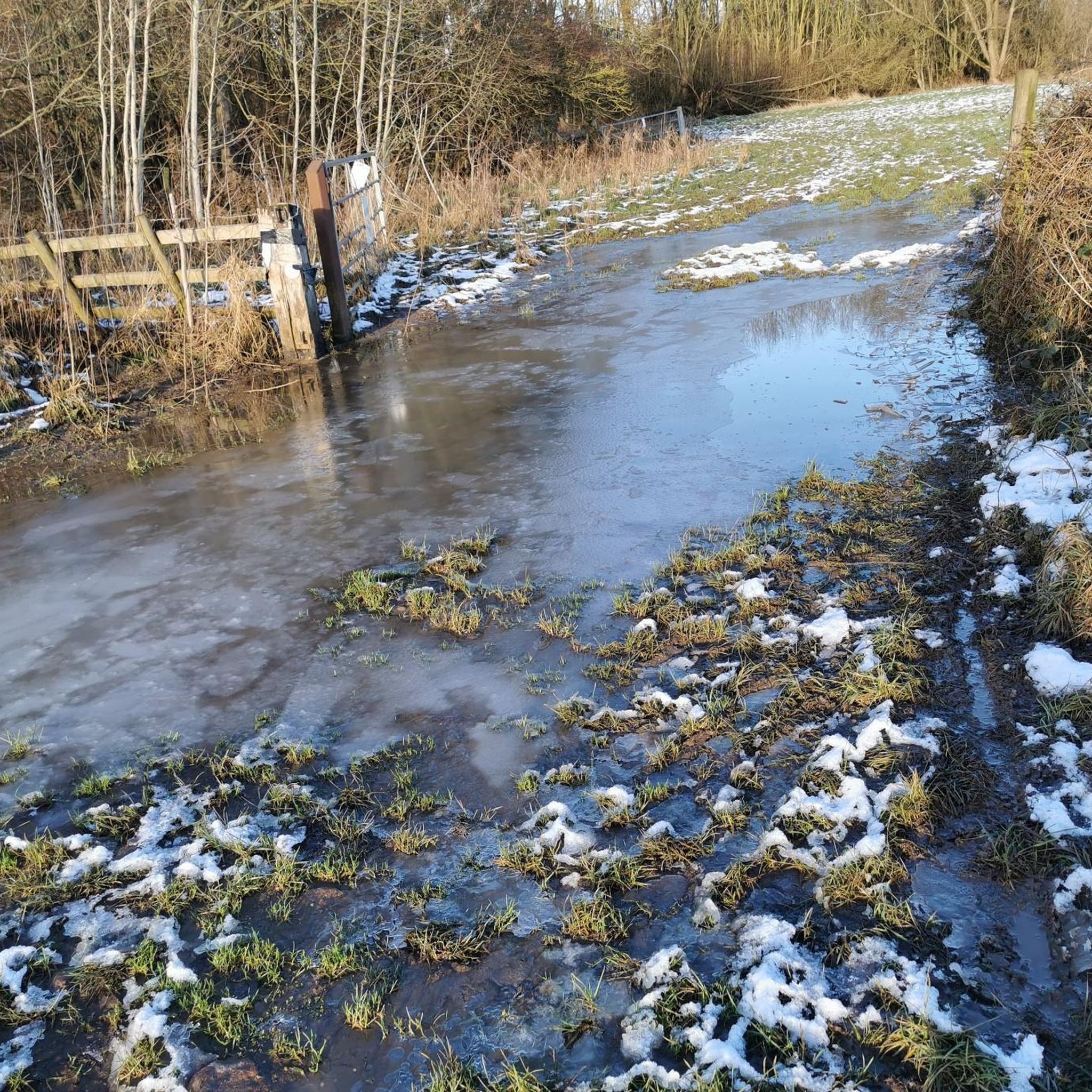
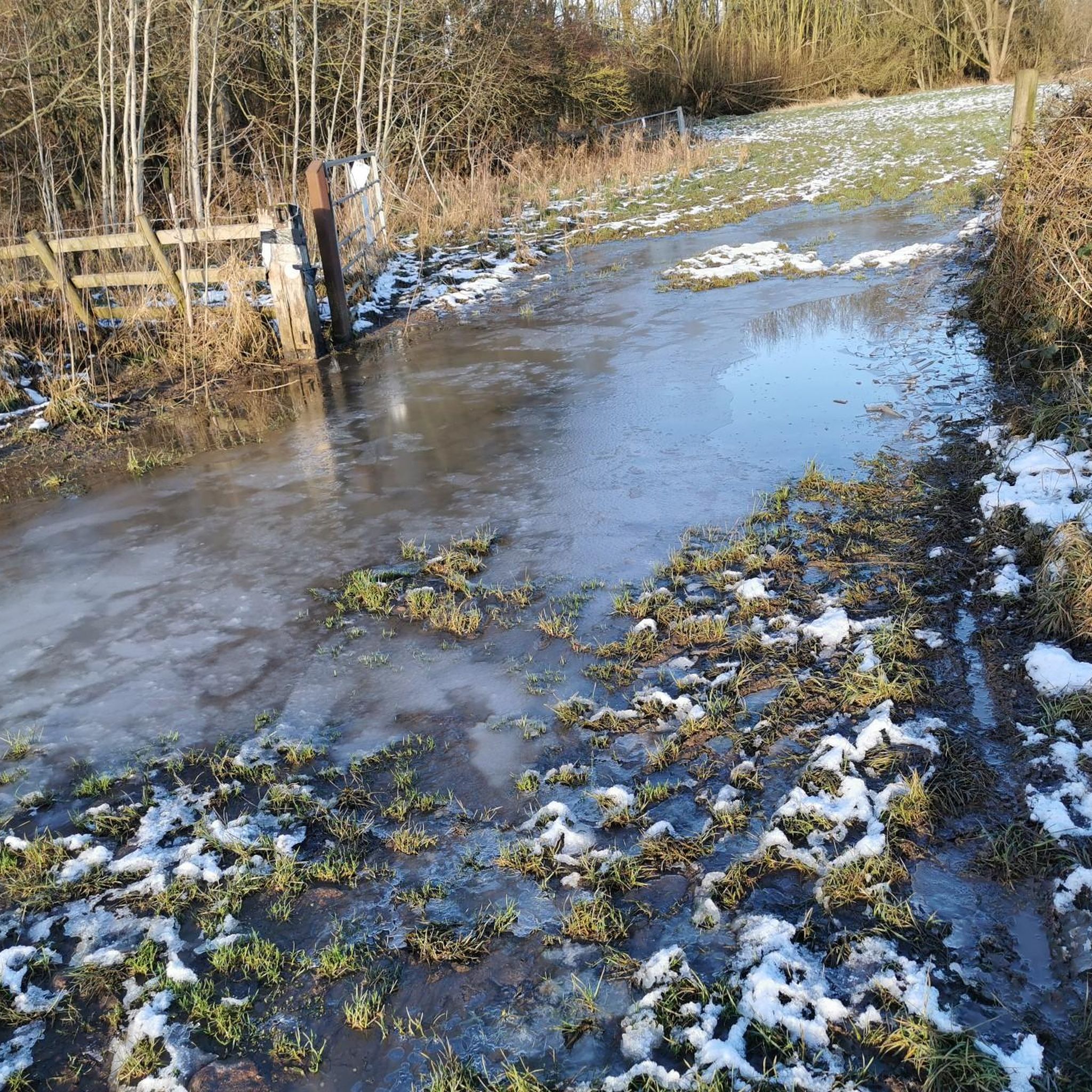
If you follow the beautiful trail that departs from Southam heading east and runs alongside the River Stowe, you will come across The Holy Well, believed to be the oldest recorded Holy Well in England. It has been there for over a thousand years, with its most recent renovation taking place almost twenty years ago.
1
0
This outcrop tells a story of when Kenilworth lay just north of the Equator in a semi-desert climate with market wet and dry seasons. Many buildings in Old Kenilworth, notably the Castle, the Abbey and St. Nicholas Church, are built of the local Kenilworth Sandstone that you can observe here.
1
0

Draycote Water is an artificial reservoir (23 million m3), which was completed in 1969. In addition to its function as a water reserve, it is a leisure park u.a. for anglers, sailors, hikers. The rich bird life invites also to observations. Swimming is not allowed in the lake.
1
0


As part of the creation of a new UK Mail facility at the Prologis Park Ryton, our client Prologis had created a temporary borrow pit as part of the works and inadvertently, created the perfect new home for a colony of Sand Martins Riparia riparia which moved in and successfully bred (2015). The birds were left to nest in peace after a wide exclusion zone was implemented but realising that the site was on the birds’ migration route together with the fact that the borrow pit couldn’t stay on site long-term, we worked with Prologis, Whiting Landscapes and the park rangers at nearby Ryton Pools Country Park to create a brand new permanent and purpose-built nesting site in this 100 acre site managed jointly between Warwickshire County Council and Warwickshire Wildlife Trust. The Sand Martin nesting wall was completed in March 2016 and this year has already had a couple of pairs taking an interest. As well as providing a large and safe nesting habitat, the 15m long structure also has a number of pre-formed swallow nest sites and a rear door inspection hatch so that the rangers can keep an eye on the nesting progress and carry out any necessary maintenance. To prevent predation by other wildlife such as stoats, an anti-predator baffle has been installed below the tunnels which have been constructed of plastic pipes. We also helped create the new information board which has been installed opposite the nesting wall to inform the local visitors to the country park about the new nesting site. It’s hoped that grizzled skipper butterflies will also benefit from the new structure as one of the food plants of the larvae stage – strawberries – are to be planted on the aggregate roof in the near future! Sand Martins are gregarious and therefore tend to nest in large colonies. They are Europe’s smallest hirundine (martins and swallows) and the insectivorous birds are summer visitors to the UK, over-wintering in Africa.
0
0
On 11th November 2014 a memorial was unveiled in the Jephson Gardens, between the Aviary and Willes Road entrance. The memorial will remember all those who played any part in World War One, including the widows and orphans and those who served at home. The Leamington History Group applied for the grant for the memorial and worked with Warwick District Council and Leamington Town Council to commission the sculpture. The memorial was designed by Tim Tolkien and the central feature consists of two poppies in flower and one stem with a seed-head at the top. All the poppies are entwined with barbed wire and this extends to wrap around some adjoining fencing. The tablet in front states simply “The Poppies; Lest We Forget”. The plaque naming the sculptor calls it “Barbed Poppies”. It is a subtle design which is not quite as immediate in effect as the sea of poppies surrounding the Tower of London in November 2014 but many people we have spoken to agreed that it evoked a strong emotional response.
0
0
Kenilworth Sandstone exposed in Kenilworth old railway cutting Warwickshire Museum. Situated at the eastern end of the Kenilworth Greenway, the cycle and pedestrian path that runs south-east of the new Coventry Road bridge passes through a disused railway cutting, excavated partly through the local natural bedrock. This can seen in the banks adjacent to the path and consists of thick beds of red sandstone. This is the so-called Kenilworth Sandstone, dating back roughly 280 million years to the Permian Period. The sandstone originated as river sand, deposited on river floodplains at a time when what is now Warwickshire was much closer to the equator, and enjoyed a hot, semi-arid climate. The Kenilworth Sandstone was once quarried locally for building stone, and can be seen in many of the older buildings in and around the town. Kenilworth Castle is undoubtedly the best known example.
1
0
Frequently Asked Questions
What are some of the most popular natural monuments to visit around Hunningham?
Visitors frequently enjoy Draycote Water, an artificial reservoir known for its rich bird life and leisure activities like sailing and hiking. Another popular spot is the Sand Martin Nesting Wall at Ryton Pools Country Park, a purpose-built habitat for these migratory birds. The Kenilworth Sandstone Railway Cutting is also highly regarded for its geological significance, exposing rocks dating back 280 million years.
Are there family-friendly natural monuments in the Hunningham area?
Yes, several natural monuments are suitable for families. Draycote Water offers a leisure park environment with playgrounds and space for activities. The Sand Martin Nesting Wall at Ryton Pools Country Park provides an interesting educational experience for children to observe wildlife. Additionally, the Kenilworth Sandstone Railway Cutting is accessible and offers a unique geological insight.
Where can I go for wildlife spotting near Hunningham?
For excellent wildlife spotting, visit the Leam Valley Nature Reserve, adjacent to the River Leam. Here, you might see kingfishers, otters, grass snakes, dragonflies, and damselflies. Hunningham Meadow is another great option, known for its butterflies, rabbits, and diverse wildflowers. Draycote Water is also a significant site for birdwatching.
What kind of natural features can I expect to see around Hunningham?
The Hunningham area features diverse natural landscapes. You can explore traditional hay meadows at Hunningham Meadow, rich river valleys like the Leam Valley Nature Reserve, and significant geological formations such as the Kenilworth Sandstone Railway Cutting. There are also large bodies of water like Draycote Water, which functions as a reservoir and leisure park.
Are there any historical natural sites or monuments near Hunningham?
Yes, the Kenilworth Sandstone Railway Cutting is a notable historical natural site, exposing sandstone from the Permian Period, approximately 280 million years ago. Another significant historical site is the Holy Well in Southam, believed to be the oldest recorded Holy Well in England, with stonework dating back to the Imperial period and a rich local history.
What outdoor activities can I do near these natural monuments?
The area around Hunningham offers various outdoor activities. You can find numerous hiking routes, such as the easy 'The Red Lion, Hunningham loop' or the moderate 'St John the Baptist Church loop'. For road cycling, options include 'The Red Lion, Hunningham loop from Hunningham' or 'View of Draycott – Thurlaston loop'. Running trails like the 'Royal Leamington Spa to Offchurch Rail Trail' are also available. You can explore more options on the Hiking around Hunningham, Road Cycling Routes around Hunningham, and Running Trails around Hunningham guide pages.
Are there accessible trails for natural monuments around Hunningham?
The Barbed Poppies Memorial in Jephson Gardens is noted as wheelchair accessible. While specific accessibility details for all natural monuments are not always available, many public footpaths and country park areas, like those around Ryton Pools Country Park, often have well-maintained paths that may be suitable for varying levels of mobility.
What is the best time of year to visit the natural monuments in Hunningham?
Spring and summer are ideal for experiencing the vibrant flora and fauna. Hunningham Meadow is particularly beautiful with wildflowers like cow parsley and buttercup, and abundant butterflies. The Leam Valley Nature Reserve is also active with kingfishers, otters, and dragonflies during warmer months. Winter can offer peaceful walks, especially in areas like Hunningham Meadow where sheep sometimes graze for conservation.
Can I bring my dog to the natural monuments and walking trails near Hunningham?
Many public footpaths and nature reserves in the Hunningham area are dog-friendly, provided dogs are kept under control, especially around wildlife and grazing animals. Always check local signage at specific sites like Hunningham Meadow or Leam Valley Nature Reserve for any restrictions or requirements, such as keeping dogs on a lead.
Are there any hidden natural gems or lesser-known attractions in the Hunningham area?
Beyond the more popular spots, Hunningham Meadow itself can be considered a peaceful hidden gem, offering a tranquil setting to observe local wildlife and appreciate a traditional hay meadow environment away from larger crowds. The Leam Valley Nature Reserve, while known, still offers quiet corners for intimate wildlife encounters.
What are the typical walking terrains and difficulties for trails near Hunningham's natural monuments?
Walking terrains around Hunningham vary from flat, well-maintained paths in country parks to riverside trails and routes through open fields. Many hiking routes are rated as 'easy' or 'moderate', such as 'The Red Lion, Hunningham loop' (easy) or 'St John the Baptist Church loop' (moderate). These trails generally involve gentle gradients suitable for most walkers.
Most popular routes around Hunningham
Most popular attractions around Hunningham

Get inspired with the komoot mobile app


Explore more
Extend your search for the best caves by checking out these guides of the top ones around Hunningham:
