Top 7 Natural Monuments around Chardstock
Natural monuments around Chardstock are characterized by the rolling farmland, steep valleys, and dense woodlands of the Blackdown Hills National Landscape. This designated area offers a serene environment with diverse natural features. The region includes specific natural reserves and waterways, providing captivating natural features. Numerous walking trails crisscross the area, allowing for exploration of its varied terrain.
Best natural monuments around Chardstock
- The most popular natural monuments is Pilsdon Pen Summit and Trig Point, a natural monument that offers…
Last updated: June 29, 2026
Pilsdon Pen Summit and Trig Point
Highlight • Natural Monument
Tip by

Black Ven Cliffs and Fossil Beach
Highlight (Segment) • Natural Monument
Tip by

Sign up now to discover places like this
Get recommendations on the best single tracks, peaks, & plenty of other exciting outdoor places.
Sign up for free
Coney's Castle Hillfort and Bluebell Woods
Highlight • Forest
Tip by

Otterhead Lakes
Highlight • River
Tip by

View of Pilsdon Pen and Lewesdon Hill
Highlight • Viewpoint
Tip by

Sign up for free to discover even more natural monuments around Chardstock.
Sign up for free
Already have an account?
Start today with a free account
Your next adventure awaits.
Login or Signup
Tips from the Community

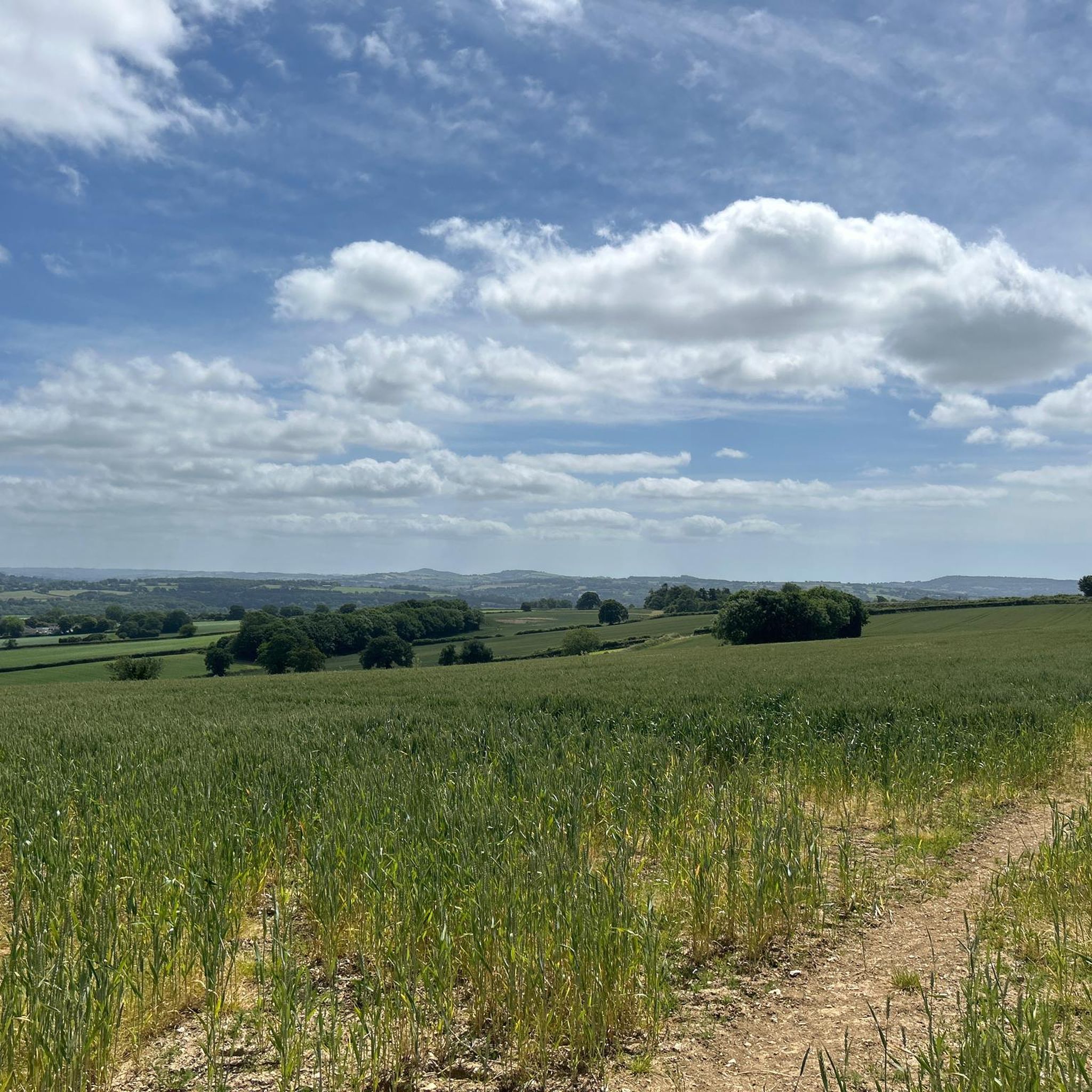
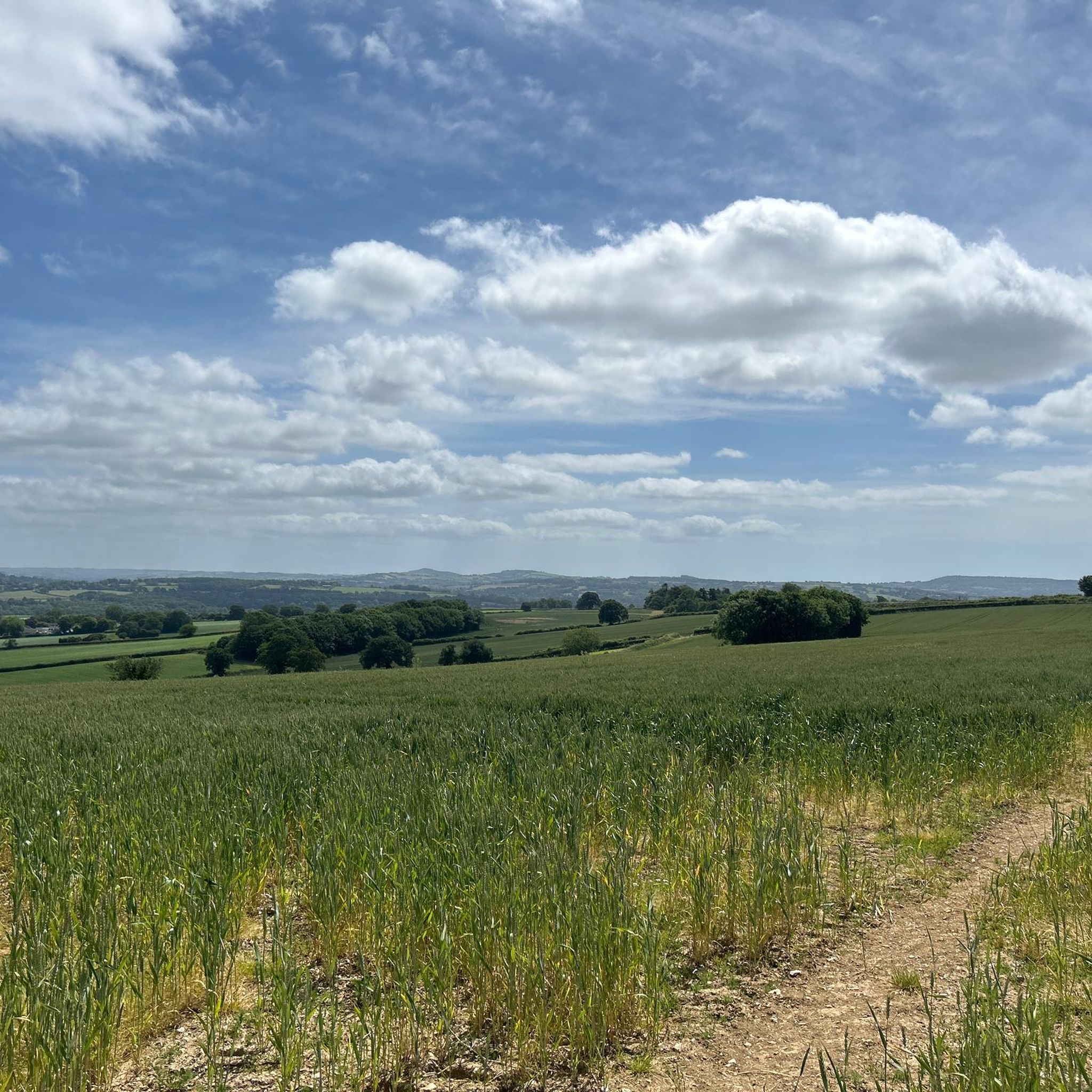
From the trig point at Pilsdon Pen summit, you get spectacular, wide-open views across Dorset. Looking south, the eye sweeps over the lush farmlands and rolling hills of the Marshwood Vale, extending all the way down to Bridport and the dramatic cliffs of the Jurassic Coast.
0
0
From the summit of Lambert’s Castle Hill (258m), you are treated to one of the most celebrated panoramas in Dorset. Looking eastward across the sprawling Marshwood Vale, Pilsdon Pen and Lewesdon Hill stand out as the two most prominent landmarks on the horizon. The View of Pilsdon Pen Appearance: From Lambert's Castle, Pilsdon Pen (277m) is easily identified by its distinctive "flat-topped" profile. It is an Iron Age hillfort and was long thought to be the highest point in Dorset. Perspective: It sits approximately 4.7km (just under 3 miles) to the east-northeast. Because the Marshwood Vale drops away between the two hills, Pilsdon Pen appears as a massive, brooding green rampart rising sharply from the valley floor. Detail: On a clear day, you can clearly see the triple-dyked earthworks that ring its summit. The View of Lewesdon HillAppearance: Located just slightly south of Pilsdon Pen, Lewesdon Hill (279m) is the true "County Top" (the highest point in Dorset). Unlike the open, grassy summit of Pilsdon, Lewesdon is heavily wooded with ancient oak and beech trees.Perspective: From your vantage point at Lambert's Castle, Lewesdon appears as a dark, rounded, tree-covered dome. It lacks the sharp architectural lines of the hillforts but provides a lush, textured contrast to the surrounding fields.Context: Because it is so close to Pilsdon Pen (separated only by a small saddle), they are often referred to as "twin peaks" of the Marshwood Vale.
0
0

The Black Ven has been historically renowned for paleontology. Mary Anning found an ichthyosaurus in The Spittles, and James Harrison found the first fossil remains of a Scelidosaurus while quarrying Black Ven in 1858. In 2001, the Black Ven and the whole of Lyme Bay became part of the Jurassic Coast World Heritage Site. Black Ven has the largest mudslides in Europe,[3] and this constantly brings new material (such as fossils) to the base of the cliff and beach. The reason for this is the types of stone found through the cliff. There is porous limestone, which lets the water on rough days flow through it, below which you will find clay, which lets water in, but not out. When the clay becomes saturated, it becomes very slippery and the limestone above can slide off in large chunks. Black Ven for this reason is a famous fossil hunting location, although the mudslides can be surprisingly damaging to the fossils, especially to soft parts such as scales. The Black Ven has a layer called Blue Lias where famous fossilised fish are known to be found. The geological dating of the rocks of the whole of the area (Lyme Bay) is Jurassic. The Black Ven and the Spittles contain rocks from the lower (early) Jurassic. Ammonites, Belemnites, and the occasional Devil's toenail are common finds in this area
0
1

The summit of this hill represents the second highest point in Dorset, and from here, you'll have breathtaking panoramic views. At the top, there was an Iron Age hillfort, which was excavated in the mid-20th century.
0
0

Otterhead Lakes is a beautiful nature reserve on the site of a former Victorian estate in the Blackdown Hills Area of Natural Beauty. The reserve features two lakes, a river, grasslands and wetlands and is home to a diverse range of wonderful wildlife species including dormice, badgers, and bats, as well as kingfisher, dipper & wagtail.
2
0

Lewesdon Hill is the highest point in Dorset
0
0

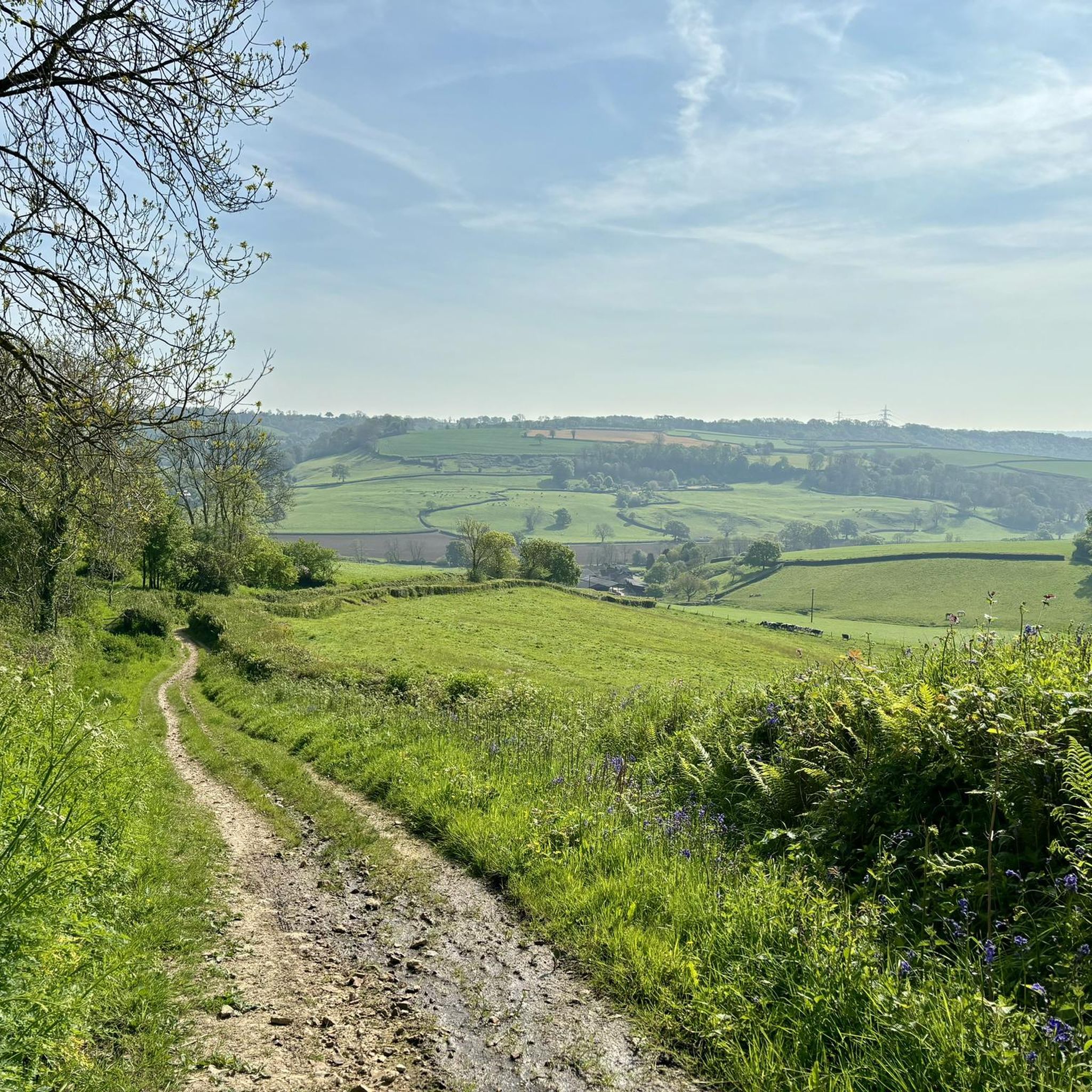
This Iron Age hillfort is the smaller cousin of Lambert’s Castle, a little to the north. With ancient woodland and a fantastic spring bluebell display, Coney’s Castle is a peaceful little summit and one of numerous such hillforts in the area. Check out the earthwork ramparts on the north, south and east sides. The western edge used the natural slope of the hill as a defense. Managed by the National Trust, this hillfort is free to roam around and served by a car park. Its only downside is that there’s a road right through the middle of it.
0
0
Frequently Asked Questions
What types of natural monuments can I explore around Chardstock?
The natural monuments around Chardstock offer a diverse range of experiences. You can find ancient hillforts with panoramic views, coastal areas rich in geological history, and serene nature reserves. For example, you can visit Pilsdon Pen Summit and Trig Point, which is the second highest point in Dorset and features an Iron Age fort, or explore the geological wonders of Black Ven Cliffs and Fossil Beach, part of the Jurassic Coast World Heritage Site.
Are there any natural monuments with historical significance near Chardstock?
Yes, several natural monuments in the area have significant historical value. Pilsdon Pen Summit and Trig Point is home to an Iron Age fort, with archaeologists having found flint tools dating back 10,000 years. Another notable site is Coney's Castle Hillfort and Bluebell Woods, an Iron Age hillfort with ancient woodland, managed by the National Trust.
What are some family-friendly natural attractions around Chardstock?
For families, the Chard Reservoir Nature Reserve offers easy, accessible paths around the reservoir, perfect for birdwatching and enjoying nature. Additionally, Otterhead Lakes is a beautiful nature reserve with two lakes, a river, grasslands, and wetlands, home to diverse wildlife, making it an excellent spot for a family outing. Prescott Pinetum is also a family-friendly natural monument with a collection of mature trees planted in the 1840s-1860s.
What kind of views can I expect from the natural monuments in this region?
The natural monuments around Chardstock offer breathtaking panoramic views. From Pilsdon Pen Summit and Trig Point, you can enjoy fine views over the rolling Dorset countryside, including Golden Cap, Marshwood Vale, and the ocean on clear days. The Blackdown Hills National Landscape itself is characterized by rolling hills and deep valleys, providing numerous scenic vistas along its many walking trails.
Are there hiking trails near the natural monuments around Chardstock?
Yes, the region is excellent for hiking. You can find various trails that allow you to explore the natural monuments and the wider Blackdown Hills National Landscape. Popular moderate hiking routes include the Membury & Dalwood loop and the Chard to Wambrook loop. For more options, you can explore the hiking guide for Chardstock.
What other outdoor activities are available near Chardstock's natural monuments?
Beyond hiking, the area around Chardstock offers opportunities for road cycling and running. There are moderate road cycling routes like the Pilsdon Pen – Descent Into the Woods loop, and various running trails such as the Running loop from All Saints. For detailed routes and guides, you can check out the road cycling guide and running trails guide for Chardstock.
When is the best time of year to visit the natural monuments around Chardstock?
The natural monuments around Chardstock can be enjoyed year-round, but spring is particularly special for sites like Coney's Castle Hillfort and Bluebell Woods, which offers a fantastic bluebell display. The Blackdown Hills National Landscape is beautiful in all seasons, with lush greenery in spring and summer, and vibrant colors in autumn. Always check local weather conditions before your visit.
Are there any natural areas suitable for birdwatching near Chardstock?
Yes, the Chard Reservoir Nature Reserve is particularly noted for its abundance of water birds, making it an ideal spot for birdwatching. It's a peaceful location where you can observe various species in their natural habitat.
What are the geological features of the Black Ven Cliffs and Fossil Beach?
Black Ven Cliffs and Fossil Beach is part of the Jurassic Coast World Heritage Site and is renowned for its geology and paleontology. It features the largest mudslides in Europe, which constantly bring new material, including fossils, to the beach. The cliffs consist of porous limestone over clay, leading to these dynamic geological processes. It's a famous location for finding ammonites, belemnites, and other Jurassic-era fossils.
What makes the Blackdown Hills National Landscape a significant natural monument?
The Blackdown Hills National Landscape itself is the overarching natural monument in the region, characterized by its distinctive rolling hills, deep valleys, and a mix of farmlands and ancient woodlands. It offers a tranquil environment with breathtaking scenic views, perfect for hiking and nature observation, and represents the quintessential English countryside.
Can I find natural monuments with water features like lakes or rivers?
Yes, the region features beautiful natural areas with water. Otterhead Lakes is a nature reserve with two lakes and a river. Additionally, the natural beauty of Chardstock is enhanced by numerous walking trails that follow local rivers and streams, including the River Kit, offering opportunities to observe riparian flora and fauna.
Most popular attractions around Chardstock

Get inspired with the komoot mobile app


Explore more
Extend your search for the best caves by checking out these guides of the top ones around Chardstock:
