Top 20 Natural Monuments around Colyton
Best natural monuments around Colyton are found within the picturesque Axe Valley in East Devon. This region offers diverse landscapes, geological significance, and opportunities for outdoor activities. The area is characterized by rolling countryside, scenic walking trails, and significant coastal features. It provides a range of natural attractions for exploration.
Best natural monuments around Colyton
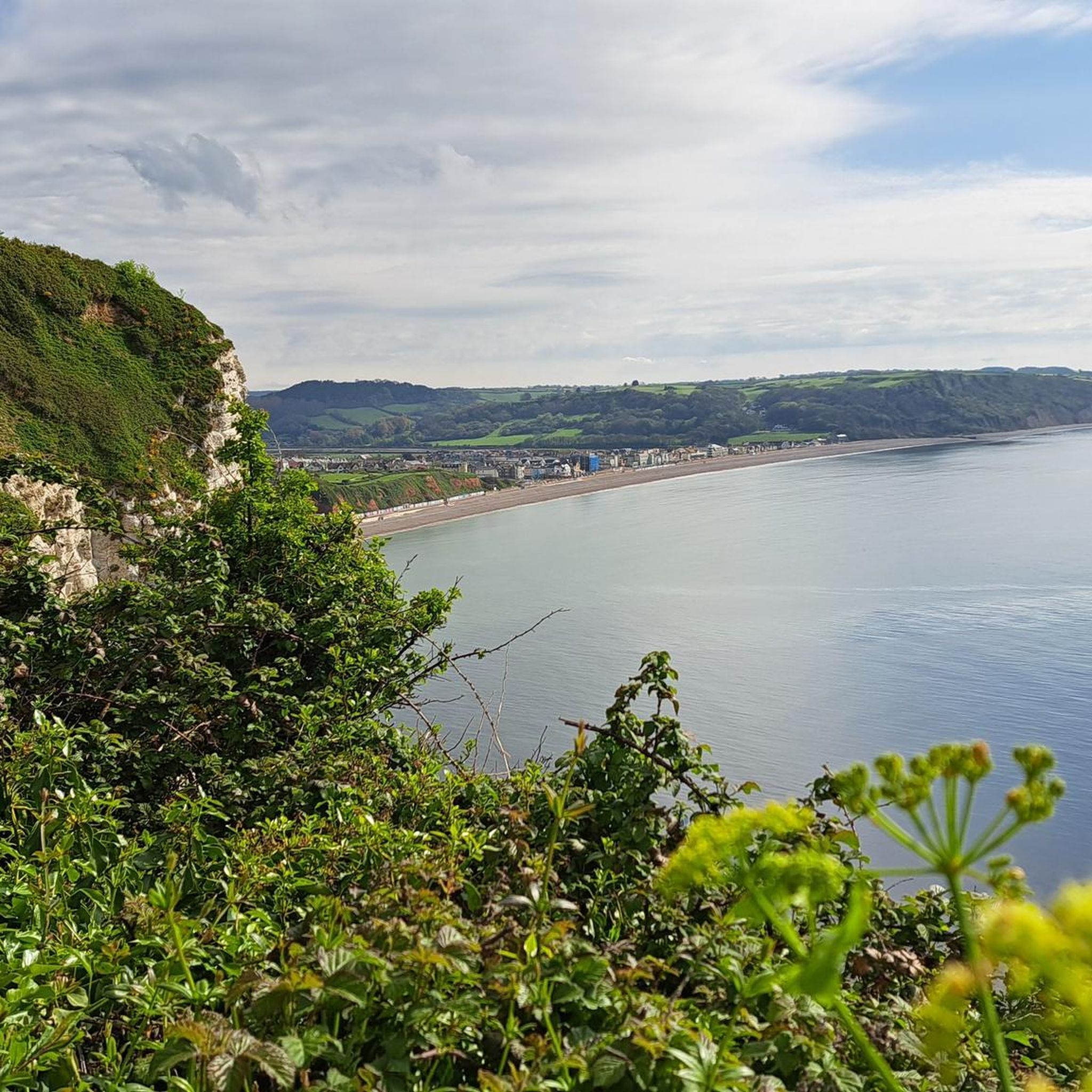
- The most popular natural monuments is Beer to Seaton Coastal Path, a viewpoint that offers great views across the coast. This path is a…
Last updated: October 16, 2026
Beer to Seaton Coastal Path
Highlight (Segment) • Viewpoint
Tip by

Seaton Beach and Cliffs
Highlight • Beach
The town itself, Devon's easternmost seaside …
Translated by Google •
Tip by

Sign up now to discover places like this
Get recommendations on the best single tracks, peaks, & plenty of other exciting outdoor places.
Black Ven Cliffs and Fossil Beach
Highlight (Segment) • Natural Monument
Tip by

Ware Cliffs
Highlight • Viewpoint
Tip by

Beer Quarry Caves
Highlight • Cave
Tip by
Sign up for free to discover even more natural monuments around Colyton.
Already have an account?
Start today with a free account
Your next adventure awaits.
Tips from the Community

Very beautiful, old seaside resort. A visit, or even just a swim in the sea, is definitely worthwhile.
0
0

Jurassic Coast - here, as a touring cyclist, you get a nice access with wonderful views, swimming options and good restaurants.
0
0

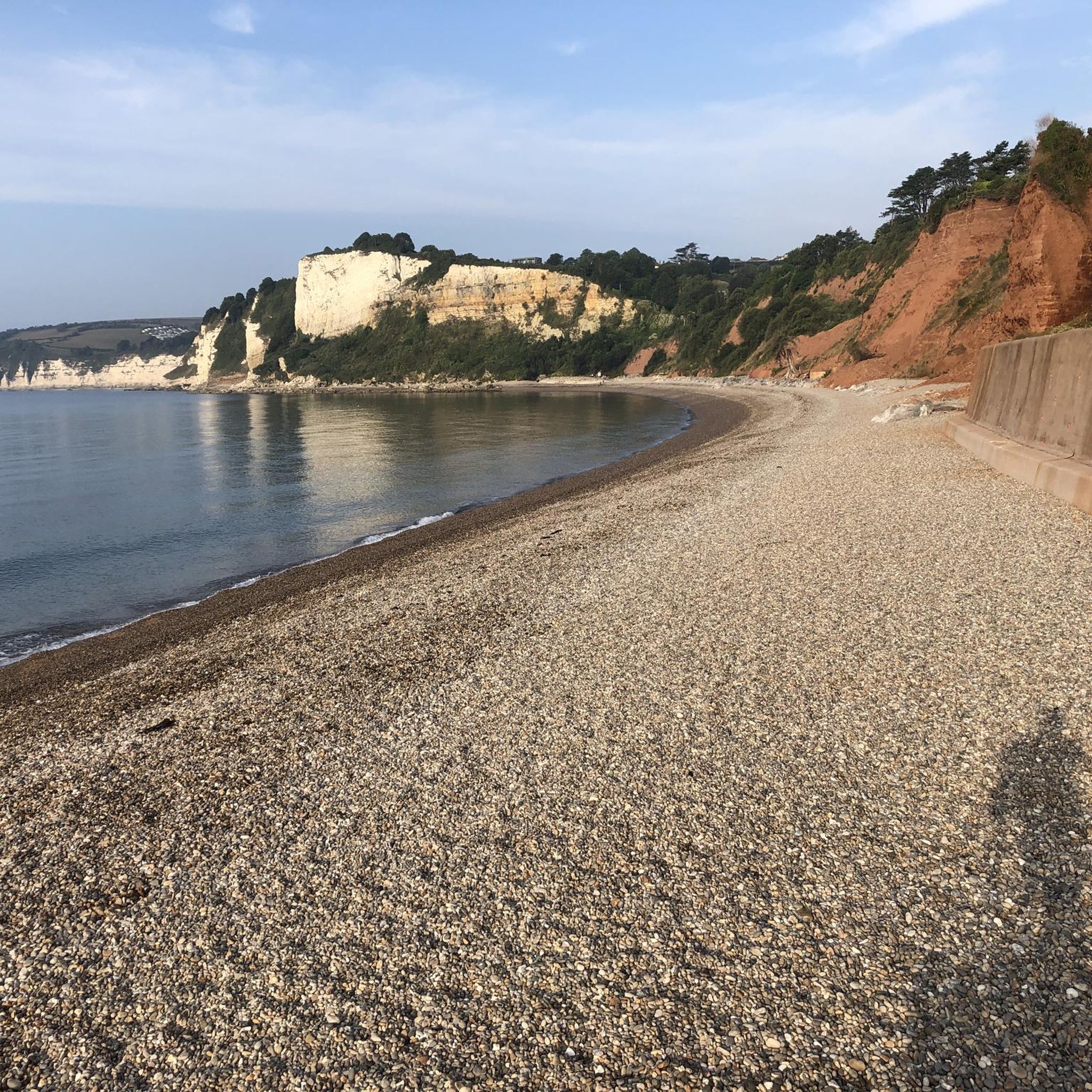
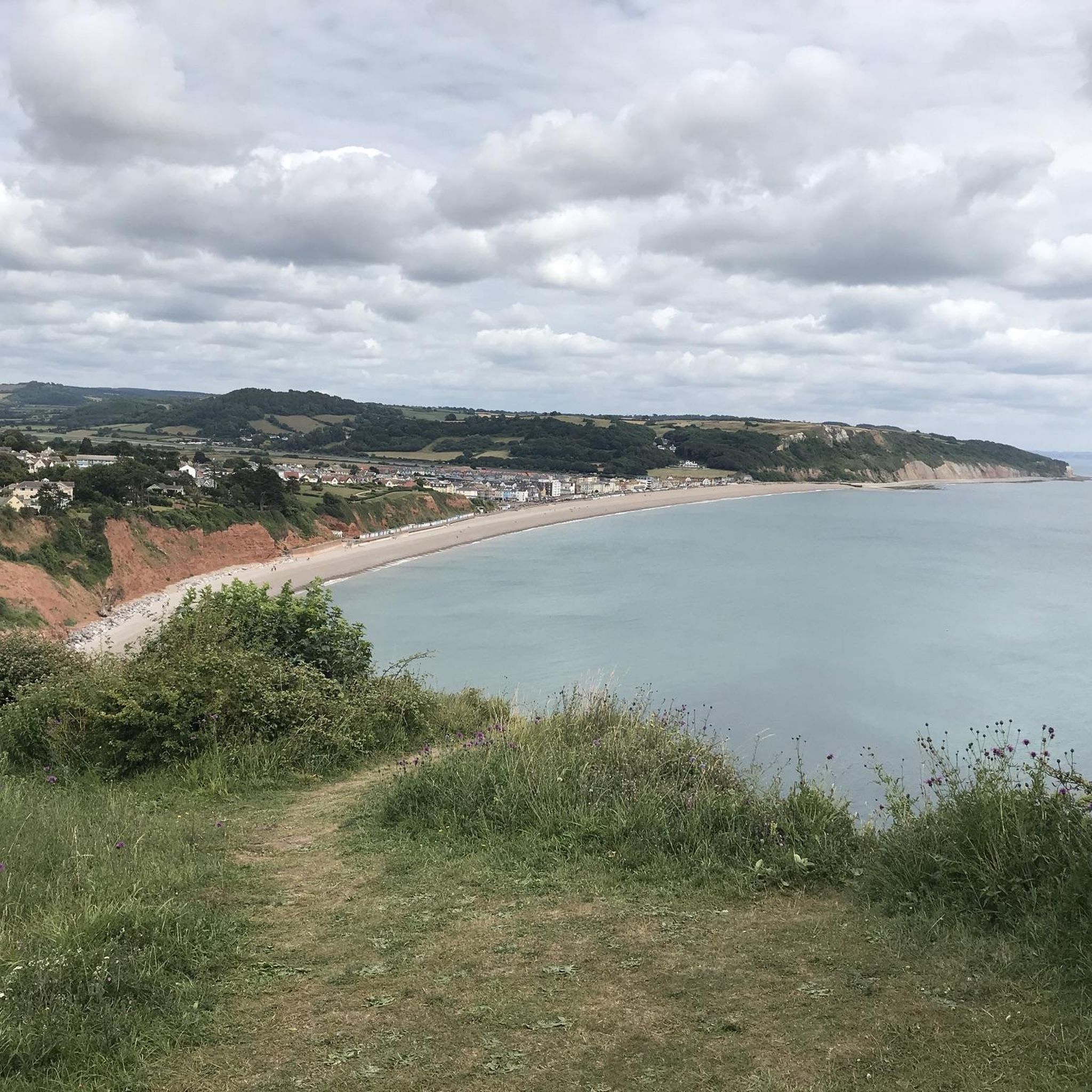
A mile-long beach with a mix of sand and shingle, clear water, and a gently sloping shore. It's a great place for swimming, water sports, and walking. The beach is surrounded by cliffs and green hillsides, and is a popular spot for photographers. A flat walking area that runs alongside the beach, with a cafe at one end and the town at the other.
1
0
Quite the section this. Has a little bit of everything.
1
0
Little bit of useless trivia for you. on the section outlayed on my page, this is the only gate you'll need to go through. That is something that doesn't happen often. The area is predominately open meadow land and woodland preserved by the National Trust. The area was an important Armada look-out point and later when a French invasion was feared, the warning beacon sited here, when lit, would have started a chain from the coast north to Trinity Hill near Axminster and west to Rousdon in the direction of Seaton. With vigilance, the entire country to the north coast could be alerted within half an hour thanks to the well worked out network of sightlines joining hilltop to hilltop.
1
0
The Black Ven has been historically renowned for paleontology. Mary Anning found an ichthyosaurus in The Spittles, and James Harrison found the first fossil remains of a Scelidosaurus while quarrying Black Ven in 1858. In 2001, the Black Ven and the whole of Lyme Bay became part of the Jurassic Coast World Heritage Site. Black Ven has the largest mudslides in Europe,[3] and this constantly brings new material (such as fossils) to the base of the cliff and beach. The reason for this is the types of stone found through the cliff. There is porous limestone, which lets the water on rough days flow through it, below which you will find clay, which lets water in, but not out. When the clay becomes saturated, it becomes very slippery and the limestone above can slide off in large chunks. Black Ven for this reason is a famous fossil hunting location, although the mudslides can be surprisingly damaging to the fossils, especially to soft parts such as scales. The Black Ven has a layer called Blue Lias where famous fossilised fish are known to be found. The geological dating of the rocks of the whole of the area (Lyme Bay) is Jurassic. The Black Ven and the Spittles contain rocks from the lower (early) Jurassic. Ammonites, Belemnites, and the occasional Devil's toenail are common finds in this area
0
1

Beer Quarry Caves are former underground limestone quarries near Beer in the county of Devon on the English Channel coast. The village of Beer is about two kilometers west of Seaton and 13 kilometers east of Sidmouth. The caves can only be visited with a guide. Entrance fee 11 pounds. Afterwards, it is worth taking a walk through the village of Beer and having a coffee or tea on the beach.
0
0

Beer Quarry Caves is a man-made limestone underground complex located about a mile west of the village of Beer, Devon, and the main source in England for beer stone. The tunnels resulted from 2,000 years of quarrying beer stone, which was particularly favoured for cathedral and church features such as door and window surrounds because of its colour and workability for carving. Stone from the quarry was used in the construction of several of southern England's ancient cathedrals and a number of other important buildings as well as for many town and village churches, and for some buildings in the United States.
7
0
Frequently Asked Questions
What are the most significant natural monuments to explore near Colyton?
The most significant natural monument is the Jurassic Coast, a UNESCO World Heritage Site known for its 185 million years of geological history and dramatic coastal features. Key areas include the Beer to Seaton Coastal Path, offering stunning views, and Seaton Beach and Cliffs, a mile-long beach ideal for swimming and walking. Further inland, the Axe Valley Wetlands provide a haven for wildlife.
Are there opportunities for fossil hunting near Colyton?
Yes, the Jurassic Coast is a prime location for fossil hunting. Areas like Black Ven Cliffs and Fossil Beach near Lyme Regis are historically renowned for paleontology, with mudslides constantly revealing new material. The rocks preserve fossilized remains from the Triassic, Jurassic, and Cretaceous periods.
What kind of wildlife can I expect to see in the natural monuments around Colyton?
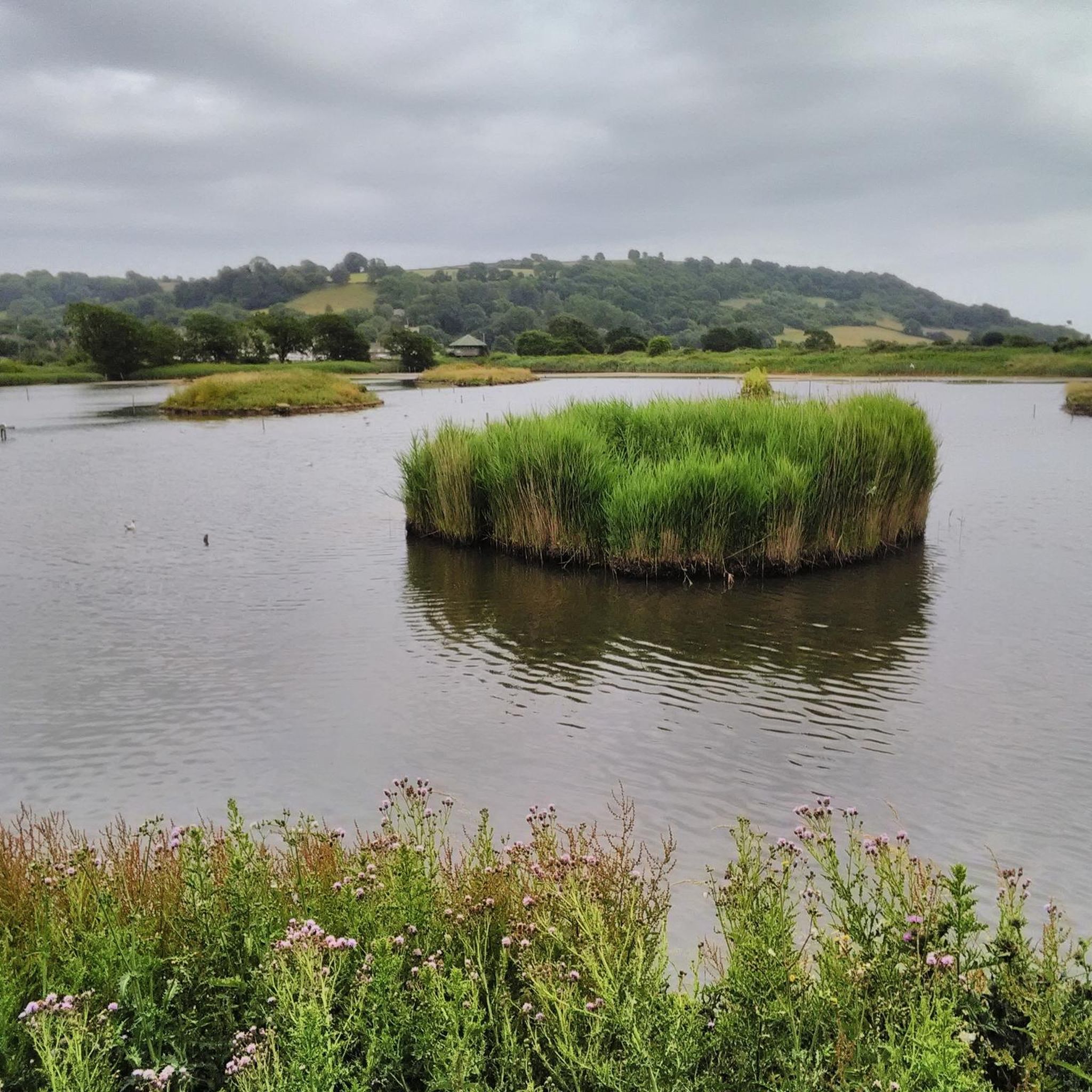
The Axe Valley Wetlands, managed by the Seaton Wetlands Nature Reserve, are excellent for wildlife observation. You can spot migratory birds, dragonflies, and otters. Along the River Coly within the East Devon National Landscape, birdwatchers might see herons and kingfishers.
Are there family-friendly natural monuments or activities near Colyton?
Absolutely. Seaton Beach and Cliffs is a family-friendly spot for swimming and paddling. The Axe Valley Wetlands offer boardwalks and nature trails suitable for all ages, and the Seaton Tramway provides scenic rides through the wetlands, which children often enjoy.
What are the best walking routes to experience the natural beauty near Colyton?
The Beer to Seaton Coastal Path offers diverse landscapes and coastal views. For inland exploration, the East Devon National Landscape features numerous walking and cycling trails, such as the Coly Valley Trail. You can find more detailed hiking routes in the Hiking around Colyton guide.
Can I find accessible natural monuments or trails for wheelchairs near Colyton?
The Axe Valley Wetlands offer boardwalks and nature trails that are generally accessible. Seaton Beach and Cliffs has a flat walking area alongside the beach, making it suitable for those seeking easier access.
What geological features are prominent along the coast near Colyton?
The Jurassic Coast is famous for its geological formations, including dramatic cliffs, pebble beaches, arches, pinnacles, and stack rocks. Specific sites like The Tombstone Cliff and Ware Cliffs showcase these impressive coastal landscapes, formed over millions of years of erosion.
What outdoor activities are available besides walking near Colyton's natural monuments?
Beyond walking, you can enjoy cycling through the East Devon National Landscape or along the River Sid Ford. The Cycling around Colyton guide provides various routes. For runners, the Running Trails around Colyton guide offers options, including routes through the Axe Valley Wetlands and along the coast.
When is the best time to visit the natural monuments around Colyton?
The natural monuments around Colyton can be enjoyed year-round. Spring and summer offer pleasant weather for coastal walks and wildlife spotting in the wetlands. Autumn provides beautiful foliage in the woodlands of the East Devon National Landscape, while winter can offer dramatic coastal scenery, though some paths might be muddy.
Are there any unique natural features near Colyton that are less known?
While not a grand monument, the River Sid is a unique natural feature, claimed to be the shortest complete river in England, flowing for only 6.5 miles. Its River Sid Ford offers a pleasant, less-trafficked spot for cycling or walking.
Where can I find panoramic views of the natural landscape near Colyton?
For panoramic views, locations within the East Devon National Landscape, such as Musbury hillfort, offer expansive vistas of the rolling countryside. The Beer to Seaton Coastal Path also provides stunning views across the coast and Lyme Bay.
What do visitors enjoy most about the natural monuments around Colyton?
Visitors frequently appreciate the diverse landscapes, from the ancient geological formations of the Jurassic Coast to the tranquil wildlife havens of the Axe Valley Wetlands. The opportunity for coastal walks with breathtaking views, such as those from the Beer to Seaton Coastal Path, and the chance to discover fossils are also highly valued.
Most popular routes around Colyton
Most popular attractions around Colyton

Get inspired with the komoot mobile app


Explore more
Extend your search for the best caves by checking out these guides of the top ones around Colyton:
