Top 7 Natural Monuments around Barcheston
Natural monuments near Barcheston include ancient stone formations and historical sites that blend geological interest with archaeological significance. The area is characterized by its rolling landscape and features notable examples of prehistoric monuments. These sites offer insights into ancient history and the natural composition of the region. The surroundings of Barcheston provide a setting for exploring these natural and historical landmarks.
Best natural monuments around Barcheston
- The most popular natural monuments is The King Stone, a man-made monument that…
Last updated: June 29, 2026
The King Stone
Highlight • Monument
Tip by

The Rollright Stones Stone Circle
Highlight • Historical Site
Tip by

Sign up now to discover places like this
Get recommendations on the best single tracks, peaks, & plenty of other exciting outdoor places.
Sign up for free
Battle of Edgehill Site
Highlight • Historical Site
Tip by
The Whispering Knights
Highlight • Historical Site
Tip by
Ebrington Hill Summit
Highlight • Natural Monument
Tip by

Sign up for free to discover even more natural monuments around Barcheston.
Sign up for free
Already have an account?
Start today with a free account
Your next adventure awaits.
Login or Signup

Tips from the Community

Fabulous walk allowing you to see the stone monuments erected 3,800 years BC. Special attention when you park by the road as there are thief’s that break your car window and take your belongings. This couple that arrive 10 minutes before us had their passports stolen! We opted to park in Salford and do the walk starting there. Safe parking there and plenty of spaces.
1
0

This is the location of the Battle of Edgehill, a pitched battle of the First English Civil War occurring on Sunday 23rd October 1642. A detailed information board stands here describing how the event unfolded, offering a fascinating window into the area's past.
1
0
The King Stone is a standing stone in the Cotswolds, England, which dates back to the Bronze Age. It is believed to have been a marker for ancient trade routes or a ceremonial site.
1
0
Read up on the fascinating history attached to the Whispering Knights stones, the third of the Rollright Stones collection in Oxfordshire.
1
0

The Battle of Edgehill (or Edge Hill) was a pitched battle of the First English Civil War. It was fought near Edge Hill and Kineton in southern Warwickshire on Sunday, 23 October 1642. All attempts at constitutional compromise between King Charles and Parliament broke down early in 1642. Both the King and Parliament raised large armies to gain their way by force of arms. In October, at his temporary base near Shrewsbury, the King decided to march to London in order to force a decisive confrontation with Parliament's main army, commanded by the Earl of Essex. Late on 22 October, both armies unexpectedly found the enemy to be close by. The next day, the Royalist army descended from Edge Hill to force battle. After the Parliamentarian artillery opened a cannonade, the Royalists attacked. Both armies consisted mostly of inexperienced and sometimes ill-equipped troops. Many men from both sides fled or fell out to loot enemy baggage, and neither army was able to gain a decisive advantage.
1
0

Remember to always keep a pace when going up a big hill
0
0


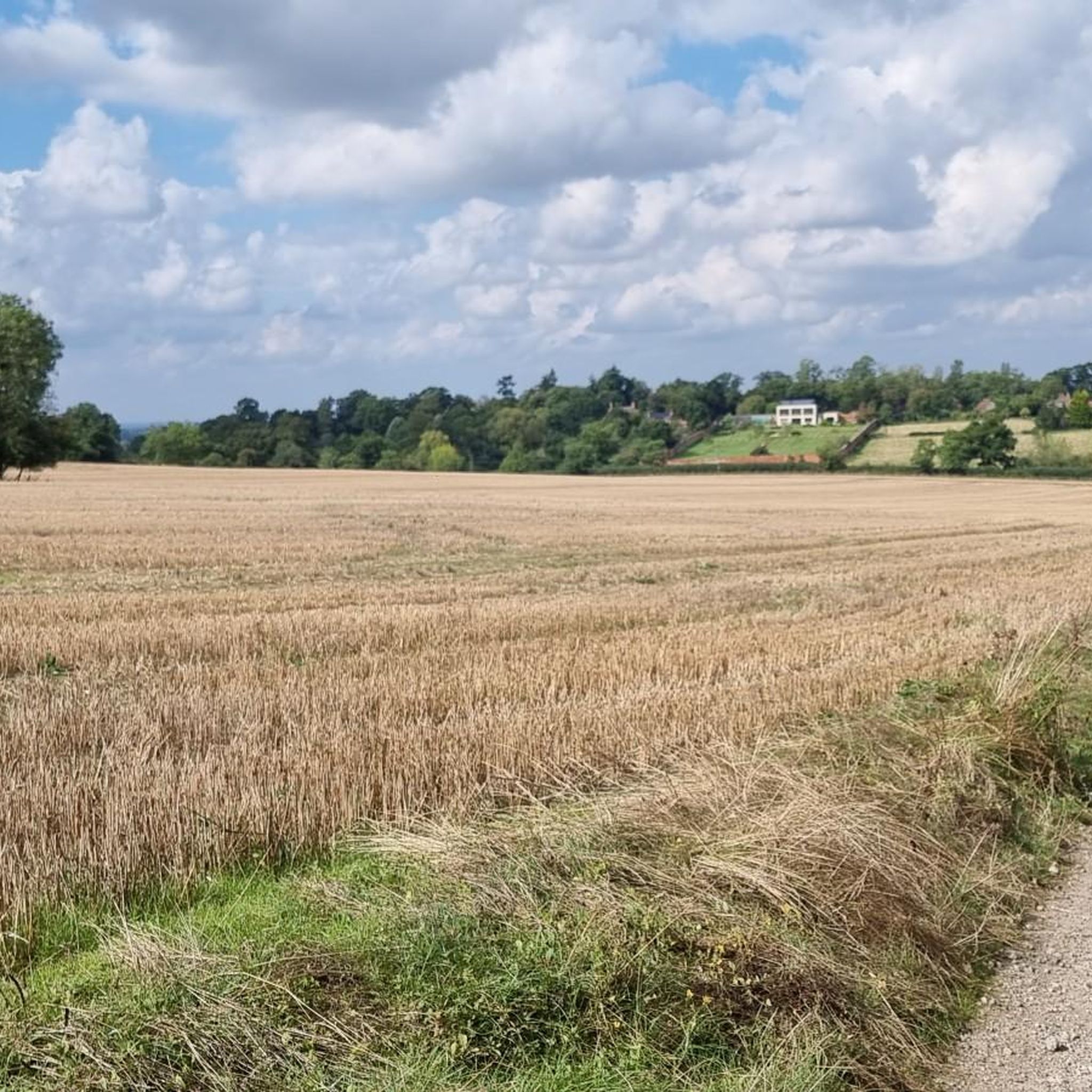
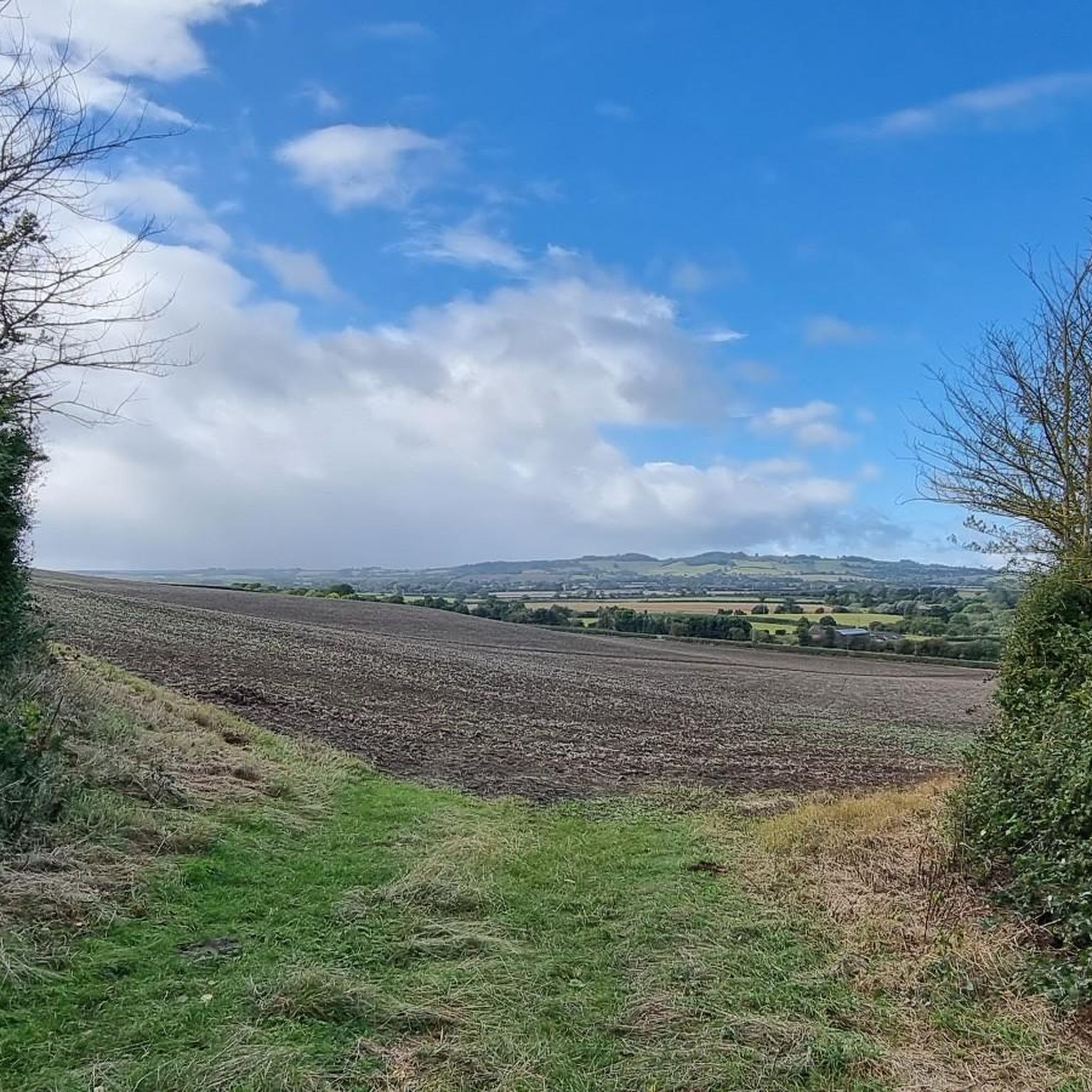
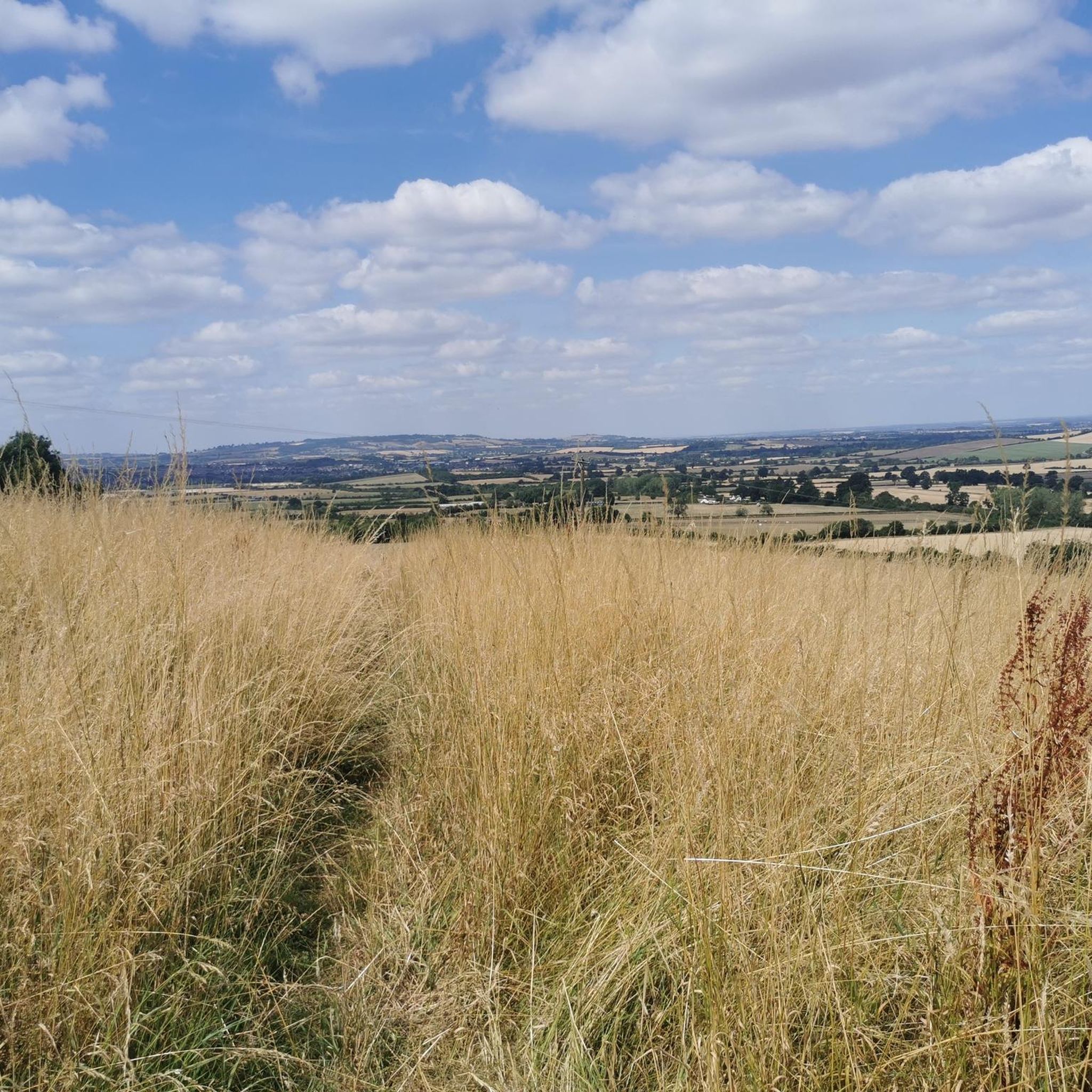
Views over the Warwickshire plains, edge hill was one of the battles in the English Civil war
0
0
Frequently Asked Questions
What types of natural monuments can I explore around Barcheston?
The area around Barcheston is rich in ancient stone formations and historical sites that blend geological interest with archaeological significance. You'll find notable examples of prehistoric monuments such as stone circles, standing stones, and burial chambers. These include the ancient Rollright Stones Stone Circle, the solitary King Stone, and the Neolithic Whispering Knights burial chamber.
What makes the natural monuments around Barcheston unique?
The natural monuments here are unique due to their ancient history and the atmospheric quality of the weathered local oolitic limestone. Sites like the Rollright Stones Stone Circle, erected around 2,500 BC, evoke a sense of awe and offer a powerful connection to the past. Their geological composition combined with their archaeological context provides a compelling experience.
Are there any specific geological features to look out for?
Yes, the monuments are primarily composed of local oolitic limestone. At the Rollright Stones Stone Circle, you can observe heavily weathered stones that have been poetically described as 'corroded like worm eaten wood, by the harsh Jaws of Time,' showcasing the natural erosion over millennia.
What do visitors enjoy most about the natural monuments in this area?
Visitors frequently appreciate the ancient history and the serene, atmospheric quality of the sites. Many find the Rollright Stones Stone Circle to be a great spot for a picnic with a view, while the mystique of the King Stone and the historical depth of the Whispering Knights are also highly valued. The komoot community has shared over 50 photos and given more than 120 upvotes to these natural monuments.
Beyond natural beauty, do these sites have historical significance?
Absolutely. The natural monuments around Barcheston are deeply intertwined with history. The King Stone dates back to the Bronze Age, possibly marking ancient trade routes. The Rollright Stones Stone Circle was erected around 2,500 BC for ceremonial purposes. Additionally, the Whispering Knights is a Neolithic burial chamber from around 3,800 BC, making it one of Britain's earliest funerary monuments. The nearby Battle of Edgehill Site also offers significant historical context from the English Civil War.
Are the natural monuments around Barcheston suitable for families with children?
Yes, many of the natural monuments are considered family-friendly. The Rollright Stones Stone Circle, The King Stone, The Whispering Knights, and the Battle of Edgehill Site are all categorized as family-friendly, offering engaging historical and natural experiences for all ages.
What outdoor activities can I do near the natural monuments around Barcheston?
The area offers various outdoor activities. You can find numerous routes for road cycling, running, and general cycling. For example, there are several road cycling routes like the 'Tysoe Village – Kineton War Memorial loop' and running trails such as the 'Idlicote Pond loop'. You can explore more options and detailed routes on the Road Cycling Routes around Barcheston, Running Trails around Barcheston, and Cycling around Barcheston guide pages.
Are there hiking or walking trails that include these natural monuments?
While specific hiking guides for these monuments aren't listed, the nature of these sites often means they are accessible via walking paths. Many visitors combine visits to the Rollright Stones Stone Circle, King Stone, and Whispering Knights as part of a longer walk. The nearby running and cycling routes also suggest a network of paths suitable for exploring the landscape on foot.
What is the best time of year to visit the natural monuments around Barcheston?
The natural monuments can be visited year-round. However, for comfortable walking and clearer views, spring and autumn offer pleasant temperatures and beautiful scenery. Summer provides longer daylight hours, while winter can offer a more atmospheric, quiet experience, though paths might be muddy.
Is parking available near the natural monuments?
Parking is generally available near the main sites, though it might be roadside or in small designated areas. For instance, when visiting the Rollright Stones, some visitors opt to park in nearby villages like Salford and walk to the monuments to ensure secure parking.
Are there any pubs or cafes near the natural monuments for refreshments?
While not directly adjacent to every monument, the Barcheston area and surrounding villages offer various pubs and cafes where you can find refreshments. Many visitors combine their exploration with a stop at a local establishment in nearby towns like Shipston-on-Stour or Moreton-in-Marsh.
How long should I allocate to visit the natural monuments?
To visit the main cluster of monuments, including the Rollright Stones Stone Circle, King Stone, and Whispering Knights, you could spend anywhere from 1 to 3 hours, depending on how much time you wish to dedicate to exploring each site and walking between them. If you plan to include the Battle of Edgehill Site or combine it with a longer walk, allocate more time.
Most popular attractions around Barcheston

Get inspired with the komoot mobile app


Explore more
Extend your search for the best caves by checking out these guides of the top ones around Barcheston:
