Top 6 Natural Monuments around Broadclyst
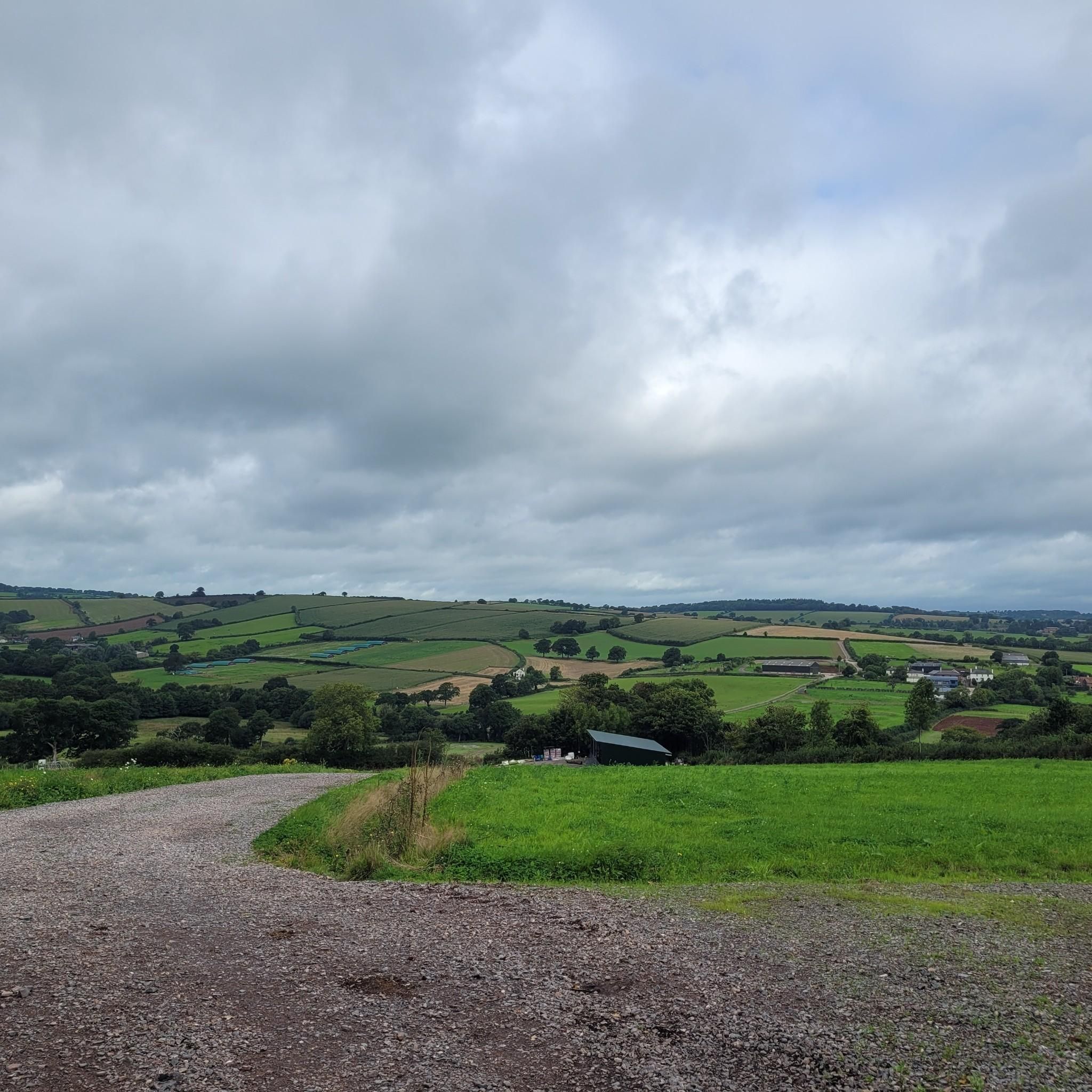
Best natural monuments around Broadclyst are found within its rolling Devonshire hills, working farmland, rivers, meadows, and woodlands. The area offers diverse landscapes, including expansive forests and historic sites, providing opportunities for exploration. These natural features contribute to a rich ecosystem, supporting varied wildlife and plant life. Broadclyst's natural monuments are integral to its character, offering numerous paths for walking and appreciating the region's natural beauty.
Best natural monuments around Broadclyst
- The most popular natural monuments is Woodbury Castle — Iron Age hillfort, a forest that sits high on beautiful heathland with exceptional earthworks. It is a free-to-access site within the Pebblebed Heaths Conservation Area, home to diverse bird, animal, and plant life.
- Another must-see spot is Pixie's Parlour Cave, a natural monument and historical site. This cave, located on the east bank of the River Otter, is associated with local folklore and traditions.
- Visitors also love Blackhill Quarry Lake, a lake that is part of a restored heathland habitat. This area encourages a diversity of wildlife and birds, including semi-feral ponies, lizards, dragonflies, and butterflies.
- Broadclyst is known for its forests, lakes, and historical natural monuments. The area offers a variety of natural monuments to see and explore, from ancient hillforts to restored quarry lakes and traditional caves.
- The natural monuments around Broadclyst are appreciated by the komoot community, with more than 100 upvotes and 13 photos shared by visitors.
Last updated: May 17, 2026
Woodbury Castle — Iron Age hillfort
Highlight • Forest
Much stewardship work has gone on in recent years, with earthwork stabilisation and strategic tree management. The castle is free to access and is a fantastic place to see in every season. It also lies within the Pebblebed Heaths Conservation Area and is home to a variety of bird, animal and plant life.
Tip by

Blackhill Quarry Lake
Highlight • Lake
Tip by
Sign up now to discover places like this
Get recommendations on the best single tracks, peaks, & plenty of other exciting outdoor places.
Sign up for free
St Swithun's Church and Holy Well
Highlight • Natural Monument
If you hike up the lane opposite towards the village centre, you'll find the holy well embedded into a grassy bank on the eastern side.
Tip by
Pixie's Parlour Cave
Highlight • Natural Monument
Tip by

Killerton House
Highlight • Historical Site
The estate covers some 2590 hectares (25.9 km2, 6400 acres). Included in the Estate is a steep wooded hillside with the remains of an Iron Age Hill fort on top of it, also known as Dolbury which has also yielded evidence of Roman occupation, thought to be a possible fort or marching camp within the Hill fort.
Killerton House itself and the Bear's Hut summerhouse in the grounds are Grade II listed buildings. The gardens are Grade II listed in the National Register of Historic Parks and Gardens.
Tip by

Start today with a free account
Your next adventure awaits.
Login or Signup
Tips from the Community

Dipped in her for lunch as its nice a sheltered
1
0

Gnarly track through the woods - there are a few stream crossings to negotiate too.
1
0

Scooped some water out, filtered it and a made a coffee.
3
0

This cave, known locally as 'Pixie's Parlour', is situated on the east bank of the River Otter, near Ottery St. Mary, Devon. Pixie Day is an old tradition which takes place annually in June, commemorating a legend that tells of of pixies being banished from the town to the local caves known as the 'Pixie's Parlour'.
1
0

Fascinating bit of history to explore here, also keep an eye out for the Jackdaws nesting in the trees.
2
0

This proud, medieval church stands on the edge of Shobrooke village and, like so many churches in the area, has wonderful views over the rolling, pastoral landscape. The church dates back to the 15th century but the interior is considerably younger, mostly Victorian. If you hike up the lane opposite towards the village centre, you'll find the holy well embedded into a grassy bank on the eastern side.
3
0

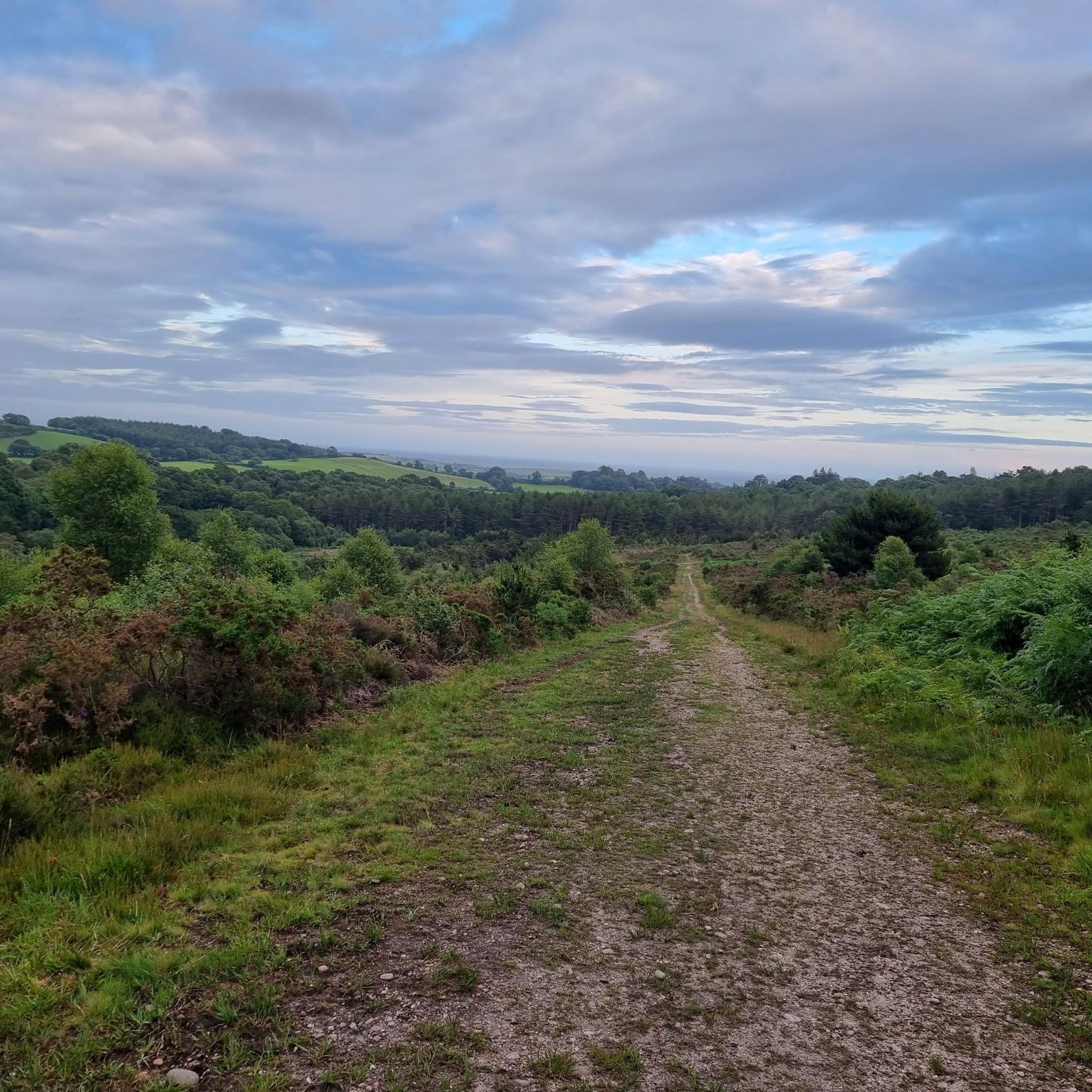
An Iron Age hillfort now cloaked in beech trees, Woodbury Castle sits high on beautiful heathland. It has exceptional earthworks and you can roam amongst its ramparts and down into its heart. You’ll find interpretation boards dotted around the castle, explaining the importance of the fort and plenty of archaeological details. Much stewardship work has gone on in recent years, with earthwork stabilisation and strategic tree management. The castle is free to access and is a fantastic place to see in every season. It also lies within the Pebblebed Heaths Conservation Area and is home to a variety of bird, animal and plant life. Please don't ride your bike on this Scheduled Monument.
2
0
Blackhill Quarry (or Black Hill Quarry), is now defunct and is slowly being restored to heathland habitat. This restoration includes open water habitats and the diversity of terrain encourages a similar diversity of wildlife and birds to the area. Semi-feral ponies also graze parts of the area and stay out year round, so you’ve got a great chance to see these native ponies. Lizards, dragonflies and butterflies are all now making a strong comeback.
1
0
Frequently Asked Questions
What diverse natural monuments can I explore around Broadclyst?
Beyond the well-known spots, Broadclyst offers a variety of natural monuments. You can visit St Swithun's Church and Holy Well, a medieval church with a historic well offering views over the pastoral landscape. The area also features expansive natural spaces like the Clyst Valley Regional Park, which includes rivers, meadows, and woodlands, and the significant Ashclyst Forest, known for its biodiversity.
Are there family-friendly natural monuments near Broadclyst?
Yes, several natural monuments in the Broadclyst area are suitable for families. The Killerton Estate, while known for its historic house, also features extensive parkland and gardens perfect for leisurely walks and picnics. The planned Clyst Meadows Country Park will also offer accessible routes and spaces for families to connect with nature.
What kind of wildlife can I expect to see at Broadclyst's natural monuments?
The natural monuments around Broadclyst are rich in wildlife. At Blackhill Quarry Lake, you might spot semi-feral ponies, lizards, dragonflies, and butterflies. Ashclyst Forest is a haven for butterflies, bluebells, and various bird species, while the Clyst Valley Regional Park supports diverse flora and fauna across its river, meadow, and woodland habitats.
What historical natural monuments are there to visit in Broadclyst?
Broadclyst is home to several natural monuments with significant historical value. Woodbury Castle — Iron Age hillfort is a fascinating site with exceptional earthworks. You can also explore Pixie's Parlour Cave, a natural cave linked to local folklore, and the ancient St Swithun's Church and Holy Well.
What outdoor activities can I do near these natural monuments?
The area around Broadclyst offers numerous opportunities for outdoor activities. You can enjoy hiking on trails like the 'Columbjohn Chapel – Killerton Parkland Bridleway loop' or 'Killerton Gravel – Columbjohn Chapel loop'. For cycling, options range from easy routes like 'Beaver Activity Signs – The Cranberry Farm loop' to more challenging ones like the 'Exe Estuary Trail'. Find more details on routes in the hiking guide and cycling guide for Broadclyst.
Are there any accessible natural monuments for visitors with mobility considerations?
While specific accessibility details vary, the newly approved Clyst Meadows Country Park is designed to include a variety of walking paths and will offer accessible routes for connecting with nature. The Clyst Valley Regional Park also aims to connect communities with nature through new traffic-free trails, which may offer more accessible sections.
What is the best time of year to visit the natural monuments in Broadclyst?
The natural monuments in Broadclyst can be enjoyed year-round, but spring and summer are particularly vibrant. Ashclyst Forest is known as a haven for bluebells in spring and butterflies in summer. The diverse landscapes of the Clyst Valley Regional Park and Killerton Estate are beautiful during warmer months, offering lush greenery and active wildlife.
Are there dog-friendly trails at Broadclyst natural monuments?
Many of the natural areas around Broadclyst are dog-friendly. The planned Clyst Meadows Country Park will include dedicated spaces for dog owners. Open spaces like Woodbury Castle — Iron Age hillfort, situated on heathland, are generally suitable for dogs, though it's always best to keep them under control, especially near wildlife or livestock.
Where can I find parking when visiting natural monuments in Broadclyst?
Parking availability varies by location. Larger sites like the Killerton Estate typically have designated car parks. For other natural monuments such as Woodbury Castle, parking is usually available in nearby lay-bys or small car parks associated with the heathland access points. Always check local signage for specific parking regulations.
What should I wear for hiking or exploring the natural monuments near Broadclyst?
Given the varied terrain of rolling hills, woodlands, and meadows, it's advisable to wear comfortable, sturdy footwear suitable for walking, such as hiking boots or robust trainers. Layered clothing is recommended to adapt to changing weather conditions, and waterproofs are always a good idea in Devon, regardless of the season.
Are there any hidden gem natural monuments around Broadclyst that are less crowded?
While not widely publicized, the Pin Brook Country Park is mentioned as one of the green spaces within or near Broadclyst Parish, likely offering a quieter natural retreat for local residents and visitors seeking a less crowded experience. Exploring the less-trafficked paths within Ashclyst Forest or the broader Clyst Valley Regional Park can also lead to peaceful discoveries.
What do visitors enjoy most about the natural monuments in Broadclyst?
Visitors particularly appreciate the blend of natural beauty and historical significance. The exceptional earthworks at Woodbury Castle and the folklore surrounding Pixie's Parlour Cave are often highlighted. The opportunity to observe diverse wildlife, such as the semi-feral ponies at Blackhill Quarry Lake, also adds to the appeal, offering a rich and engaging outdoor experience.
Most popular routes around Broadclyst
Most popular attractions around Broadclyst

Get inspired with the komoot mobile app


Explore more
Extend your search for the best caves by checking out these guides of the top ones around Broadclyst:
