Top 19 Natural Monuments around Lindford
Best natural monuments around Lindford are found in a region characterized by its diverse natural landscape, including river systems, woodlands, and significant geological formations. The area offers a variety of natural features, from ancient trees to expansive viewpoints. Visitors can explore 19 natural monuments, providing opportunities for outdoor activities and connecting with nature. This guide highlights key natural attractions, showcasing the region's unique environmental heritage.
Best natural monuments around Lindford
- The most popular natural monument is View of the Devil's…
Last updated: June 29, 2026
Devil's Punch Bowl Picnic Site
Highlight • Viewpoint
Tip by

Surrey Hills National Landscape Trail
Highlight • Natural Monument
Tip by

Sign up now to discover places like this
Get recommendations on the best single tracks, peaks, & plenty of other exciting outdoor places.
Sign up for free
Top of Highcombe Copse
Highlight • Natural Monument
Tip by

View of the Devil's Punchbowl
Highlight • Natural Monument
Tip by
Temple of the Four Winds Viewpoint
Highlight • Historical Site
Tip by

Sign up for free to discover even more natural monuments around Lindford.
Sign up for free
Already have an account?
Start today with a free account
Your next adventure awaits.
Login or Signup
Tips from the Community

Hindhead Commons is a sprawling, 282-hectare nature reserve in Surrey, managed by the National Trust. Designated as a Site of Special Scientific Interest (SSSI) and part of the Surrey Hills National Landscape, it represents one of the region's most ecologically valuable and historically dramatic landscapes. The Landscape: Sitting roughly 250 meters above sea level, it features a rare, cooler microclimate that supports a rich mosaic of ancient woodland, valleys, and vibrant lowland heath. This habitat is a lifeline for threatened wildlife, including Exmoor ponies, adders, and rare ground-nesting birds like the nightjar. The Devil's Punch Bowl: This massive, spring-eroded sandstone amphitheater dominates the eastern side of the commons, offering sweeping views that stretch all the way to the London skyline on clear days. The Great Transformation: For decades, Hindhead Commons was physically severed in two by the roar of the old A3 highway. Following the construction of the Hindhead Tunnel directly beneath the common in 2011, the old road surface was completely removed, allowing nature to heal and creating peaceful, car-free trails for walkers and cyclists.
0
0
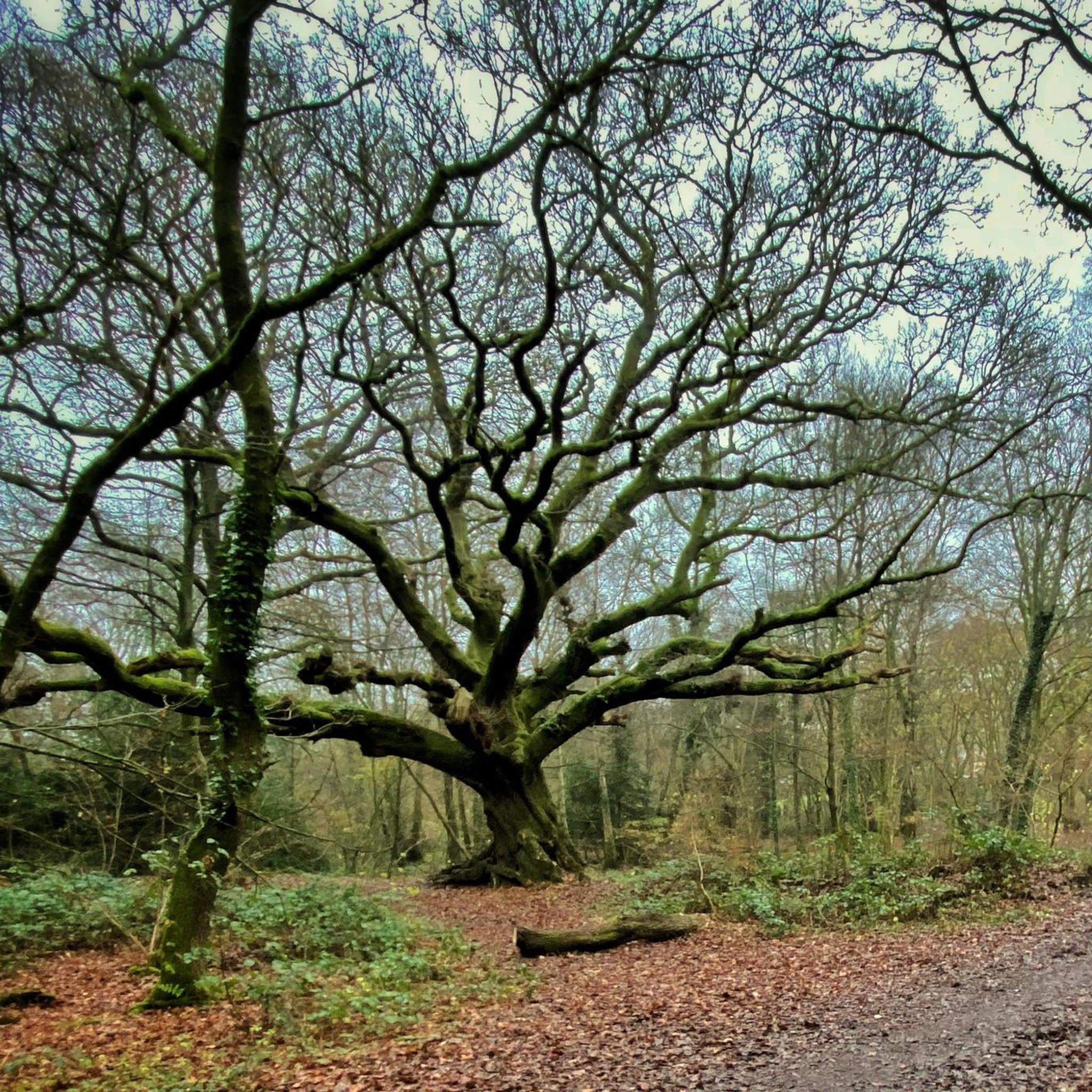
At the top of Highcombe Copse, along Highcombe Edge, the ancient woodland gives way to a breezy ridge. Here stands the granite Robertson Memorial obelisk, overlooking a sweeping, panoramic view of the Devil’s Punch Bowl. It marks a peaceful resting point before trails descend steeply into the valley.
0
0
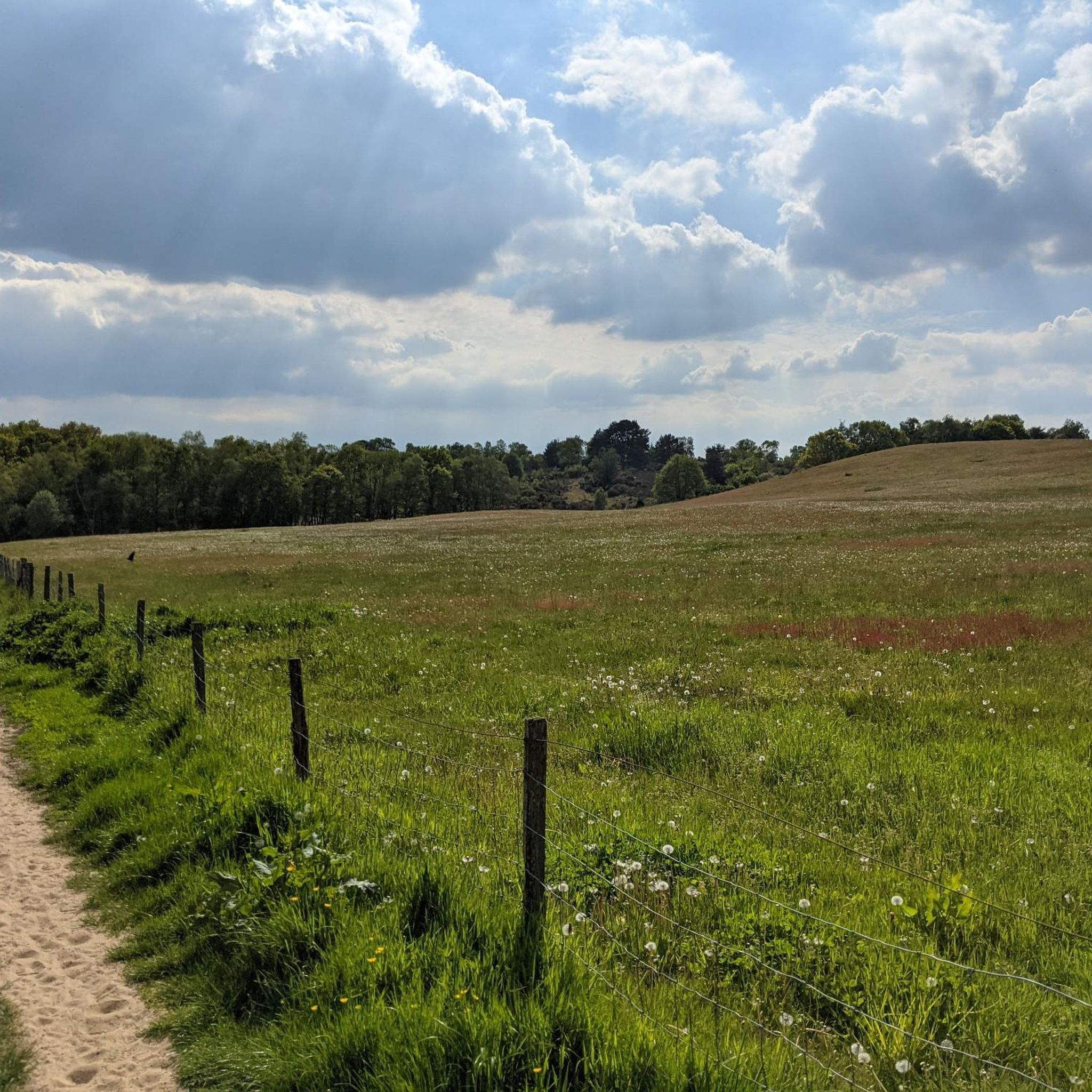
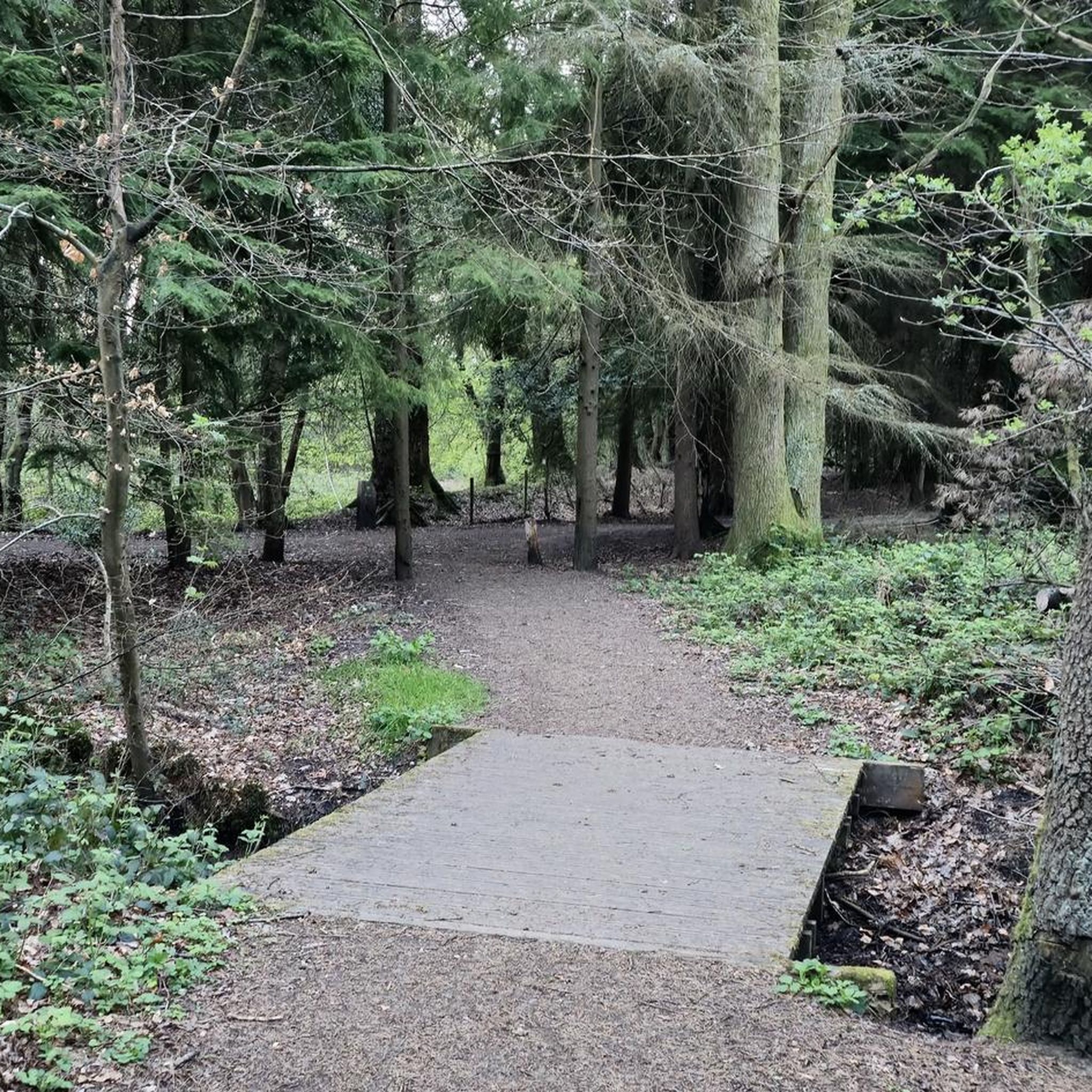
The picnic area at the Devil's Punch Bowl provides an ideal outdoor setting to relax and dine before or after exploring the Surrey Hills. Located right next to the main Devil's Punchbowl Car Park, this family-friendly zone serves as the central hub for visitors preparing to take on the nearby walking trails. The area is beautifully integrated into the surrounding landscape, featuring open, grassy spots sheltered by mature trees.
0
0
Built around 1910 by shipbuilder Viscount Pirrie, the Temple of the Four Winds was a grand stone hunting lodge and viewing pavilion. After falling into severe disrepair, the unsafe structure was dismantled in 1966. Today, only its restored stone plinth remains on Hurt Hill, offering magnificent, sweeping views.
0
0
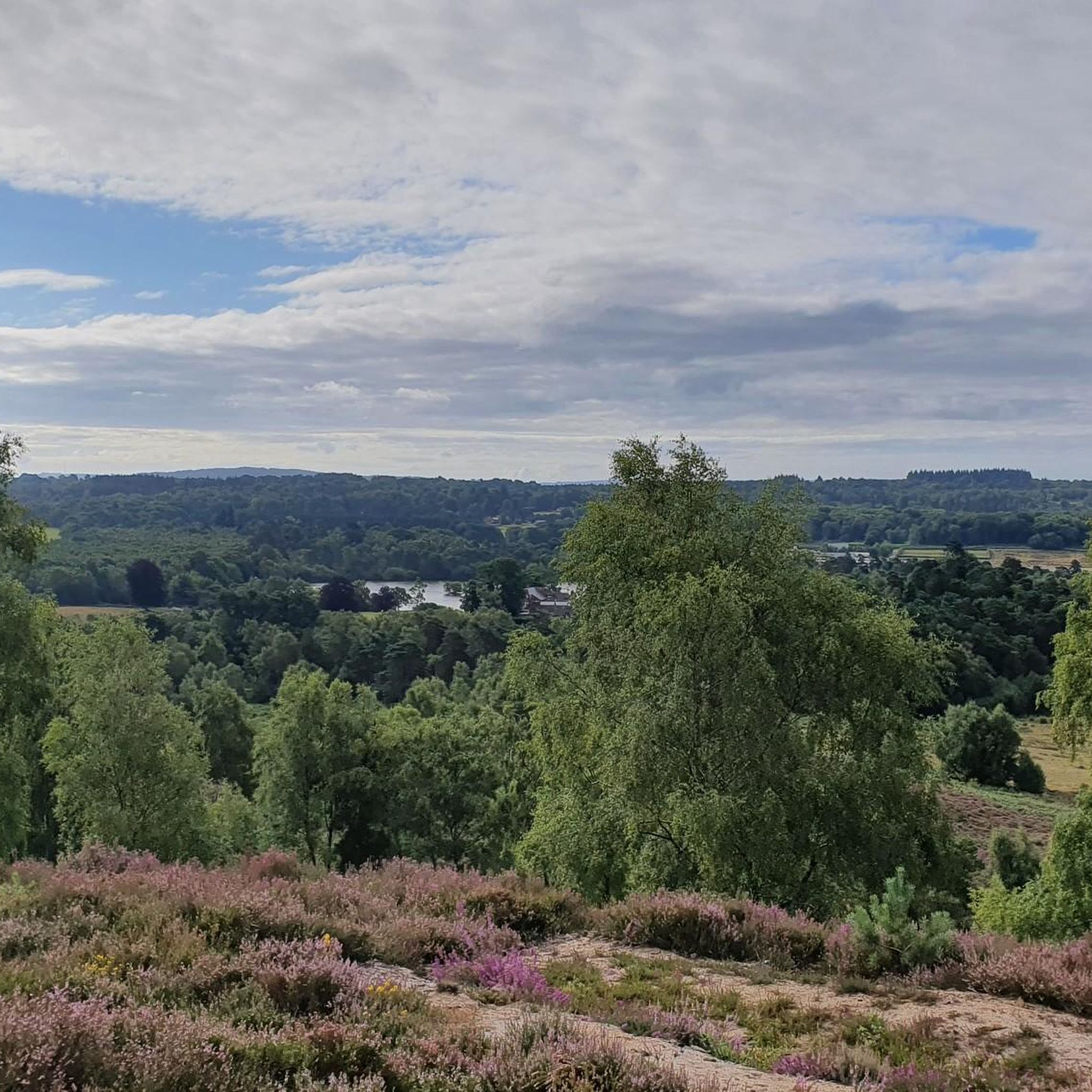
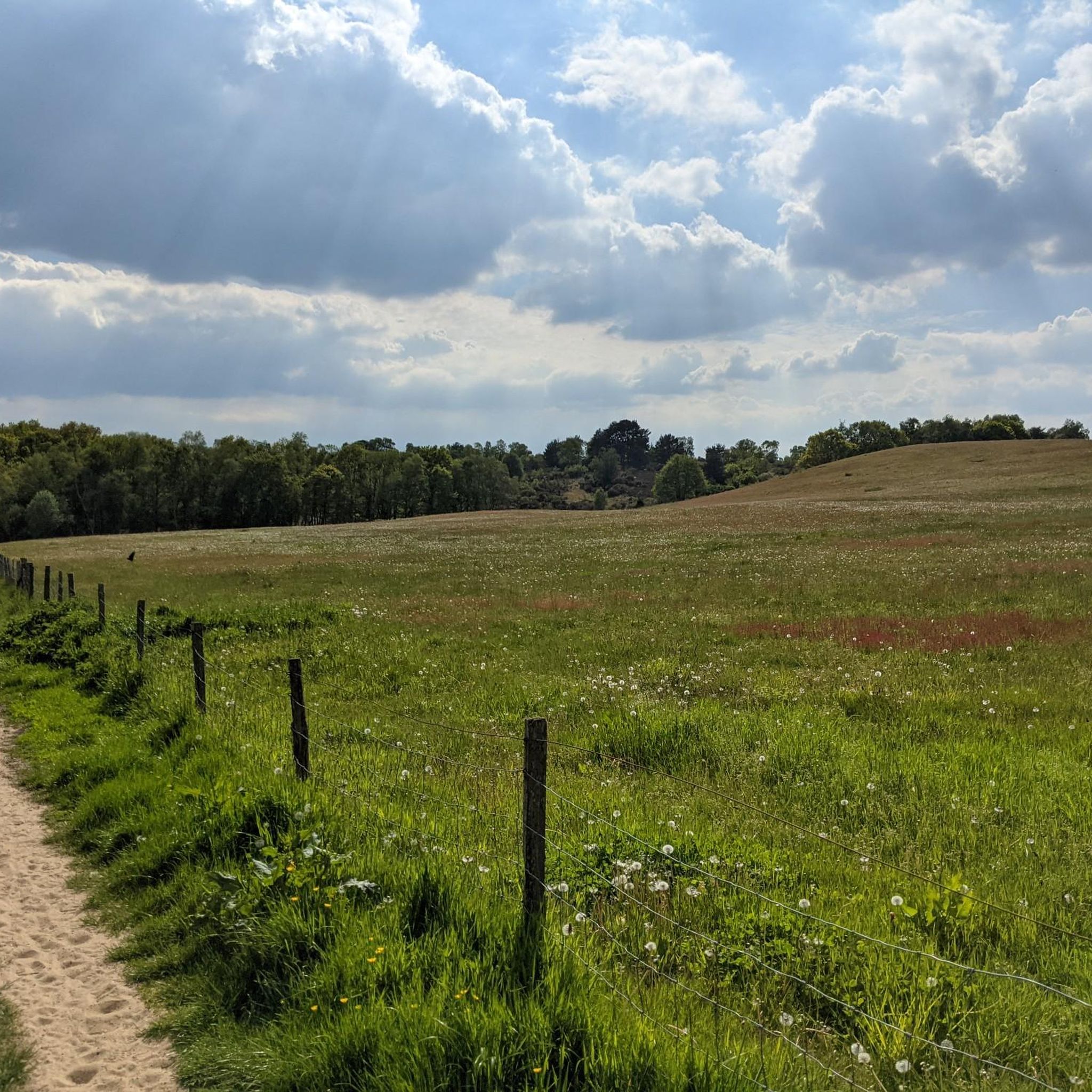
Looking out from the rim of the Devil’s Punch Bowl, you’re treated to a spectacular vista of a massive, natural hollow carved into the Surrey Hills. The sweeping valley below is alive with a colorful patchwork of purple heather, bright gorse, and thick woods, while sharp eyes might catch the London skyline far in the distance on a clear day.
0
0

amazing scenery once you get to the national trust park. the. the path follows some good downhill and uphill areas where you are also met with a view of London in the far far distance. truly recommend!
0
0


No trip to the Punchbowl is complete without taking in the view from the dedicated viewpoint just beyond the National Trust cafe. A relief on a large stone on the viewing platform gives more information about what you can see.
1
0
Frequently Asked Questions
What are some of the most notable natural monuments and areas to explore around Lindford?
Lindford is surrounded by diverse natural landscapes. You can visit the View of the Devil's Punchbowl, a significant natural monument offering expansive vistas. The Devil's Punch Bowl Picnic Site provides facilities and easy access to the area. For a historical natural feature, consider the Ancient Yew Tree at St. Mary’s Church in the South Downs National Park. Beyond these, the River Wey forms a natural boundary with historic watermeadows, and nearby Bordon Inclosure and Hogmoor Inclosure offer trails and wildlife.
Are there family-friendly natural monuments or activities near Lindford?
Yes, several natural monuments around Lindford are suitable for families. The Devil's Punch Bowl Picnic Site is ideal, featuring numerous picnic benches, seating areas, and facilities like a cafe and toilets, with activities for children. The View of the Devil's Punchbowl is also family-friendly, offering dedicated viewpoints. Additionally, Bordon Inclosure and Hogmoor Inclosure provide natural play areas and well-maintained paths for family walks.
What kind of outdoor activities can I do near these natural monuments?
The area around Lindford offers a variety of outdoor activities. You can enjoy hiking on trails like the Broxhead Common and Shipwrights Way Loop or explore Alice Holt Forest. For running, there are routes such as the Woolmer Ranges Gravel Track. Many of these activities allow you to experience the natural beauty of the region, including woodlands and riverbanks. Find more details on specific routes in the Hiking around Lindford and Running Trails around Lindford guides.
Are there specific hiking trails or walking routes recommended near Lindford's natural monuments?
Absolutely. For hiking, consider the 'Broxhead Common and Shipwrights Way Loop' or 'The King Oak – Kingsley Pond loop from Bordon,' both rated moderate. If you prefer easier walks, the 'Passfield Water Meadows loop from Headley' is a good option. These trails allow you to explore the diverse landscapes, including woodlands and water meadows. You can find more hiking options in the Hiking around Lindford guide.
What natural features can I expect to see when visiting Lindford?
Lindford is rich in natural features. The River Wey, with its historic watermeadows and diverse habitats, is a prominent feature. You'll also find extensive woodlands, such as those in Bordon Inclosure and Hogmoor Inclosure, known for wildlife and trails. The Devil's Punchbowl area offers dramatic valleys and viewpoints. Further afield, Little Linford Wood in Buckinghamshire is an ancient woodland reserve with mature oaks, bluebells, and diverse wildlife like hazel dormice and various butterflies.
Is parking available at the natural monuments near Lindford?
Yes, parking is available at some key natural monuments. For instance, the Devil's Punch Bowl Picnic Site has a pay car park managed by the National Trust. It's recommended to check specific locations for parking availability and any associated fees, as some smaller green spaces or trailheads might have limited or no dedicated parking.
What do visitors enjoy most about the natural monuments around Lindford?
Visitors frequently praise the stunning views, especially from spots like the View of the Devil's Punchbowl, which offers expansive vistas. The availability of facilities, such as the National Trust cafe and toilets at the Devil's Punch Bowl Picnic Site, is also highly appreciated. Many enjoy the sense of nature reclaiming land, as seen from the Top of Highcombe Copse, and the peaceful, historical atmosphere of sites like the Ancient Yew Tree at St. Mary’s Church.
Are there any less-known or 'hidden gem' natural monuments worth exploring?
While the Devil's Punchbowl is well-known, exploring the local Green Spaces within Lindford itself, such as the Triangle, Mimosa Green, and Pear Tree Green, can offer accessible, quieter spots for relaxation. For a more extensive natural experience slightly further afield, Little Linford Wood in Buckinghamshire is a significant ancient woodland nature reserve, managed for its unique flora and fauna, offering a sense of timelessness away from more crowded areas.
What is the best season to visit the natural monuments around Lindford?
The natural monuments around Lindford offer beauty throughout the year. Autumn is particularly recommended for places like the Top of Highcombe Copse, where the views are described as beautiful. Spring brings vibrant ground flora like bluebells to ancient woodlands such as Little Linford Wood. Summer is ideal for longer walks and picnics, while winter can offer crisp, clear views, though some paths might be muddy.
Are there any natural monuments with historical significance in the area?
Yes, the Ancient Yew Tree at St. Mary’s Church in the South Downs National Park is a notable historical natural monument, recognized as one of the oldest Yew trees in the UK. Additionally, the River Wey's historic watermeadows near Lindford offer a glimpse into past agricultural practices and the long-standing interaction between humans and the natural environment.
Can I find natural monuments suitable for intermediate or challenging hikes?
Yes, the area provides options for various difficulty levels. The Top of Highcombe Copse and Hindhead Trig Point are categorized as intermediate natural monuments, often involving a 'long drag' or a 'slightly long drag up.' The View of the Devil's Punchbowl also has routes that can be challenging, particularly when climbing anticlockwise from Sailors Lane.
Most popular routes around Lindford
Most popular attractions around Lindford

Get inspired with the komoot mobile app


Explore more
Extend your search for the best caves by checking out these guides of the top ones around Lindford:
