Top 9 Natural Monuments around Stanford Rivers
Best natural monuments around Stanford Rivers are located in and around this village and civil parish in Essex, England. The area features a rural landscape, characterized by ancient woodlands and historical sites, offering opportunities for outdoor exploration. Stanford Rivers provides access to natural features within the wider Epping Forest district. The region's natural attractions include remnants of ancient forests and historical earthworks.
Best natural monuments around Stanford Rivers
- The most popular natural monuments is Ambresbury Banks — Iron Age hillfort…
Last updated: June 29, 2026
The Deer Sanctuary, Epping Forest
Highlight • Forest
Tip by

Ambresbury Banks — Iron Age hillfort
Highlight • Forest
Tip by

Sign up now to discover places like this
Get recommendations on the best single tracks, peaks, & plenty of other exciting outdoor places.
Sign up for free
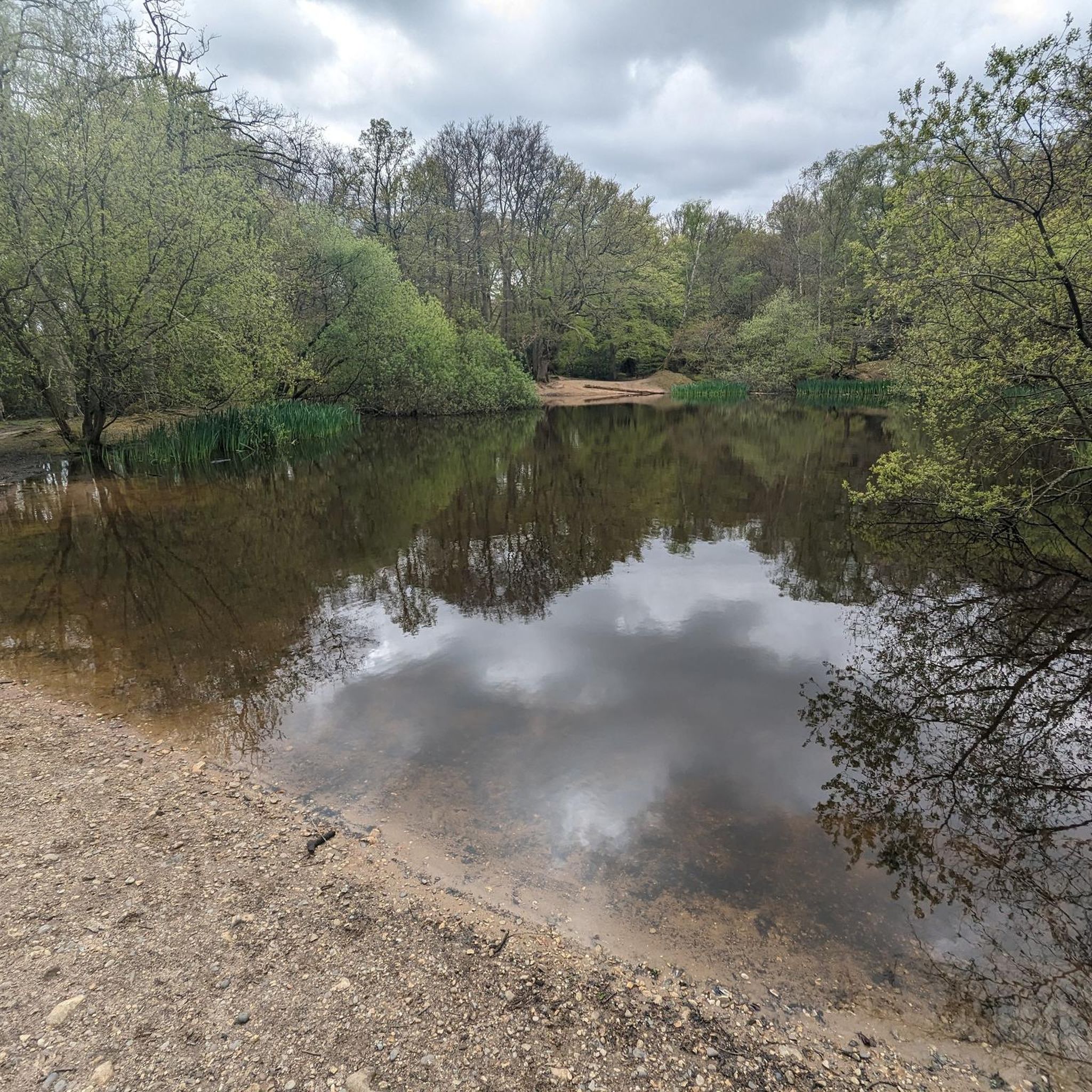
Gernon Bushes Nature Reserve
Highlight • Forest
Tip by

Havering Country Park
Highlight • Historical Site
Tip by

Loughton Camp Iron Age Hill Fort
Highlight • Historical Site
Tip by

Sign up for free to discover even more natural monuments around Stanford Rivers.
Sign up for free
Already have an account?
Start today with a free account
Your next adventure awaits.
Login or Signup


Tips from the Community

A great place for a walk before paying a visit to the Garnon Bushes pub in Coopersale!🙂
0
0

This deer sanctuary is home to a population of fallow deer and is located on the edge of Epping Forest. The sanctuary is part of Epping Forest's long history of deer conservation, dating back to medieval times when the forest was a royal hunting ground.
1
0

An Iron Age hill fort and camp now within Epping Forest. It would have been busier here in around 500BCE when the camp was inhabited. The earth works which are still visible consist of a low bank and ditch encircling about 10 acres (4 hectares), this would have been the edge of the main camp.
1
0

It's often possible to spot the Deer Sanctuary's fallow deer inhabitants from the trails in this part of Epping Forest. Once a Royal hunting forest, Epping has had a long association with deer. The increase in road traffic through the forest in the 1950s meant deer were often getting hit by cars. The sanctuary was set up in 1959 to protect them.
0
0
An Iron Age hillfort once stood here, in the northern reaches of Epping Forest. The earthworks are still clearly visible and would have protected an area of 11 acres (4.5 hectares). The legend goes that Boudica's last stand against the Romans occurred here, though there's no actual evidence that this is the case.
0
0

This peaceful country park is the perfect place to go for a quiet stroll. There are giant redwoods here, a rare sight in England and they form a stunning avenue. The park was originally part of the royal Havering Palace estate and Charles I stayed here in the 17th century. Today, it's simply a glorious place for a walk and the London LOOP path travels through it.
0
0

Deer sightings not guaranteed! (Although we did spot a few does in the distance.)
0
0

Frequently Asked Questions
What kind of natural features can I expect to see around Stanford Rivers?
The area around Stanford Rivers is characterized by ancient woodlands, historical earthworks, and nature reserves. You'll find remnants of ancient forests and sites like Ambresbury Banks — Iron Age hillfort and Loughton Camp Iron Age Hill Fort, which feature visible earthworks within Epping Forest. Gernon Bushes Nature Reserve is another example, preserving ancient woodland with rare marsh plants.
Are there any family-friendly natural monuments near Stanford Rivers?
Yes, several natural monuments are suitable for families. Havering Country Park offers a peaceful environment for walks and features giant redwoods. The Deer Sanctuary, Epping Forest, is another family-friendly spot where you might spot fallow deer, though sightings are not guaranteed.
What historical significance do the natural monuments in this region hold?
Many natural monuments around Stanford Rivers are deeply intertwined with history. For instance, Ambresbury Banks — Iron Age hillfort and Loughton Camp Iron Age Hill Fort are ancient earthworks within Epping Forest, dating back to the Iron Age. Havering Country Park was once part of the royal Havering Palace estate.
What outdoor activities can I do near these natural monuments?
The area offers various outdoor activities. You can find numerous routes for jogging, cycling, and hiking. For example, there are several running trails around Stanford Rivers, including the 'Epping Pond loop from Epping Forest'. Cyclists can explore routes like the 'Woodridden Hill, Epping Forest – Epping Forest Gravel Trails loop'. For easy hikes, consider the 'Gernon Bushes Nature Reserve loop'. You can find more details on these activities in the Running Trails around Stanford Rivers, Cycling around Stanford Rivers, and Easy hikes around Stanford Rivers guides.
Are there specific hiking trails to explore the natural monuments?
Yes, there are hiking trails that lead through or near these natural monuments. For instance, the London LOOP path travels through Havering Country Park. You can also find easy hiking loops like the 'Gernon Bushes Nature Reserve loop from Epping Forest' which takes you through ancient woodland. For more options, refer to the Easy hikes around Stanford Rivers guide.
What is the best time to visit the natural monuments around Stanford Rivers?
The natural monuments around Stanford Rivers, being primarily woodlands and nature reserves, can be enjoyed year-round. Spring and summer offer lush greenery and blooming plants, while autumn provides beautiful foliage. Winter walks can be peaceful, though some paths might be muddy. Always check local conditions before your visit.
Are dogs allowed on trails around the natural monuments?
Generally, dogs are welcome on many public footpaths and trails in the countryside around Stanford Rivers, including within Epping Forest and nature reserves. However, it's always best to keep dogs on a lead, especially near wildlife, livestock, or in designated nature reserve areas like Gernon Bushes Nature Reserve, to protect the local flora and fauna.
What are the terrain and difficulty levels of trails near these natural monuments?
The terrain around Stanford Rivers is generally rural and varied, ranging from relatively flat paths in country parks to slightly undulating trails within woodlands. Many trails are considered easy to moderate. For example, the 'Ongar Food & Wine – Chipping Ongar Castle loop' is an easy hike, while some running and cycling routes can be moderate or difficult due to distance. Always check the specific route details for elevation and difficulty before heading out.
Are there any hidden natural gems or less-known spots worth exploring?
While the main highlights are well-regarded, the broader Epping Forest district, which encompasses many of these natural monuments, holds numerous smaller, less-frequented paths and clearings. Exploring areas like Gernon Bushes Nature Reserve, a remnant of old Coopersale Common, can reveal rare marsh plants and a quieter experience away from more popular spots.
What do visitors enjoy most about the natural monuments around Stanford Rivers?
Visitors appreciate the peaceful environment for walks, the historical significance of sites like the Iron Age hillforts, and the opportunity to connect with nature. The presence of ancient woodlands and the chance to spot wildlife, such as the fallow deer at The Deer Sanctuary, Epping Forest, are frequently highlighted. The komoot community has shared 23 photos and given 73 upvotes, indicating a positive experience.
Where can I find parking when visiting these natural monuments?
Parking availability varies by location. For areas within Epping Forest, there are often designated car parks. For specific nature reserves or country parks like Havering Country Park, dedicated parking facilities are usually provided. It's advisable to check the specific highlight or reserve's information for the most accurate parking details before your visit.
Is public transport available to reach natural monuments near Stanford Rivers?
Public transport options to reach the more rural natural monuments directly might be limited. Stanford Rivers itself is a village in Essex. While there may be local bus services, accessing specific woodland or reserve entrances often requires a combination of public transport and walking, or personal vehicle. For broader areas like Epping Forest, train stations (e.g., Epping) can provide access points, but further travel to specific natural monuments might be needed.
Most popular routes around Stanford Rivers
Most popular attractions around Stanford Rivers

Get inspired with the komoot mobile app


Explore more
Extend your search for the best caves by checking out these guides of the top ones around Stanford Rivers:
