Top 4 Natural Monuments around Barling Magna
Natural monuments around Barling Magna offer diverse natural landscapes and historical points of interest. The region features a mix of coastal areas, woodlands, and nature reserves, providing opportunities for outdoor exploration. Barling Magna is home to 4 natural monuments, including the Barling Magna Wildlife Reserve, a 12-acre sanctuary with diverse habitats. These sites contribute to the area's appeal for those seeking natural environments.
Best natural monuments around Barling Magna
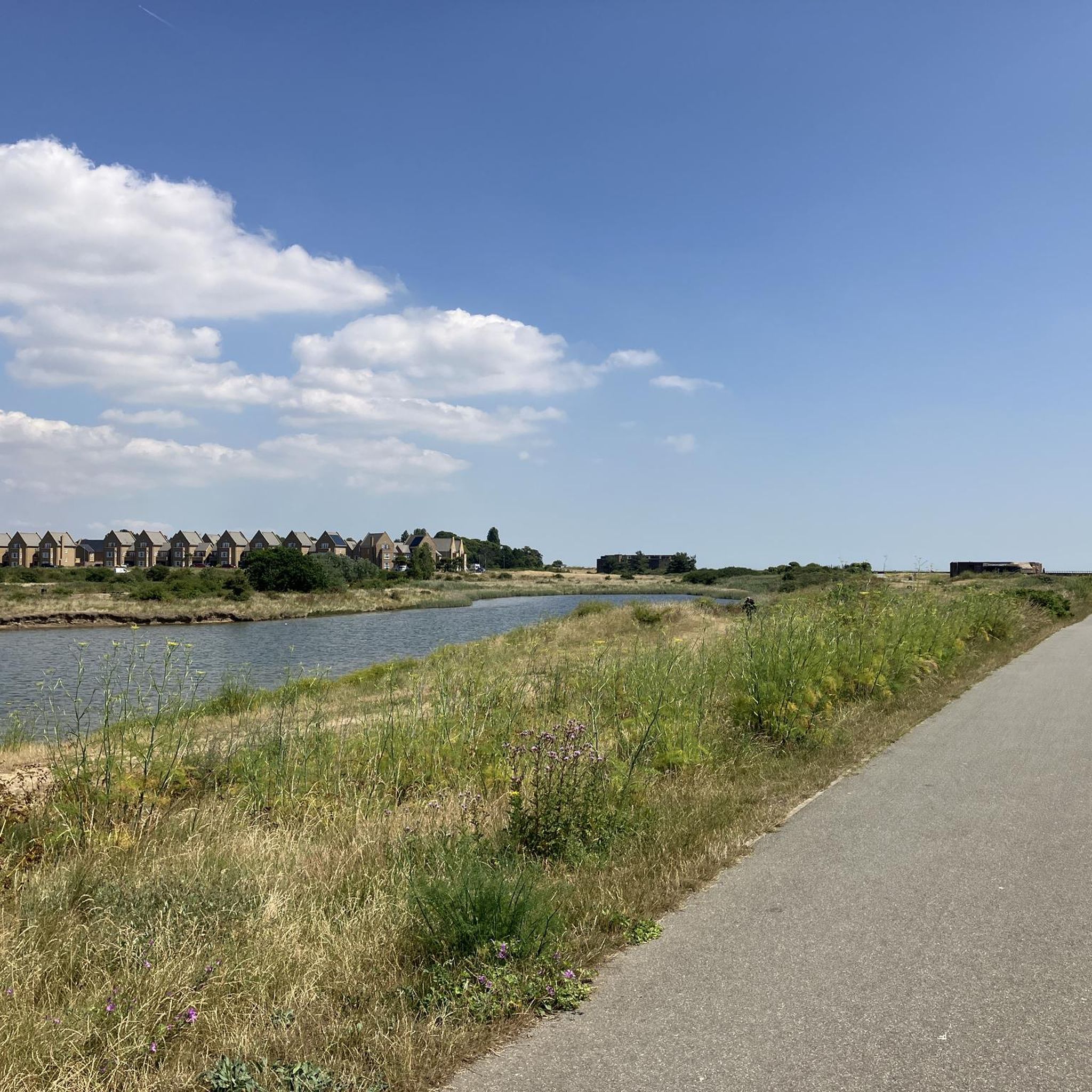
- The most popular natural monuments is Lion Creek Nature Reserve, a natural monument that was once part of the Crouch Estuary. It was transformed into a nature reserve with the building of the sea wall.
- Another must-see spot is Pound Woods, a historical site with natural monument features. Visitors can expect well-preserved medieval wood banks, numerous ponds, and serene dells, with bluebells in season and opportunities for birdwatching.
- Visitors also love Magnolia Nature Reserve, a woodland with a network of pathways. This reserve, once a brickworks, offers a circular trail and opportunities to observe local wildlife, including songbirds.
- Barling Magna is known for nature reserves, woodlands, and historical sites with natural elements. The area offers a variety of natural monuments to see and explore, from coastal features to forested trails.
- The natural monuments around Barling Magna are appreciated by the komoot community. These locations have gathered more than 50 upvotes and over 120 photos from visitors.
Last updated: June 29, 2026
The Crowstone
Highlight • Monument
Tip by

Lion Creek Nature Reserve
Highlight • Natural Monument
Tip by

Sign up now to discover places like this
Get recommendations on the best single tracks, peaks, & plenty of other exciting outdoor places.
Sign up for free
Pound Woods
Highlight • Historical Site
Come here at the right time, and it promises a breathtaking spectacle of bluebells adorning the forest floor, while your ears may catch the familiar drumming rhythm of the great spotted woodpecker.
Tip by

Magnolia Nature Reserve
Highlight • Natural
Tip by
Shipwreck at Paglesham Pool
Highlight • Historical Site
Further downstream, attention is drawn to a substantial box-shaped structure - the rusted metal core of a shipwrecked wooden vessel. A handful of derelict boats rest near the oyster beds, and just beyond, concealed beneath the marshland, lies the remains of the HMS Beagle.
Tip by
Start today with a free account
Your next adventure awaits.
Login or Signup
Tips from the Community

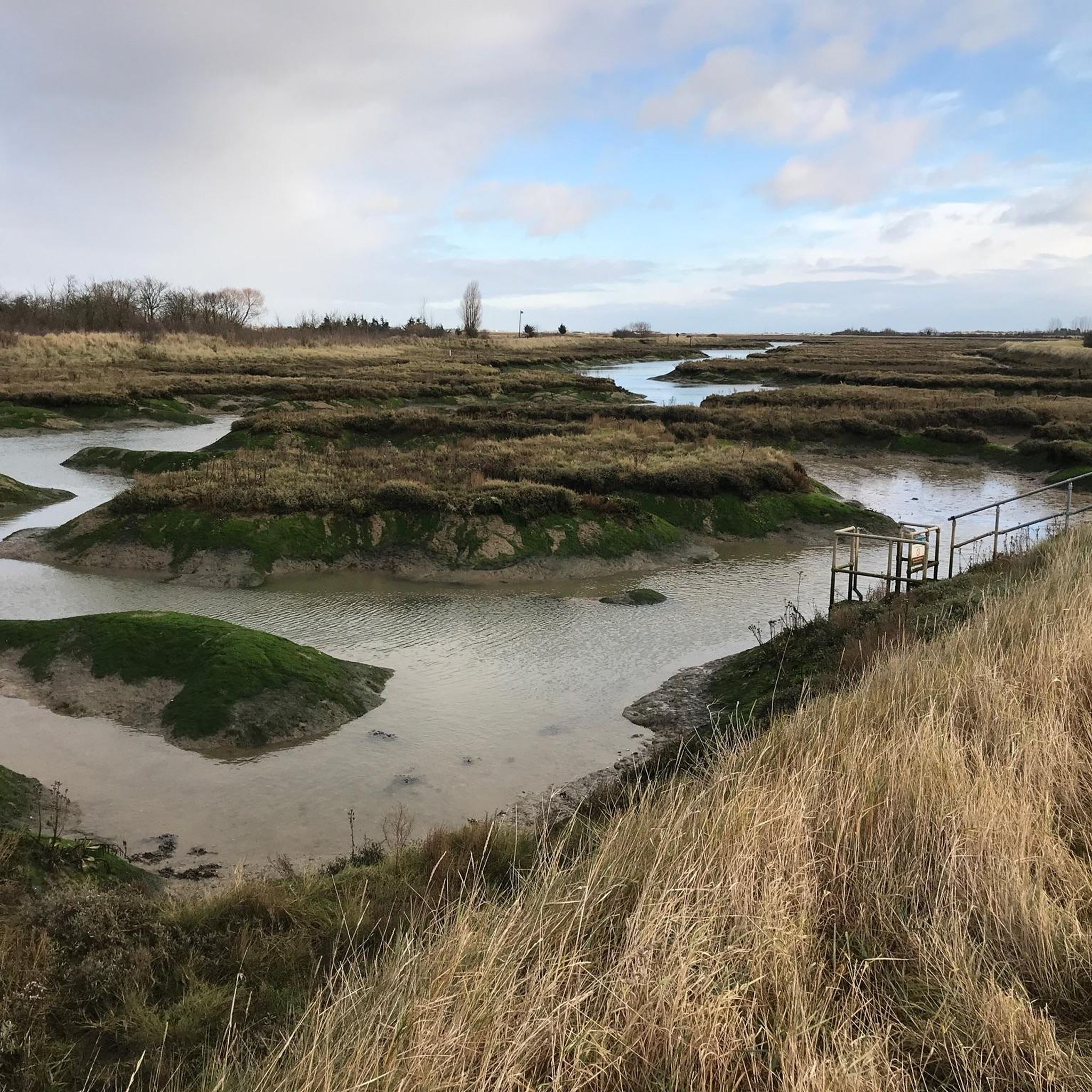
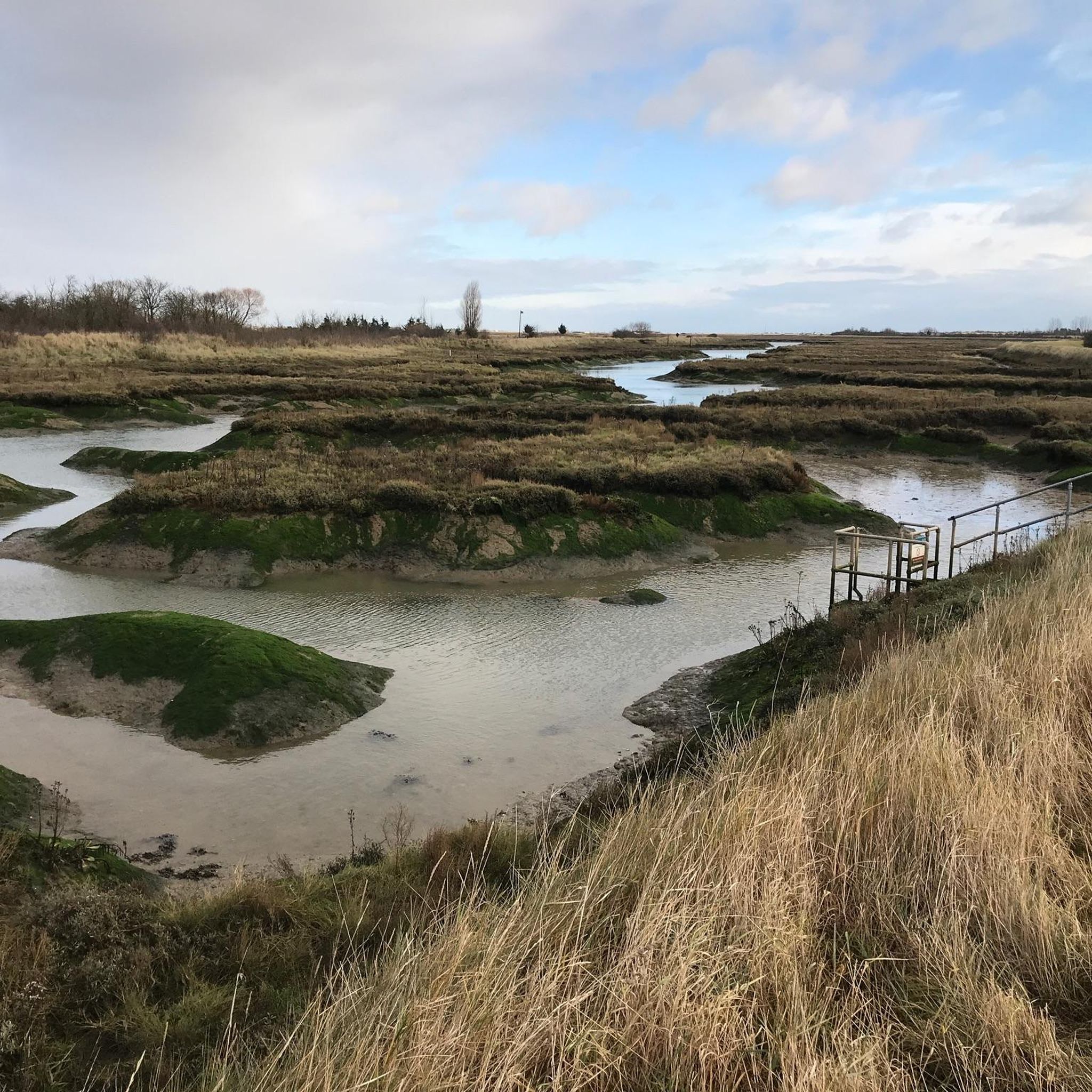
The salt marsh at Paglesham Pool preserves traces of past oyster cultivation, evident in rows and rectangular pool-shaped depressions. Further downstream, attention is drawn to a substantial box-shaped structure - the rusted metal core of a shipwrecked wooden vessel. A handful of derelict boats rest near the oyster beds, and just beyond, concealed beneath the marshland, lies the remains of the HMS Beagle.
1
0
The woodland offers a network of pathways, including some extended routes, under the care of the Hawkwell Parish Council. This nature reserve once served as a brickworks, with the memorial standing at the entrance, and remnants of this industry are still visible. The picturesque circular trail guides you along with adjacent tracks and fields. Be sure to watch for the wealth of local wildlife, particularly the songbirds.
1
0
Within Pound woods, you can find well-preserved instances of medieval wood banks, alongside numerous ponds and serene dells scattered throughout the forest. A perfect place for a run anytime of year, although some pathways can be muddy. Come here at the right time, and it promises a breathtaking spectacle of bluebells adorning the forest floor, while your ears may catch the familiar drumming rhythm of the great spotted woodpecker.
1
0

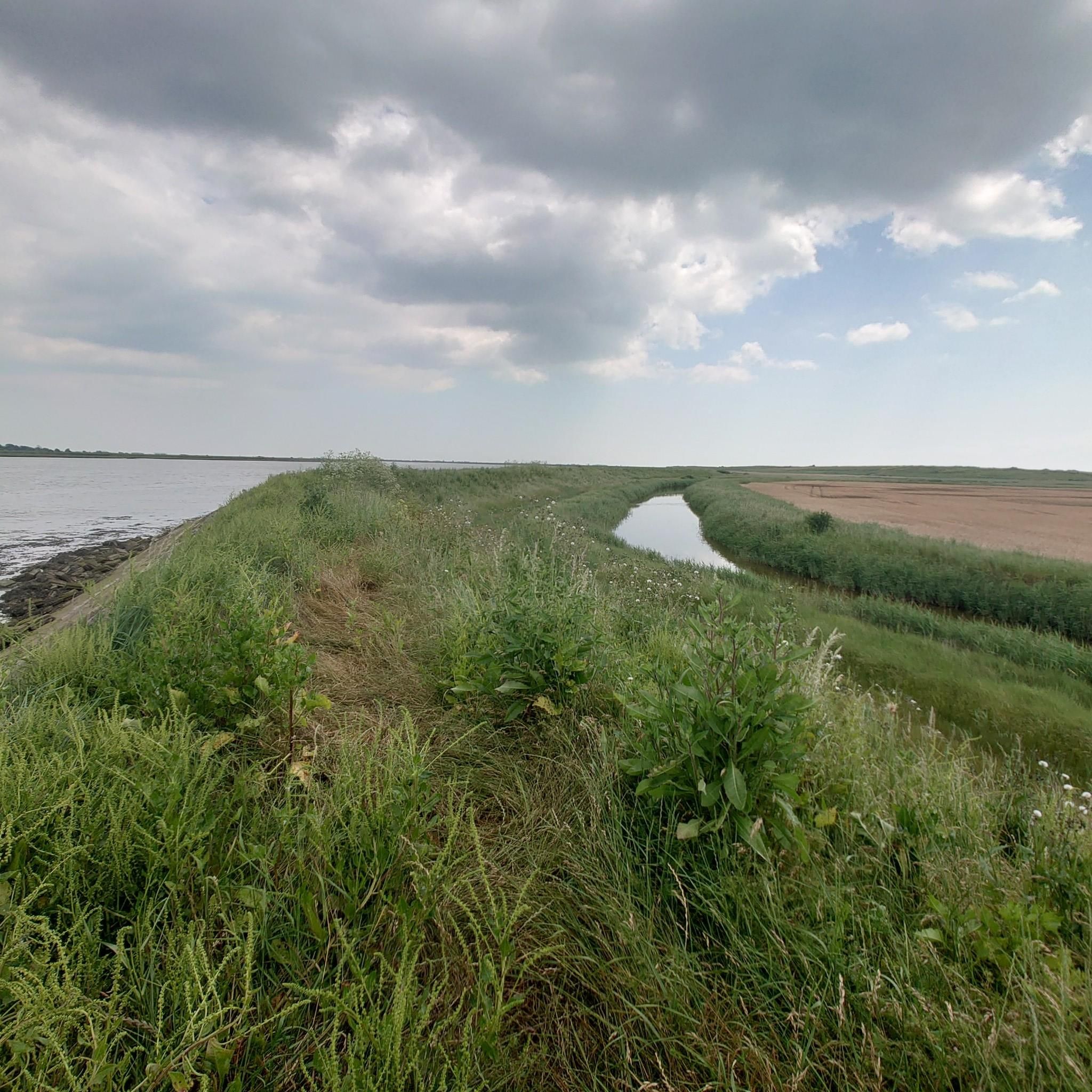
Once a part of the Crouch Estuary, Lion Creek was cut off and turned into a nature reserve with the building of the sea wall.
0
0

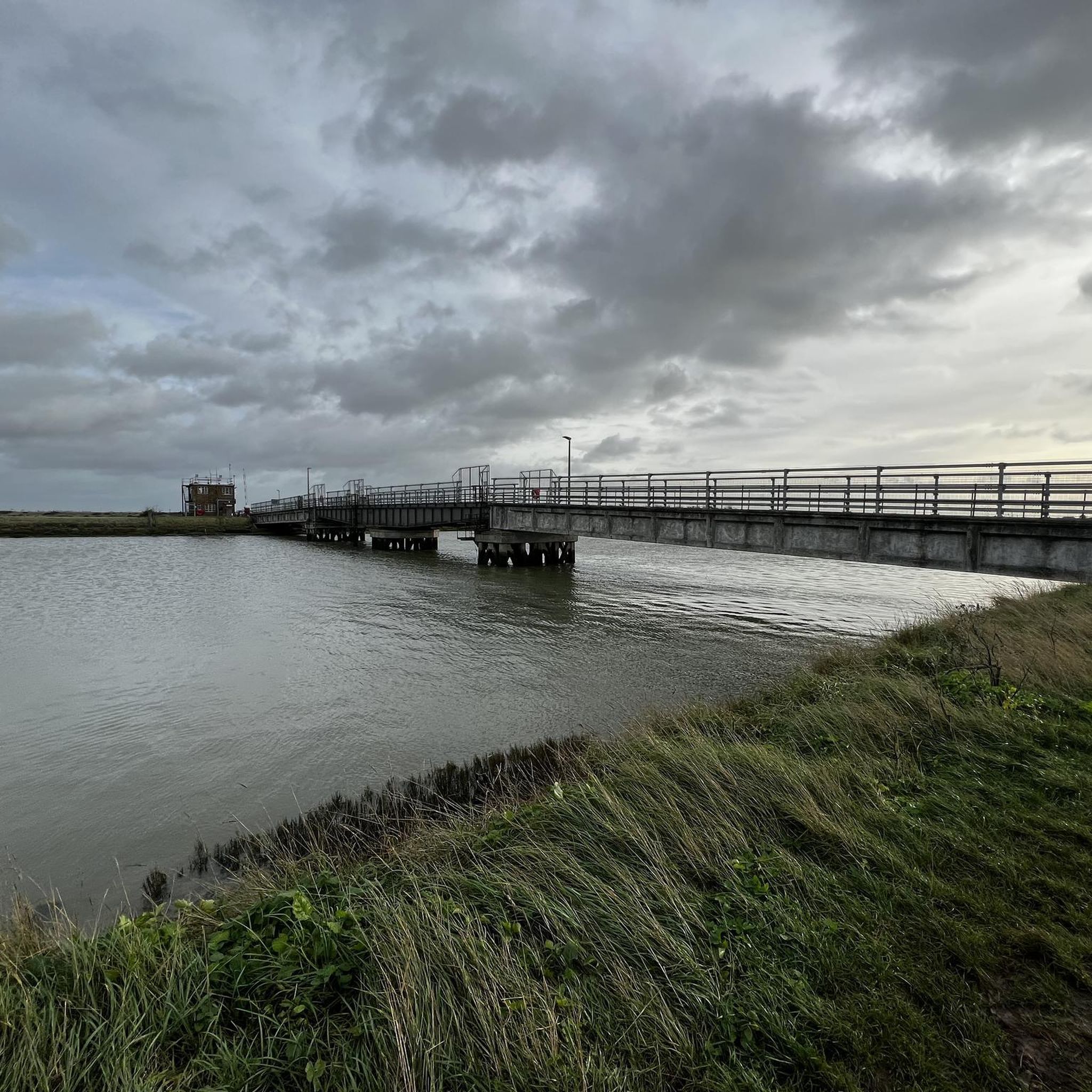
The Crowstone’s copper plate – now turned green – records that it was erected in 1836 and marked the seaward limit of the River Thames as then controlled by the City of London, and that it replaced a stone of 1755, both standing together until the more aged of the pair was presented by the Port of London Authority to Southend Corporation in 1950 for preservation in Priory Park Until 1350, the English Crown held the right to fish the rivers of England and charged duties on those people it licensed to fish. In 1197 King Richard I, in need of money to finance his involvement in the Third Crusade, sold the rights over the lower reaches of the River Thames to the City of London. Marker stones were erected to indicate the limit of the City's rights.
1
0

When the tide is low you can follow a path up to this point and further.
1
0
Frequently Asked Questions
What are the best natural monuments for wildlife observation in Barling Magna?
The Barling Magna Wildlife Reserve is an excellent spot for wildlife observation, featuring bird hides, bug hotels, and various habitats for birds, insects, and small mammals. You might also spot rodents, adders, stoats, rabbits, and foxes. Magnolia Nature Reserve is also known for its local wildlife, particularly songbirds.
Are there any family-friendly natural monuments in Barling Magna?
Yes, several natural monuments are suitable for families. The Barling Magna Wildlife Reserve offers meandering paths, a covered picnic area, and benches, making it ideal for a family outing. Lion Creek Nature Reserve and Magnolia Nature Reserve are also categorized as family-friendly, offering easy trails and opportunities to explore nature.
Which natural monuments in Barling Magna have historical significance?
Barling Magna offers natural monuments with interesting historical connections. Pound Woods features well-preserved medieval wood banks. The Crowstone is a historical marker from 1836, indicating the seaward limit of the River Thames. Additionally, the Shipwreck at Paglesham Pool preserves traces of past oyster cultivation and the remains of a shipwrecked wooden vessel, including the HMS Beagle.
Are there wheelchair-accessible paths at any natural monuments in Barling Magna?
Yes, the Barling Magna Wildlife Reserve has a main path from the car park to Trumpions Barn that is wheelchair accessible, though it may be bumpy in places. This allows visitors with mobility needs to enjoy a significant portion of the reserve.
What are the best walking trails near the natural monuments in Barling Magna?
You can find various walking trails near the natural monuments. The Barling Magna Wildlife Reserve offers meandering paths through woodlands, wetlands, and grasslands. Magnolia Nature Reserve has a network of pathways, including a picturesque circular trail. For more extensive options, you can explore the running trails around Barling Magna, which include coastal loops and routes through the local area.
Can I bring my dog to the natural monuments in Barling Magna?
The Barling Magna Wildlife Reserve is dog-friendly, but dogs must be kept on a lead to protect the local wildlife and ensure a peaceful experience for all visitors.
When is the best time to visit the natural monuments in Barling Magna?
The best time to visit depends on what you wish to see. For instance, Pound Woods is particularly breathtaking when the bluebells are in season. Generally, spring and summer offer vibrant flora and active wildlife, while autumn provides beautiful foliage. Winter walks can also be peaceful, especially at the Barling Magna Wildlife Reserve.
Is there parking available at the natural monuments?
Yes, the Barling Magna Wildlife Reserve offers free parking for visitors, making it convenient to access this natural sanctuary.
What kind of cycling routes are available near Barling Magna's natural monuments?
There are various cycling routes in the vicinity of Barling Magna's natural monuments. You can find options ranging from easy to moderate, such as the 'Southend Pier – Lake at Gunners Park loop' or the 'Beehive Café – Tinker's Lane Bridleway loop'. For a comprehensive list and details, refer to the cycling guide for Barling Magna.
Are there any hidden gems among the natural monuments in Barling Magna?
The Barling Magna Wildlife Reserve is often described as a 'hidden gem' in Essex. This 12-acre sanctuary, transformed by local volunteers, offers a tranquil escape and a thriving haven for wildlife, making it a delightful discovery for visitors.
What unique natural features can I expect to see in Barling Magna?
Barling Magna's natural monuments offer diverse features. You can explore the estuarine environment of Lion Creek Nature Reserve, which was once part of the Crouch Estuary. Pound Woods features serene dells and numerous ponds. The Barling Magna Wildlife Reserve boasts woodlands, wetland areas, and open grasslands.
What do visitors enjoy most about the natural monuments in Barling Magna?
Visitors appreciate the diverse natural landscapes and the peaceful atmosphere. Many enjoy the opportunities for wildlife observation, especially birdwatching, and the well-maintained walking trails. The historical elements, such as the medieval wood banks in Pound Woods and the historical significance of The Crowstone, also add to the appeal. The community effort behind places like the Barling Magna Wildlife Reserve is also highly valued.
Most popular routes around Barling Magna
Most popular attractions around Barling Magna

Get inspired with the komoot mobile app


Explore more
Extend your search for the best caves by checking out these guides of the top ones around Barling Magna:
