Top 9 Natural Monuments around Brixham
Best natural monuments around Brixham offer a diverse landscape shaped by its coastal position and geological history. This fishing town in Devon features dramatic headlands, secluded coves, and significant historical sites. The area provides opportunities to observe diverse wildlife and explore ancient geological formations. Its natural features contribute to a rich outdoor experience.
Best natural monuments around Brixham
- The most popular natural monuments is Berry Head Headland & Lighthouse, a historical site that features a dramatic headland with a…
Last updated: August 9, 2026
Gallants Bower Civil War Fort Ruins
Highlight • Viewpoint
Tip by

Berry Head Headland & Lighthouse
Highlight • Historical Site
Translated by Google •
Tip by

Sign up now to discover places like this
Get recommendations on the best single tracks, peaks, & plenty of other exciting outdoor places.
Sign up for free
Hopes Nose
Highlight • Viewpoint
Tip by

Ancient Yew Tree of St Mary & St Gabriel Church
Highlight • Natural
Tip by
Berry Head Cliffs and Guillemot Colony
Highlight • Viewpoint
The area is rich in wildlife, including birds such as cirl bunting, guillemot, fulmar, greenfinch, and peregrine …
Tip by
Sign up for free to discover even more natural monuments around Brixham.
Sign up for free
Already have an account?
Start today with a free account
Your next adventure awaits.
Login or Signup
Popular around Brixham
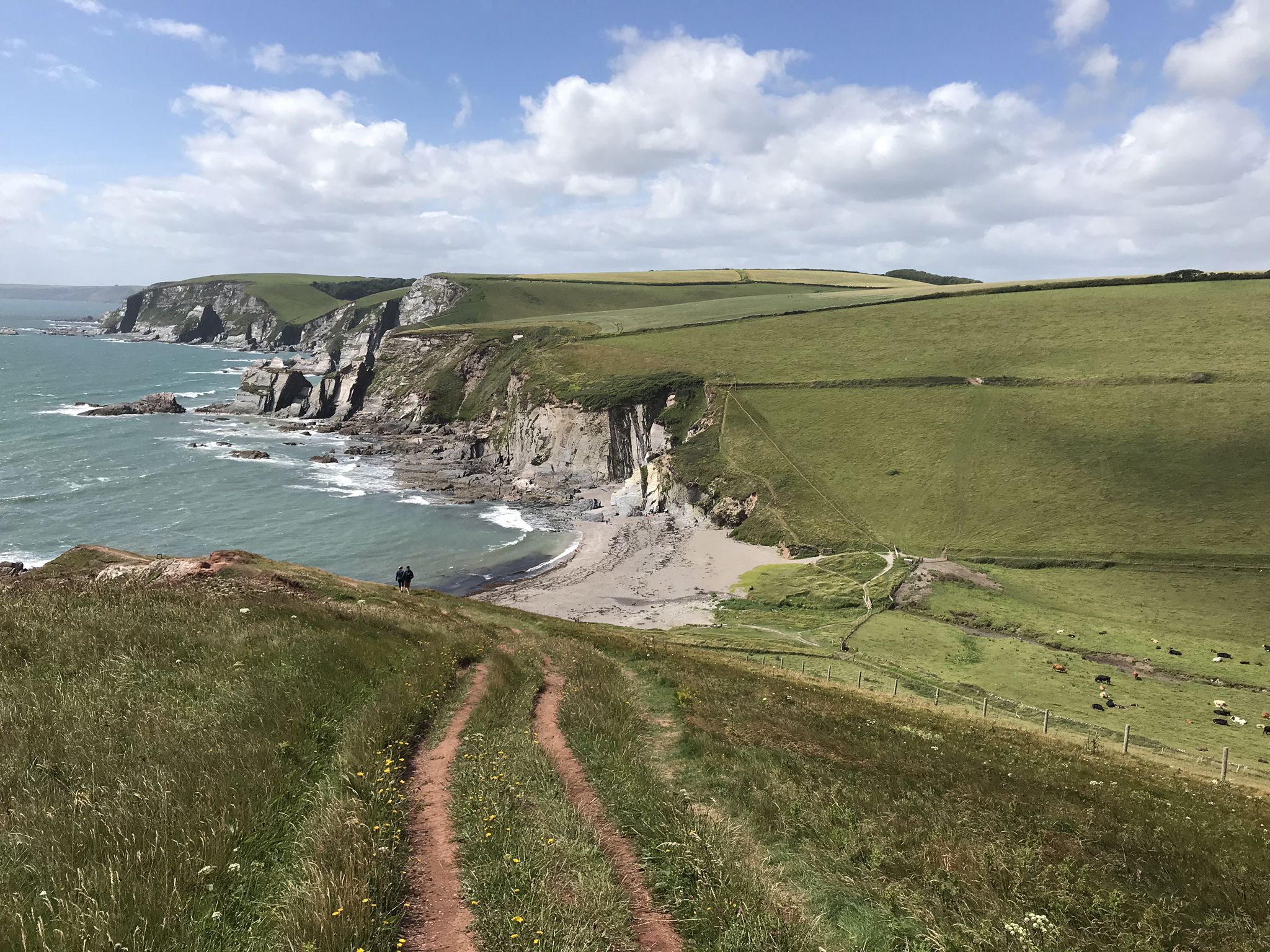
E9 Plymouth to Dover — An epic exploration of England's south coast
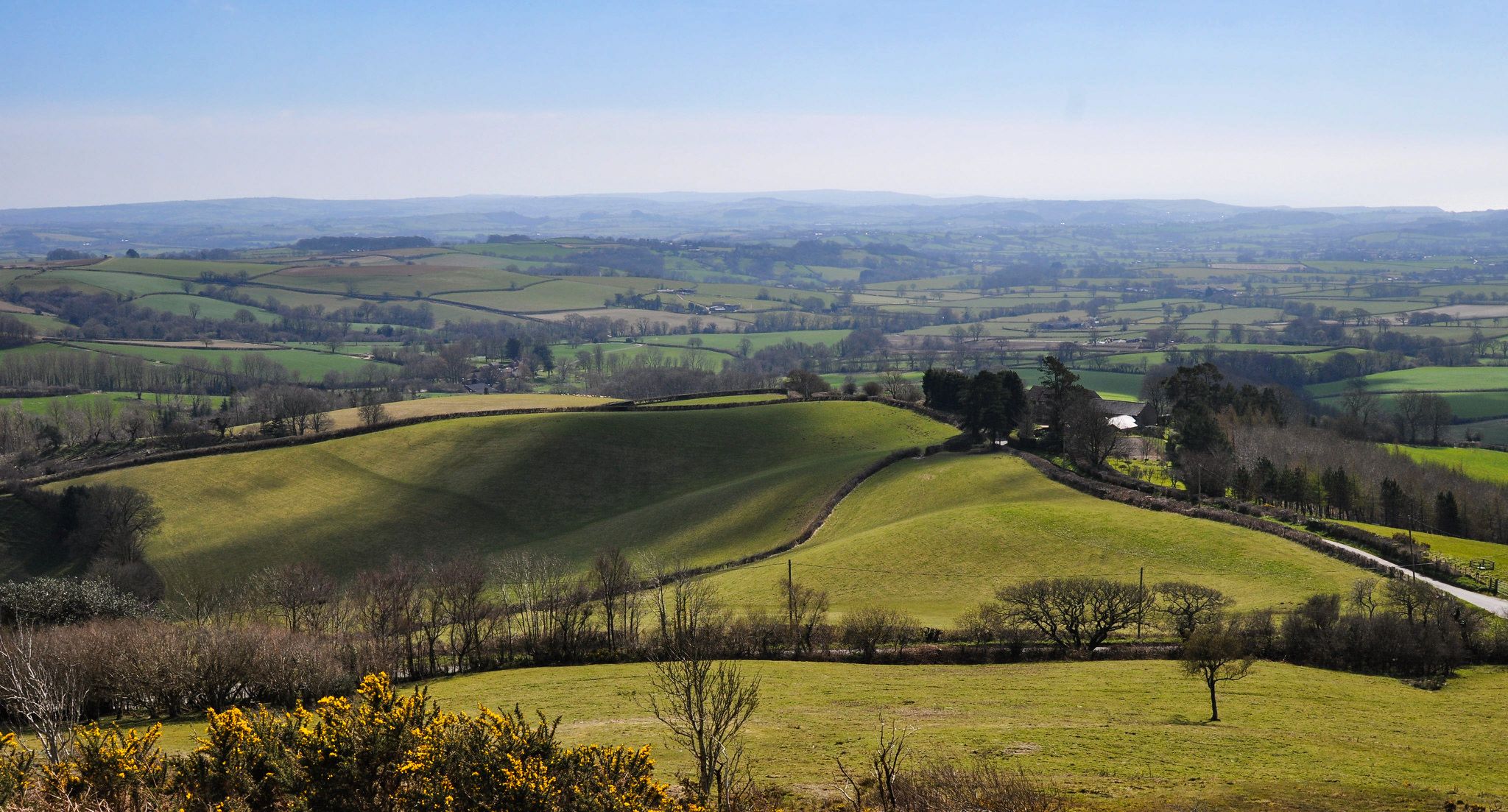
Hiking the Orange Way — Southern England in the footsteps of a king
South West Coast Path — Part 4 — Conquer Britain's longest trail
South West Coast Path — Explore Britain's longest trail
Hiking around Brixham
Road Cycling Routes around Brixham
Running Trails around Brixham
Cycling around Brixham
MTB Trails around Brixham
Other adventures around Brixham


Tips from the Community

You can park up the top and walk down or walk the coast paths as we did,ground is very uneven and rocks get slippery bench half way down if you want to sit down and look at the views
2
0

The first church was built here in 1086. Even then, the "centuries-old yew tree" was mentioned - its age is now estimated at 1200 - 1400 years. Legend has it that anyone who manages to walk backwards around it 7 times will have one wish granted. In any case, it is a beautiful, ancient tree that looks pretty healthy and that you just want to hug!
2
0

We were able to see dolphins at the end of the headland. A great experience!
7
0

The Yew in the churchyard of St Mary & St Gabriel is thought to be between 1,000 and 2,000 years old. The carved wooden slices are from a Leyland Cyprus, they depict the important church events that would have happened in the last 2,000 years.
1
0
Gallants Bower is the remains of a fort built during the English Civil War. Today it's just the earth works and trees have grown on the slopes, but you can still see why this site was chosen in 1643. The views are amazing, both inland and out to sea so it's a perfect defensible position. The fort was built by the Royalists to help defend Dartmouth from the Roundheads. The fiercest fighting occurred in 1646 when the Roundheads attacked and defeated the town, then the castle and finally the last remaining Royalists surrendered from here. The National Trust look after the area now and the fort is a scheduled ancient monument.
3
0


From the National Trust, who own this site: Although now just a ruin, the Civil War fort is still an impressive place to explore with amazing 360-degree views across the estuary and inland. Stand with the Royalists at a Civil War fort Built between 1643 and 1645 to defend Dartmouth against the Parliamentarians, it saw the fiercest action in 1646, when it came under attack from Roundhead forces under General Fairfax. The Royalists having already fled the town and the castle finally retreated to Gallants Bower where they soon surrendered. Four years later the fort was dismantled. It is now one of the best-preserved in the country and is a Scheduled and Listed Ancient Monument. A great time to visit is when all the bluebells are out in late April – early May.
2
0

Berry Head is a dramatic headland with a lighthouse and a Napoleonic Fort. The area is rich in wildlife, including birds such as cirl bunting, guillemot, fulmar, greenfinch, and peregrine falcon, as well as adder, greater horseshoe bat, and myriad species of butterfly and wildflower. The cliffs are home to the largest guillemot colony to be found along the south coast of England.
1
0
Frequently Asked Questions
What unique wildlife can I observe at Brixham's natural monuments?
Brixham's natural monuments are rich in wildlife. At Berry Head Headland & Lighthouse and Berry Head Cliffs and Guillemot Colony, you can see the UK's most southerly guillemot colony, especially during breeding season, along with other birds like fulmars and peregrine falcons. The area is also home to the rare greater horseshoe bat. Elberry Cove is notable for its offshore seagrass beds, which are breeding grounds for young fish and native seahorses.
Are there any significant geological features to explore around Brixham?
Yes, Brixham offers fascinating geological insights. Hopes Nose showcases 350 million-year-old Devonian limestone, with evidence of dramatic sea level changes and ancient geological formations. The heart of Berry Head is also 400-million-year-old limestone, once a reef in a shallow tropical sea, with fossils visible in the cliffs.
Which natural monuments in Brixham have historical significance?
Several natural monuments in Brixham are steeped in history. Berry Head Headland & Lighthouse features well-preserved Napoleonic fortifications dating back to 1795. Gallants Bower Civil War Fort Ruins are the remains of a fort built during the English Civil War, offering panoramic views. Additionally, the Ancient Yew Tree of St Mary & St Gabriel Church is estimated to be between 1,000 and 2,000 years old, predating the first church built on the site.
What kind of walks or trails are available near Brixham's natural monuments?
The area around Brixham's natural monuments is excellent for walking. You can enjoy superb coastal walks along the South West Coast Path, which passes through areas like Berry Head and Sharkham Point. For easier options, there are several easy hikes around Brixham, including circular routes around Berry Head Fort and views of Brixham Harbor.
Are there opportunities for cycling or running near these natural monuments?
Yes, the Brixham area provides various routes for cycling and running. You can find several road cycling routes around Brixham, ranging from moderate to difficult, exploring the wider region. For runners, there are dedicated running trails around Brixham, including coastal paths with views of Paignton Bay and routes around Brixham Marina.
Are Brixham's natural monuments suitable for families with children?
Many of Brixham's natural monuments are family-friendly. Berry Head Headland & Lighthouse is a great option, offering easy walks, a visitor centre, and the Guardhouse Café. The Ancient Yew Tree of St Mary & St Gabriel Church is also suitable for families, with its historical intrigue. Elberry Cove and Churston Cove provide peaceful settings for children to enjoy the beach and clear waters.
Are there dog-friendly natural monuments or walks in the area?
Yes, many of the natural areas around Brixham are dog-friendly. The coastal paths, including those around Berry Head and Sharkham Point, are generally welcoming to dogs, though it's always advisable to keep them on a lead, especially near cliff edges and wildlife habitats. Always check local signage for any specific restrictions.
What is the best time of year to visit Brixham's natural monuments?
The best time to visit depends on your interests. For birdwatching, particularly to see the guillemot colony, late spring and early summer (breeding season) are ideal. If you're interested in flora, late April to early May is when bluebells are out at places like Gallants Bower. Generally, spring and autumn offer pleasant weather for walking, while summer is perfect for enjoying the coves and water activities.
How can I get to the natural monuments around Brixham using public transport?
Brixham itself is well-served by local bus routes. Services often connect the town centre to areas like Berry Head. For specific natural monuments further afield, you might need to combine bus travel with walking. It's recommended to check local bus timetables for the most up-to-date information on routes and schedules to plan your visit.
Are there cafes or facilities near the natural monuments?
Yes, at Berry Head Headland & Lighthouse, you'll find the award-winning Guardhouse Café, which is a great spot for refreshments. Other natural monuments like Elberry Cove and Churston Cove are more secluded, so it's advisable to bring your own provisions or plan to visit cafes and pubs in Brixham town centre before or after your exploration.
Where can I find peaceful coves for swimming or snorkeling?
For tranquil swimming and snorkeling, consider visiting Churston Cove, a peaceful shingle cove with clear waters, accessible via a walk through The Grove and Marridge Woods. Elberry Cove is another beautiful shingle beach known for its clear waters and peaceful setting, also an approved water-ski site.
Most popular routes around Brixham
Most popular attractions around Brixham

Get inspired with the komoot mobile app


