Top 20 Natural Monuments around Normandy
Best natural monuments around Normandy include dramatic coastal cliffs, serene marshlands, and rolling hills. This region in northern France offers diverse natural landscapes shaped by millennia of geological processes and riverine activity. Normandy's natural features provide a range of environments, from coastal formations to extensive wetlands and forests. These sites are ideal for exploring the region's natural beauty and ecological diversity.
Best natural monuments around Normandy
- The most popular natural monuments is Blackheath Common and the War Memorial, a…
Last updated: June 15, 2026
Guildford Castle Grounds
Highlight (Segment) • Viewpoint
The 11th-century castle sits atop a hill in Guildford, providing some picturesque views across …
Tip by

Ancient Yew Trees at Newlands Corner
Highlight • Natural Monument
A survey conducted …
Tip by

Sign up now to discover places like this
Get recommendations on the best single tracks, peaks, & plenty of other exciting outdoor places.
Sign up for free
Blackheath Common and the War Memorial
Highlight • Natural Monument
Tip by

The Sandpit, Horsell Common
Highlight • Historical Site
Historically the Sandpit …
Tip by
Thursley Common National Nature Reserve
Highlight • Trail
Tip by

Sign up for free to discover even more natural monuments around Normandy.
Sign up for free
Already have an account?
Start today with a free account
Your next adventure awaits.
Login or Signup
Tips from the Community

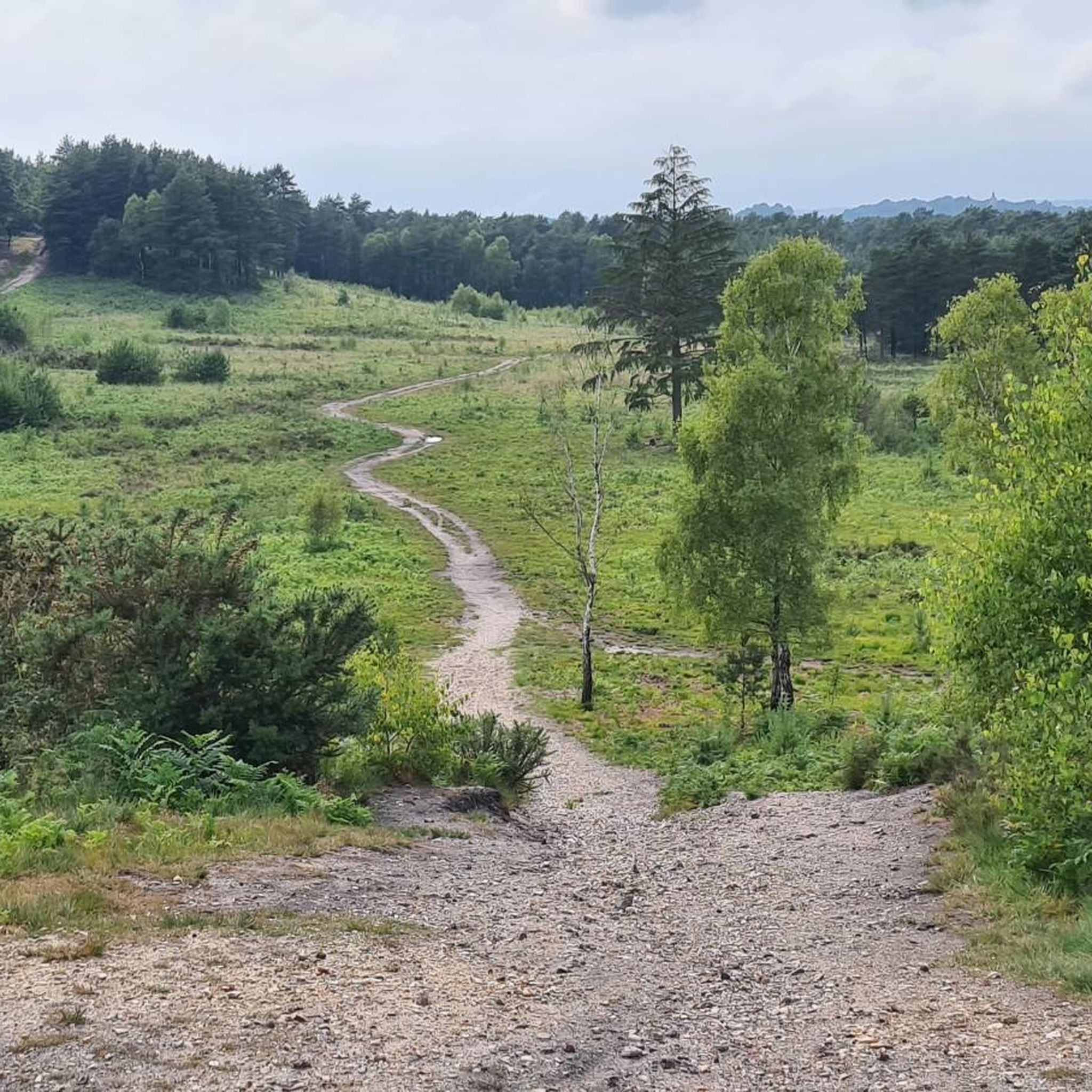
The sandy paths make for great walking conditions all year round.
0
0

The Sandpit on Horsell Common is arguably the Common’s most popular and interesting feature. This tranquil beauty-spot is a particular favourite with children, dog walkers and photographers. Historically the Sandpit was excavated for many years for sand and gravel to supply building materials. However, the site is best known as being the location where the Martians first landed in the famous 1897 science fiction novel “The War of the Worlds” by H. G. Wells. When he wrote this work Wells was living in Woking just a mile and a half away so this proximity doubtless influenced his choice of the Sandpit for the first Martian landing.
0
0
The excellent Guildford Castle Grounds are unique, interesting and well worth visiting during a hiking, cycling or running tour. The Grounds are famous for their excellent flower displays in the valley that surrounds the Castle Keep. Other free attractions include the remains of Castle walls, passageways, a Victorian bandstand (where music concerts take place), a delightful 17th century bowling green bordered on one side by specimen beech trees, an impressive war memorial and a life-size statue of Alice Through the Looking Glass. Guildford Castle Grounds has a fascinating history. The Castle is thought to have been built either by William the Conqueror or by one of his barons soon after the Norman invasion of England in 1066. The Castle has been used as a Royal Palace, a prison and as a private residence. The grounds at the Castle were opened as public gardens in 1888 to mark the Golden Jubilee of Queen Victoria in 1887. You might wish to explore the Guildford Castle Grounds or to simply admire its scenery during a stop for a snack and a drink. However, should you have time, you may also wish to climb the Castle Great Tower via its spiral staircase. This will give a panoramic view of Guildford and its beautiful surrounding countryside, and provide an appreciation of why the Castle’s location is strategically good.
1
0
Estimated to be about 950 years old, the Newlands Corner yew trees are one of the oldest large populations of wild yews growing anywhere in the world. A survey conducted in 2012 found six yews with a girth of at least 19.7 feet (6 m) and 17 yews with a girth of at least 16.4 feet (5 m). The UK’s ‘Ancient Yew Group’ state that the oldest yews originated from about the time of the Norman invasion (and are demonstrably about 950 years old). There is also a ‘Black Death’ cohort of yews that date from soon after 1348 and are about 670 years old. Unfortunately, two of the ancient yew trees at Newlands Corner have died recently for an unknown reason. This has led to the construction of a boardwalk to protect the roots of three of the oldest surviving yews as part of a ‘Yew Tree Project’. The boardwalk is next to the main footpath between Guildford Golf Course and Newlands Corner. It was inspiring to see an ancient yew woodland of international standing where the trees date back to soon after 1066!
2
0

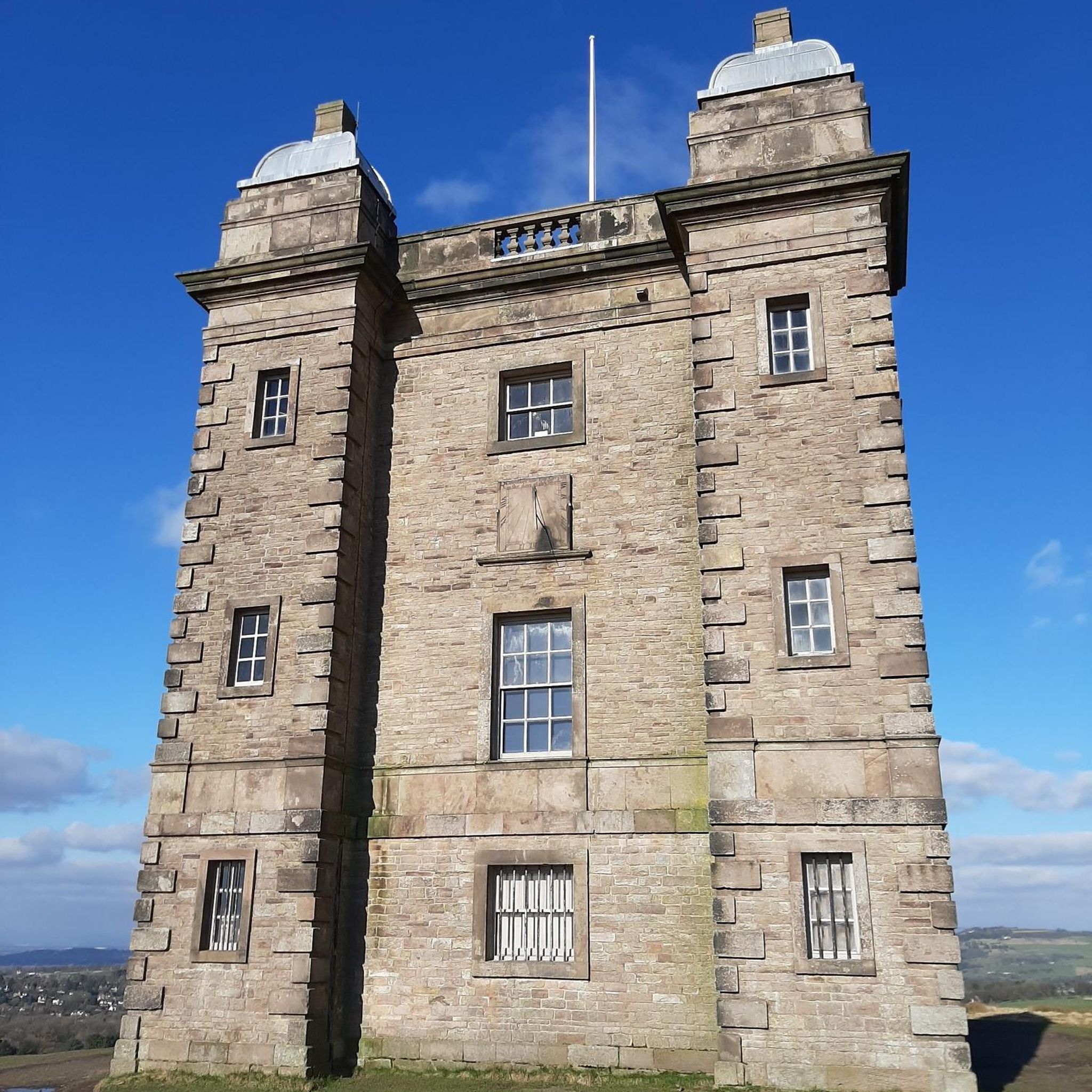
Make sure to stroll through the historic grounds of Guildford Castle whilst visiting this wonderful city. The 11th-century castle sits atop a hill in Guildford, providing some picturesque views across the surrounding countryside. The gardens of the castle are beautifully pristine and feature a multitude of colourful flowers and a moat. The castle grounds are free to enter, and if you want to go inside the castle itself, a small fee of under £5 will be required.
1
0

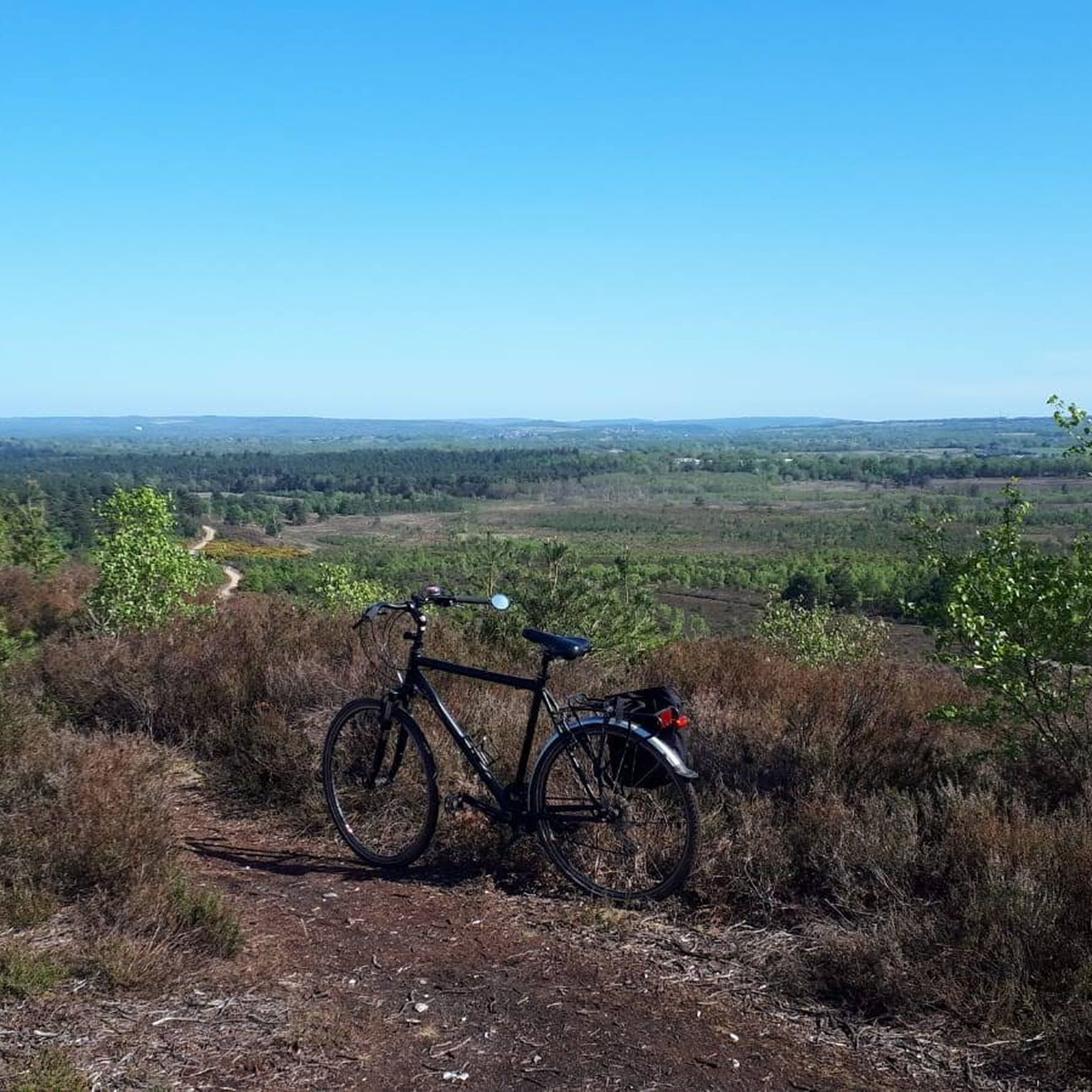
Thursley Common is a National Nature Reserve. Full of wide open heathland and home to a variety of wildlife including over 20 species of dragonfly and damselfly, nightjar, osprey and woodlark. There are sandy tracks and boardwalks, although the boardwalks were damaged by wildfire so are gradually being rebuilt. It is a quiet and beautiful place to hike.
0
0

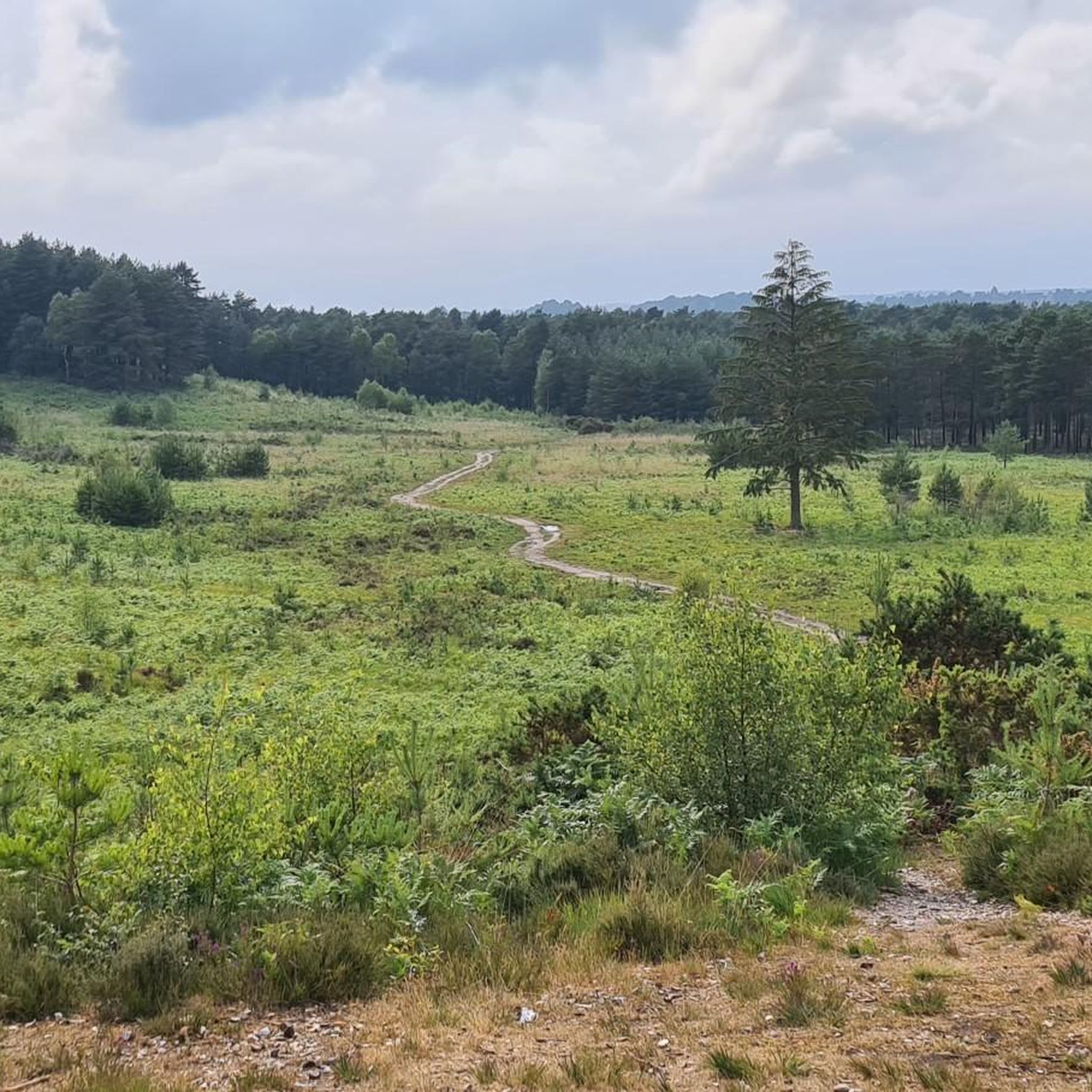
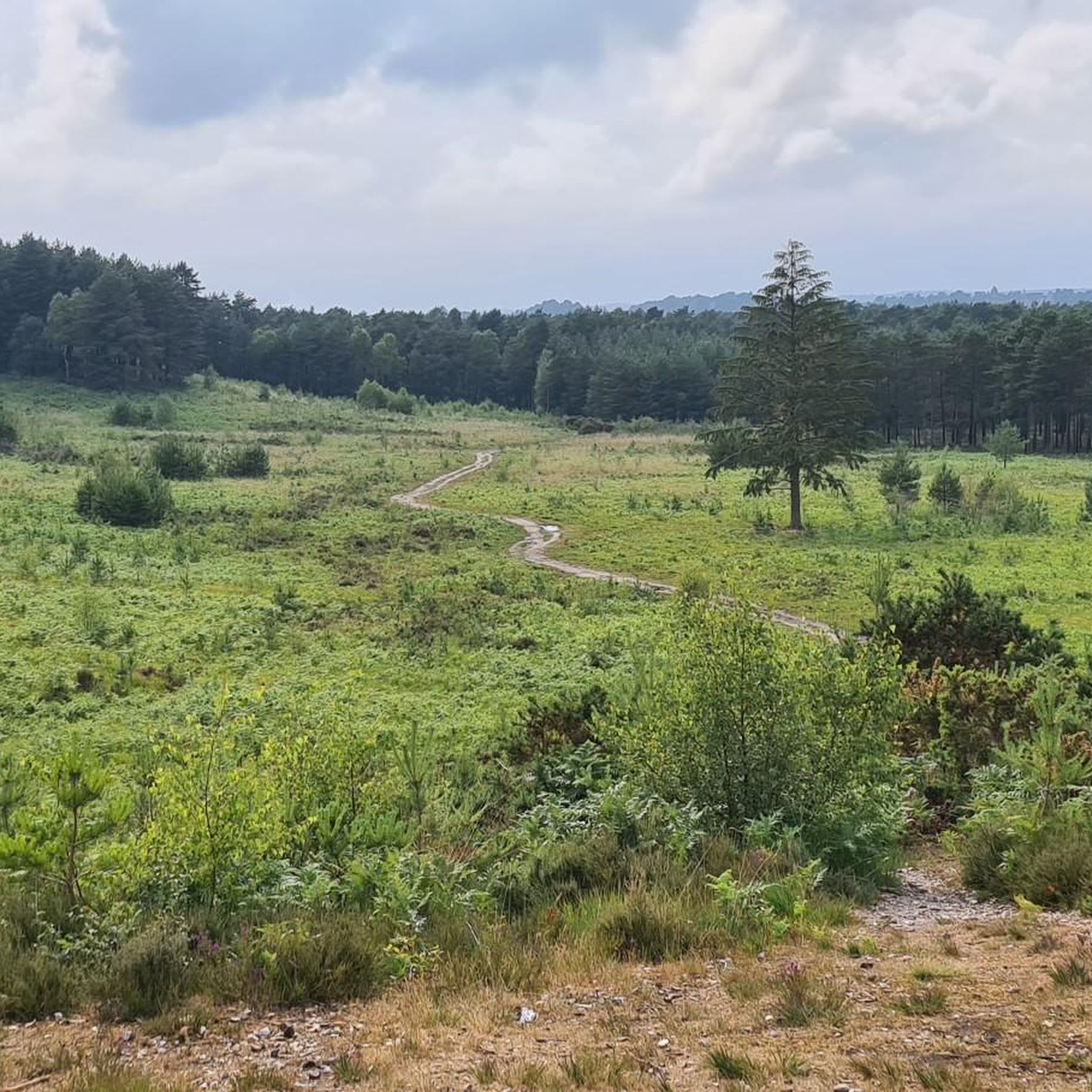
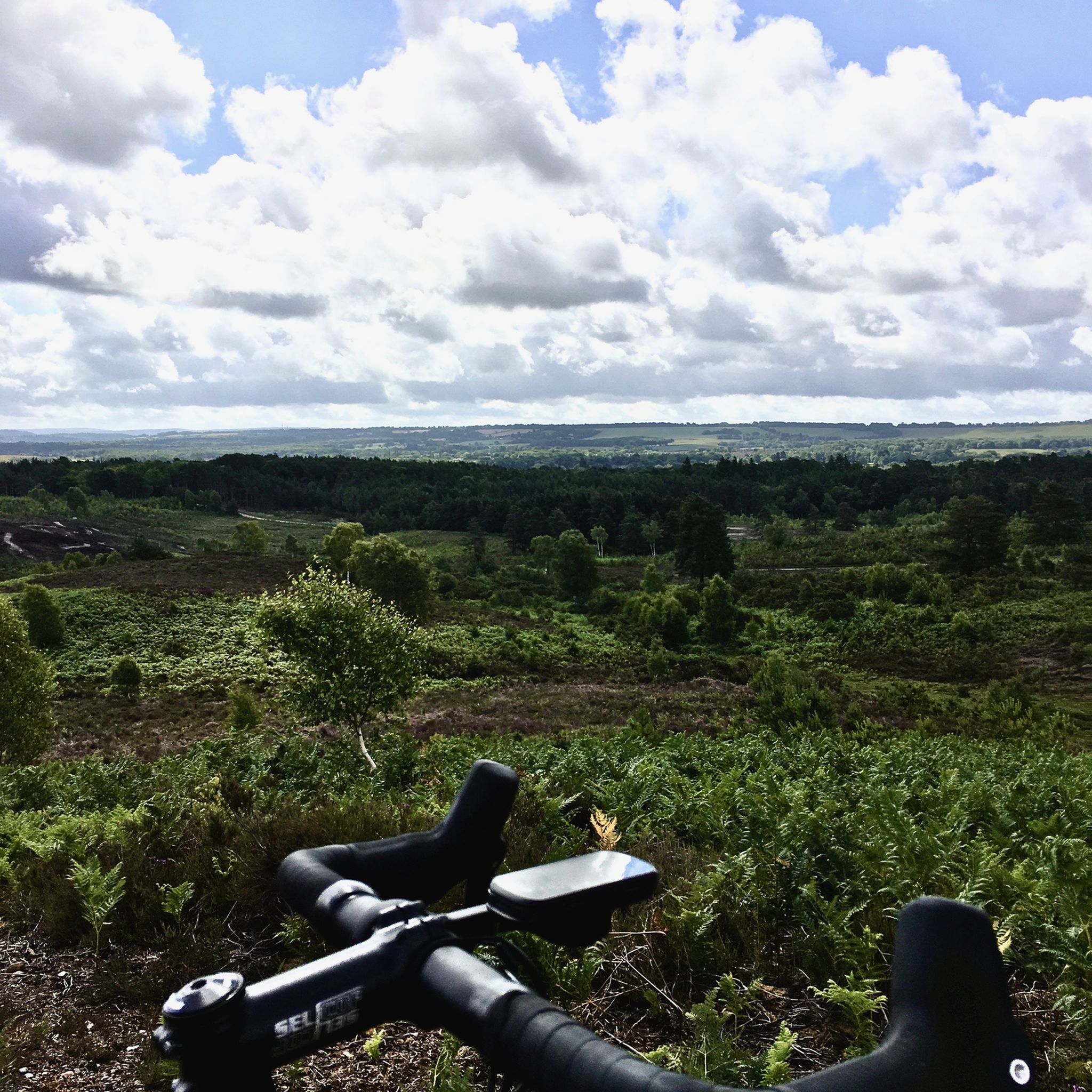
A great walk on good surfaces over rolling heathland. Nothing to strenuous; the only steep climb was towards the end.
1
0

Frequently Asked Questions
What types of natural monuments can I explore in Normandy?
Normandy offers a diverse range of natural monuments, from dramatic coastal cliffs and extensive marshlands to serene forests and rolling hills. You can find iconic white chalk cliffs with natural arches, vast wetland areas, and winding river landscapes. The region's natural features are shaped by millennia of geological processes and riverine activity, providing a variety of environments to discover.
Which natural monuments are particularly popular with visitors?
Visitors frequently enjoy the dramatic coastal scenery of the Blackheath Common and the War Memorial, known for its dry lowland heath and important wildlife habitat. Another popular spot is Guildford Castle Grounds, which offers picturesque views from its hilltop location. The Thursley Common National Nature Reserve is also highly regarded for its wide-open heathland and diverse wildlife.
Are there family-friendly natural monuments in Normandy?
Yes, several natural monuments in Normandy are great for families. The Guildford Castle Grounds are free to enter and feature beautiful gardens, a moat, and a statue of Alice Through the Looking Glass, making it an engaging spot for children. Ancient Yew Trees at Newlands Corner offers an inspiring walk through ancient woodland, and The Sandpit, Horsell Common is a tranquil beauty-spot popular with children and dog walkers, known for its connection to H.G. Wells' 'War of the Worlds'.
What kind of outdoor activities can I do near Normandy's natural monuments?
Normandy's natural monuments are excellent starting points for various outdoor activities. You can find extensive networks of trails for hiking, cycling, and even horse riding. For example, the Perche Regional Nature Park offers over 3,000 km of trails. The Boucles de la Seine Normande Regional Nature Park is ideal for cycling along a 400 km route and offers boat tours. You can explore many hiking routes, such as the 'Ash, Stoney Castle, & Henley Park Ranges loop' or the 'Basingstoke Canal Centre – Basingstoke Canal Towpath loop', and cycling routes like the 'River Wey – Wey & Arun Canal at Downs Link loop'. For more details on routes, check out the Hiking around Normandy and Cycling around Normandy guides.
Are there easy walking options near these natural monuments?
Absolutely. Many areas offer easy walks suitable for all skill levels. For instance, the Blackheath Common and the War Memorial provides good walking conditions over rolling heathland that isn't too strenuous. The Thursley Common National Nature Reserve features sandy tracks and boardwalks, making for pleasant walking. You can find several easy hiking routes, including various 'Basingstoke Canal Towpath' loops, in the Easy hikes around Normandy guide.
What geological features can I observe in Normandy?
Normandy is rich in geological wonders. The Alabaster Coast, home to the Étretat Cliffs, showcases dramatic white chalk cliffs, natural arches, and the distinctive 'Aiguille Creuse' (Hollow Needle), all sculpted by millennia of sea erosion. The Mont Saint-Michel Bay is renowned for its exceptional tidal movements, which have shaped a unique ecosystem of sea, sand, and salt meadows. The Cotentin and Bessin Marshes Regional Nature Park features diverse scenery including peat bogs and wet grasslands, with the striking phenomenon of 'white marshes' in winter.
What kind of wildlife can I expect to see at Normandy's natural monuments?
Normandy's natural monuments are havens for wildlife. The Thursley Common National Nature Reserve is home to over 20 species of dragonfly and damselfly, as well as nightjars, ospreys, and woodlarks. The Mont Saint-Michel Bay is excellent for birdwatching, attracting a wide variety of migrating and wintering species. The Cotentin and Bessin Marshes Regional Nature Park is also a significant area for numerous plant and animal species, particularly at the Sensitive Natural Area of the Ponts d'Ouve Marshes.
Are there any historical or cultural sites integrated with Normandy's natural monuments?
Yes, Normandy seamlessly blends nature with history. The Guildford Castle Grounds feature an 11th-century castle and a Victorian bandstand, with a history as a Royal Palace and prison. The The Sandpit, Horsell Common is famous as the landing site for Martians in H.G. Wells' 'The War of the Worlds'. The Perche Regional Nature Park offers a glimpse into rural life with local markets and historical sites like the Manoir de Courboyer and Château Saint-Jean, while the Boucles de la Seine Normande Regional Nature Park allows you to discover traditional thatched cottages along the Chaumière Route and charming castles.
What makes the Mont Saint-Michel Bay a unique natural monument?
The Mont Saint-Michel Bay is a UNESCO World Heritage site primarily known for its exceptional tidal movements, which are among the most prominent in France. This creates a unique ecosystem where the sea, sand, salt meadows, and marshes converge, supporting rich biodiversity and specialized salt-resistant plants like glasswort. Beyond the iconic abbey, the bay offers vast landscapes perfect for birdwatching and witnessing the dramatic interplay between land and sea, especially at low tide.
What are the Perche and Normandie-Maine Regional Nature Parks known for?
The Perche Regional Nature Park, located in southern Normandy, is characterized by its bucolic landscapes, gentle hills, lush forests, and elegant manors, making it ideal for hiking, mountain biking, and horse riding. The Normandie-Maine Regional Nature Park, extending into Pays de la Loire, is significantly forested, covering 25% of its area. It features the rugged peaks and green gorges of the Alpes Mancelles and extensive forests like Andaines and Ecouves, perfect for those who appreciate wild nature, picturesque villages, and activities like canoeing or kayaking on its rivers.
What is special about the Ancient Yew Trees at Newlands Corner?
The Ancient Yew Trees at Newlands Corner are estimated to be about 950 years old, making them one of the oldest large populations of wild yews growing anywhere in the world. Many of these trees originated around the time of the Norman invasion. A boardwalk has been constructed to protect the roots of some of the oldest surviving yews, allowing visitors to experience this internationally significant ancient yew woodland.
Most popular attractions around Normandy

Get inspired with the komoot mobile app


Explore more
Extend your search for the best caves by checking out these guides of the top ones around Normandy:
