Top 6 Natural Monuments around Bisley
Best natural monuments around Bisley include a variety of historical sites and natural features. The region offers diverse landscapes, from woodlands and commons to man-made waterfalls and historical defense structures. These natural attractions provide opportunities for exploration and connection with both nature and local history.
Best natural monuments around Bisley
- The most popular natural monuments is The Cascade Waterfall, Windsor Great Park, a waterfall that was created in 1789. Its presence relies on rainfall, and it is most impressive after prolonged, heavy rainfall.
- Another must-see spot is The Sandpit, Horsell Common, a historical site and natural monument. This tranquil beauty-spot is known as the location where the Martians first landed in H. G. Wells' 1897 novel "The War of the Worlds."
- Visitors also love Thorneycroft Wood Dragon's Teeth Anti-Tank Defences, concrete obstacles constructed from 1941 during the Second World War. These defenses were intended to impede the movement of invading tanks and are a well-preserved example of dragon’s teeth emplacement in Surrey.
- Bisley is known for historical sites, woodlands, and unique man-made natural monuments. The area offers a variety of natural monuments to see and explore, blending historical significance with natural beauty.
- The natural monuments around Bisley are appreciated by the komoot community, with 16 upvotes and 2 photos shared by visitors.
Last updated: May 1, 2026
The Sandpit, Horsell Common
Highlight • Historical Site
Historically the Sandpit was excavated for many years for sand and gravel to supply building materials. However, the site is best known as being the location where the Martians first landed in the famous 1897 science fiction novel “The War of the Worlds” by H. G. Wells. When he wrote this work Wells was living in Woking just a mile and a half away so this proximity doubtless influenced his choice of the Sandpit for the first Martian landing.
Tip by

The Cascade Waterfall, Windsor Great Park
Highlight • Waterfall
Just a little bit further along the trail are the Leptis Magna Ruins, which were built from masonry recovered from an ancient Roman city that existed in what is today Libya.
Tip by

Sign up now to discover places like this
Get recommendations on the best single tracks, peaks, & plenty of other exciting outdoor places.
Sign up for free
Thorneycroft Wood Dragon's Teeth Anti-Tank Defences
Highlight • Forest
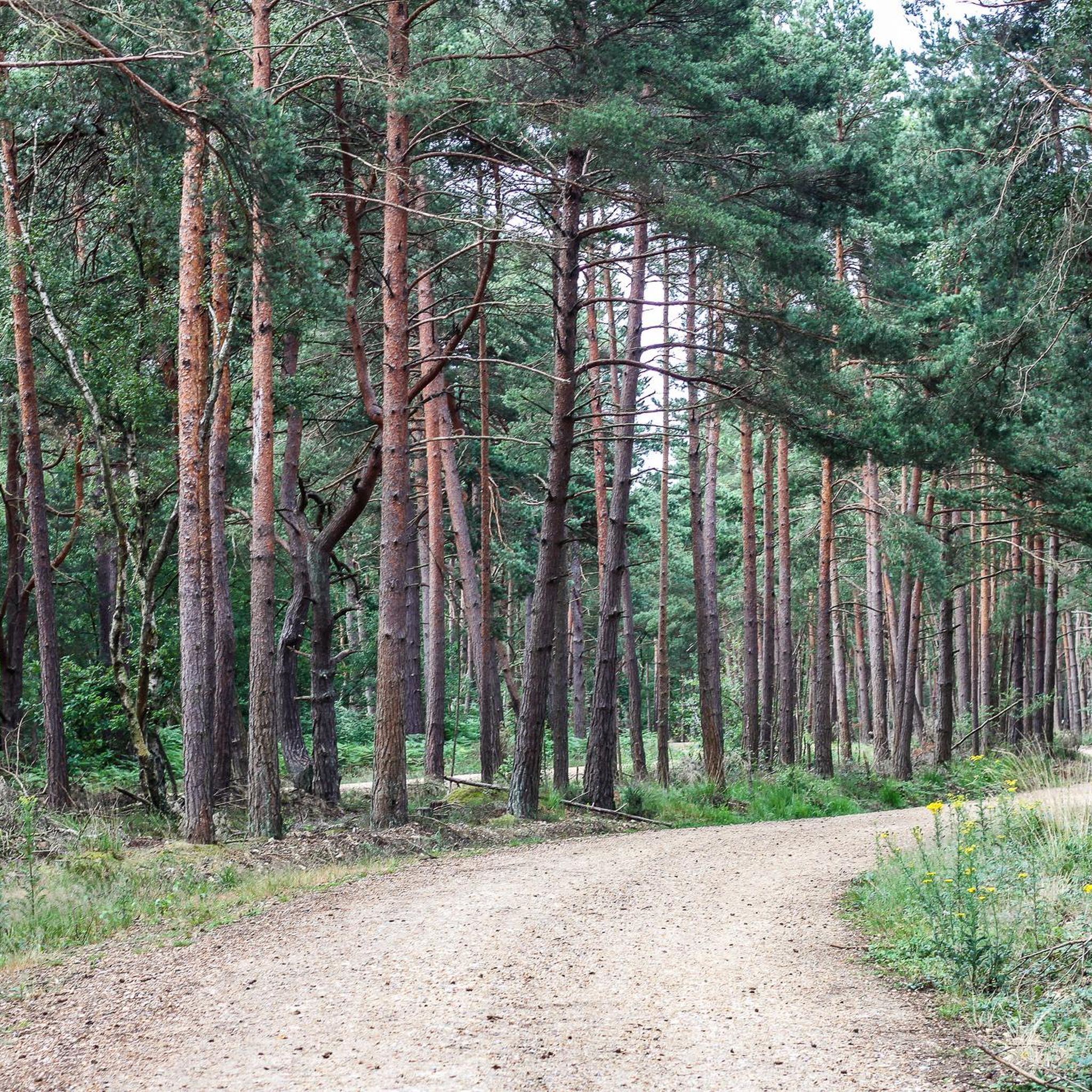
They constitute perhaps the best surviving example of dragon’s teeth emplacement in Surrey. They are so well preserved that some people even wonder if they are post-war imitations created for TV or a film programme!
These defences descend the slope through Thorneycroft Wood to the edge of a channel of the River Wey. They comprise five rows of dragon’s teeth which take the form of flat-topped pyramids made of reinforced concrete. Some of these pyramids are capped by jagged bits of metal that would have supported wire tangles to obstruct passage between and over the dragon’s teeth.
Nearby there are also at least three rifle pits formed with cement-filled sandbags.
Tip by
Horsell Common Sandpit (The War of the Worlds landing site)
Highlight • Natural
Historically the Sandpit was excavated for many years for sand and gravel to supply building materials. However, the site is best known as being the location where the Martians first landed in the famous 1897 science fiction novel “The War of the Worlds” by H. G. Wells. When he wrote this work Wells was living in Woking just a mile and a half away so this proximity doubtless influenced his choice of the Sandpit for the first Martian landing.
Tip by
Englemere Pond
Highlight • Natural Monument
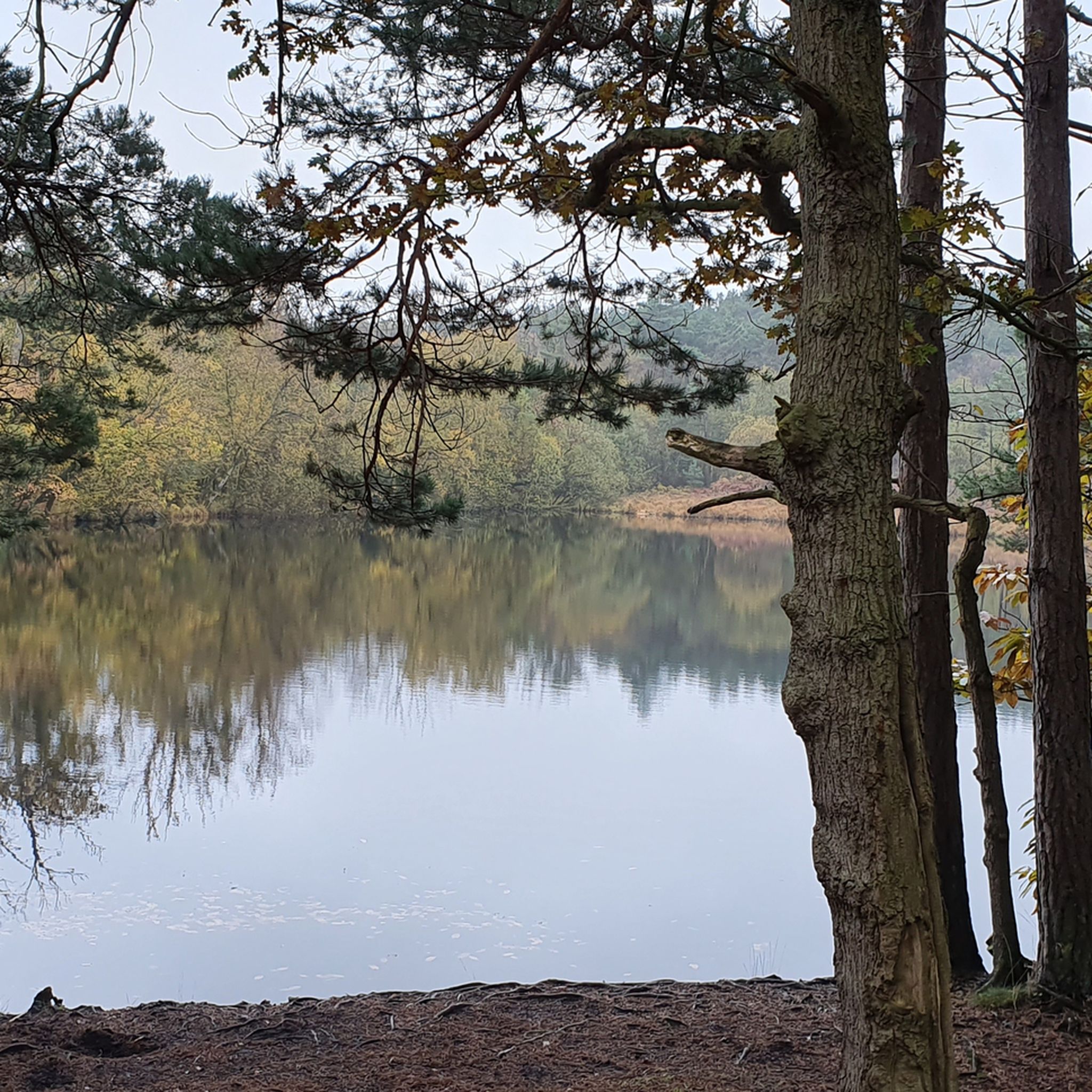
This acid lake is perfect for nature enthusiasts, as it hosts diverse and ecologically significant habitats for wildlife
Tip by

Start today with a free account
Your next adventure awaits.
Login or Signup
Tips from the Community

These concrete obstacles were constructed from 1941 during the Second World War and were intended impede the movement of invading German tanks and other armoured vehicles. They constitute perhaps the best surviving example of dragon’s teeth emplacement in Surrey. They are so well preserved that some people even wonder if they are post-war imitations created for TV or a film programme! These defences descend the slope through Thorneycroft Wood to the edge of a channel of the River Wey. They comprise five rows of dragon’s teeth which take the form of flat-topped pyramids made of reinforced concrete. Some of these pyramids are capped by jagged bits of metal that would have supported wire tangles to obstruct passage between and over the dragon’s teeth. Nearby there are also at least three rifle pits formed with cement-filled sandbags.
1
0
The Sandpit on Horsell Common is arguably the Common’s most popular and interesting feature! This tranquil beauty-spot is a particular favourite with children, dog walkers and photographers. Historically the Sandpit was excavated for many years for sand and gravel to supply building materials. However, the site is best known as being the location where the Martians first landed in the famous 1897 science fiction novel “The War of the Worlds” by H. G. Wells. When he wrote this work Wells was living in Woking just a mile and a half away so this proximity doubtless influenced his choice of the Sandpit for the first Martian landing.
1
0
The Sandpit on Horsell Common is arguably the Common’s most popular and interesting feature. This tranquil beauty-spot is a particular favourite with children, dog walkers and photographers. Historically the Sandpit was excavated for many years for sand and gravel to supply building materials. However, the site is best known as being the location where the Martians first landed in the famous 1897 science fiction novel “The War of the Worlds” by H. G. Wells. When he wrote this work Wells was living in Woking just a mile and a half away so this proximity doubtless influenced his choice of the Sandpit for the first Martian landing.
0
0

In this Nature Reserve, you can find multiple running trails, including two circular marked trails that start and end at the car parking area, as well as a viewing platform. This acid lake is perfect for nature enthusiasts, as it hosts diverse and ecologically significant habitats for wildlife
1
0

A short stroll from the Pavillion, the Cascade is a 30-foot (9 m) waterfall. Created in 1789, its presence relies on a decent amount of rain and it’s at its most impressive after prolonged, heavy rainfall. Just a little bit further along the trail are the Leptis Magna Ruins, which were built from masonry recovered from an ancient Roman city that existed in what is today Libya.
0
0


The Cascade, or Waterfall, is also notable. It is close by the A30 main road and constructed from stones brought from Bagshot Heath. They are rumoured to be the remains from a Saxon settlement. From the Cascade a stream runs through a glen and ultimately enters the Thames at Chertsey. By the side of the Cascade, immense stones are arranged to form a cavern known as 'The Robber's Cave'. http://www.thamesweb.co.uk/windsor/info/grtpk.html#anchor445739
0
0
Frequently Asked Questions
What kind of natural monuments can I expect to find around Bisley?
Around Bisley, you'll discover a blend of historical sites, unique man-made natural features, and serene natural landscapes. These include a historic man-made waterfall, a famous literary landmark, and well-preserved World War II anti-tank defenses, alongside natural ponds and woodlands.
Are there any family-friendly natural monuments in the Bisley area?
Yes, several natural monuments around Bisley are great for families. The Sandpit, Horsell Common, for instance, is a tranquil beauty spot popular with children and dog walkers, known for its connection to H.G. Wells' 'The War of the Worlds'. The Cascade Waterfall, Windsor Great Park, is also family-friendly, offering a short stroll to a historic waterfall. Additionally, Englemere Pond is a nature reserve with trails suitable for families.
Which natural monuments have historical significance near Bisley?
Bisley is rich in historical natural monuments. The Sandpit, Horsell Common, is famously where the Martians landed in H.G. Wells' 'The War of the Worlds'. The Cascade Waterfall, Windsor Great Park, was created in 1789 and rebuilt after a storm, with nearby Roman ruins. You can also visit Thorneycroft Wood Dragon's Teeth Anti-Tank Defences, concrete obstacles constructed during World War II to impede invading tanks.
What natural features can I explore at Englemere Pond?
Englemere Pond is a nature reserve featuring an acid lake, diverse habitats, and a viewing platform. It's an excellent spot for nature enthusiasts to observe wildlife and enjoy multiple running trails, including two circular marked routes that start and end at the car park.
Are there hiking opportunities near the natural monuments around Bisley?
Yes, there are numerous hiking opportunities. For example, Englemere Pond offers multiple running and walking trails within its nature reserve. You can find a variety of routes, from easy to moderate, by exploring the Hiking around Bisley guide.
Can I go cycling near these natural monuments?
Absolutely. The Bisley area provides options for both gravel biking and road cycling. You can find routes that pass through scenic areas and near some natural monuments. Check out the Gravel biking around Bisley guide or the Road Cycling Routes around Bisley guide for detailed routes.
What makes The Sandpit, Horsell Common, a unique natural monument?
The Sandpit, Horsell Common, is unique not only for its tranquil beauty but also for its literary fame. It's best known as the fictional landing site of the Martians in H.G. Wells' classic novel 'The War of the Worlds'. Historically, it was also excavated for sand and gravel, adding another layer to its story.
When is the best time to visit The Cascade Waterfall, Windsor Great Park?
The Cascade Waterfall, Windsor Great Park, is most impressive after prolonged, heavy rainfall. Its presence relies on a decent amount of rain, so visiting after a wet period will allow you to see it at its most powerful and beautiful.
What are the Thorneycroft Wood Dragon's Teeth Anti-Tank Defences?
These are concrete obstacles constructed in Thorneycroft Wood from 1941 during the Second World War. They were designed to impede the movement of invading tanks and are considered one of the best-preserved examples of dragon’s teeth emplacements in Surrey. They consist of five rows of reinforced concrete pyramids, some with jagged metal caps.
Are there any natural monuments around Bisley that are suitable for dog walking?
Yes, The Sandpit, Horsell Common, is a popular spot for dog walkers, offering open spaces and trails. Many of the commons and woodlands in the wider Bisley area are generally dog-friendly, but it's always advisable to check local signage for specific rules regarding dogs, especially in nature reserves.
What do visitors enjoy most about the natural monuments around Bisley?
Visitors appreciate the diverse experiences offered by Bisley's natural monuments. They enjoy the blend of historical significance with natural beauty, such as the literary connection at The Sandpit, the unique engineering of The Cascade Waterfall, and the historical insights provided by the Dragon's Teeth Defences. The tranquility and opportunities for walking and nature observation, particularly at places like Englemere Pond, are also highly valued.
Most popular attractions around Bisley

Get inspired with the komoot mobile app


Explore more
Extend your search for the best caves by checking out these guides of the top ones around Bisley:
