Top 18 Natural Monuments around Dundry
Best natural monuments around Dundry include Dundry Hill, a prominent feature offering expansive views over Bristol and the Chew Valley. The area is characterized by green farmlands, woodlands, and significant elevation, with its geological makeup featuring Jurassic limestone. Dundry also hosts sites of scientific interest and the sources of local rivers. These natural features provide opportunities for exploring the region's landscape and geological history.
Best natural monuments around Dundry
- The most popular natural monuments is Burrington Combe Road Climb,…
Last updated: June 29, 2026
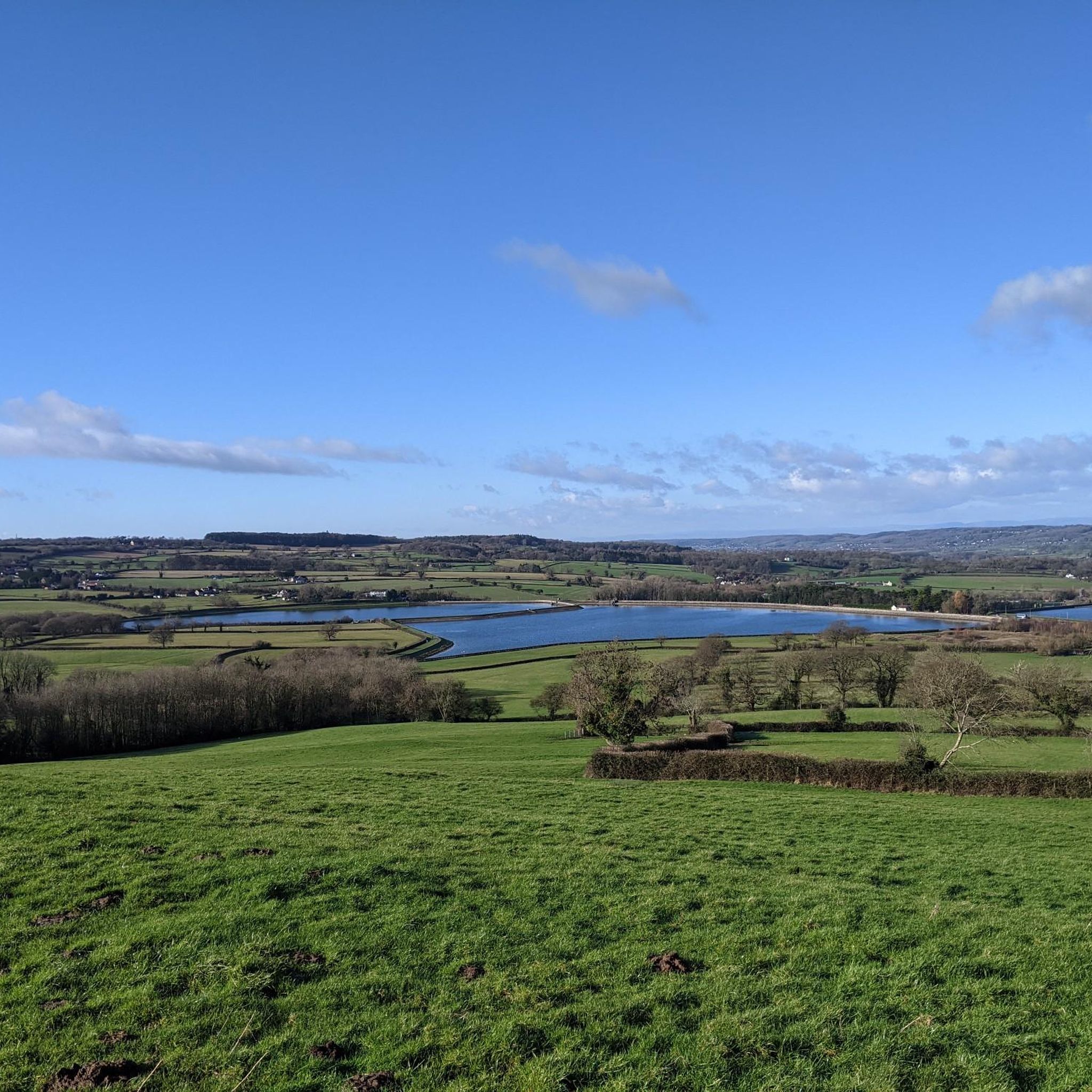
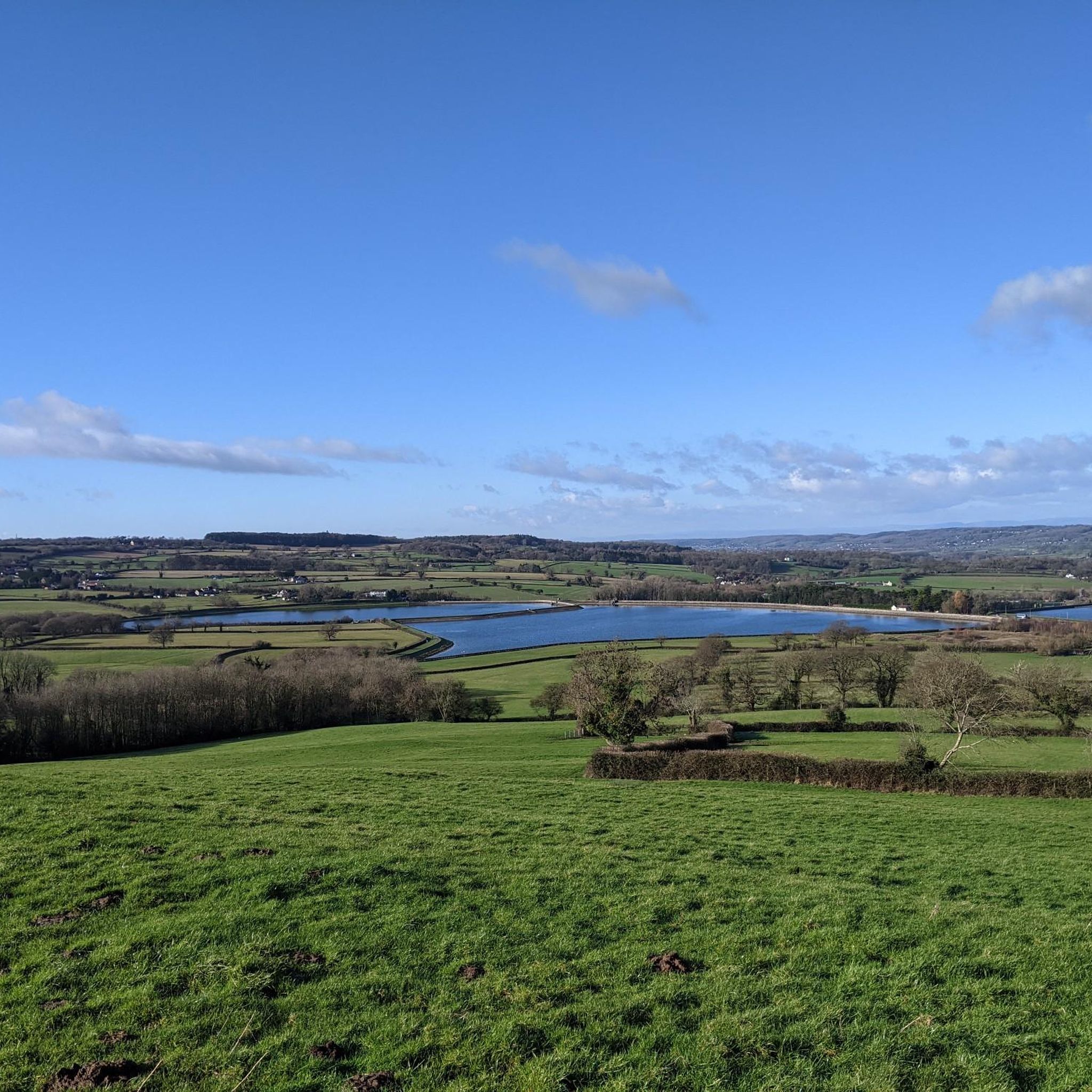
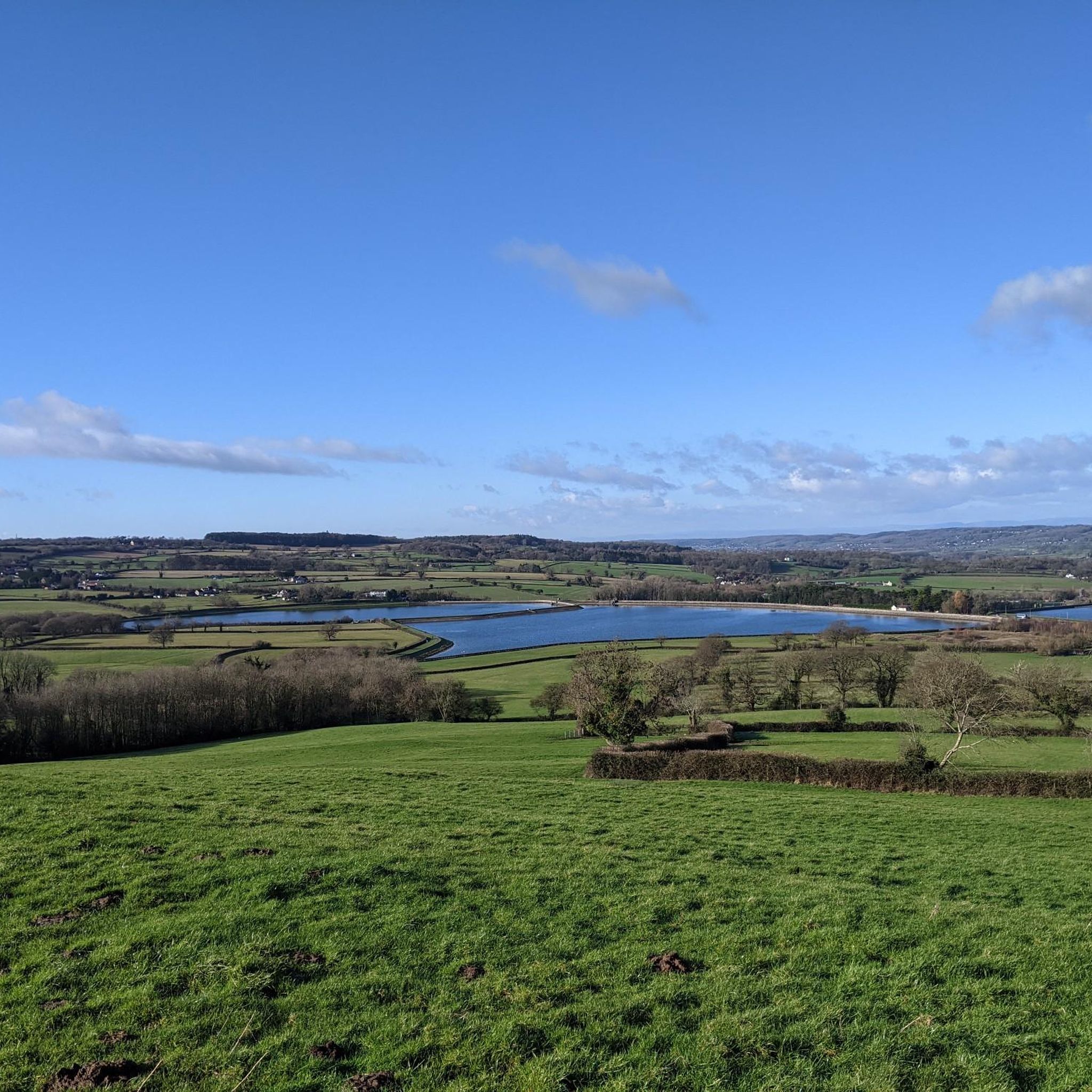
Chew Valley Lake
Highlight • Viewpoint
Tip by

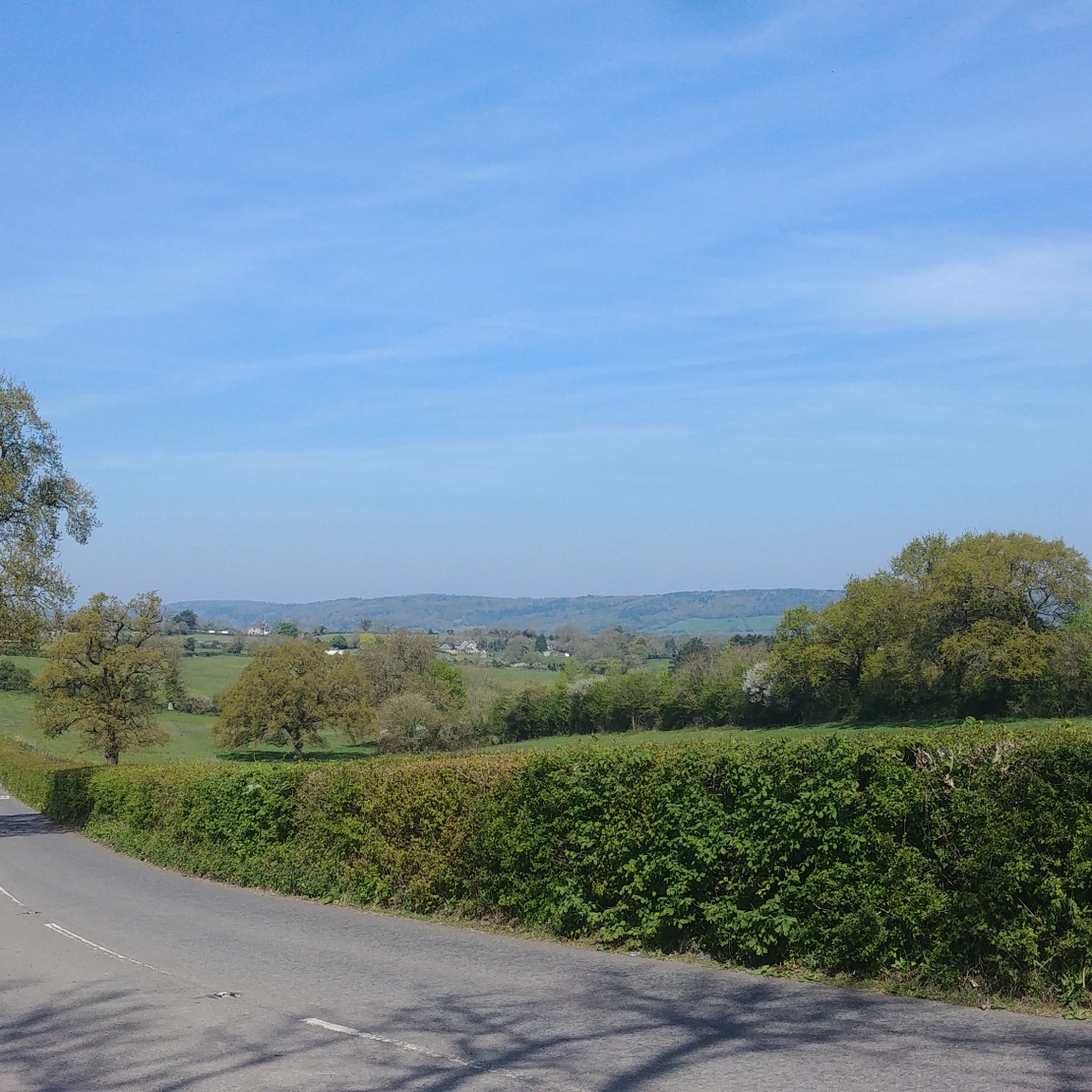
Burrington Combe Road Climb
Highlight (Segment) • Climb
Tip by

Sign up now to discover places like this
Get recommendations on the best single tracks, peaks, & plenty of other exciting outdoor places.
Sign up for free
Stanton Drew Stone Circles and Cove
Highlight • Natural Monument
Tip by

Leigh Woods
Highlight • Natural Monument
Tip by
Giant Sequoia Trees
Highlight • Natural Monument
Tip by

Sign up for free to discover even more natural monuments around Dundry.
Sign up for free
Already have an account?
Start today with a free account
Your next adventure awaits.
Login or Signup

Tips from the Community

Great stretch of road, I know I am nearly at Bristol, or just getting started. Either way I cannot help but stop and enjoy the view, just stunning.
0
0


The Stanton Drew stone circles are located just outside the village of Stanton Drew in the English county of Somerset. The largest stone circle is the Great Circle, standing in a 113 metres in diameter and is in-fact the second largest stone circle to be discovered in Britain. After Avebury and It’s considered to be one of the largest Neolithic monuments to have ever been built. The date of the construction is not actually accurately known of, but it’s thought to have been built between 3000 and 2000 BCE. These standing stone circles of which have been studied since John Aubrey's visit in 1664. It was only made a scheduled monument of it is today in 1982. Please be aware that an entrance fee is charged by the landowner for any entry in among the grounds of the Stone Circles and any public access is at his discretion only. NO DOGS ALLOWED! As the land is used for agriculture purposes and usually has cattle grazing on the fields where the standing stones are. Please be aware that the English Heritage sites do not permit drone flying from or over sites in our care, by any circumstances except by contractors or partners undertaking flights for a specific purpose, who satisfy stringent CAA criteria, have the correct insurances and permissions, and are operating under controlled conditions only. Just having experienced this ourselves before.
0
0

Cool little information stand here with information; did you know this species is the largest living thing on earth? The big ones can be 3 motorway lanes wide! They are sometimes called “vegetable monsters” and they were brought to the uk from California by the SS Great Britain!
1
0

This is the third-largest complex of pre-historic standing stones in England. The 26 remaining standing stones are all that remains of the probably ceremonial stone circle constructed in the Neolithic period around 2500 BCE. Today the area is looked after by English Heritage and free to enter.
0
0


Impressive 4500 year-old stone circle with some English Heritage info signage at the entrance. Take a minute to touch the stones and imagine the people who put them there. There’s an honesty box at the gate which suggests a £1 donation.
0
0

Stanton Drew stone circle is 100% worth a visit. An ancient, neolithic complex of stone circles. There is so much history in this landscape; the nearby Pensford village was first officially recorded in 1151.
0
1
Frequently Asked Questions
What are the most unique natural monuments to explore around Dundry?
Beyond the prominent Dundry Hill, you can discover several unique natural monuments. These include the geological wonders of Burrington Combe Road Climb, a gorge offering a consistent gradient. For a glimpse into ancient history, visit the Stanton Drew Stone Circles and Cove, one of England's largest prehistoric stone complexes. You can also find a tranquil escape at Leigh Woods, a nature reserve with broadleaf woodland and scenic viewpoints.
Are there any natural monuments suitable for families near Dundry?
Yes, several natural monuments around Dundry are family-friendly. Stanton Drew Stone Circles and Cove offers an engaging historical experience for all ages. Leigh Woods provides waymarked trails perfect for family walks. Additionally, the Giant Sequoia Trees offer a fascinating natural spectacle that children often enjoy.
What kind of natural features can I expect to see around Dundry?
Dundry and its surroundings are rich in diverse natural features. You'll encounter prominent hills like Dundry Hill itself, offering expansive views. The area features ancient geological sites, including quarries with fossil-rich rocks, and extensive woodlands such as Leigh Woods. You can also find natural water sources like the springs that feed the Land Yeo river, and tranquil spots like Abbot's Pool.
Are there good hiking trails near the natural monuments in Dundry?
Yes, there are numerous hiking opportunities around Dundry's natural monuments. You can find a variety of routes, from easy to moderate, that explore the local landscape. For detailed hiking trails, including options like the 'Dundry Hill East High Point – View from Maes Knoll loop' or 'St Michael's Church, Dundry – View of Bristol from Dundry loop', you can explore the Hiking around Dundry guide.
What are the best viewpoints to experience the natural beauty of Dundry?
Dundry Hill itself is a major viewpoint, offering panoramic vistas over Bristol to the north and the Chew Valley to the south. On clear days, you can even see the Bristol Channel and the Black Mountains of Wales. Leigh Woods also provides breathtaking viewpoints over Bristol and the iconic Clifton Suspension Bridge.
Can I find any historical or ancient sites among the natural monuments?
Absolutely. The Stanton Drew Stone Circles and Cove is a significant ancient monument, being the third largest complex of standing stones in England, dating back approximately 4,500 years. While primarily natural, the geological features of Dundry Hill also hold historical significance, with its Jurassic limestone having been quarried since Roman times.
What do visitors say about the natural monuments around Dundry?
Visitors frequently praise the natural monuments around Dundry for their unique character and less crowded atmosphere compared to more famous sites. For instance, Burrington Combe Road Climb is noted for being 'less touristy' and 'more enjoyable' than similar locations. The Stanton Drew Stone Circles and Cove is appreciated for allowing visitors to 'enjoy the landmark in relative solitude'.
Are there opportunities for cycling near Dundry's natural monuments?
Yes, the area around Dundry offers various cycling routes. You can find road cycling options that take you through scenic landscapes. For specific routes, such as 'The Round House, Stanton Drew – Chew Valley Lake loop', consult the Road Cycling Routes around Dundry guide.
What is the geological significance of Dundry Hill?
Dundry Hill is geologically significant due to its capping of Jurassic limestone, known as Dundry Freestone, which has been quarried since Roman times. The Dundry Main Road South Quarry, a Site of Special Scientific Interest (SSSI), exposes valuable sections of Middle and Upper Inferior Oolite rock, rich in fossils, particularly ammonites. These fossils provide crucial evidence for understanding ancient marine life and palaeogeography.
Can I spot wildlife in the natural areas around Dundry?
Yes, the natural areas around Dundry are home to various wildlife. Woodlands like Leigh Woods and the area around Abbot's Pool are known for their flora and fauna, including deer, bats, and various bird species. The diverse habitats of green farmlands, woodlands, and water sources provide excellent opportunities for birdwatching and spotting local wildlife.
Are there any natural monuments that are less well-known but worth visiting?
While not as widely known as some other sites, the Giant Sequoia Trees offer a unique and impressive natural spectacle, a 'slice of California in the West Country'. Also, the springs on the western side of Dundry Hill, marking the source of the Land Yeo river, provide an interesting hydrological feature showcasing the origins of local water systems.
What is the best time of year to visit the natural monuments around Dundry?
The natural monuments around Dundry can be enjoyed year-round, with each season offering a different experience. Spring brings blooming flora and active wildlife, while summer is ideal for longer walks and enjoying the expansive views. Autumn showcases beautiful foliage, and even winter offers crisp, clear days for exploring, especially on Dundry Hill with its far-reaching vistas.
Most popular attractions around Dundry

Get inspired with the komoot mobile app


Explore more
Extend your search for the best caves by checking out these guides of the top ones around Dundry:
