Top 12 Natural Monuments around Brockley
Best natural monuments around Brockley offers a diverse landscape for exploration. This region features areas of significant natural beauty, including high points with panoramic views and ancient woodlands. The terrain ranges from open heathlands to deep gorges, providing varied natural settings. These areas are recognized for their ecological importance and historical significance, with sites preserving ancient habitats and archaeological remains.
Best natural monuments around Brockley
- The most popular natural monuments is Beacon Batch summit trig point, a viewpoint that…
Last updated: May 17, 2026
Beacon Batch summit trig point
Highlight • Viewpoint
Tip by

Black Down Summit and Wild Ponies
Highlight • Natural
Tip by

Sign up now to discover places like this
Get recommendations on the best single tracks, peaks, & plenty of other exciting outdoor places.
Sign up for free
Burrington Combe Road Climb
Highlight (Segment) • Climb
Tip by

Leigh Woods
Highlight • Natural Monument
Tip by
Dolebury Warren Iron Age Hill Fort
Highlight • Natural Monument
Tip by
Sign up for free to discover even more natural monuments around Brockley.
Sign up for free
Already have an account?
Start today with a free account
Your next adventure awaits.
Login or Signup

Tips from the Community

Dolebury Warren is the site of an Iron Age hill fort and was also occupied during the Roman period. Today the site still has many earthworks to explore and bands of rock which may have been the foundations of walls. As a runner the ridgeline is fun to run with a not too steep ascent and fun descent whichever way you run it. The Limestone Link trail goes along the summit and it makes a good addition to a Beacon Batch loop from Burrington Combe.
0
0

Black Down Hill or Beacons Batch is the highest hill in the Mendip Hills at 325m, Somerset, in south-western England. Black Down lies just a few miles eastward of the Bristol Channel at Weston-super-Mare, and provides a view over the Chew Valley. It has a trig pointed summit and is a UK designated Marilyn with a prominence of over 150m.
3
1

A great climb! Very long, but nice and steady for the most part.
0
0


This special site is designated as a Site of Special Scientific interest for its valuable wildlife habitats and is a nationally important site for its archaeology from the late Stone Age and Bronze Age through to the Second World War. Black Down provides the largest area of open access on the Mendip Hills at over 400 ha. Black Down, like most heathlands, is formed through a combination of factors– soil type, rainfall and human activity. The underlying Old Red Sandstone rock together with high rainfall created a waterlogged and acidic soil. The removal of tree cover by our Bronze Age ancestors 2,000 years ago helped to make sure that the soil stayed damp and acid. Only certain plants can survive in this type of ground. The key species include heather or ling, bell heather, bilberry, purple moor grass and European gorse, along with mosses and lichens. Now the bracken is managed by harvesting and grazing by cattle and wild ponies to allow the heathers and grasses to flourish again. Black Down supports a wide variety of birds, mammals, reptiles and invertebrates.
3
0
This special site is designated as a Site of Special Scientific interest for its valuable wildlife habitats and is a nationally important site for its archaeology from the late Stone Age and Bronze Age through to the Second World War. Black Down provides the largest area of open access on the Mendip Hills at over 400 ha. Black Down, like most heathlands, is formed through a combination of factors– soil type, rainfall and human activity. The underlying Old Red Sandstone rock together with high rainfall created a waterlogged and acidic soil. The removal of tree cover by our Bronze Age ancestors 2,000 years ago helped to make sure that the soil stayed damp and acid. Only certain plants can survive in this type of ground. The key species include heather or ling, bell heather, bilberry, purple moor grass and European gorse, along with mosses and lichens. Now the bracken is managed by harvesting and grazing by cattle and wild ponies to allow the heathers and grasses to flourish again. Black Down supports a wide variety of birds, mammals, reptiles and invertebrates.
3
1
As part of the nature reserve management there are sheep grazing to protect the rare plants and flowers that the grassland supports. It is important to keep your dog under close control and on a lead at all times on Dolebury Warren. Dolebury Warren is an Site of Special Scientific Interest. It is owned by the National Trust and managed by Avon Wildlife Trust. The unusual mixture of wildflowers makes this a nationally important site for wildlife. 'Lime-loving' plants like rockrose flourish alongside such 'acid-loving' plants as bell heather, which survive on patches of acidic sand blown onto the site during the ice age. The visible remains of Dolebury's past include the imposing double ramparts of an Iron Age hill fort and a medieval rabbit warren. This is a nationally protected site of archaeological interest.
5
0

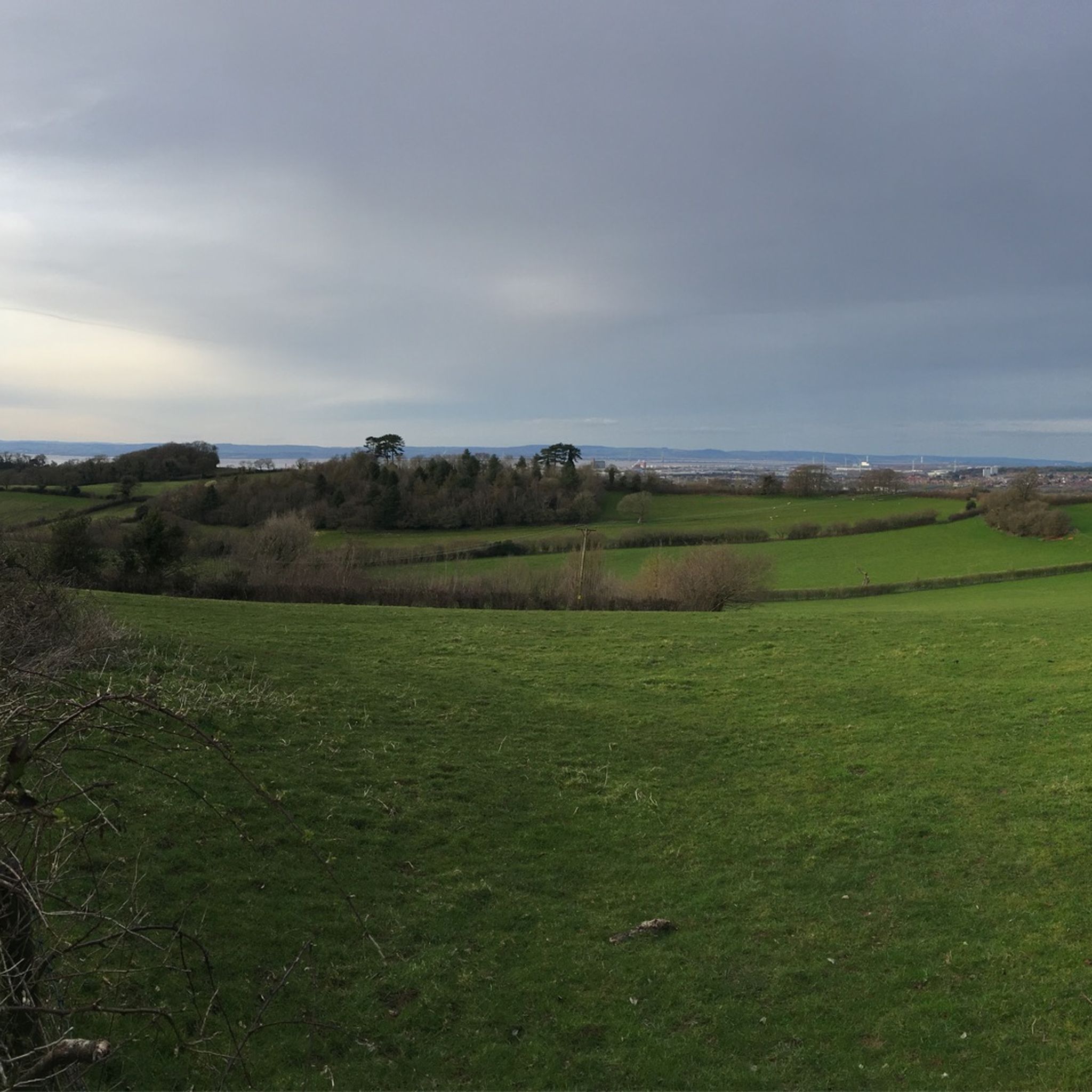
Black Down is the highest area of the Mendip Hills and affords wonderful views across the Bristol Channel into Wales, over Weston-super-Mare, the Chew Valley, the Quantocks and beyond. There are many Bronze Age burial sites dotted around. You might also see the wild ponies strutting their stuff.
4
1
Frequently Asked Questions
What are some significant natural monuments in Brockley?
Brockley is home to several notable natural monuments. The New Cross Gate Cutting, also known as Brockley Nature Reserve, is a Site of Metropolitan Importance for Nature Conservation. Gorne Wood is another ancient woodland, and Brockley Cemetery has evolved into a wild garden and nature reserve.
What kind of wildlife can I expect to see at New Cross Gate Cutting?
New Cross Gate Cutting supports a diverse range of wildlife. You might observe birds such as kestrels, great spotted woodpeckers, chiffchaffs, jays, and song thrushes. The reserve is also home to various fungi and insects, including stag beetles and butterflies, and even deer.
Are there any natural monuments around Brockley that are good for family visits?
While the natural monuments directly within Brockley have varying access, the wider region offers family-friendly options. For example, Black Down Summit and Wild Ponies is categorized as family-friendly and offers opportunities to see wild ponies. Leigh Woods also offers waymarked trails suitable for families.
What historical significance do the natural monuments around Brockley hold?
Many natural monuments in the broader area have significant historical value. Beacon Batch summit trig point and Black Down Summit and Wild Ponies are nationally important for archaeology from the late Stone Age and Bronze Age. Dolebury Warren Iron Age Hill Fort is another site with visible remains of an Iron Age hill fort built 3,000 years ago.
What outdoor activities can I do near these natural monuments?
The area around Brockley offers various outdoor activities. You can find easy hikes, such as the 'View over Goblin Combe' loop, by exploring the Easy hikes around Brockley guide. For cycling, there are routes like the 'Festival Way – Ashton Avenue Bridge loop' in the Cycling around Brockley guide, and road cycling options in the Road Cycling Routes around Brockley guide.
Is New Cross Gate Cutting accessible to the public?
New Cross Gate Cutting is generally closed to the public to protect its delicate environment. However, the London Wildlife Trust facilitates regular open days and volunteer workdays, providing opportunities for the public to experience and contribute to the reserve. Check their official channels for schedules.
Can I walk my dog at the natural monuments in Brockley?
Brockley Cemetery, with its wild garden aesthetic, offers a peaceful environment for walks, and dogs are generally permitted. For other nature reserves like New Cross Gate Cutting, access is restricted, and specific rules for dogs would apply during open days. When visiting sites like Dolebury Warren Iron Age Hill Fort, it's important to keep dogs under close control and on a lead due to grazing sheep and protected plants.
What are the best viewpoints among the natural monuments?
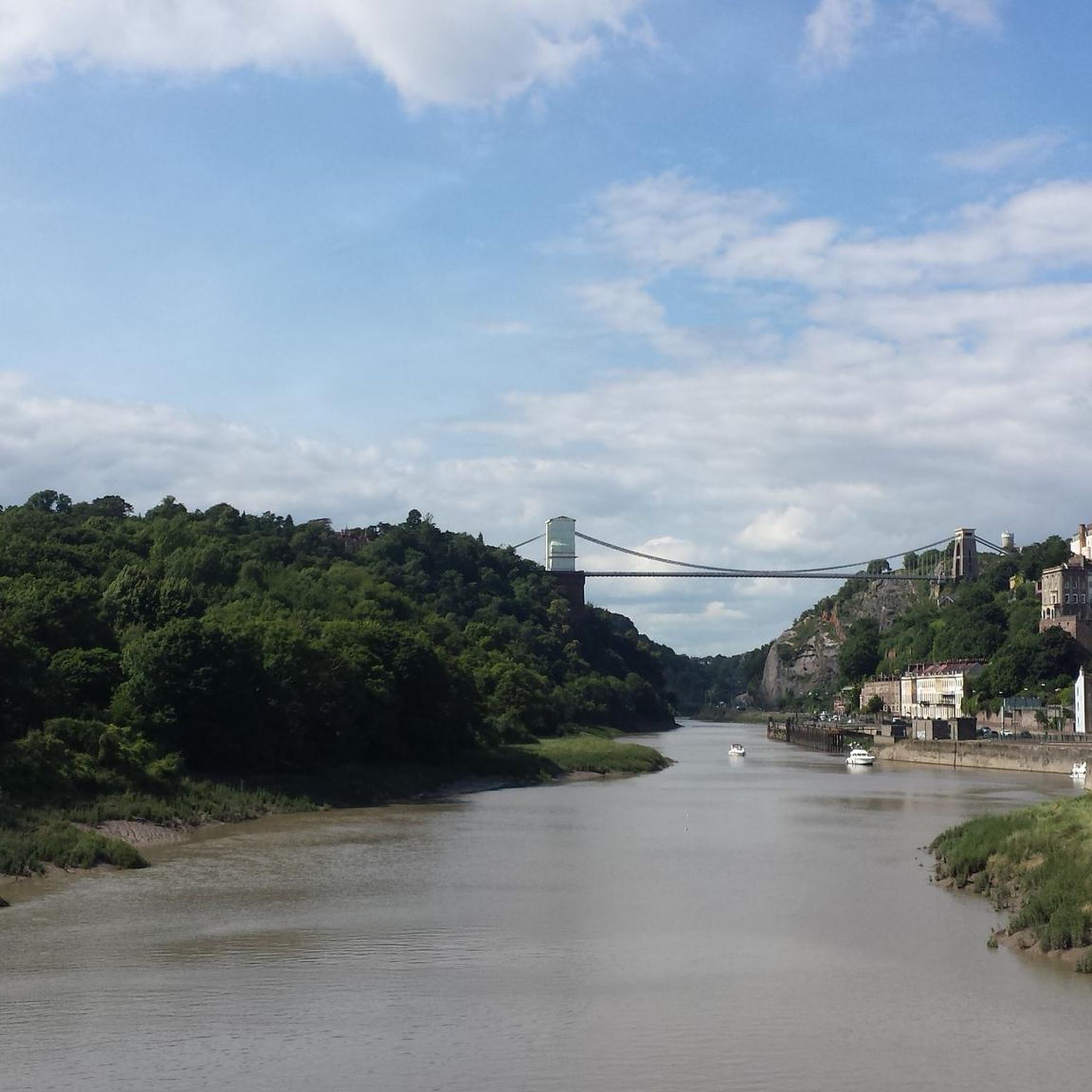
Several natural monuments offer breathtaking views. Beacon Batch summit trig point provides panoramic views stretching over the Bristol Channel into Wales. Black Down Summit and Wild Ponies also offers wonderful views across the Bristol Channel. Leigh Woods has waymarked trails leading to viewpoints over Bristol and the Clifton Suspension Bridge.
What makes Brockley Cemetery a natural monument?
Brockley Cemetery, while a burial ground, has transformed into a significant natural space. It features wonderful old trees like beeches, oaks, poplars, and plane trees, along with a rich undergrowth of ivies and indigenous plants. This creates a valuable habitat and a serene, wild garden environment, making it a natural monument in its own right.
Are there any challenging climbs or terrains among the natural monuments?
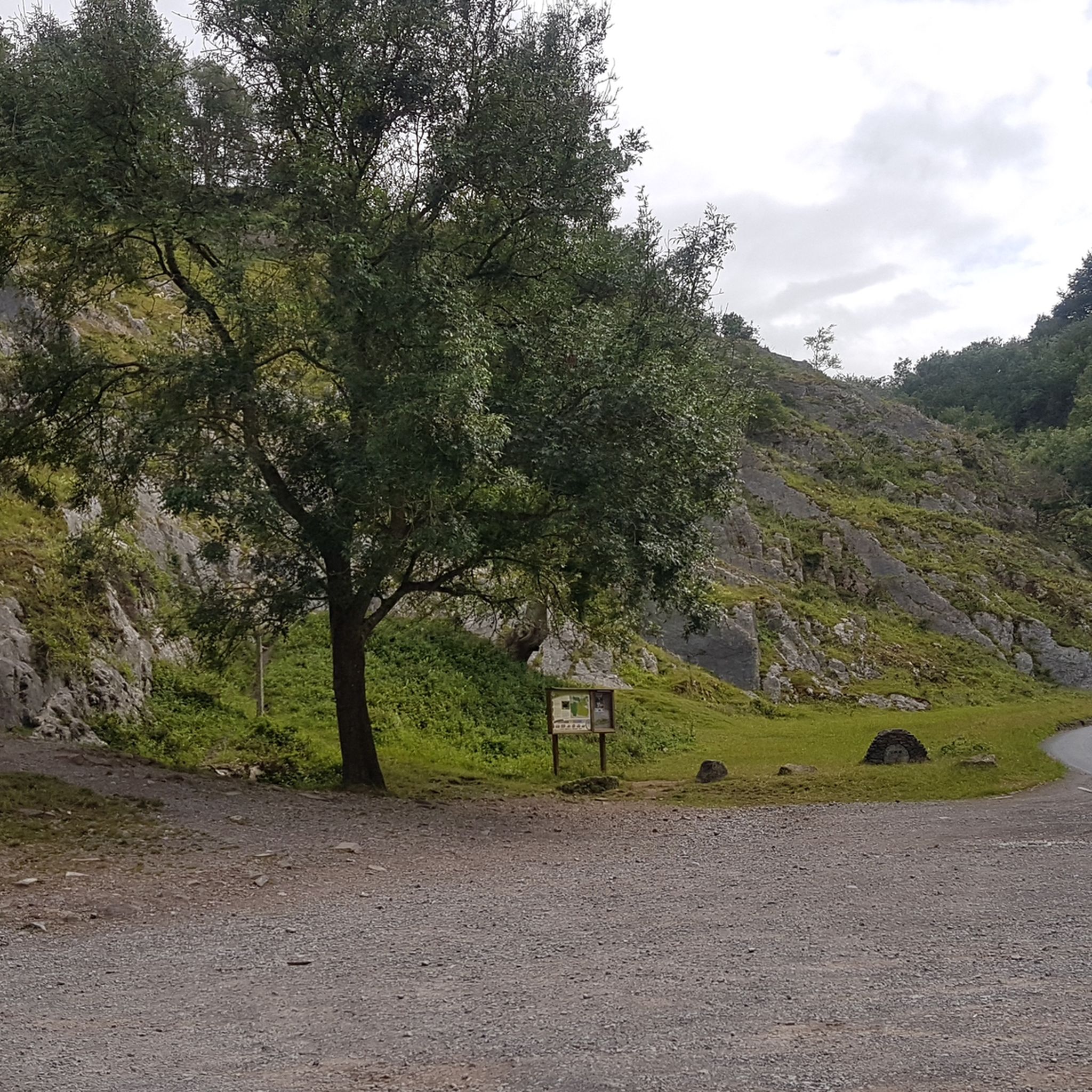
Yes, for those seeking a challenge, Burrington Combe Road Climb offers a consistent gradient through a gorge, suitable for both climbing and descending. Leigh Woods also features trails categorized as challenging, providing a more strenuous experience.
What is the best time of year to visit the natural monuments around Brockley?
The best time to visit depends on your interests. Spring and summer are ideal for observing flora and fauna, with many plants in bloom and wildlife active. Autumn offers beautiful foliage, especially in woodlands like Gorne Wood and Brockley Cemetery. Winter can provide a quiet, reflective experience, though some areas might be less accessible due to weather.
What are the parking and public transport options for natural monuments in Brockley?
For natural monuments directly within Brockley, public transport is generally the most convenient option, with various bus routes serving the area. Parking can be limited in residential areas. For sites like New Cross Gate Cutting, specific parking information might be provided during open days. For natural monuments further afield, it's advisable to check specific access details for each location.
Most popular attractions around Brockley

Get inspired with the komoot mobile app


Explore more
Extend your search for the best caves by checking out these guides of the top ones around Brockley:
