Top 14 Natural Monuments around Banwell
Best natural monuments around Banwell are found in North Somerset, England, nestled within the Mendip Hills. This region is defined by its distinctive limestone geology, featuring significant cave systems and dramatic gorges. The area holds recognition for its geological and ecological importance, including several Sites of Special Scientific Interest. It presents a variety of natural landscapes for outdoor activities.
Best natural monuments around Banwell
- The most popular natural monument is Cheddar Gorge Climb, a climb that spans approximately 10…
Last updated: October 16, 2026
Cheddar Gorge Climb
Highlight (Segment) • Climb
Tip by

Beacon Batch summit trig point
Highlight • Viewpoint
Tip by

Sign up now to discover places like this
Get recommendations on the best single tracks, peaks, & plenty of other exciting outdoor places.
Black Down Summit and Wild Ponies
Highlight • Natural
Tip by

Burrington Combe Road Climb
Highlight (Segment) • Climb
Tip by

Crook Peak
Highlight • Natural Monument
Tip by

Sign up for free to discover even more natural monuments around Banwell.
Already have an account?
Start today with a free account
Your next adventure awaits.

Tips from the Community


Sticking out from the end from the ridge of rock that runs from the Mendips Crook Peak offers views over from Exmoor too Wales. A particularly great ride from Wavering down back along the ridge.
1
0

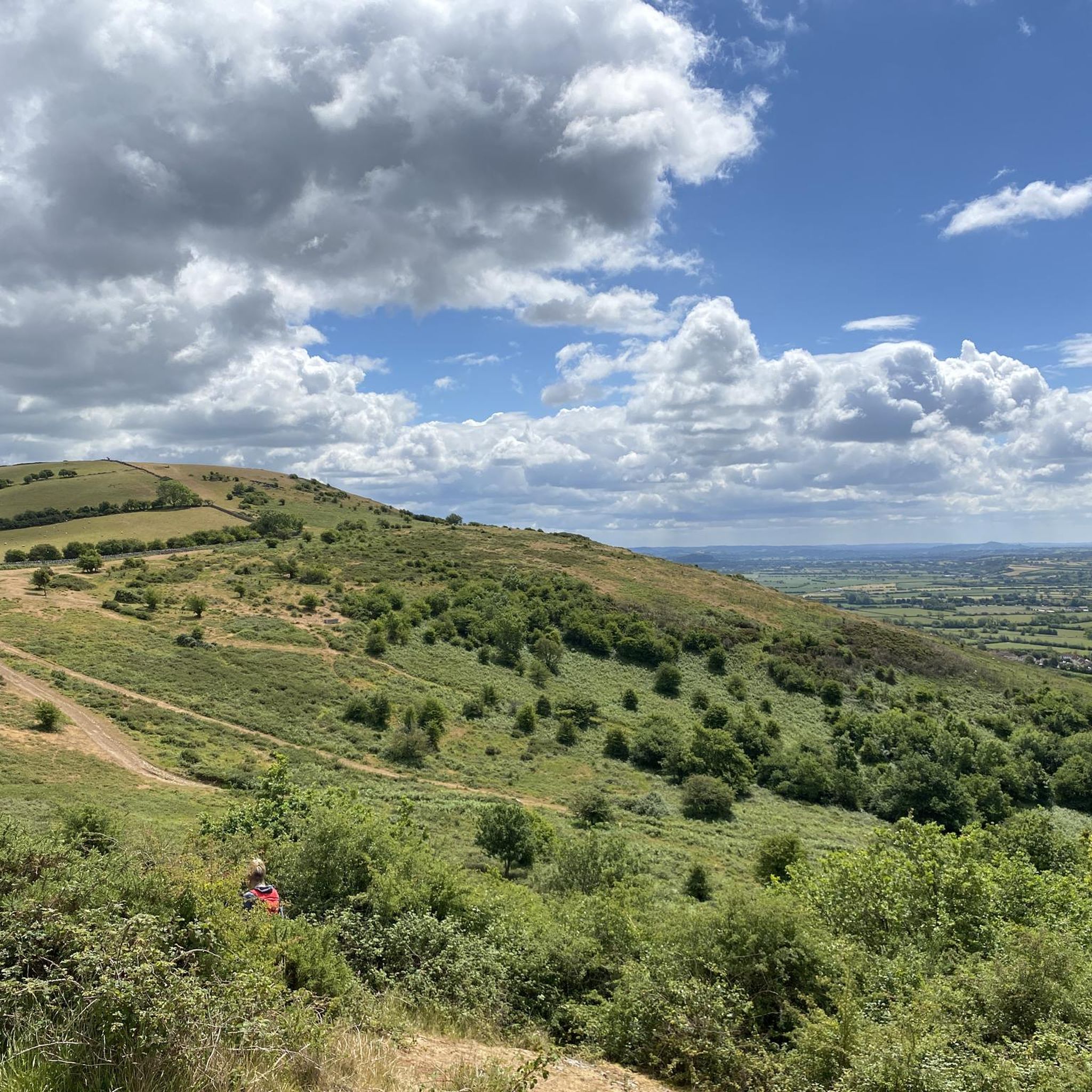
Excellent summit, run from either the car park below or over the ridge from Weavering Down. The top is rocky with great views over towards the Mendips, out to Weston Super Mare and the sea and down the M5.
0
0


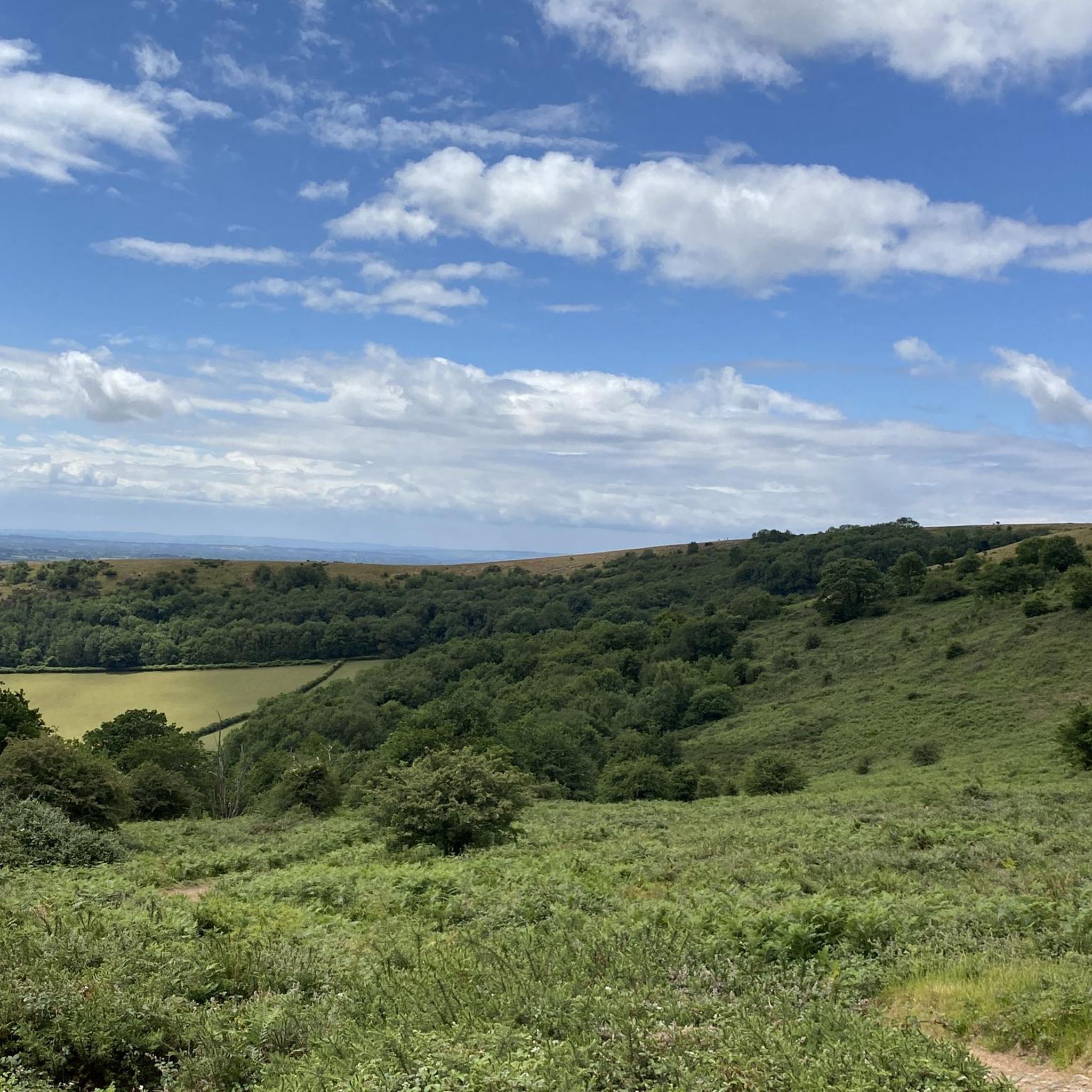
Black Down Hill or Beacons Batch is the highest hill in the Mendip Hills at 325m, Somerset, in south-western England. Black Down lies just a few miles eastward of the Bristol Channel at Weston-super-Mare, and provides a view over the Chew Valley. It has a trig pointed summit and is a UK designated Marilyn with a prominence of over 150m.
3
1

A great climb! Very long, but nice and steady for the most part.
0
0


Frequently Asked Questions
What are the primary natural monuments to explore in Banwell?
Banwell is most renowned for the Banwell Caves, a significant geological and biological Site of Special Scientific Interest (SSSI). These include the Banwell Bone Cave, famous for its Pleistocene-era mammal bones, and the Banwell Stalactite Cave, known for its impressive speleothems and barite deposits. Beyond the caves, the surrounding Mendip Hills offer other natural highlights like Cheddar Gorge and various viewpoints.
What unique historical and archaeological features can be found at Banwell's natural monuments?
The Banwell Bone Cave is a fascinating blend of natural history and human interpretation. It houses an extensive collection of Pleistocene mammal bones, which were historically arranged by Bishop George Henry Law in the 19th century, who believed them to be evidence of the biblical flood. This created a unique 'religious theme park' with poetic inscriptions. Additionally, sites like Beacon Batch summit trig point and Black Down Summit in the Mendip Hills feature Bronze Age burial mounds and other archaeological remains, highlighting thousands of years of human activity.
Are there family-friendly natural monuments or activities around Banwell?
While the Banwell Caves offer a unique educational experience, their accessibility might vary for very young children. However, the wider Mendip Hills, including areas around Black Down Summit, are generally family-friendly for walks and nature spotting, with opportunities to see wild ponies. Many of the walking routes around Banwell, such as the 'Strawberry Line Tunnel loop from Winscombe' (4.2 km), are rated as easy and suitable for families.
What kind of wildlife can I expect to see near Banwell's natural monuments?
The Banwell Stalactite Cave is a crucial hibernation site for greater horseshoe bats. In the broader Mendip Hills, particularly around Beacon Batch and Black Down Summit, you can spot wild ponies and a variety of birds, mammals, reptiles, and invertebrates. These areas are designated SSSIs due to their valuable wildlife habitats, including rare plants and flowers supported by the calcareous grassland.
What outdoor activities, like hiking or cycling, can I do near these natural monuments?
The area around Banwell is excellent for outdoor activities. For hiking, you can explore routes like the 'Wavering Down Trig Point – Crook Peak loop from Winscombe' (11.8 km, moderate) or the 'Shute Shelve Tunnel loop from Sandford' (11.9 km, moderate). Cyclists can enjoy routes such as the 'Cheddar Gorge Climb – Mendip Hills Scenic Descents loop from Loxton' (37.5 km, moderate). You can find more details on these and other routes on the hiking guide, road cycling guide, and running guide for Banwell.
Are there any less crowded alternatives to popular spots like Cheddar Gorge?
Yes, Burrington Combe Road Climb is often considered a less crowded alternative to Cheddar Gorge. It offers a similar experience with impressive gorge scenery and a consistent gradient, making it enjoyable for both ascending and descending without the heavy tourist traffic.
What are the best viewpoints to experience panoramic scenery around Banwell?
For breathtaking panoramic views, head to Beacon Batch summit trig point, the highest point in the Mendip Hills. From here, you can see across the Bristol Channel into Wales, over Weston-super-Mare, the Chew Valley, and the wider Mendips. Wavering Down Trig Point also offers impressive views across Somerset, including a glimpse of Cheddar reservoir.
What geological features are prominent in the natural monuments near Banwell?
The region is defined by its distinctive limestone geology. The Banwell Caves showcase impressive speleothems like stalactites and stalagmites, as well as unique barite deposits. The Mendip Hills, including areas like Cheddar Gorge and Burrington Combe, are characterized by dramatic gorges and limestone outcrops, formed over millennia by water erosion.
What is the best time of year to visit the natural monuments around Banwell?
The Mendip Hills and Banwell's natural monuments can be enjoyed year-round. Spring and summer offer pleasant weather for hiking and cycling, with wildflowers in bloom. Autumn brings beautiful foliage, while winter can provide crisp, clear views, though some paths might be muddy. For specific cave visits, it's best to check opening times, as these can vary seasonally.
Are there any natural monuments around Banwell that are particularly significant for conservation?
Yes, both the Banwell Caves and several areas within the Mendip Hills, such as Beacon Batch and Wavering Down, are designated Sites of Special Scientific Interest (SSSI). This designation recognizes their national importance for geological features, valuable wildlife habitats, and rare plant species. Conservation efforts in these areas often include grazing by wild ponies and sheep to maintain the unique calcareous grassland ecosystems.
Can I bring my dog to the natural monuments and trails around Banwell?
Many outdoor areas in the Mendip Hills are dog-friendly, but it's crucial to keep dogs under close control, especially in areas with grazing livestock like wild ponies and sheep. For instance, on Wavering Down and Crook Peak, dogs should be kept on a lead at all times to protect rare plants and wildlife. Always check specific site regulations before visiting.
Most popular routes around Banwell
Most popular attractions around Banwell

Get inspired with the komoot mobile app


Explore more
Extend your search for the best caves by checking out these guides of the top ones around Banwell:
