Top 17 Natural Monuments around Winscombe & Sandford
Best natural monuments around Winscombe & Sandford are found within the Mendip Hills Area of Outstanding Natural Beauty (AONB) in Somerset, England. This region features dramatic limestone hills, ancient woodlands, and grasslands, providing nationally important semi-natural habitats. The landscape is characterized by its karst geology, with gorges, dry valleys, and cave systems. It offers diverse natural features and wildlife for exploration.
Best natural monuments around Winscombe & Sandford
- The most popular natural monuments is Beacon Batch summit trig point,…
Last updated: June 29, 2026
Cheddar Gorge Climb
Highlight (Segment) • Climb
Tip by

Beacon Batch summit trig point
Highlight • Viewpoint
Tip by

Sign up now to discover places like this
Get recommendations on the best single tracks, peaks, & plenty of other exciting outdoor places.
Sign up for free
Black Down Summit and Wild Ponies
Highlight • Natural
Tip by

Burrington Combe Road Climb
Highlight (Segment) • Climb
Tip by

Wavering Down Trig Point
Highlight • Natural Monument
Tip by

Sign up for free to discover even more natural monuments around Winscombe & Sandford.
Sign up for free
Already have an account?
Start today with a free account
Your next adventure awaits.
Login or Signup

Tips from the Community


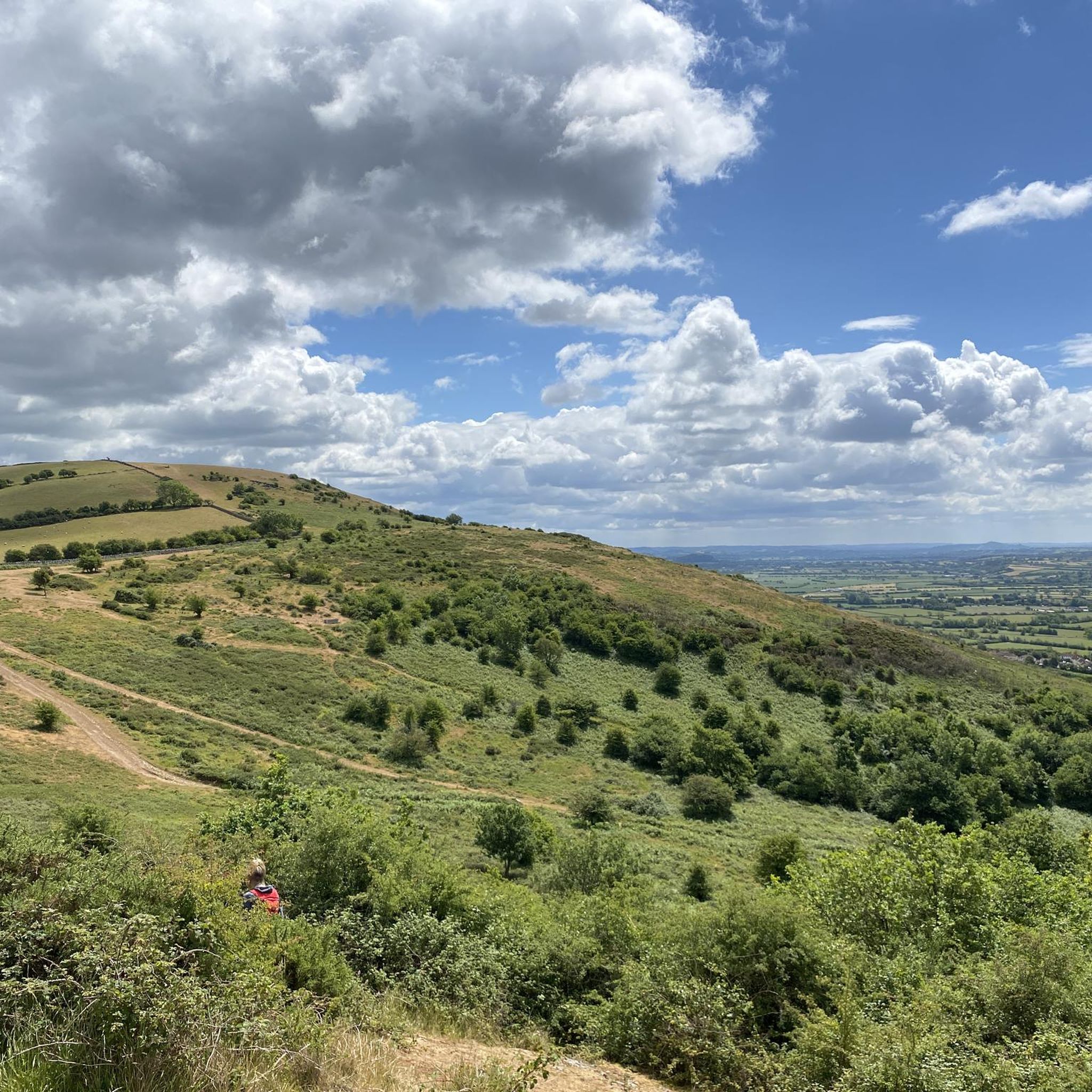
Black Down Hill or Beacons Batch is the highest hill in the Mendip Hills at 325m, Somerset, in south-western England. Black Down lies just a few miles eastward of the Bristol Channel at Weston-super-Mare, and provides a view over the Chew Valley. It has a trig pointed summit and is a UK designated Marilyn with a prominence of over 150m.
3
1

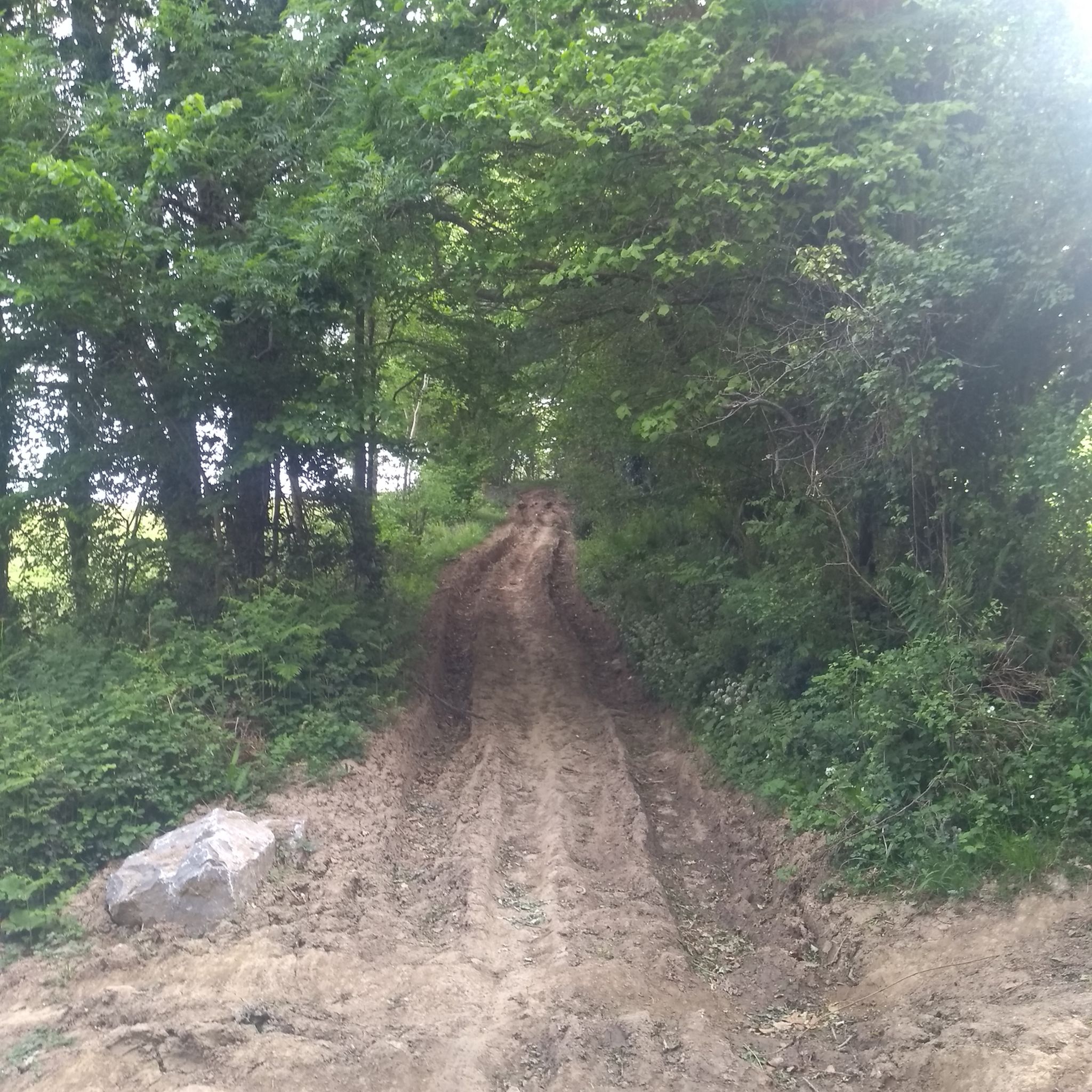
A great climb! Very long, but nice and steady for the most part.
0
0


Wavering Down is a part if the large area adjoining to Crook Peak which is a geological and biological Site of Special Scientific Interest near the western end of the Mendip Hills Area of Outstanding Natural Beauty in Somerset. As part of the nature reserve management there are wild ponies and sheep grazing to protect the rare plants and flowers that the grassland supports. It is important to keep your dog under close control and on a lead at all times on Wavering Down and Crook Peak. Most of the site is owned by the National Trust who bought 725 acres (293 ha) in 1985, and much of it has been designated as common land. It was notified as an SSSI by Natural England in 1952. The ecology of the area includes ancient woodland and calcareous grassland which supports nationally rare species including the Cheddar pink. The underlying rocks are Carboniferous Limestone containing phreatic caves at Shute Shelve Cavern and Picken's Hole from which fossils dating from the Middle Devensian have been recovered.
3
2
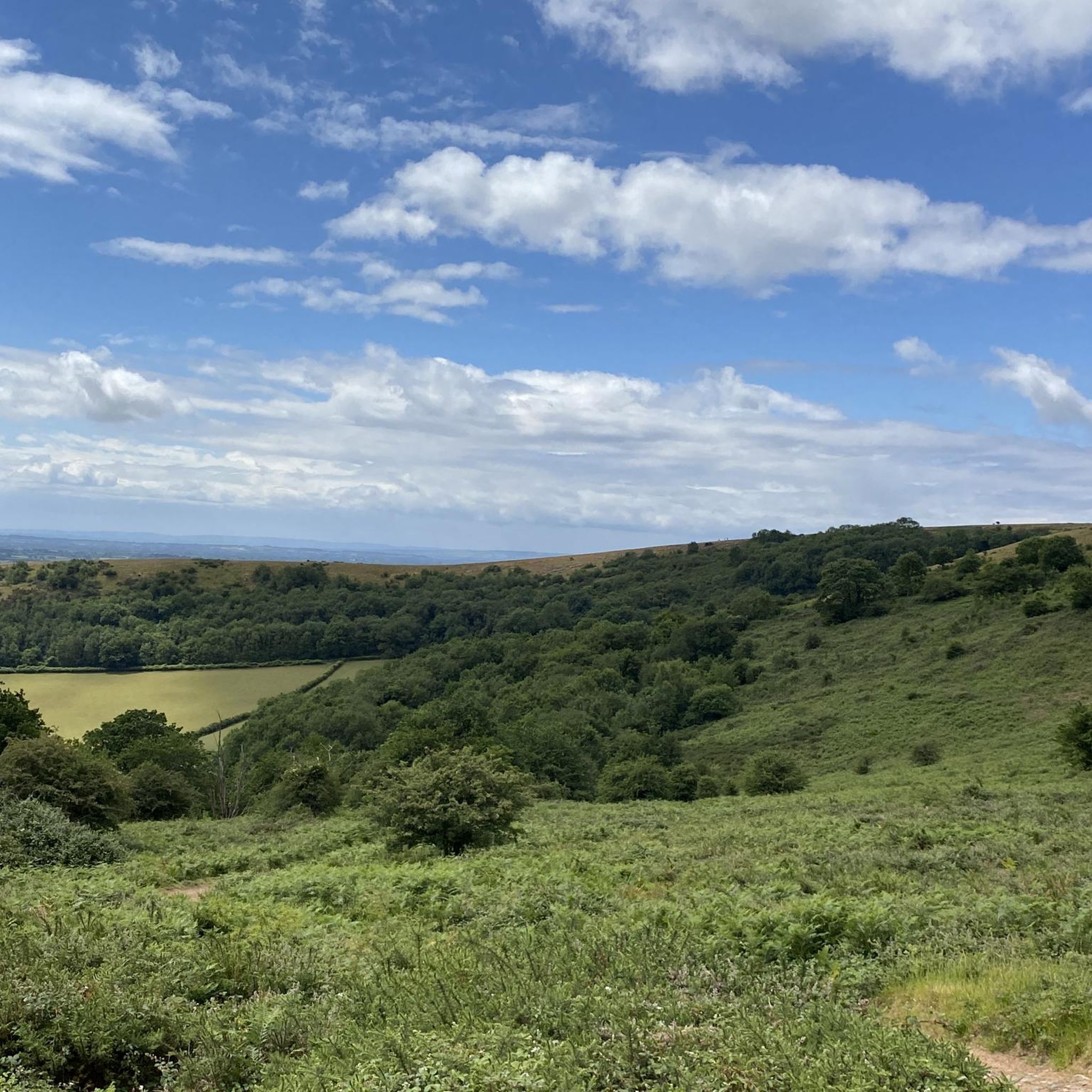
This special site is designated as a Site of Special Scientific interest for its valuable wildlife habitats and is a nationally important site for its archaeology from the late Stone Age and Bronze Age through to the Second World War. Black Down provides the largest area of open access on the Mendip Hills at over 400 ha. Black Down, like most heathlands, is formed through a combination of factors– soil type, rainfall and human activity. The underlying Old Red Sandstone rock together with high rainfall created a waterlogged and acidic soil. The removal of tree cover by our Bronze Age ancestors 2,000 years ago helped to make sure that the soil stayed damp and acid. Only certain plants can survive in this type of ground. The key species include heather or ling, bell heather, bilberry, purple moor grass and European gorse, along with mosses and lichens. Now the bracken is managed by harvesting and grazing by cattle and wild ponies to allow the heathers and grasses to flourish again. Black Down supports a wide variety of birds, mammals, reptiles and invertebrates.
3
0
This special site is designated as a Site of Special Scientific interest for its valuable wildlife habitats and is a nationally important site for its archaeology from the late Stone Age and Bronze Age through to the Second World War. Black Down provides the largest area of open access on the Mendip Hills at over 400 ha. Black Down, like most heathlands, is formed through a combination of factors– soil type, rainfall and human activity. The underlying Old Red Sandstone rock together with high rainfall created a waterlogged and acidic soil. The removal of tree cover by our Bronze Age ancestors 2,000 years ago helped to make sure that the soil stayed damp and acid. Only certain plants can survive in this type of ground. The key species include heather or ling, bell heather, bilberry, purple moor grass and European gorse, along with mosses and lichens. Now the bracken is managed by harvesting and grazing by cattle and wild ponies to allow the heathers and grasses to flourish again. Black Down supports a wide variety of birds, mammals, reptiles and invertebrates.
3
1

Owned and managed by the National Trust and part of the same SSSI as Crook Peak, Wavering Down is an impressive hill with even more impressive views. There's a trig point at the summit and the views include a glimpse of Cheddar reservoir. Half the down is open common land whilst the other half is fields.
4
0
Frequently Asked Questions
What are the most popular natural monuments to visit around Winscombe & Sandford?
The Mendip Hills Area of Outstanding Natural Beauty (AONB) offers several highly-rated natural monuments. Among the most popular are Beacon Batch summit trig point, which is the highest point in the Mendip Hills with extensive views and Bronze Age burial sites, and Black Down Summit and Wild Ponies, known for its panoramic vistas across the Bristol Channel and the presence of wild ponies. Another favorite is Wavering Down Trig Point, offering impressive views including a glimpse of Cheddar Reservoir.
Are there family-friendly natural monuments in the area?
Yes, several natural monuments are suitable for families. Black Down Summit and Wild Ponies is a great option, where children can enjoy spotting wild ponies and exploring the open heathland. The gentle slopes and diverse wildlife of areas like King's Wood also make for pleasant family outings.
What kind of natural features can I expect to see in the Winscombe & Sandford area?
The region is rich in diverse natural features. You'll find dramatic limestone hills, ancient woodlands, and grasslands. Notable features include the distinctive conical shape of Crook Peak, the gorges of Cheddar Gorge and Burrington Combe, and the expansive heathlands of Black Down. The Mendip Hills AONB is also a karst landscape, featuring dry valleys, swallets, and complex underground cave systems.
Are there any historical or archaeological sites among the natural monuments?
Yes, the area has significant historical and archaeological interest. Beacon Batch summit trig point and Black Down Summit and Wild Ponies are home to numerous Bronze Age burial sites. Sandford Hill and Sandford Wood also feature disused quarry and limekilns, providing insight into the area's industrial past, and routes in this area pass by sites of Roman villas.
What outdoor activities can I do near these natural monuments?
The natural monuments are excellent starting points for various outdoor activities. You can enjoy extensive hiking, mountain biking, and road cycling. For hiking, explore routes like the 'Wavering Down & Crook Peak loop from Winscombe Hill' or the 'Crook Peak – Wavering Down Trig Point loop from Axbridge'. Cyclists can tackle climbs like Cheddar Gorge Climb or Burrington Combe Road Climb. Find more routes in the Hiking around Winscombe & Sandford, MTB Trails around Winscombe & Sandford, and Road Cycling Routes around Winscombe & Sandford guides.
What is the best time of year to visit the natural monuments?
The Mendip Hills offer beauty year-round, but spring and summer are particularly rewarding for wildflowers and wildlife, including various butterfly species on Crook Peak and diverse birdlife on Wavering Down. Autumn brings vibrant colors to the woodlands. For hiking and cycling, milder weather in spring and early autumn can be ideal, avoiding the busiest summer crowds and potential winter conditions on exposed summits.
Are there good viewpoints among the natural monuments?
Absolutely. The region is renowned for its panoramic views. Beacon Batch summit trig point, as the highest point, offers breathtaking vistas across the Bristol Channel into Wales and over Weston-super-Mare. Crook Peak provides 360-degree views of the North Somerset coast, the Somerset Levels, Cheddar, and Wells. Wavering Down Trig Point also boasts expansive views, including Cheddar Reservoir.
What makes the geology of the Mendip Hills unique?
The Mendip Hills AONB is primarily formed from Carboniferous Limestone, creating a distinctive karst landscape. This geology results in unique features such as dramatic gorges like Cheddar Gorge, dry valleys, swallets (sinkholes), and complex underground cave systems. The area also has geological interest with cave deposits like Picken's Hole, known for its well-stratified sequence of deposits and faunas.
What kind of wildlife can I observe at these natural monuments?
The diverse habitats support a wide range of flora and fauna. On Black Down, you can see wild ponies and unique heathland plant life like heather and bilberry, alongside various birds, mammals, reptiles, and invertebrates. Crook Peak's limestone grassland is rich in wildflowers and supports various butterfly species. Wavering Down is excellent for birdwatching, with skylarks, meadow pipits, and stonechats. King's Wood is home to diverse birdlife including nuthatches and green woodpeckers.
Are there any easy walking trails suitable for all abilities?
While many trails involve some elevation, areas like King's Wood offer peaceful, relatively flat walks through ancient woodland, including a disused railway line. The lower sections of some hills or designated common lands can also provide easier strolls. For specific easy routes, check the Hiking around Winscombe & Sandford guide for options like the 'Wavering Down Trig Point – Wavering Down Trig Point loop from Axbridge'.
What do visitors enjoy most about the natural monuments around Winscombe & Sandford?
Visitors frequently praise the breathtaking panoramic views from summits like Beacon Batch summit trig point and Black Down Summit and Wild Ponies. The unique experience of seeing wild ponies, the rich historical context of Bronze Age sites, and the diverse natural habitats are also highly appreciated. Many enjoy the challenging yet rewarding climbs of the gorges and the peaceful walks through ancient woodlands.
Can I find cafes or pubs near the natural monuments?
Winscombe and Sandford villages, located close to many of these natural monuments, offer various cafes and pubs where you can refresh yourself before or after your explorations. While specific establishments aren't directly at the monument sites, they are usually a short drive or walk away in the nearby communities.
Most popular routes around Winscombe & Sandford
Most popular attractions around Winscombe & Sandford

Get inspired with the komoot mobile app


Explore more
Extend your search for the best caves by checking out these guides of the top ones around Winscombe & Sandford:
